The short version
- Name the exact rub before you buy a brand — thighs, sports-bra line, underarms and seams are different jobs.
- A twist-up stick is the race-morning default; a roll-on wins thin coverage under tight kits if you give it dry-time.
- Trial the format on a mid-week long in the same shorts, bra and socks you will race in.
- Balm does not treat wounds or replace a garment that already eats you.
- Headphones, lights and sunglasses are other shelves — use the Accessories Finder to leave this catalog.
Approaches in this guide
1This is a hotspot tool
Anti-chafe stick balms and roll-on films reduce skin-on-skin or kit-on-skin rub on miles you already know fail. Kitletics ranks format and how you will apply it — not clinical blister outcomes.
This category is a three-SKU specialist shelf: Body Glide Original and Squirrel’s Nut Butter as stick/tin balms, 2Toms SportShield as a roll-on. Gaiters, armbands and neckwear stay draft until authentic heroes exist.
A barrier is a finisher. If the liner, bra or sock is already the problem, change that first — then add film only where you still fail.
2Why this decision matters
Stick vs roll-on barriers for known hotspots — not a blister cure, not audio, and not a reason to keep a short that already rubs.
Getting the choice wrong usually means paying for features you will not use, or missing the one constraint that shows up when it matters for anti chafe for runners. Filter against real sessions — not a generic “best” list.
3How to choose

Name the rub
- What it is
- Skin-on-skin vs seam or sports-bra hardware.
- How it changes the choice
- A full-body coating wastes product and still misses the hotspot.
- What you may notice
- You apply only where last week actually failed.
Format
- What it is
- Stick/tin vs roll-on bottle.
- How it changes the choice
- Start-corral speed vs thin kit coverage.
- What you may notice
- Whether you can use it without looking, or need dry-time before dressing.
Reapplication plan
- What it is
- Whether the film must last past 90 minutes without a stop.
- How it changes the choice
- Ultra kits often carry a tin or mini stick; roll-ons are a dressing-room tool.
- What you may notice
- You do not discover the format fails at kilometre 32.
4What to look for in each factor
Turn each factor into something you can verify for this guide’s job — on a spec sheet, in a shop, or in a short real-world test.
Look for
Name the rub
- Skin-on-skin vs seam or sports-bra hardware.
- Watch for: You apply only where last week actually failed.
- Decision tip: A full-body coating wastes product and still misses the hotspot.
Look for
Format
- Stick/tin vs roll-on bottle.
- Watch for: Whether you can use it without looking, or need dry-time before dressing.
- Decision tip: Start-corral speed vs thin kit coverage.
Look for
Reapplication plan
- Whether the film must last past 90 minutes without a stop.
- Watch for: You do not discover the format fails at kilometre 32.
- Decision tip: Ultra kits often carry a tin or mini stick; roll-ons are a dressing-room tool.
5Stick vs roll-on
| Stick / tin balm | Roll-on film | |
|---|---|---|
| Race-morning speed | One-hand twist-up | Uncap, roll, wait to dry |
| Under tight lycra | Can feel waxy | Thinner even film |
| Reapply on the move | Pocketable stick or tin | Harder without stopping |
Trial both formats before you pick a race-week default.
Look for
Stick / tin balm
- Race-morning speed: One-hand twist-up
- Under tight lycra: Can feel waxy
- Reapply on the move: Pocketable stick or tin
Look for
Roll-on film
- Race-morning speed: Uncap, roll, wait to dry
- Under tight lycra: Thinner even film
- Reapply on the move: Harder without stopping
6What you gain and give up
What you may gain
- · Default stick: useful when Weekly longs
- · Ultra stick / tin: useful when Ultra carry
- · Race-kit roll-on: useful when Tight race kits
What you may give up
- · Some athletes still reapply after 90+ minutes; residue can bother tight lycra.
- · Less one-tube-done than Body Glide if you only want a twist-up stick.
- · Needs dry-time; not the pocket-speed reapply pick.
Trade-offs are model- and runner-dependent — verify fit and use case.
7Next step after you shortlist
Take your shortlist into a normal training week. Keep notes on access, comfort and whether you actually used the features you paid for.
If nothing changes after two representative sessions, simplify — the option you use usually beats the option you admire.
8Published formats
Three published SKUs only — not a full accessories mall.
Default stick
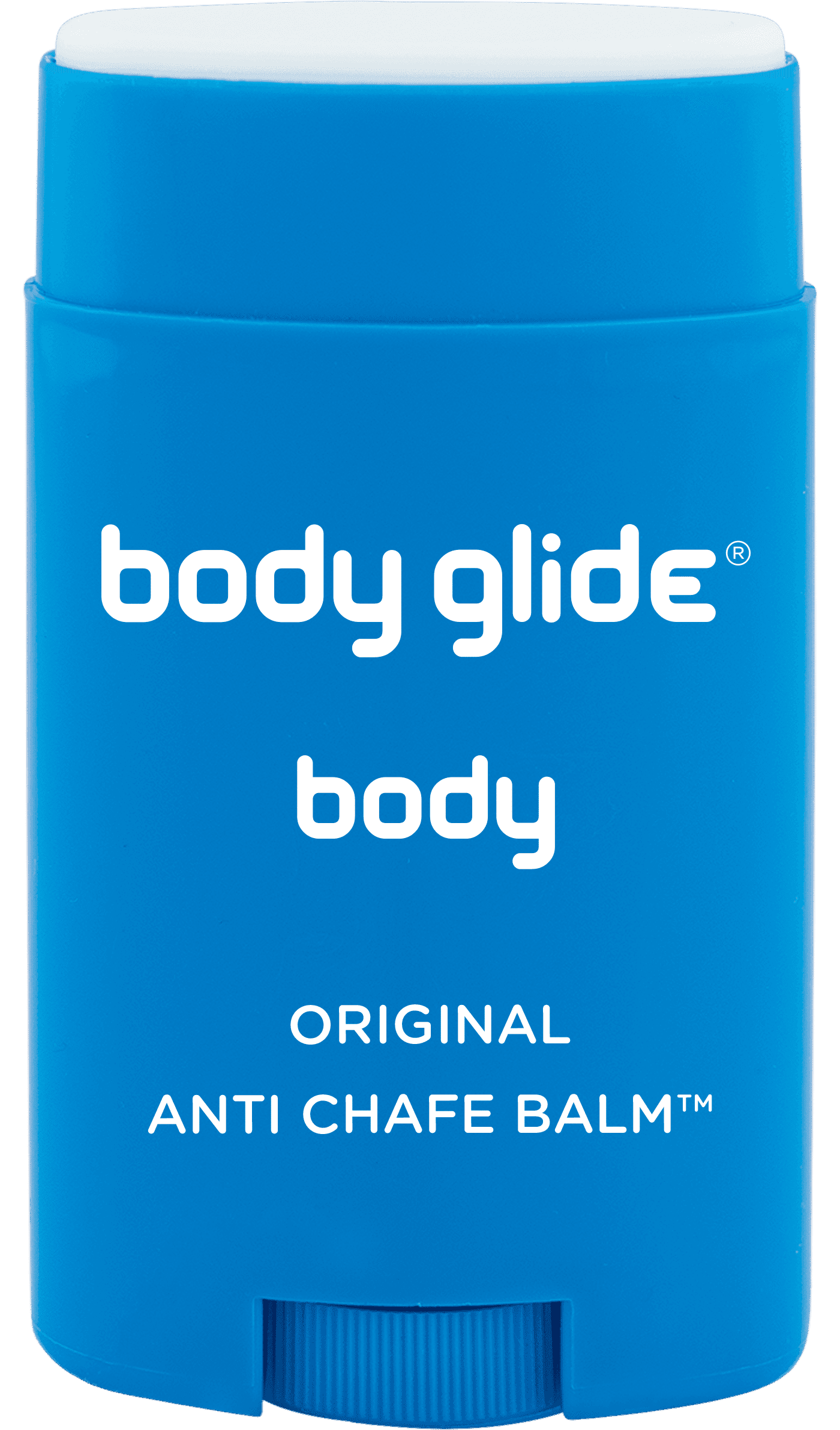
8.5 Kitletics Score
Body Glide Original Anti-Chafe Balm
Why it illustrates the category: Twist-up stick you can hit on thighs and sports-bra lines in a start corral without a bottle.
Best for
- · Weekly longs
- · Marathon start corrals
Trade-off
Some athletes still reapply after 90+ minutes; residue can bother tight lycra.
Read review →From € 12Ultra stick / tin
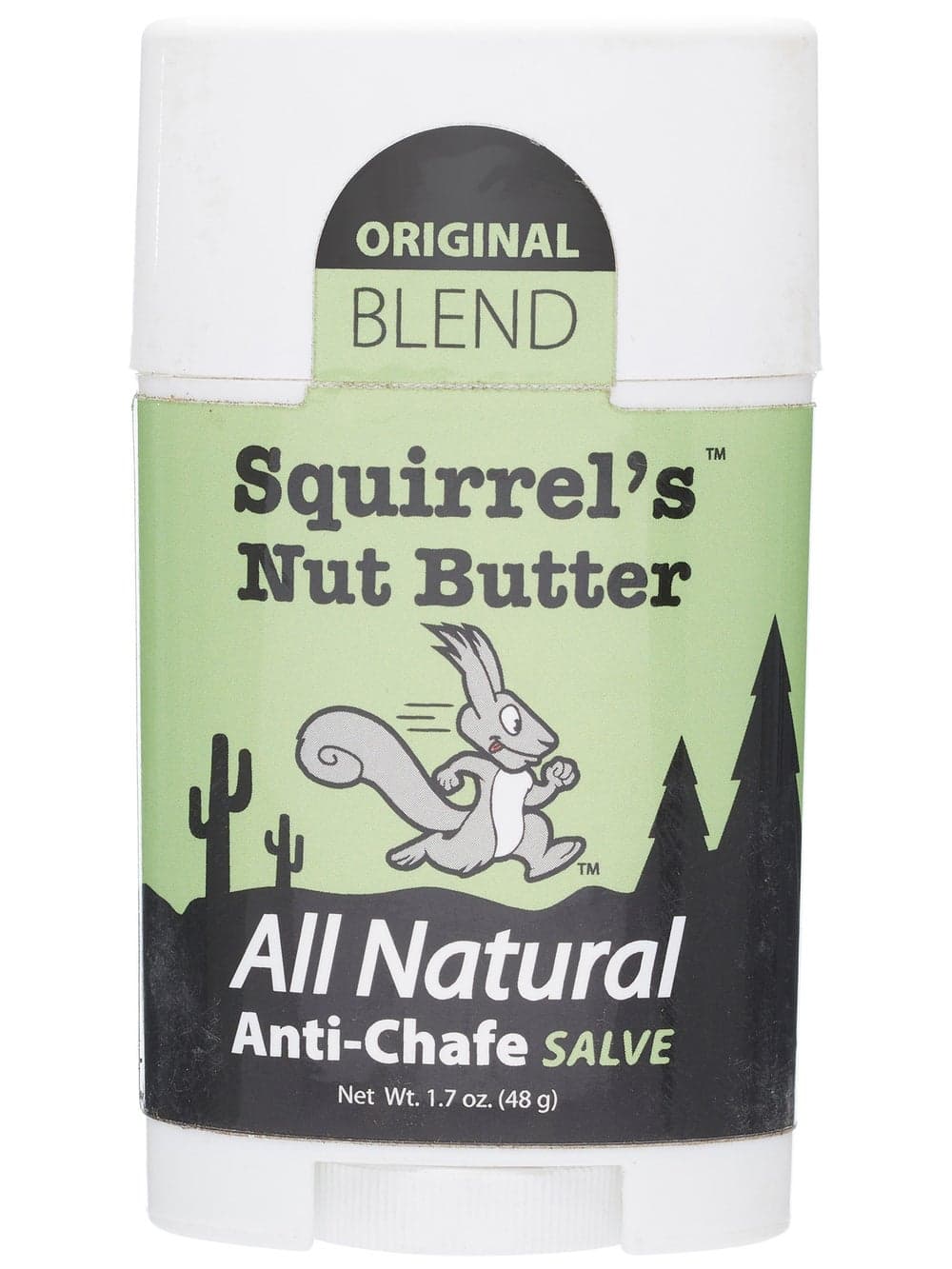
8.4 Kitletics Score
Squirrel's Nut Butter Original Anti-Chafe
Why it illustrates the category: Same balm job as Body Glide with a different texture and a tin that stashes on very long days.
Best for
- · Ultra carry
- · Second balm texture
Trade-off
Less one-tube-done than Body Glide if you only want a twist-up stick.
Read review →From € 14Race-kit roll-on
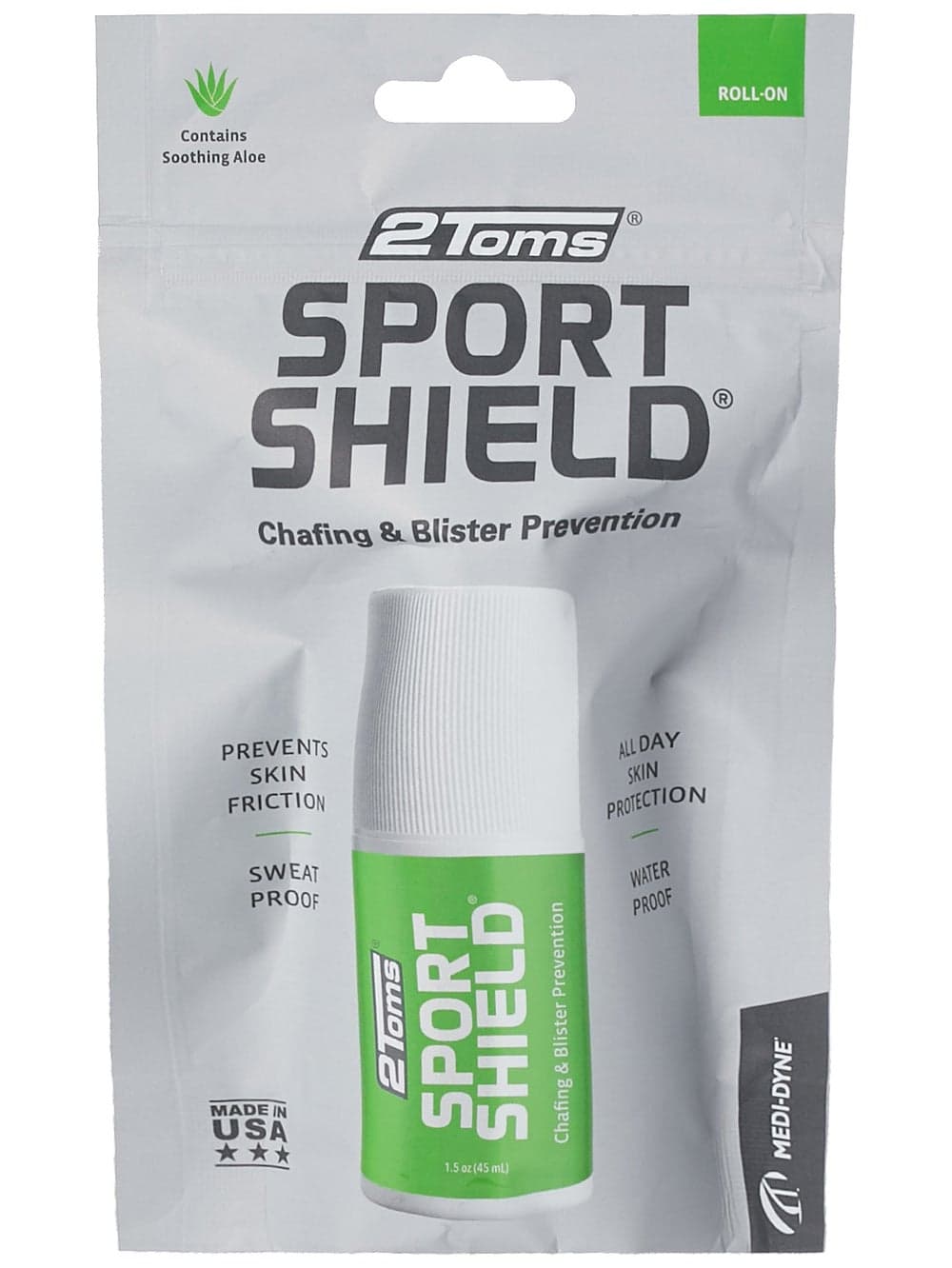
8.1 Kitletics Score
2Toms SportShield
Why it illustrates the category: Thin liquid film under seams and race lycra when stick residue feels messy.
Best for
- · Tight race kits
- · Seam rub
Trade-off
Needs dry-time; not the pocket-speed reapply pick.
Read review →From € 13
9How current options differ
| Product | Support approach | Cushion | Drop | Widths | Best use | Key trade-off |
|---|---|---|---|---|---|---|
| — | — | — | — | Default stick | Needs reapplication on very long efforts for some athletes | |
| — | — | — | — | Ultra stick / tin | Some athletes prefer stick-only Body Glide ergonomics | |
| — | — | — | — | Race-kit roll-on | Less ‘grab and go’ than a stick for some kits |
10How to decide
- 1
Name the rub
Skin-on-skin vs seam or sports-bra hardware. A full-body coating wastes product and still misses the hotspot. You will notice: You apply only where last week actually failed.
- 2
Format
Stick/tin vs roll-on bottle. Start-corral speed vs thin kit coverage. You will notice: Whether you can use it without looking, or need dry-time before dressing.
- 3
Reapplication plan
Whether the film must last past 90 minutes without a stop. Ultra kits often carry a tin or mini stick; roll-ons are a dressing-room tool. You will notice: You do not discover the format fails at kilometre 32.
11Common mistakes
First use on race morning
A new texture under a new kit is how you invent a hotspot. Trial on a mid-week long.
Buying a second balm instead of changing the short
If the liner already eats you at 8 km, a fourth brand will not save kilometre 32.
Shopping headphones on this shelf
This catalog is chafe. Audio, lights, sunglasses and belts have their own pages — use the Finder to leave.
12Frequently asked questions
- What is the quick takeaway on this topic?
- Name the exact rub before you buy a brand — thighs, sports-bra line, underarms and seams are different jobs. A twist-up stick is the race-morning default; a roll-on wins thin coverage under tight kits if you give it dry-time.
- How should I weigh name the rub?
- Skin-on-skin vs seam or sports-bra hardware. A full-body coating wastes product and still misses the hotspot. In practice: You apply only where last week actually failed.
- What mistake should I avoid?
- First use on race morning: A new texture under a new kit is how you invent a hotspot. Trial on a mid-week long.
- How do product examples help?
- Default stick illustrates this topic because Twist-up stick you can hit on thighs and sports-bra lines in a start corral without a bottle. Trade-off: Some athletes still reapply after 90+ minutes; residue can bother tight lycra.
Compare anti-chafe formats
Browse anti-chafeBody Glide
Original Anti-Chafe Balm
Default stick
8.5 Very GoodFrom € 12
View review →Squirrel's Nut Butter
Original Anti-Chafe
Ultra stick / tin
8.4 GoodFrom € 14
View review →2Toms
SportShield
Race-kit roll-on
8.1 GoodFrom € 13
View review →
How we research
This guide combines manufacturer specifications, catalog product data and independent specialist coverage. Product examples render from live catalog data and illustrate approaches — not medical or ranking claims.