The short version
- Carbon plates are typically stiffer and paired with premium foam for race-day performance.
- Nylon plates usually flex more, making them practical for tempo runs and repeat workouts.
- The plate does not create free energy; foam, geometry and plate work as one system.
- Plate material alone cannot predict whether a shoe will be faster, comfortable or stable for you.
- Most easy mileage does not require a plated shoe.
Kitletics explains footwear design, not injury treatment. A plated shoe does not diagnose, prevent or cure injury. Seek qualified clinical advice for pain or medical concerns.
Approaches in this guide
1Carbon vs nylon plates: the short answer
Both plates shape how a shoe bends. They usually serve different jobs.
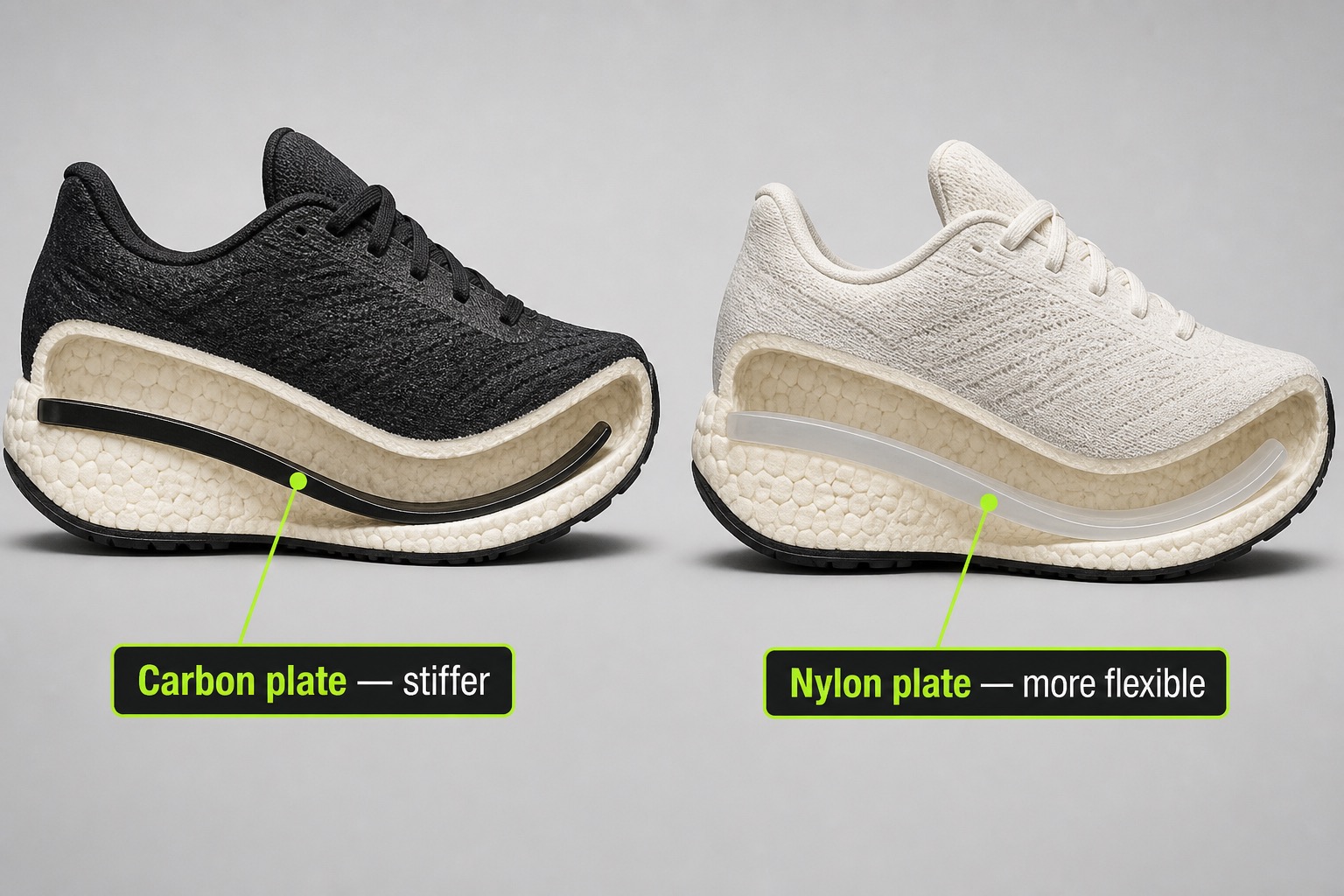
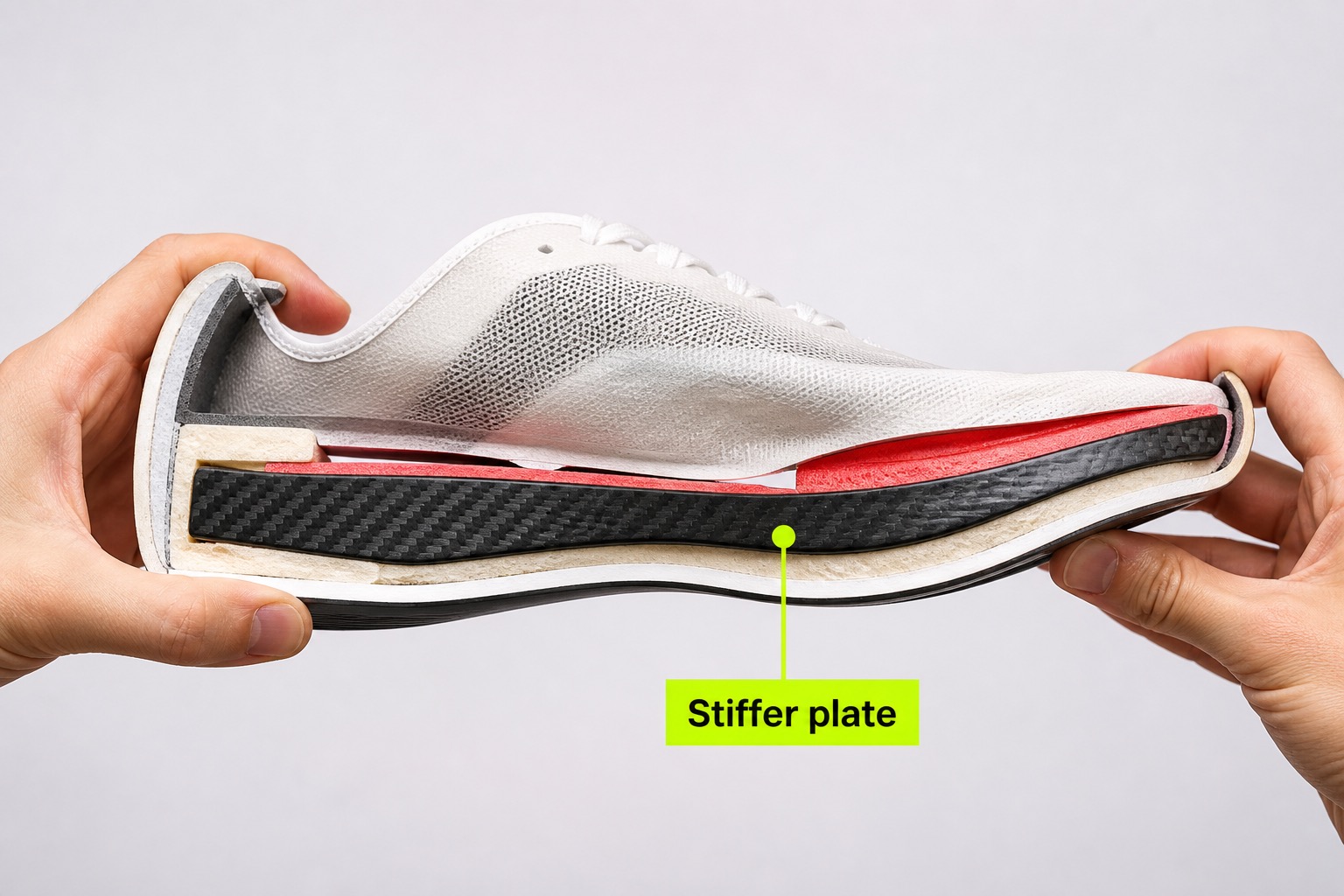
A carbon-plated running shoe typically uses a stiff carbon-fibre plate with responsive foam and aggressive geometry to make fast running more efficient. The complete system matters: the plate alone does not create the result.
A nylon-plated shoe usually bends more readily and is commonly tuned for workouts, uptempo long runs and mixed training. It can deliver structure and a rolling transition without the same stiffness, price or race-day focus as a carbon super shoe.
These are tendencies, not rules. Plate material does not tell you the whole ride. Foam, plate shape, placement, rocker, stack, outsole and fit can make two shoes with the same plate material feel very different.
2What a plate actually does
Treat the plate as one component in a tuned midsole system.
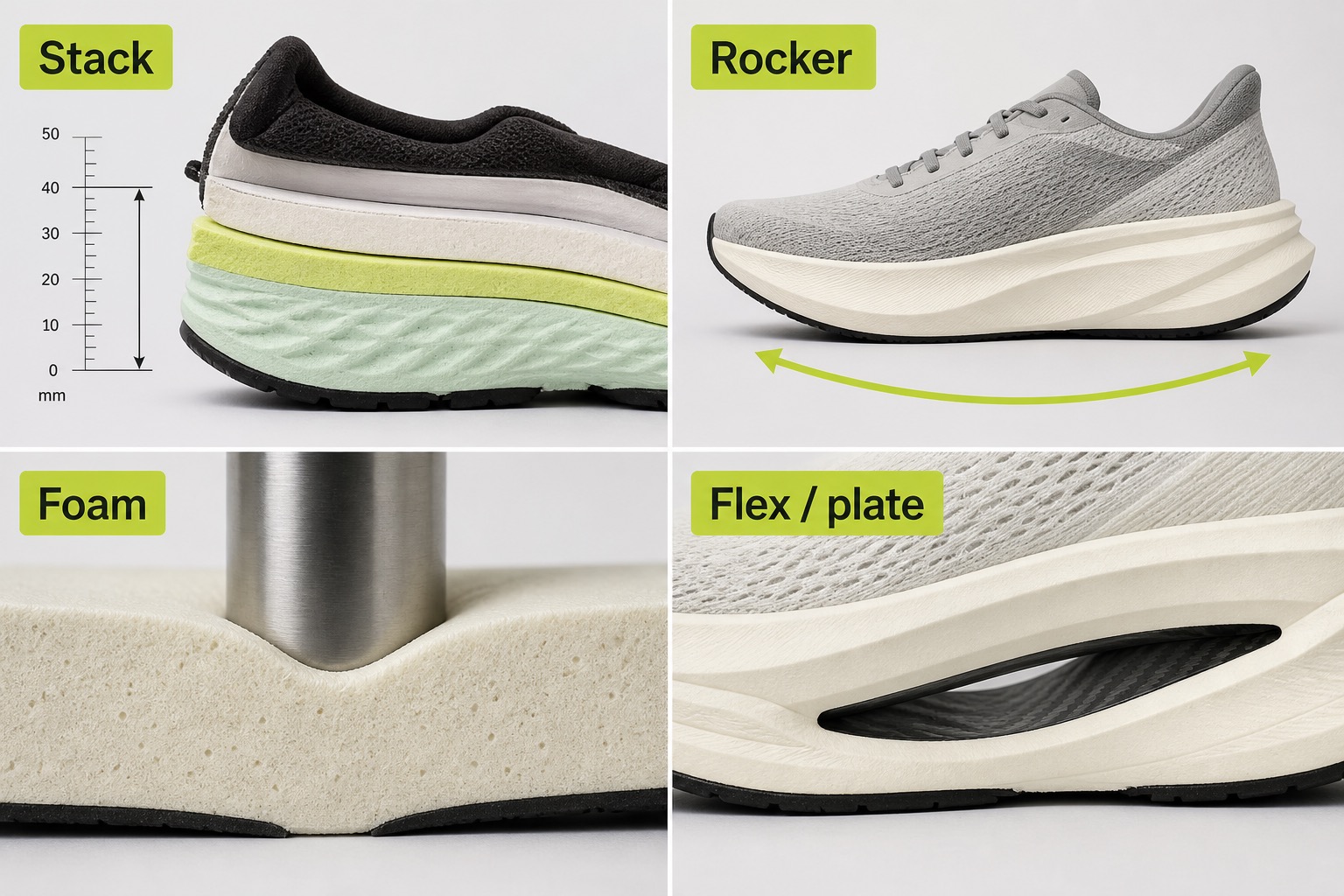
Controls bending
- What it is
- A shaped layer embedded in or between midsole foam.
- How it changes the choice
- Raises longitudinal stiffness and changes where the shoe flexes.
- What you may notice
- A more structured toe-off than an unplated, flexible trainer.
Works with the rocker
- What it is
- The plate follows a brand-specific curve inside the shoe.
- How it changes the choice
- Helps the foam and rocker move the shoe through transition as a system.
- What you may notice
- A rolling or tipping sensation that becomes more obvious at pace.
Stabilises soft foam
- What it is
- A rigid or semi-rigid element surrounded by compliant foam.
- How it changes the choice
- Adds structure so tall, soft foam deforms in a more controlled way.
- What you may notice
- A platform that can feel both cushioned and directed.
Redistributes load
- What it is
- A plate spanning a meaningful portion of the shoe.
- How it changes the choice
- Changes leverage and how forces move through the platform.
- What you may notice
- Less local flex, but potentially more demand elsewhere if the setup feels unnatural.
3What to look for in each factor
Verify carbohydrate, fluid and caffeine numbers on the label against your tested race plan — gut tolerance beats theory.
Look for
Controls bending
- A shaped layer embedded in or between midsole foam.
- Watch for: A more structured toe-off than an unplated, flexible trainer.
- Decision tip: Raises longitudinal stiffness and changes where the shoe flexes.
Look for
Works with the rocker
- The plate follows a brand-specific curve inside the shoe.
- Watch for: A rolling or tipping sensation that becomes more obvious at pace.
- Decision tip: Helps the foam and rocker move the shoe through transition as a system.
Look for
Stabilises soft foam
- A rigid or semi-rigid element surrounded by compliant foam.
- Watch for: A platform that can feel both cushioned and directed.
- Decision tip: Adds structure so tall, soft foam deforms in a more controlled way.
Look for
Redistributes load
- A plate spanning a meaningful portion of the shoe.
- Watch for: Less local flex, but potentially more demand elsewhere if the setup feels unnatural.
- Decision tip: Changes leverage and how forces move through the platform.
4Carbon and nylon plates compared
| Carbon plate | Nylon plate | |
|---|---|---|
| Typical stiffness | Higher | Moderate / more flexible |
| Typical role | Racing and fastest sessions | Tempo, workouts and versatile training |
| Ride tendency | More rigid and aggressive | More forgiving and familiar |
| Foam pairing | Often premium, highly responsive foam | Varies from premium to durable training foam |
| Durability priority | Race performance first | Training repeatability more often prioritised |
| Price tendency | Usually higher | Often lower |
Model design overrides category averages. Compare the complete shoe, not the plate label.
Look for
Carbon plate
- Typical stiffness: Higher
- Typical role: Racing and fastest sessions
- Ride tendency: More rigid and aggressive
- Foam pairing: Often premium, highly responsive foam
Look for
Nylon plate
- Typical stiffness: Moderate / more flexible
- Typical role: Tempo, workouts and versatile training
- Ride tendency: More forgiving and familiar
- Foam pairing: Varies from premium to durable training foam
5Stiffness, energy return and running economy
A plate does not generate free energy. Midsole foam stores and returns part of the energy used to compress it; the plate and geometry influence how the platform deforms and how quickly you move through toe-off.
Research on advanced racing footwear evaluates complete shoe systems, not isolated plate materials. Benefits vary by runner, pace, mechanics, shoe fit and model. A carbon shoe that is fast for one runner can feel unstable, harsh or awkward for another.
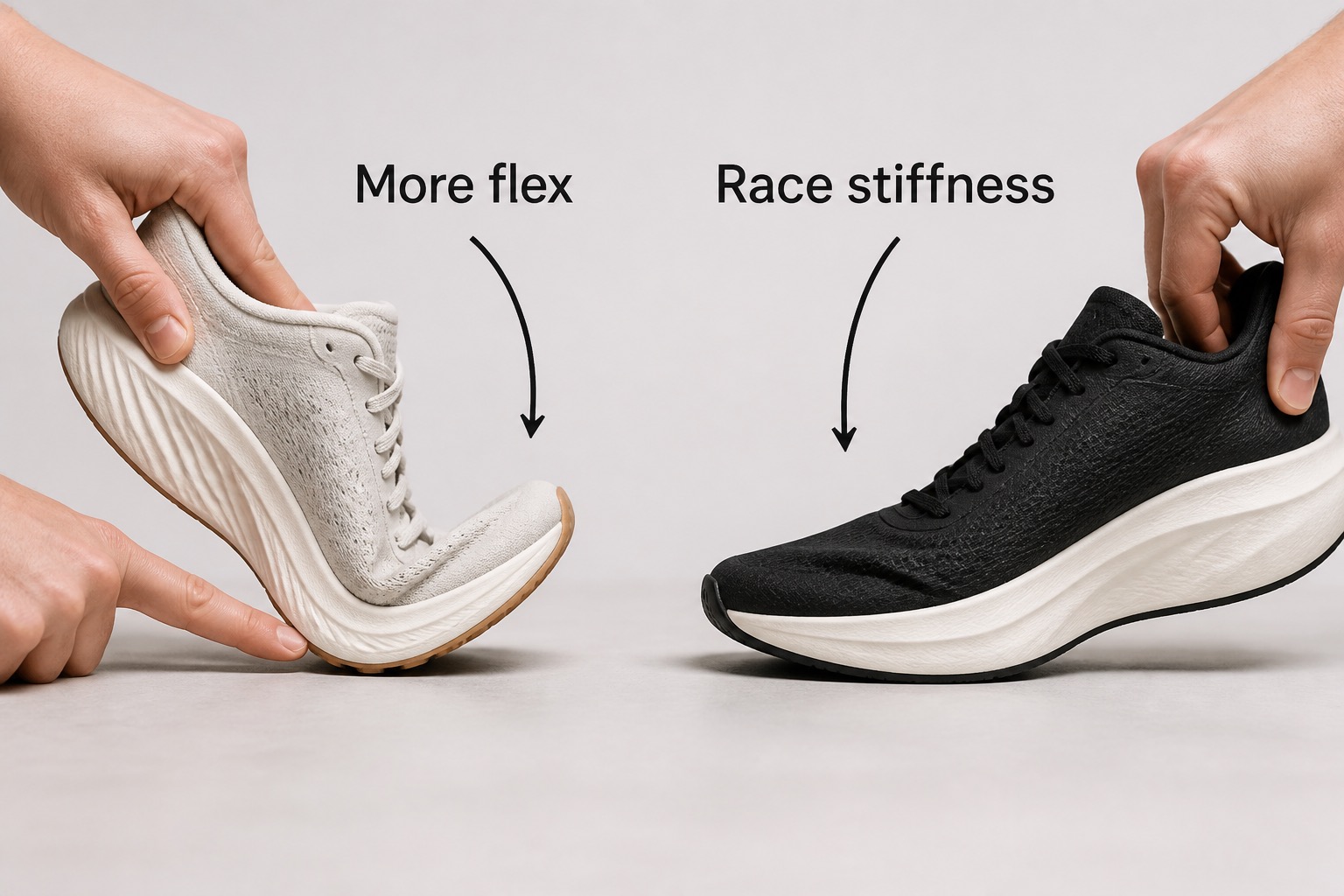
Nylon is not simply a cheaper carbon substitute. Greater flexibility can be the design goal: enough structure for a responsive transition, with a ride that is easier to train in regularly.
6Match plate type to the session
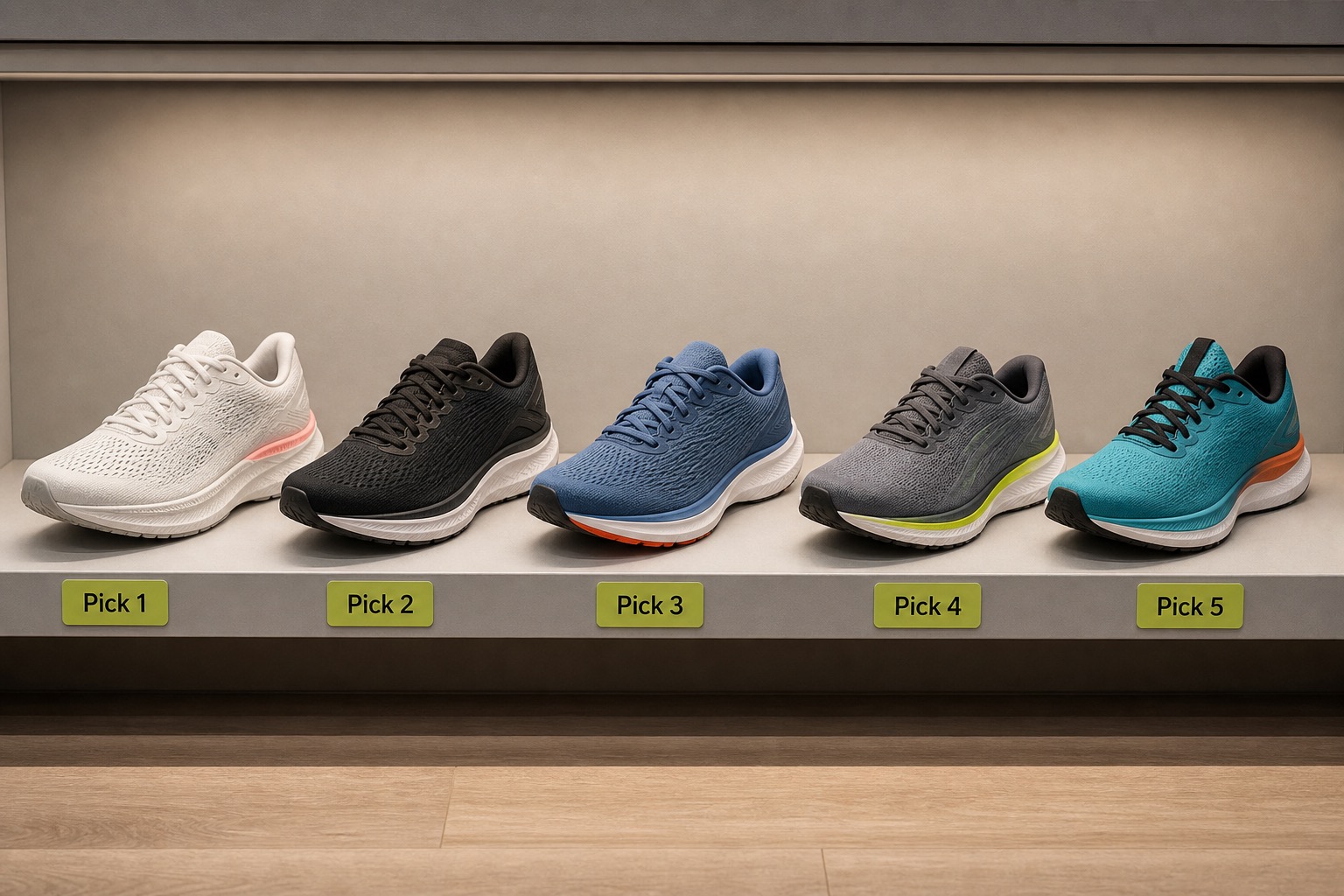
- 1
Goal race
Carbon is the usual performance-first choice when the shoe is comfortable, legal for the event and suited to your pace.
Explore → - 2
Tempo / threshold
Nylon-plated trainers often balance speed, control and durability for repeat workouts.
Explore → - 3
Intervals
Either can work. Use carbon for race-specific feel; use nylon when you want a less aggressive training tool.
- 4
Faster long run
A plated trainer can hold steady or progression pace without spending every mile in a race shoe.
Explore → - 5
Easy / recovery
Most runners are better served by a comfortable daily trainer; a plate is not required for easy mileage.
Explore →
7Who benefits from a plated shoe?
Runners chasing a race result are the clearest audience for carbon racing shoes. The useful question is not whether carbon works in general, but whether a specific shoe improves your pace-to-effort relationship without compromising fit, control or comfort.
Nylon-plated trainers suit runners who want a faster-workout shoe that remains usable across more sessions. They are also a sensible bridge for runners who find full carbon racers too rigid or unstable.
Beginners do not need to earn the right to wear plated shoes, and faster runners do not need them for every run. Try the shoe at intended pace before race day and judge the complete experience.
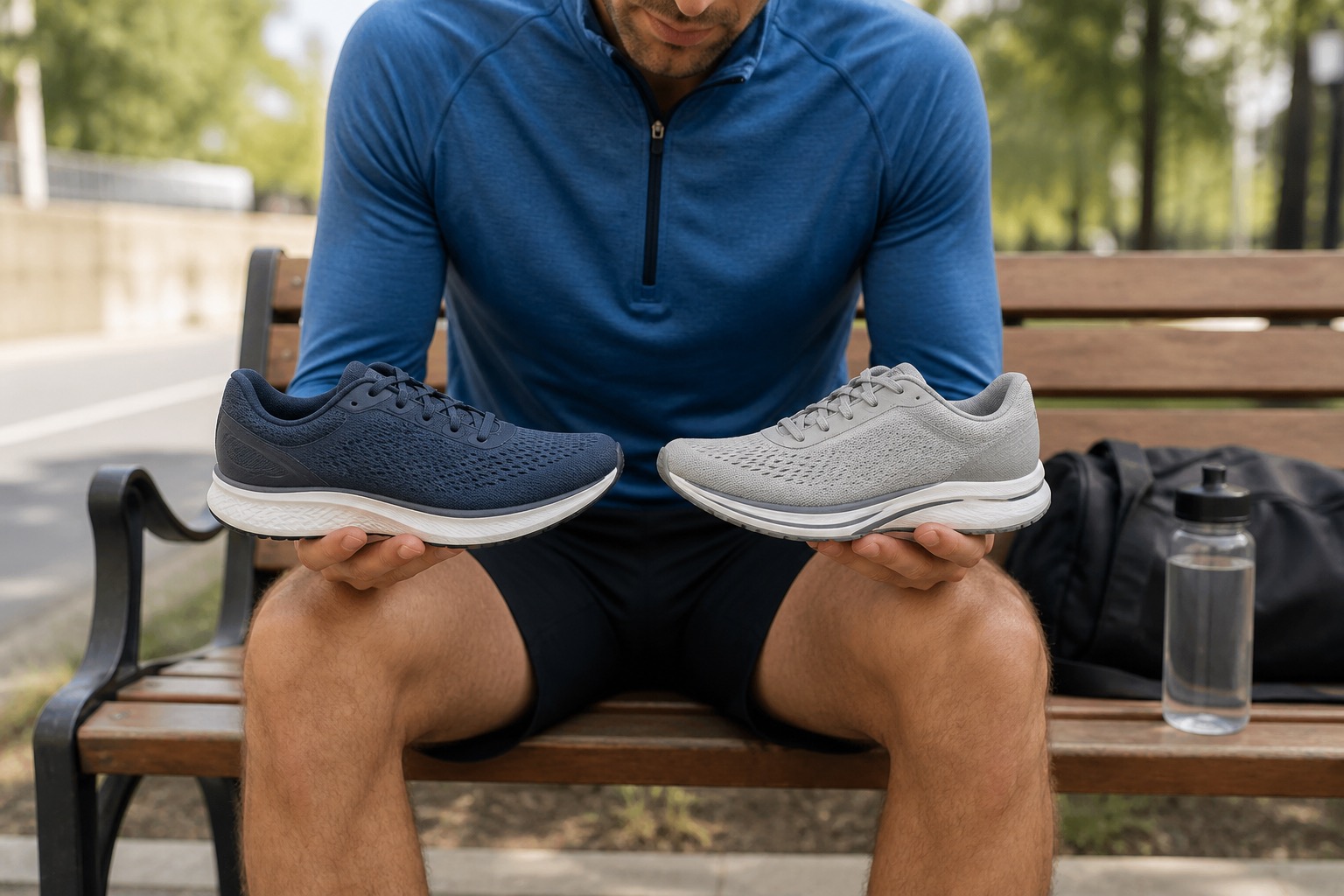
8What plated shoes add — and what they cost
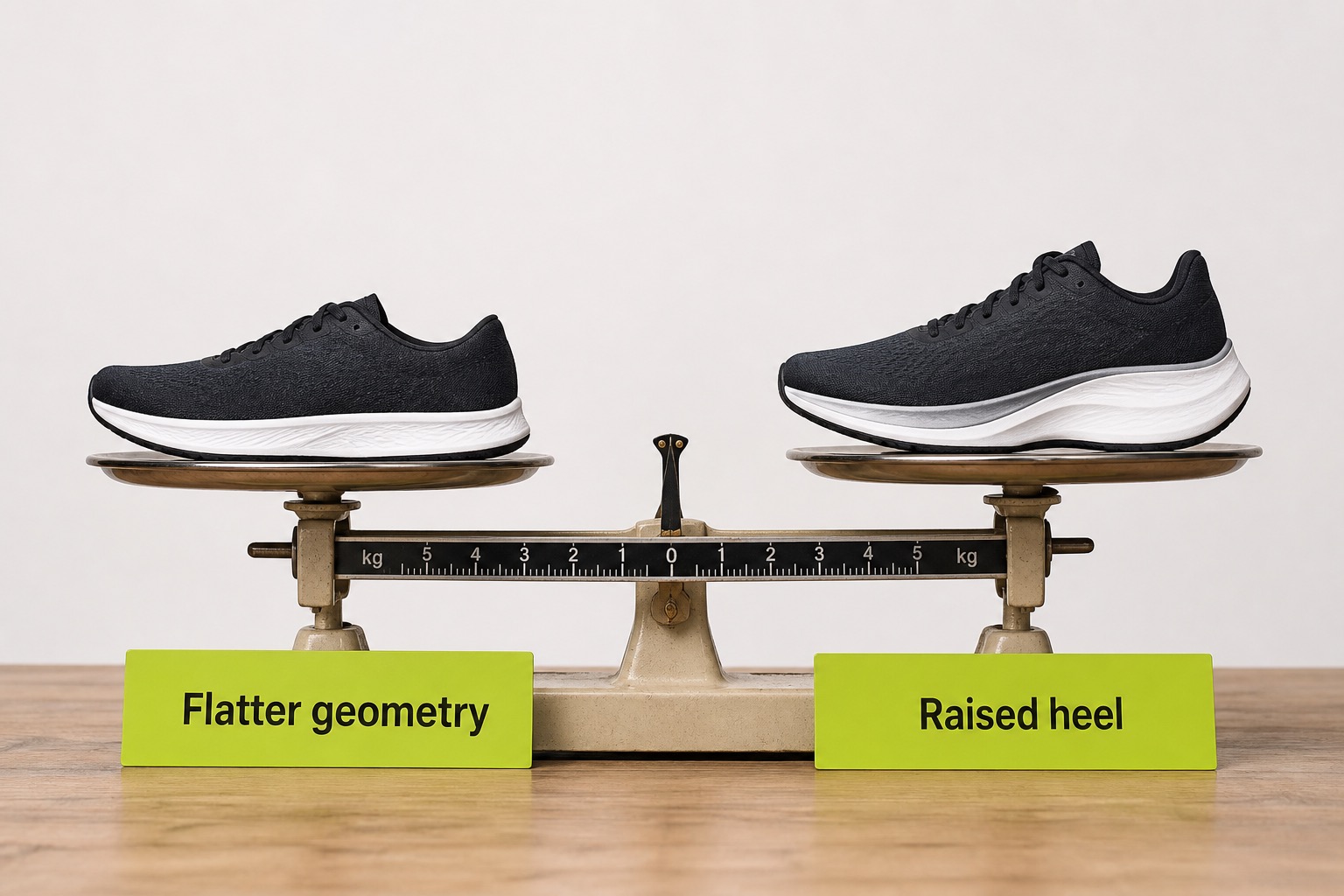
What you may gain
- · A structured, directed transition at faster paces
- · Potential running-economy benefit from the complete carbon race-shoe system
- · Soft foam with added bending control
- · Clear separation between workout/race and easy-day tools
What you may give up
- · Higher price, especially for carbon racers
- · Less flexibility and ground feel
- · Possible instability or awkwardness at slower paces
- · Performance foams and minimal outsoles may prioritise speed over lifespan
The size of every gain or trade-off depends on the runner and the specific model.
9Why choose nylon — or no plate at all?
Choose nylon when the job is repeatable faster training rather than maximum race-day efficiency. A good nylon trainer can cover tempo runs, intervals and faster long runs while feeling less demanding during warm-ups and cooldowns.
Choose an unplated shoe when flexibility, simplicity, lower cost or easy-pace comfort matters more. Modern foams and rockers can produce a lively ride without a plate.
A practical two-shoe setup is an unplated daily trainer plus a nylon workout shoe. Add a carbon racer only when racing goals and budget justify a specialised third tool.
10Common plate misconceptions
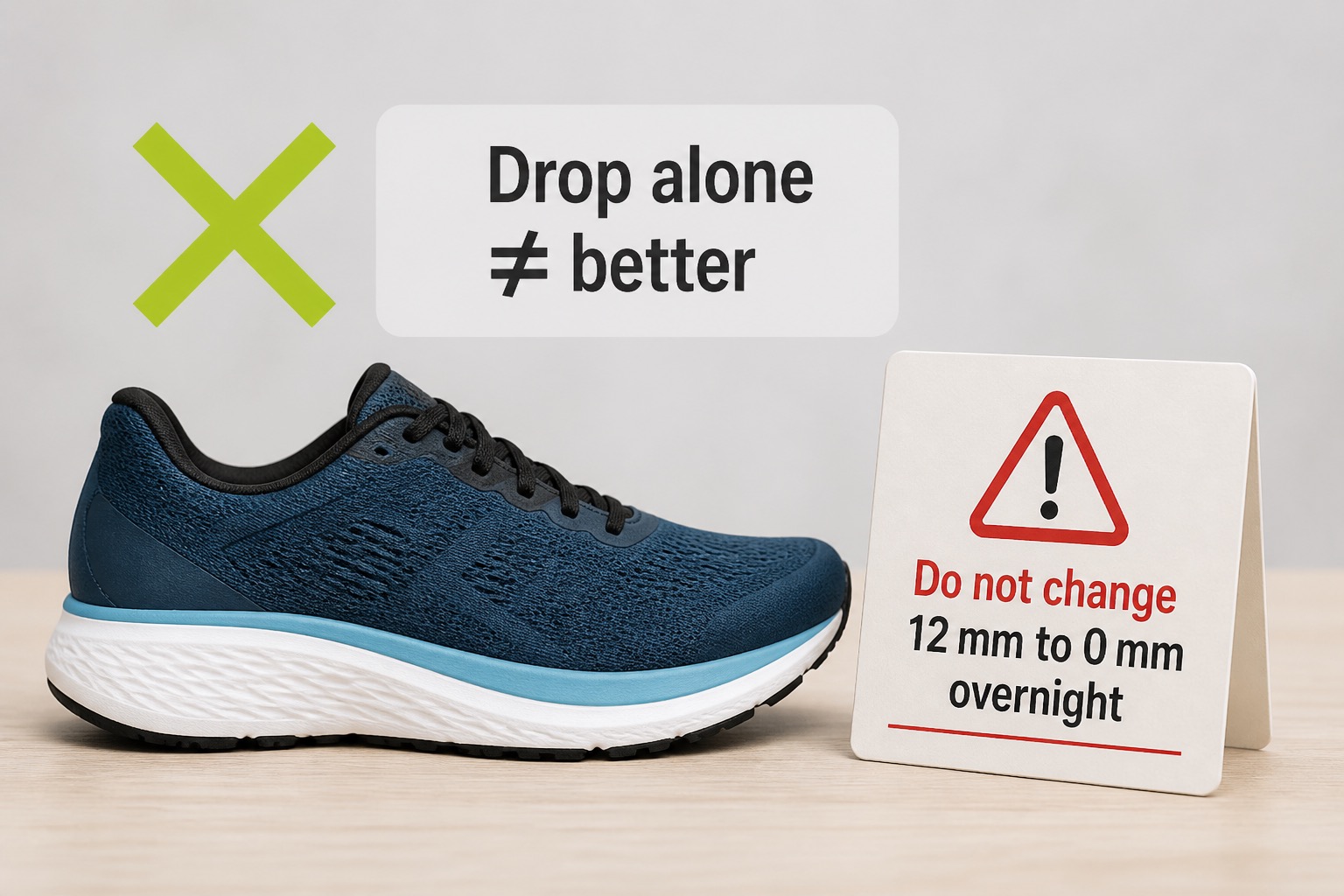
The plate is a spring
The foam, plate and geometry work together. Plate material alone does not explain energy return.
Carbon is faster for everyone
Average benefits do not guarantee a benefit in a specific model for a specific runner.
Carbon should replace a daily trainer
Race geometry can feel awkward at easy pace and is unnecessary for most routine mileage.
Nylon means low performance
Nylon is often deliberately chosen for a more flexible, training-friendly tune.
A plate prevents injury
Footwear cannot diagnose or guarantee prevention. Pain requires appropriate assessment.
All carbon shoes feel alike
Foam, plate shape, rocker, width and fit create major differences.
11Choose the right plate strategy
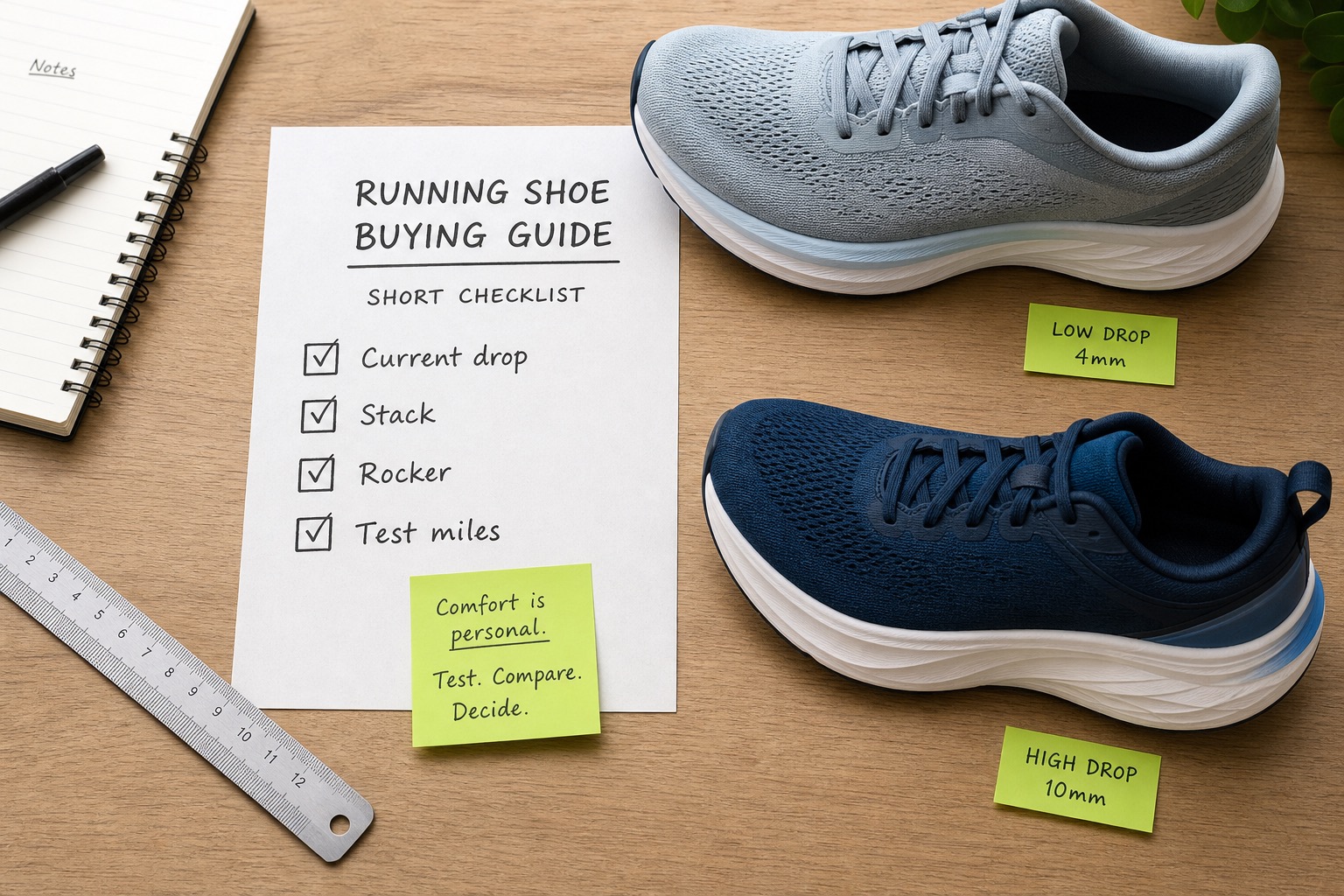
- 1
Define the job
Race-day maximum, repeatable workouts, or general daily mileage?
- 2
Test at intended pace
A race shoe should feel controlled at race pace; a workout shoe must also handle transitions between reps.
- 3
Check fit and stability
Reject heel slip, toe pressure or a platform you cannot control, regardless of plate material.
- 4
Choose stiffness by feel
Prefer carbon for an aggressive race setup, nylon for more flex, or unplated for a natural transition.
- 5
Price the role
Do not pay a race-shoe premium for a job your daily or tempo trainer already covers.
- 6
Trial before race day
Use at least one representative session to confirm comfort and pacing.
What is the primary job?
Goal racing
Start with carbon racers, then filter hard on fit, control and event legality.
Weekly speed work
Start with nylon-plated or durable plated tempo trainers.
Mostly easy miles
Start with an unplated daily trainer; a plate is optional.
12Real-world plate examples
Examples illustrate distinct roles, not a universal ranking. Product construction and availability can change by generation.
Carbon race shoe
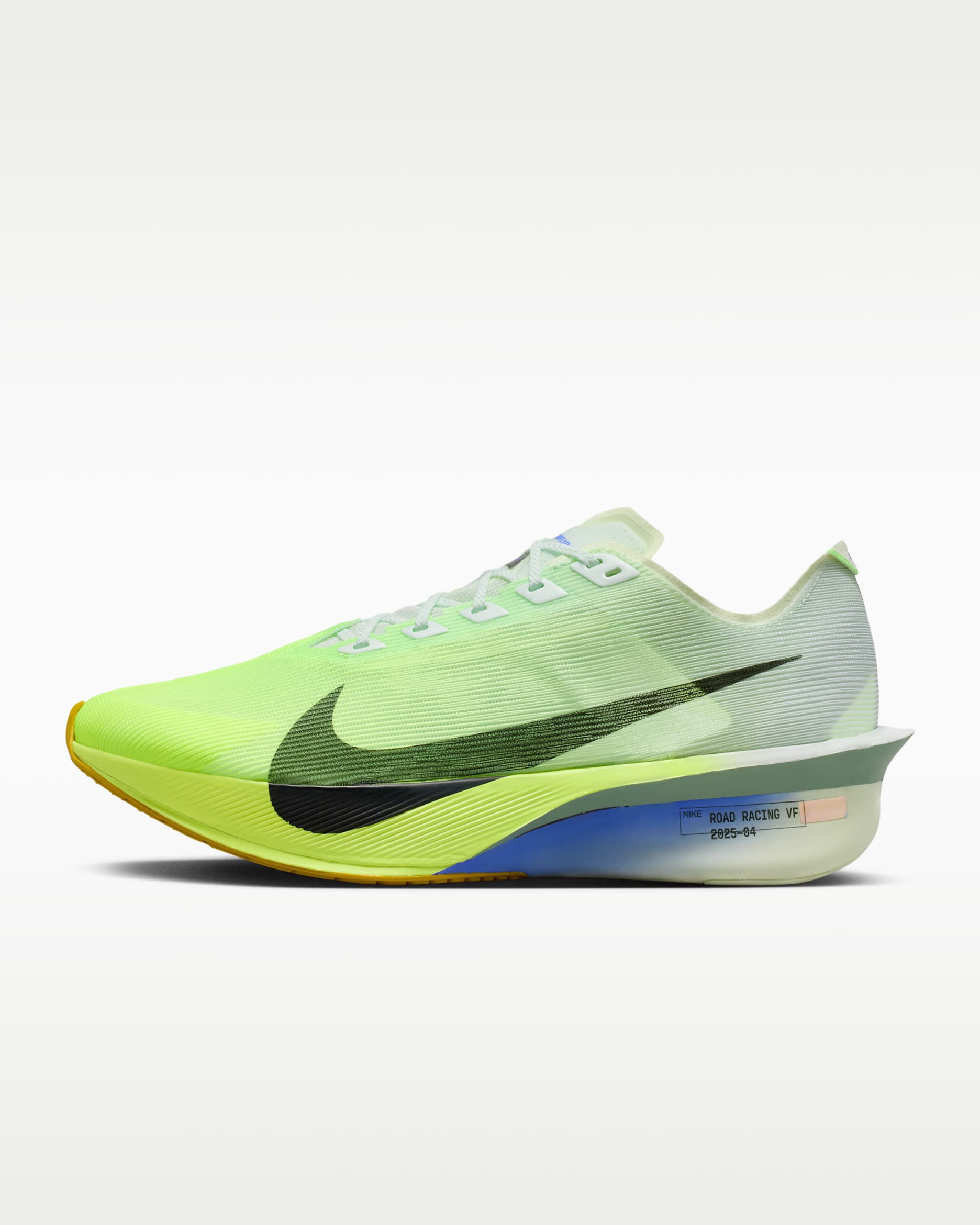
8.9 Kitletics Score
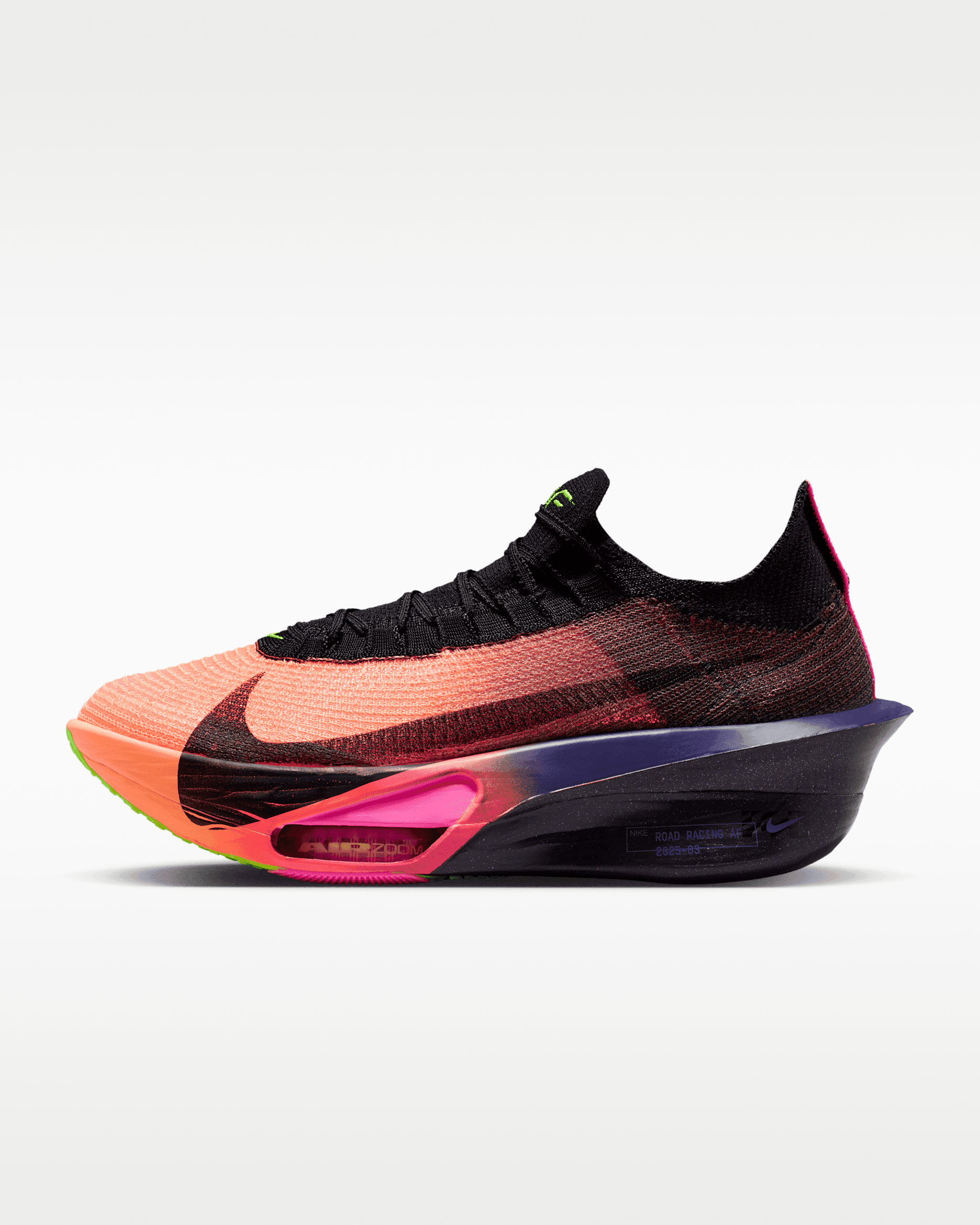
Nike Vaporfly 4
Why it illustrates the category: A specialised, lightweight carbon-plated road racer built around fast race-day use.
Best for
- · Road racing
- · Race-pace sessions
- · Runners wanting aggressive geometry
Trade-off
Specialised ride, premium price and less everyday versatility.
Read review →From € 245Nylon-plated tempo trainer
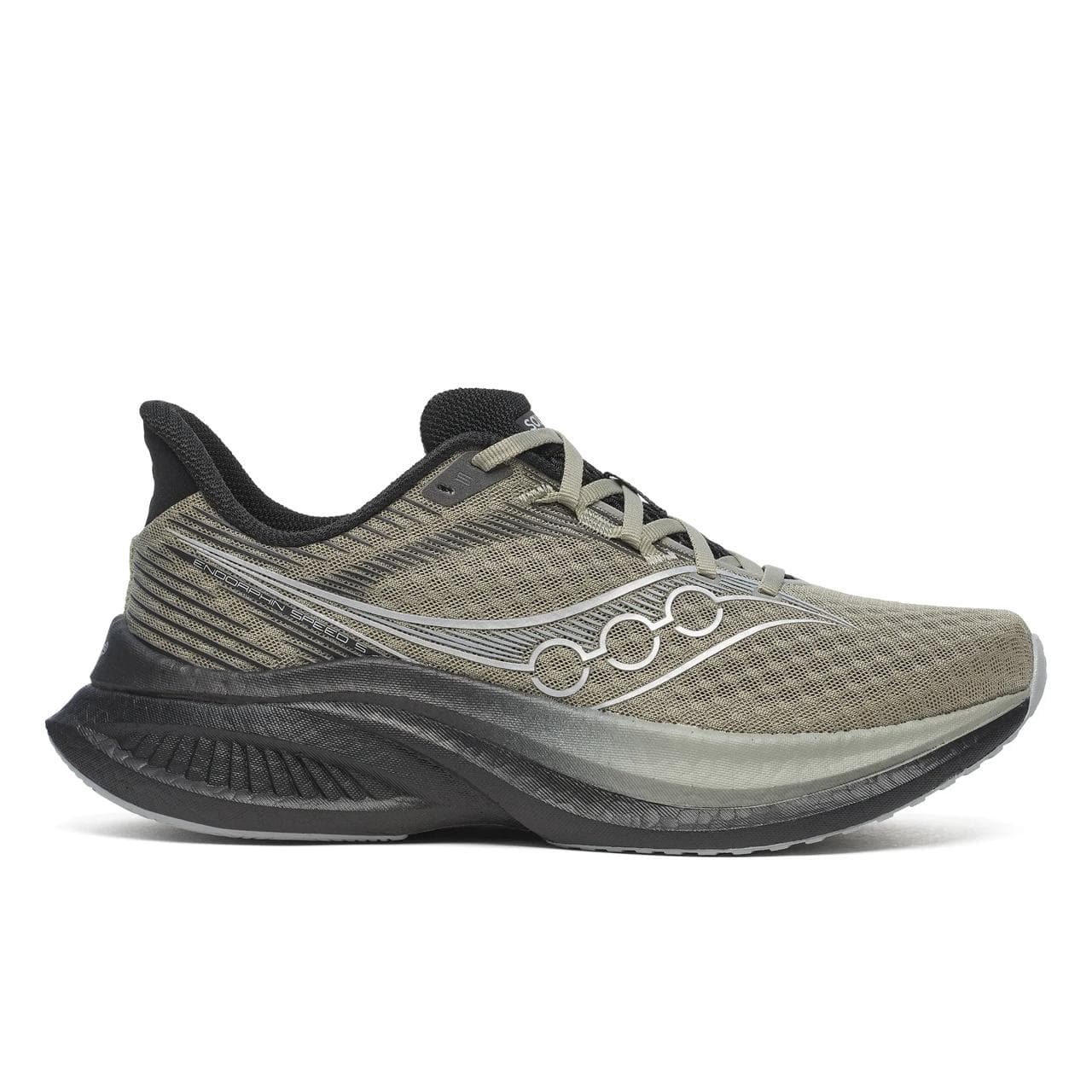
9.1 Kitletics Score
Saucony Endorphin Speed 5
Why it illustrates the category: Shows why nylon remains relevant: structured speed with a more training-friendly role.
Best for
- · Tempo runs
- · Intervals
- · Faster long runs
Trade-off
Not the same maximum-performance proposition as a dedicated carbon racer.
Read review →From € 170Unplated versatile trainer
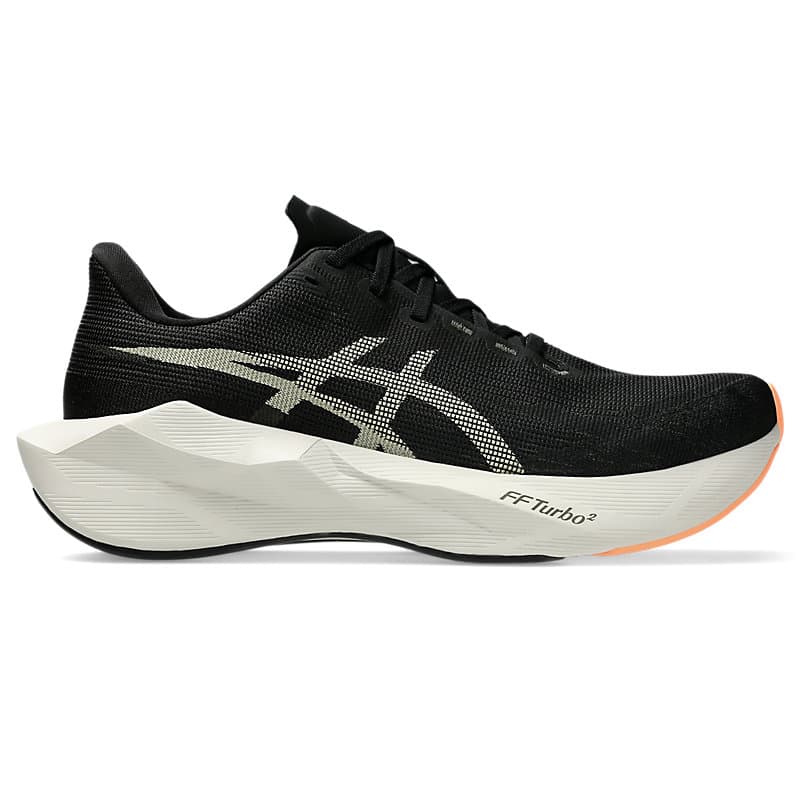
9.0 Kitletics Score
ASICS Novablast 6
Why it illustrates the category: Demonstrates that responsive foam and geometry can create an energetic daily ride without a plate.
Best for
- · Daily mileage
- · Steady running
- · One-shoe versatility
Trade-off
Less specialised for all-out racing than a carbon platform.
Read review →From € 149
13Compare race, tempo and daily approaches
| Product | Support approach | Cushion | Drop | Widths | Best use | Key trade-off |
|---|---|---|---|---|---|---|
Nike Vaporfly 4 neutral | ZoomX | high | 8 mm | standard | Carbon race shoe | Not for easy mileage |
Saucony Endorphin Speed 5 neutral | PWRRUN PB | high | 8 mm | standard | Nylon tempo trainer | Overkill for easy recovery jogs |
ASICS Novablast 6 neutral | FF BLAST MAX + FF TURBO SQUARED trampoline pod | high | 8 mm | standard, wide | Unplated daily trainer | Not a stability shoe |
14The plate buying checklist
State the role in one sentence. Set a budget. Compare full-shoe weight, foam, geometry, outsole, fit and stability — then consider plate material.
For racing, confirm event rules and practise in the shoe. For training, ask whether it remains comfortable through warm-up, reps and cooldown. If the answers are unclear, the shoe is not decision-ready.
15Frequently asked questions
- Are carbon-plated shoes only for racing?
- They are built primarily for race-day speed, but some runners use lighter plated shoes for workouts. Daily training usually favours durable trainers without a race plate.
- What does a plate do in a running shoe?
- A plate (carbon, nylon or composite) adds longitudinal stiffness and can change how force transfers through the midsole. It is one part of a system with foam and geometry.
- Is carbon always better than nylon?
- Carbon plates are typically stiffer and more race-oriented. Nylon or composite plates can feel more forgiving for workouts or everyday speed. Better depends on the session and your tolerance for stiffness.
- Can I train every day in a carbon-plated shoe?
- Most runners should not. Race plates are built for speed sessions and race day. Daily volume usually belongs in durable trainers that recover better between easy miles.
- Do plates prevent injury?
- No. Plates change stiffness and ride character. They are not protective medical devices. Seek clinical advice for pain or injury concerns.
- Who benefits most from a carbon plate?
- Runners who race at paces where they can use the stiffness, have enough training volume, and accept a less forgiving daily-training ride. Beginners often get more value from a strong daily trainer first.
Compare plated and unplated approaches
Browse running shoes →Nike
Vaporfly 4
Carbon race shoe
8.9 Very GoodFrom € 245
View review →Saucony
Endorphin Speed 5
Nylon tempo trainer
9.1 ExcellentFrom € 170
View review →ASICS
Novablast 6
Unplated daily trainer
9.0 ExcellentFrom € 149
View review →
Head-to-head comparisons
Continue the decision with focused head-to-heads — who should choose which, and the trade-offs that matter.
How we research
This guide separates established mechanical principles from category tendencies. Product roles use current Kitletics catalog data and manufacturer construction details; prices and comparison specifications render from live product data.