The short version
- Roll slowly with tolerable pressure — pain is not the goal.
- Larger muscles suit standard rollers; smaller tools help targeted spots.
- Density changes how aggressive the same motion feels.
- Consistency beats marathon rolling sessions.
- Rolling is not treatment for acute injuries.
Foam rolling is a self-care practice, not medical treatment. Seek care for injuries or unusual pain.
Approaches in this guide
1What foam rolling is for
Foam rolling uses body weight over a cylinder or ball to apply pressure to soft tissue. Runners use it around training for comfort and routine.
Tools vary in density, diameter and texture. Harder is not automatically better — intolerable pressure ends the habit.
Pair rolling with the rest of recovery: sleep, easy days and sensible training load.
2Why this decision matters
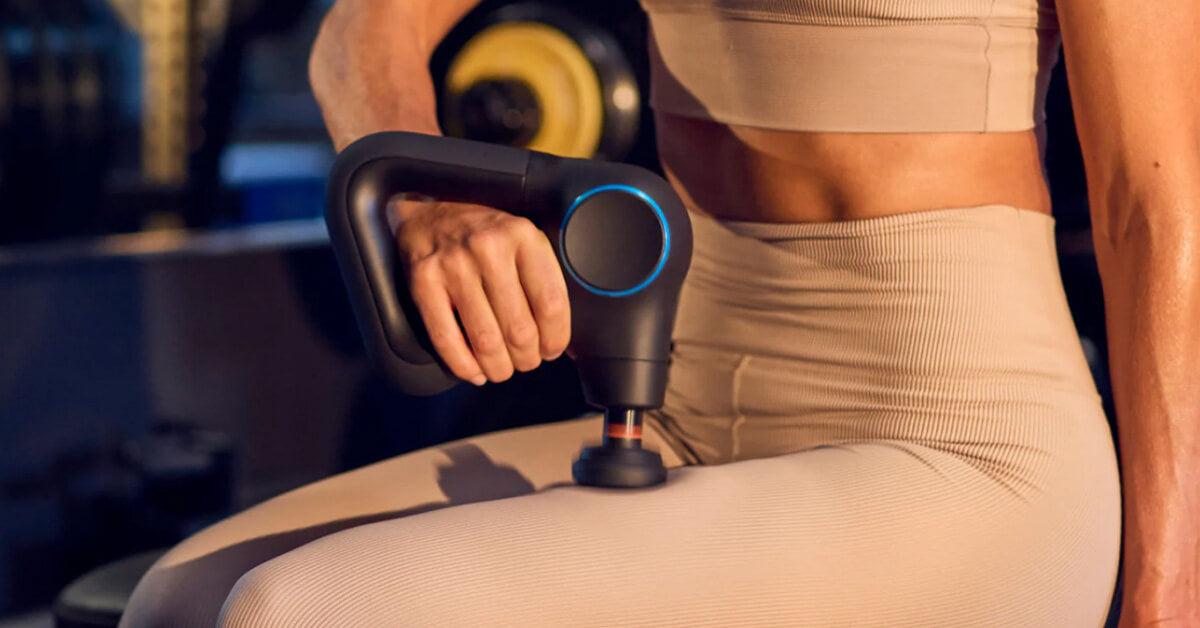
Use a roller for short, tolerable passes on large muscle groups — density and shape should match the areas you actually roll.
Recovery tools fail when they replace sleep or become a ritual that eats training time. Prefer short, tolerable routines you will repeat; this is not clinical treatment advice.
3Choose a roller with these filters
Density
- What it is
- How firm the foam feels.
- How it changes the choice
- Firmer tools feel more intense at the same body weight.
- What you may notice
- Whether you can finish short sessions consistently.
Size and shape
- What it is
- Length, diameter, balls vs rollers.
- How it changes the choice
- Small tools reach differently than long rollers.
- What you may notice
- Coverage for calves, quads, glutes and back.
Storage
- What it is
- Home space and travel.
- How it changes the choice
- Bulky rollers get left unused.
- What you may notice
- A tool that stays in the routine.
Session length
- What it is
- Minutes you will actually spend.
- How it changes the choice
- Overlong protocols fail adherence.
- What you may notice
- Short passes you repeat after hard days.
4What to look for in each factor
Check each recovery factor against comfort, session length and what you will actually use after hard runs — not against clinic marketing claims.
Look for
Density
- How firm the foam feels.
- Watch for: Whether you can finish short sessions consistently.
- Decision tip: Firmer tools feel more intense at the same body weight.
Look for
Size and shape
- Length, diameter, balls vs rollers.
- Watch for: Coverage for calves, quads, glutes and back.
- Decision tip: Small tools reach differently than long rollers.
Look for
Storage
- Home space and travel.
- Watch for: A tool that stays in the routine.
- Decision tip: Bulky rollers get left unused.
Look for
Session length
- Minutes you will actually spend.
- Watch for: Short passes you repeat after hard days.
- Decision tip: Overlong protocols fail adherence.
5Compare approaches at a glance
Option
Standard roller
Best for
Home routines
Main trade-off
Bulkier to travel with.
Option
Massage ball
Best for
Targeted work
Main trade-off
Slower for large muscle groups.
| Standard roller | Massage ball | Percussion alternative | |
|---|---|---|---|
| Best for | Home routines | Targeted work | Travel |
| Main trade-off | Bulkier to travel with. | Slower for large muscle groups. | Different stimulus than rolling. |
Examples illustrate approaches — not a universal ranking.
Look for
Standard roller
- Best for: Home routines
- Main trade-off: Bulkier to travel with.
Look for
Massage ball
- Best for: Targeted work
- Main trade-off: Slower for large muscle groups.
6What you gain and give up
What you may gain
- · Standard roller: useful when Home routines
- · Massage ball: useful when Targeted work
- · Percussion alternative: useful when Travel
What you may give up
- · Bulkier to travel with.
- · Slower for large muscle groups.
- · Different stimulus than rolling.
Trade-offs are model- and runner-dependent — verify fit and use case.
7Next step after you shortlist
Use the shortlist after one hard session and one long run. Note whether you actually used the tool and whether comfort changed enough to keep the habit.
If the routine dies within a week, choose the simpler option you will repeat — consistency beats amplitude claims.
8Rolling tools runners actually use
Illustrative tools — not a rehab protocol.
Standard roller
8.2 Kitletics Score
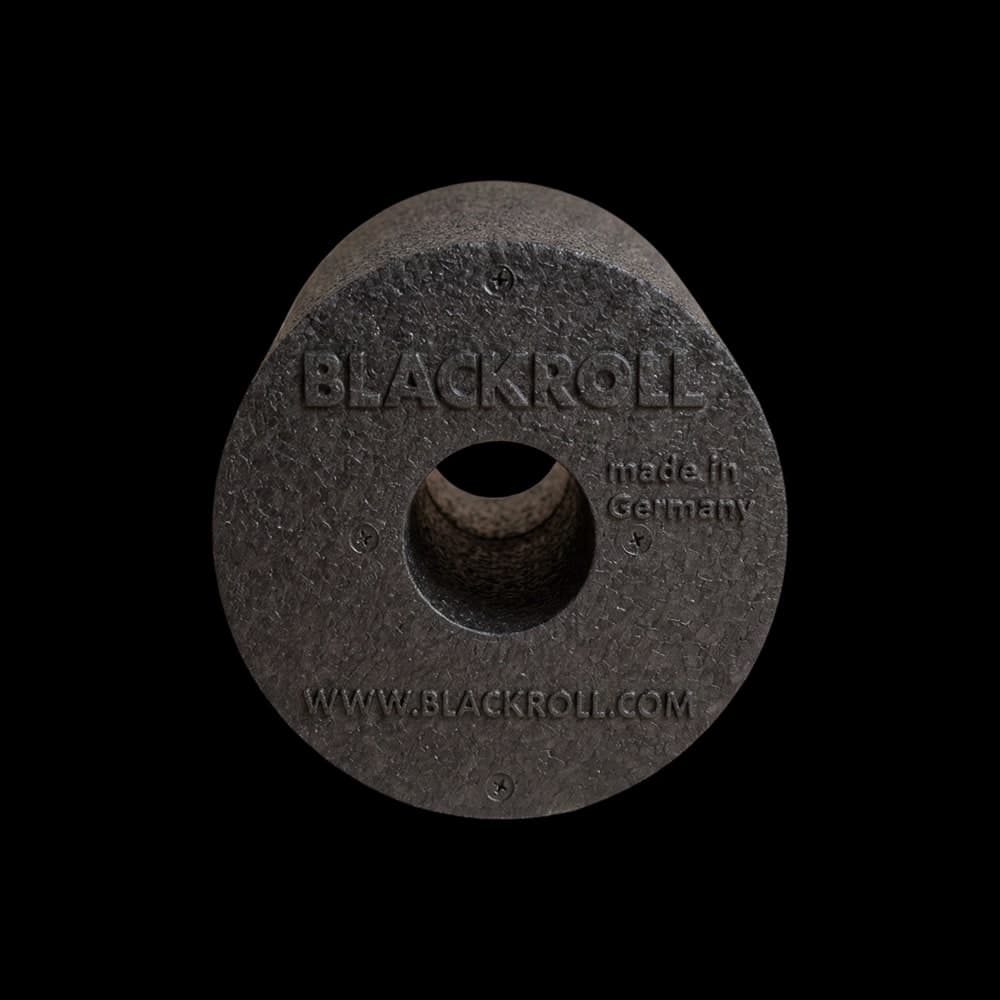
BLACKROLL BLACKROLL STANDARD
Why it illustrates the category: Everyday length for quads, calves and back.
Best for
- · Home routines
Trade-off
Bulkier to travel with.
View product →From € 30Massage ball
8.1 Kitletics Score
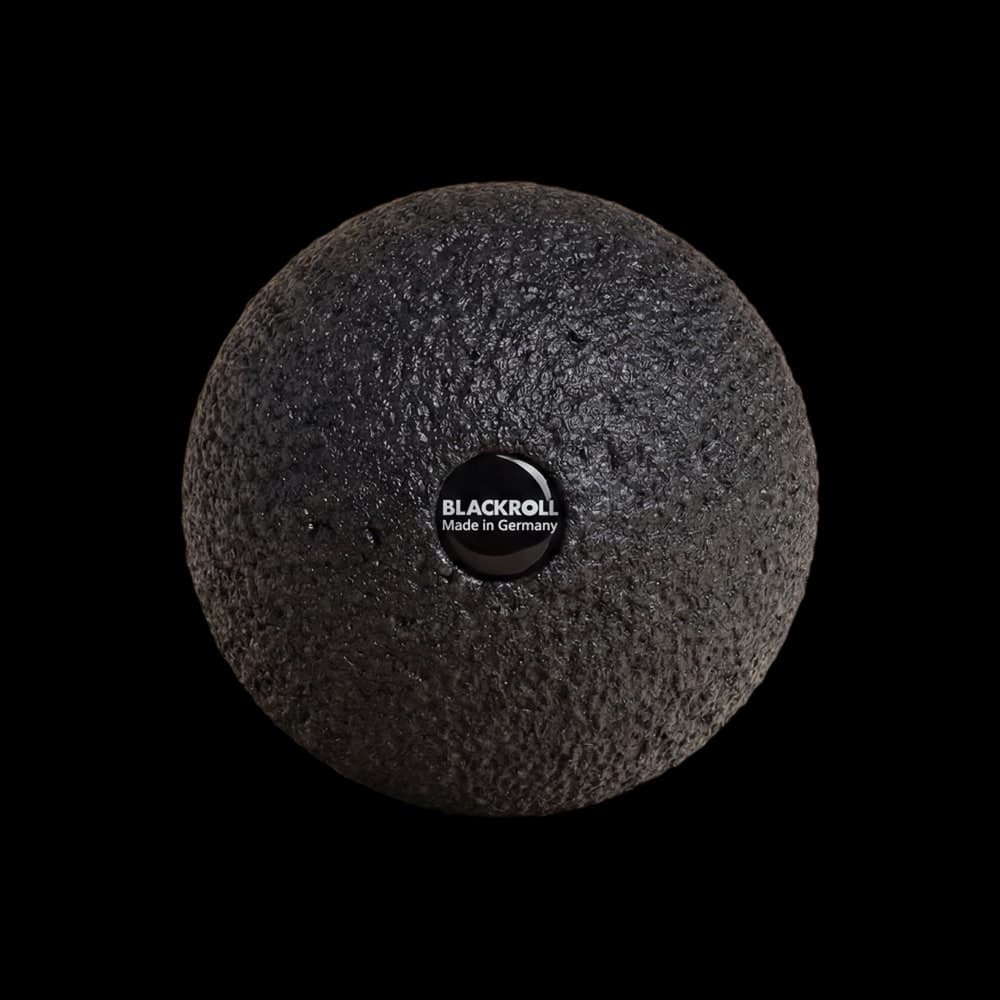
BLACKROLL BLACKROLL BALL
Why it illustrates the category: Smaller contact for glutes and targeted spots.
Best for
- · Targeted work
Trade-off
Slower for large muscle groups.
View product →From € 15Percussion alternative
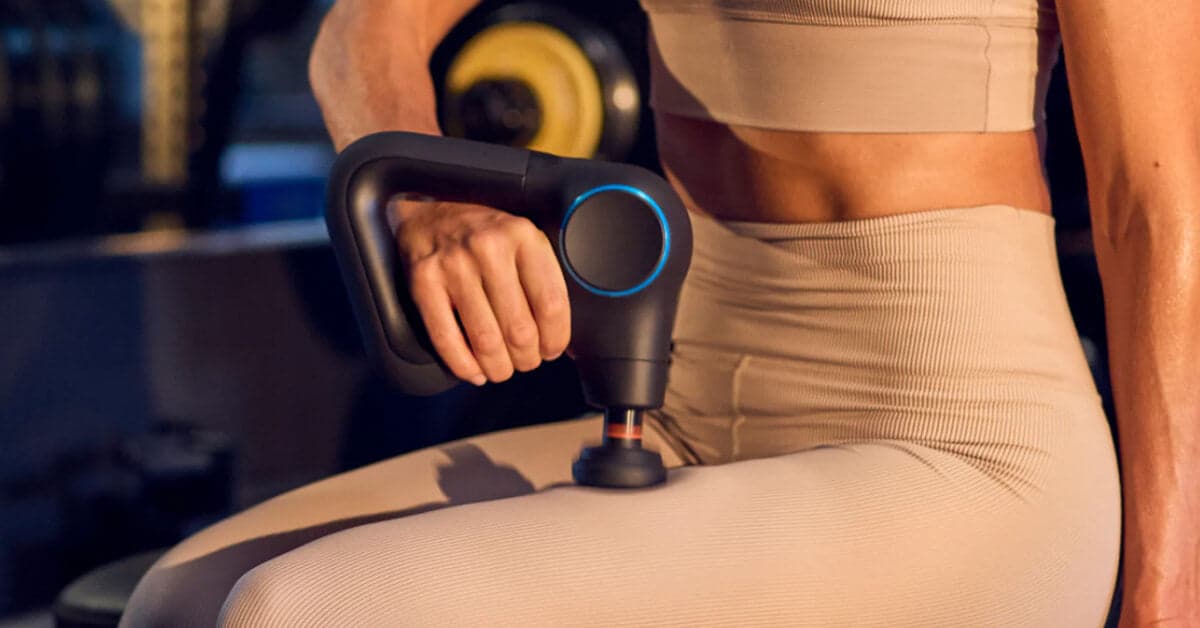
7.8 Kitletics Score
Therabody Theragun mini
Why it illustrates the category: When you want short targeted work without floor space.
Best for
- · Travel
Trade-off
Different stimulus than rolling.
Read review →From € 199
9How current options differ
| Product | Support approach | Cushion | Drop | Widths | Best use | Key trade-off |
|---|---|---|---|---|---|---|
| — | — | — | — | Standard roller | Basic vs percussion devices | |
| — | — | — | — | Massage ball | Not a full-body roller substitute | |
| — | — | — | — | Percussion option | Less power than full-size guns |
10How to decide
- 1
Density
How firm the foam feels. Firmer tools feel more intense at the same body weight. You will notice: Whether you can finish short sessions consistently.
- 2
Size and shape
Length, diameter, balls vs rollers. Small tools reach differently than long rollers. You will notice: Coverage for calves, quads, glutes and back.
- 3
Storage
Home space and travel. Bulky rollers get left unused. You will notice: A tool that stays in the routine.
- 4
Session length
Minutes you will actually spend. Overlong protocols fail adherence. You will notice: Short passes you repeat after hard days.
11Common mistakes
Rolling into sharp pain
Ease off; sharp pain is a stop signal.
Hour-long sessions
Short consistent passes beat occasional marathons.
Rolling acute injuries
Get injuries assessed instead of self-treating with pressure tools.
12Frequently asked questions
- What is the quick takeaway on this topic?
- Roll slowly with tolerable pressure — pain is not the goal. Larger muscles suit standard rollers; smaller tools help targeted spots.
- How should I weigh density?
- How firm the foam feels. Firmer tools feel more intense at the same body weight. In practice: Whether you can finish short sessions consistently.
- What mistake should I avoid?
- Rolling into sharp pain: Ease off; sharp pain is a stop signal.
- How do product examples help?
- Standard roller illustrates this topic because Everyday length for quads, calves and back. Trade-off: Bulkier to travel with.
Foam rolling toolkit
BLACKROLL
BLACKROLL STANDARD
Standard roller
8.2 GoodFrom € 30
View product →BLACKROLL
BLACKROLL BALL
Massage ball
8.1 GoodFrom € 15
View product →Therabody
Theragun mini
Percussion option
7.8 SolidFrom € 199
View review →
Head-to-head comparisons
Continue the decision with focused head-to-heads — who should choose which, and the trade-offs that matter.
How we research
This guide combines manufacturer specifications, catalog product data and independent specialist coverage. Product examples render from live catalog data and illustrate approaches — not medical or ranking claims.