The short version
- Round/soft frames usually forgive developing contact better than stiff diamonds.
- Weight and balance decide whether you can prepare the bandeja on time.
- Carbon K-count is not a quality ladder — core and mass distribution matter more.
- Demo when you can; buy the frame you can place repeatedly, not the pro’s smash tool.
Approaches in this guide
1What a padel racket decision really is
You are matching geometry and response to how you already play — not copying a World Padel Tour bag.
A padel racket is a foam-cored face with a shape (round, hybrid, diamond) that moves the sweet spot and balance. Glass and carbon faces change how the ball leaves the racket, but they do not create technique.
Beginners and intermediates usually lose more points to late preparation and off-centre hits than to a lack of peak smash speed. That is why accessible handling often beats a stiff attacking diamond early.
Treat catalog examples as role illustrations. Confirm the exact model generation, weight range and whether you can return or demo before locking in.
2Why forgiveness usually compounds faster
Points are won with repeated, on-time contact at the glass and net. A frame you can position under fatigue supports better decisions than one that only rewards perfect timing.
Overgrips, shoe grip and foam faces still interact. Judge the racket as part of the court system you actually play with — not as an isolated lab object.
36 factors that should drive the choice
Use these as connected filters for this guide’s job — not a generic equipment checklist.
Player level
- What it is
- Current consistency and how often you miss the sweet zone.
- How it changes the choice
- Improving players can graduate shapes; jumping early often stalls confidence.
- What you may notice
- Whether you still trust the frame after a long third set.
Shape and sweet spot
- What it is
- Round vs hybrid vs diamond sweet-spot placement.
- How it changes the choice
- Higher sweet spots reward attacking play but punish late preparation.
- What you may notice
- How often mishits still produce a usable ball.
Weight and balance
- What it is
- Static weight and head-light vs head-heavy feel.
- How it changes the choice
- Heavier or head-heavy frames stabilise pace but slow recovery between balls.
- What you may notice
- Arm fatigue on the non-dominant shoulder after overheads.
Core and face feel
- What it is
- Soft vs firm core/face response on blocks and viboras.
- How it changes the choice
- Firmer faces can feel lively and less kind on mishits.
- What you may notice
- Comfort on soft blocks at the glass.
Playing style
- What it is
- Attacking vs counterpunch preferences.
- How it changes the choice
- Style should follow your real point patterns, not Instagram highlights.
- What you may notice
- Whether you default to defence or finishers in matches.
Budget
- What it is
- Street price versus a frame you will actually use twice a week.
- How it changes the choice
- Budget matters after the role is clear — not before.
- What you may notice
- Whether price anxiety makes you overprotect a fragile choice.
4What to look for in each factor
Match shape, weight and handle feel to your current level — demo if you can, and ignore pro-player specs that fight your swing.
Look for
Player level
- Current consistency and how often you miss the sweet zone.
- Watch for: Whether you still trust the frame after a long third set.
- Decision tip: Improving players can graduate shapes; jumping early often stalls confidence.
Look for
Shape and sweet spot
- Round vs hybrid vs diamond sweet-spot placement.
- Watch for: How often mishits still produce a usable ball.
- Decision tip: Higher sweet spots reward attacking play but punish late preparation.
Look for
Weight and balance
- Static weight and head-light vs head-heavy feel.
- Watch for: Arm fatigue on the non-dominant shoulder after overheads.
- Decision tip: Heavier or head-heavy frames stabilise pace but slow recovery between balls.
Look for
Core and face feel
- Soft vs firm core/face response on blocks and viboras.
- Watch for: Comfort on soft blocks at the glass.
- Decision tip: Firmer faces can feel lively and less kind on mishits.
5Forgiving control frame vs Power-focused frame
Option
Forgiving control frame
Sweet spot
Lower/centred, more margin
Preparation
Easier to get into position
Best stage
Learning & consolidating
Option
Power-focused frame
Sweet spot
Higher, more finishing reward
Preparation
Needs earlier footwork
Best stage
Clear attacking identity
| Forgiving control frame | Power-focused frame | Choose based on | |
|---|---|---|---|
| Sweet spot | Lower/centred, more margin | Higher, more finishing reward | Your mishit rate this month |
| Preparation | Easier to get into position | Needs earlier footwork | Your average recovery time |
| Best stage | Learning & consolidating | Clear attacking identity | The problem you must solve now |
Category tendencies are starting points, not guarantees of individual feel.
Look for
Forgiving control frame
- Sweet spot: Lower/centred, more margin
- Preparation: Easier to get into position
- Best stage: Learning & consolidating
Look for
Power-focused frame
- Sweet spot: Higher, more finishing reward
- Preparation: Needs earlier footwork
- Best stage: Clear attacking identity
6What you gain — and give up
What you may gain
- · More usable mishits
- · Faster preparation
- · Confidence under pressure
- · A frame matched to today
What you may give up
- · Some peak smash authority
- · Pro-style diamond prestige
- · Ultra-stiff face feedback
- · The urge to copy a sponsor bag
Progression can justify a more demanding frame later — not on day one.
74 approaches for this decision
These products demonstrate distinct roles rather than a ranking. Verify current specifications and availability.
Beginner round
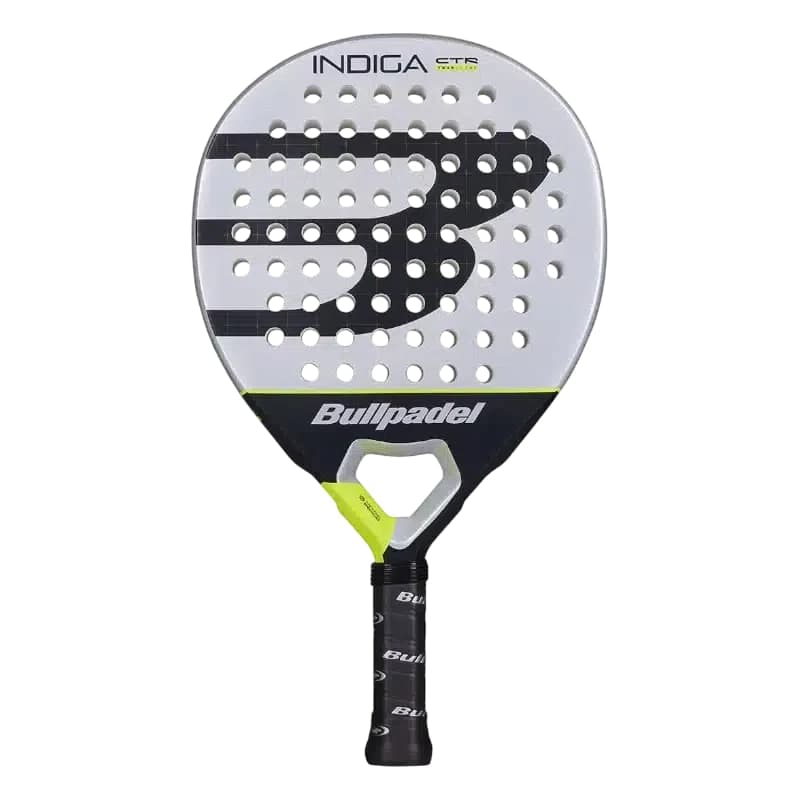
Bullpadel Indiga CTR
Why this example works: Indiga CTR is the clearest published beginner round job in catalog — SoftEva, low balance, centred contact.
Best for
- · Player level
- · Forgiving control frame
Trade-off
Less peak smash authority than flagship diamonds.
Classic control cup
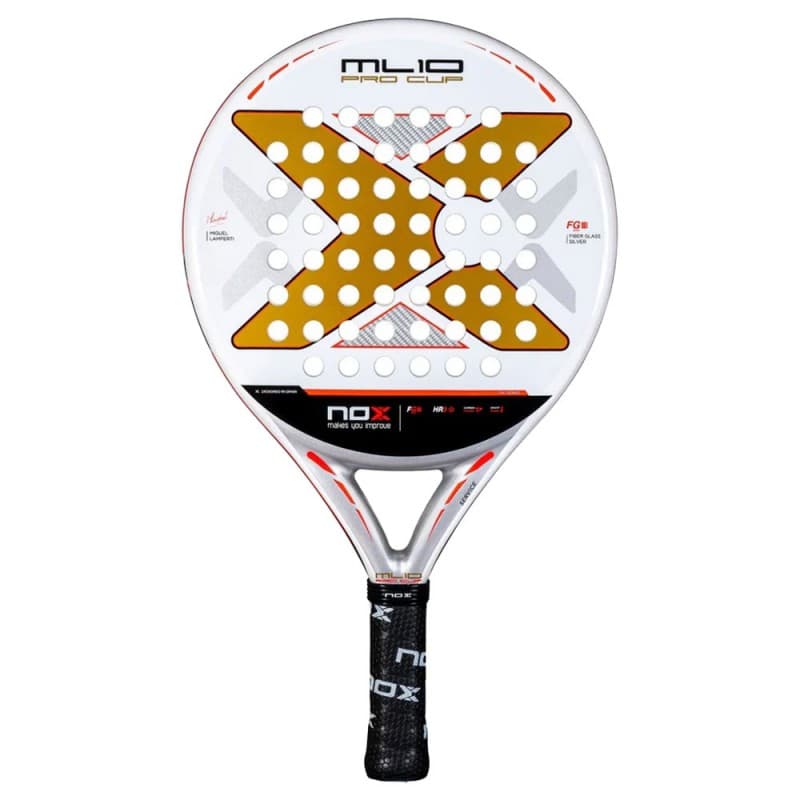
Nox ML10 Pro Cup
Why this example works: ML10 Pro Cup illustrates classic control-cup geometry for players who place more than they smash.
Best for
- · Shape and sweet spot
- · Power-focused frame
Trade-off
Less finishing reward than modern attack molds.
Read review →From € 179All-court hybrid/diamond
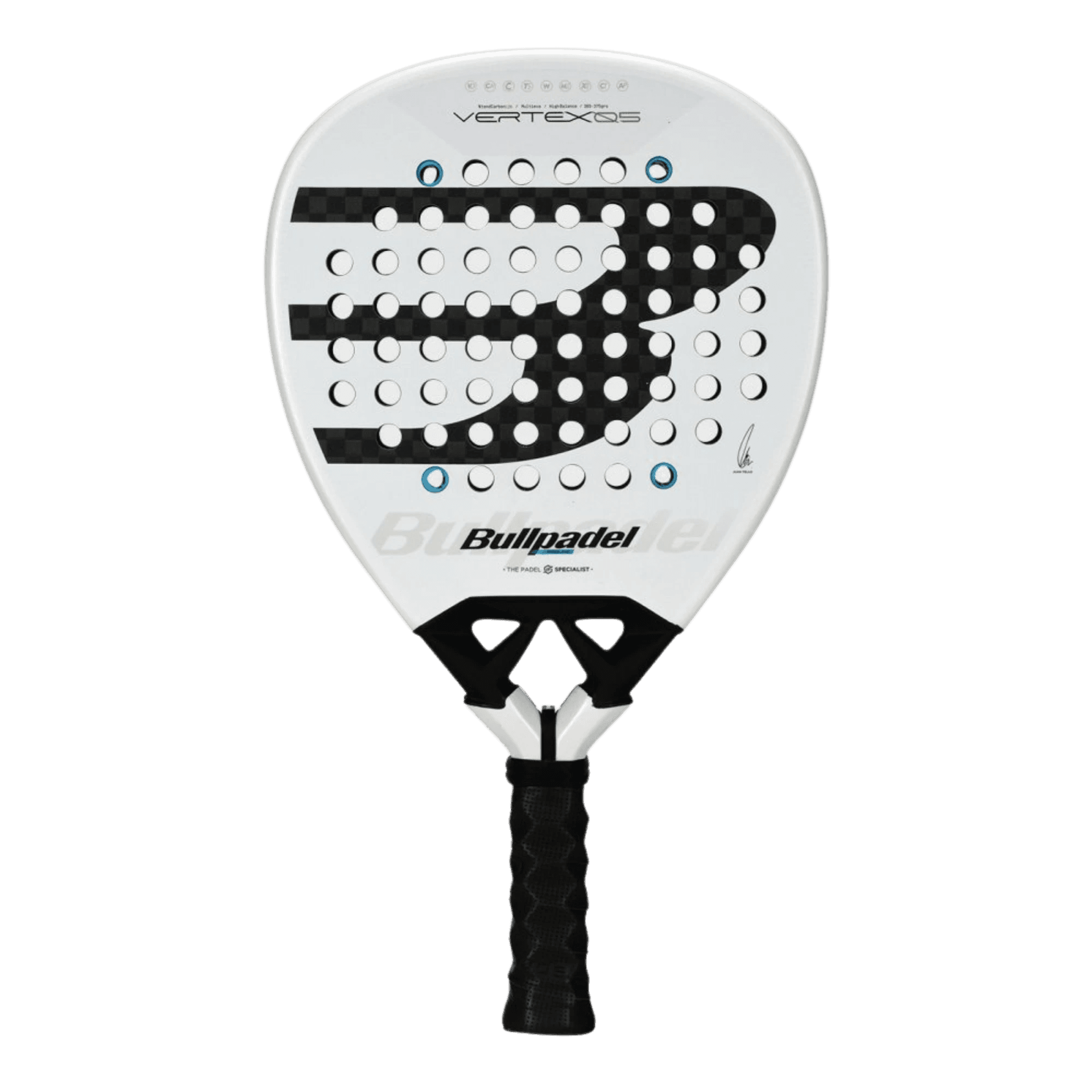
Bullpadel Vertex 05
Why this example works: Vertex 05 shows a current all-court flagship role without pretending every player needs Hack head weight.
Best for
- · Weight and balance
- · Forgiving control frame
Trade-off
More demanding than soft rounds if contact is still inconsistent.
Read review →From € 319Attacking diamond
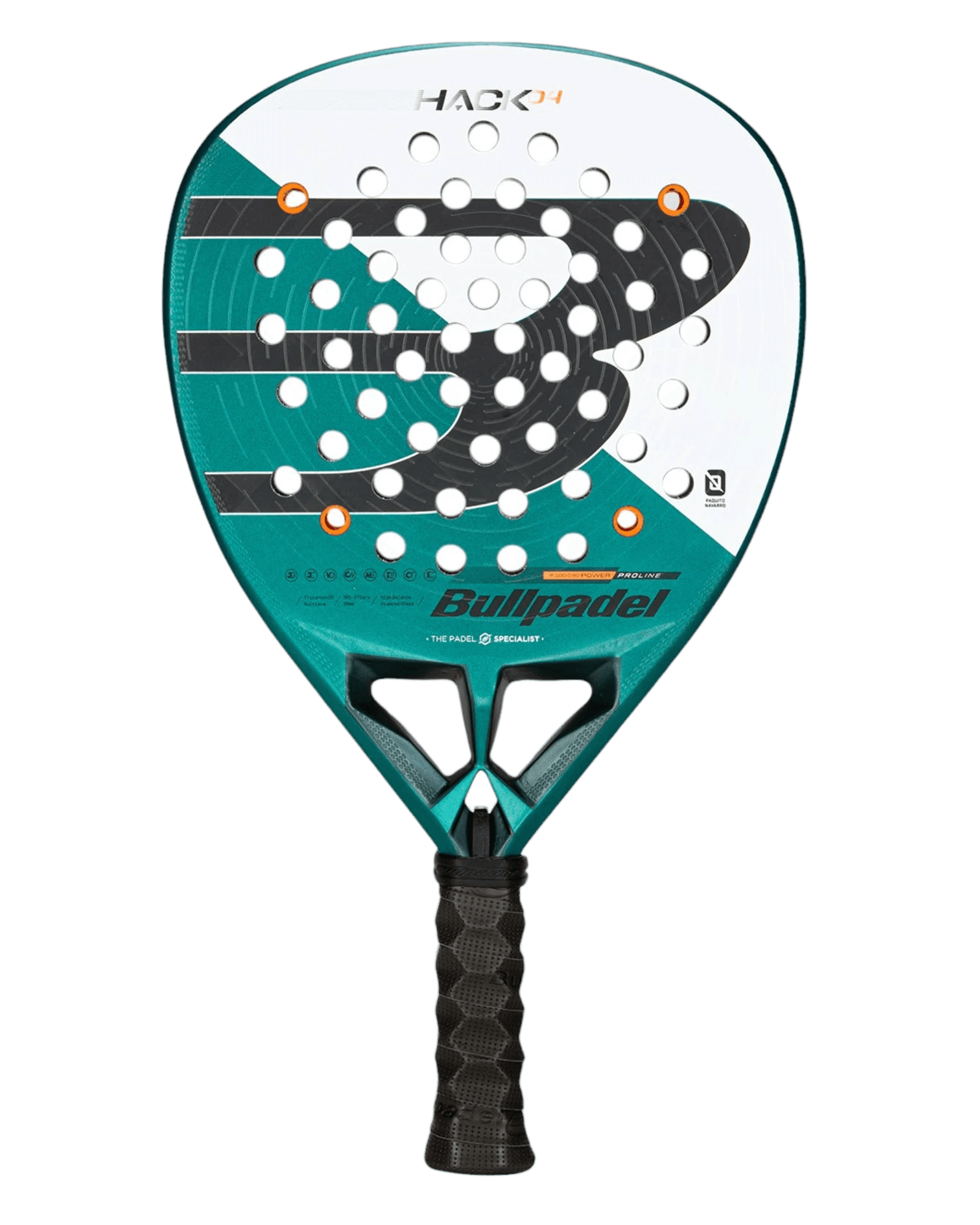
Bullpadel Hack 04
Why this example works: Hack 04 is the current attacking diamond when smash authority is the job — not a beginner shortcut.
Best for
- · Core and face feel
- · Power-focused frame
Trade-off
Punishes late preparation harder than round/control frames.
Read review →From € 309
8How current options differ
| Product | Support approach | Cushion | Drop | Widths | Best use | Key trade-off |
|---|---|---|---|---|---|---|
| — | — | — | — | Beginner round | Official power rating is 1.5 — you supply the pace | |
| — | — | — | — | Classic control cup | Live 2026 carbon/core figures are not fully locked on a single product URL in this pass | |
| — | — | — | — | All-court hybrid/diamond | 365–375 g diamond still punishes a late swing | |
| — | — | — | — | Attacking diamond | Compact sweet spot and stiff 18K face |
9Decision steps for this guide
- 1
Honest level filter
If you still spray bandejas, start round/hybrid before diamond power frames.
- 2
Name the recurring miss
Late preparation, soft finishing, or arm fatigue each point to different shapes.
- 3
Set a weight window
Define a wearable range before comparing carbon marketing.
- 4
Shortlist two roles
Keep one forgiving control frame and one more attacking option only if technique supports it.
- 5
Demo decisive balls
Test blocks, viboras and overheads — not only open-court winners.
- 6
Buy the repeatable one
Choose the frame you place under fatigue, then check live offers.
What is the main problem in your matches right now?
Mishits and late preparation
Prioritise Indiga CTR / Comfort Soft / Equation Soft class round-soft frames.
I place balls but lack finishers
Look at Vertex Hybrid / AT10 Genius all-round before jumping to Hack diamonds.
I already finish overheads cleanly
Evaluate Hack 04, Metalbone 3.5, Technical Viper, Coello Pro, or Attack 18K.
10Common mistakes
Copying a pro diamond early
Coello Pro and Hack 04 reward timing you may not have yet.
Ranking by K-count
12K vs 18K is not a quality ladder — Genius 12K is teardrop all-round, Attack 18K is the diamond job.
Buying previous gen as current
Vertex 04, Hack 03 and Metalbone 3.3 are not current award tools.
Choosing by shape stereotype alone
Balance, core and weight can override a round/diamond label.
11Frequently asked questions
- What padel racket should a beginner buy?
- A forgiving round or soft frame with accessible weight — Indiga CTR or Comfort Soft class — not a stiff power diamond.
- Is carbon better than fiberglass?
- Not automatically. Carbon can feel firmer and more precise; fiberglass often feels softer and more accessible. Core and balance matter as much as face material.
- Round, teardrop or diamond?
- Round for forgiveness, teardrop/hybrid for balance, diamond for attackers with reliable timing. Confirm balance and core rather than trusting the silhouette alone.
- How important is weight?
- Very. A few grams and balance shift change whether you prepare bandejas on time. Use published ranges, not a single marketing midpoint.
Examples for this a padel racket decision
Browse current options →Bullpadel
Indiga CTR
Beginner round
Check prices
View review →Nox
ML10 Pro Cup
Classic control cup
From € 179
View review →Bullpadel
Vertex 05
All-court hybrid/diamond
From € 319
View review →Bullpadel
Hack 04
Attacking diamond
From € 309
View review →
Head-to-head comparisons
Continue the decision with focused head-to-heads — who should choose which, and the trade-offs that matter.
Vertex 05vsHack 04
Same-brand diamond flagships: Vertex usable attack zone versus Hack finishing bias.
Compare →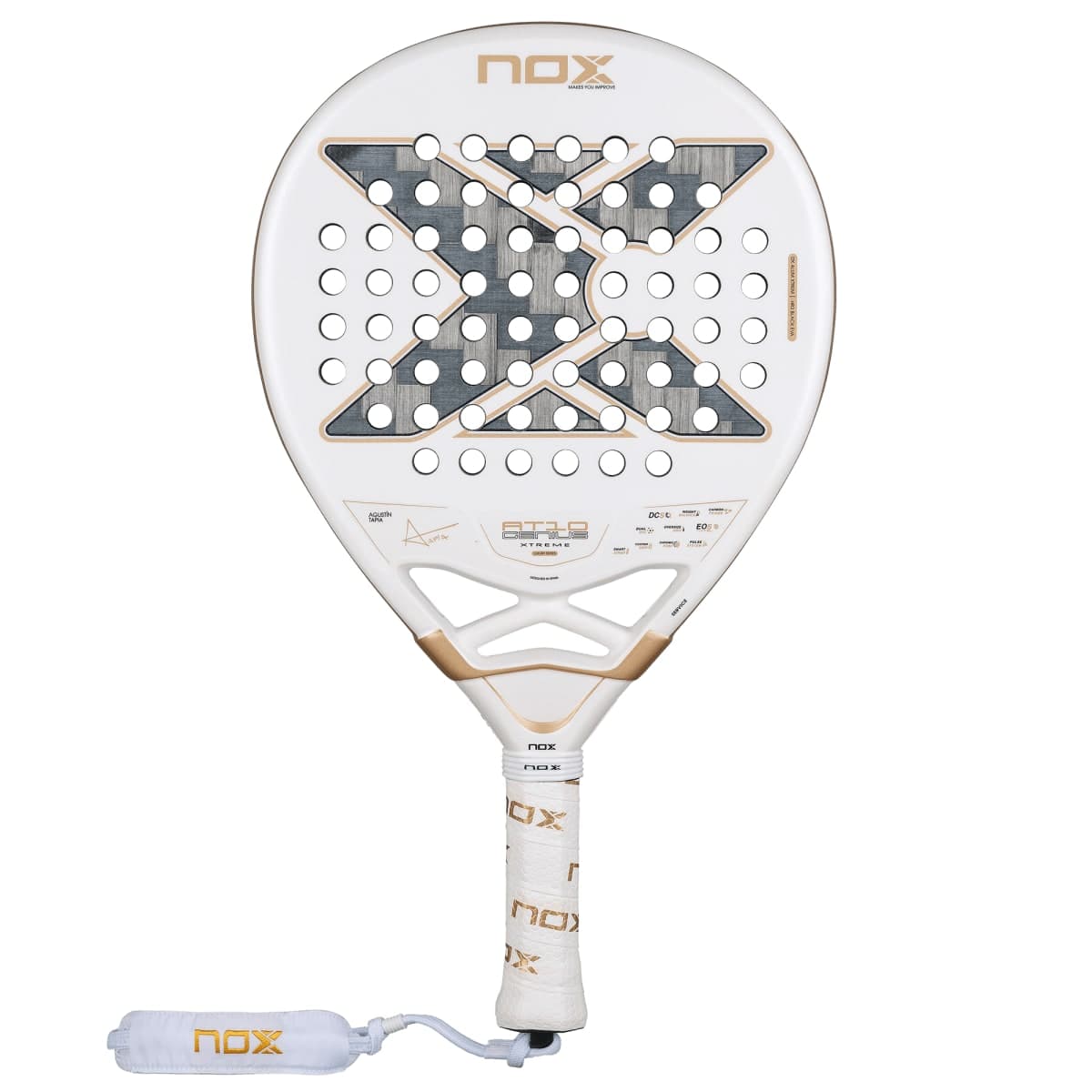
Vertex 05vsAT10 Genius 12K Alum XTREM 2026
Spanish flagship rivals: Vertex diamond vs AT10 Genius teardrop all-court — not Attack diamond.
Compare →ML10 Pro CupvsIndiga CTR
Classic control cup versus beginner SoftEva round — placement tool vs first-racket forgiveness.
Compare →How we research
Needs-research guide: manufacturer specifications and normalized catalog fields establish the comparison. Unverified marketing claims are treated as claims rather than measured performance. Catalog examples are roles, not affiliate rankings.