The short version
- Choose capacity from your longest unsupported outing and mandatory kit.
- Test fit with the flasks filled and every pocket loaded.
- Front flasks make drinking and refilling simple; a bladder shifts more water to the back.
- Pocket access, bounce control and chafe prevention matter more than unused litres.
- Confirm replacement flask and bladder compatibility before committing.
Approaches in this guide
1What a hydration vest is
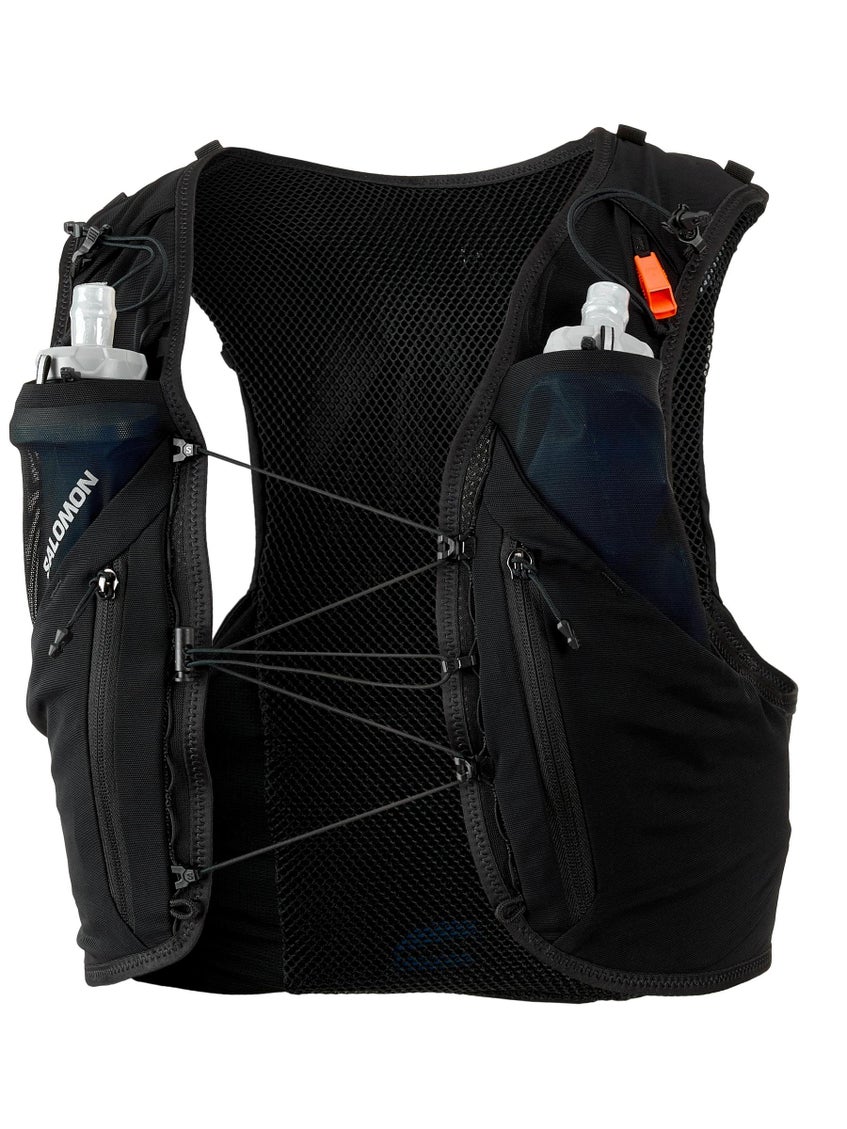
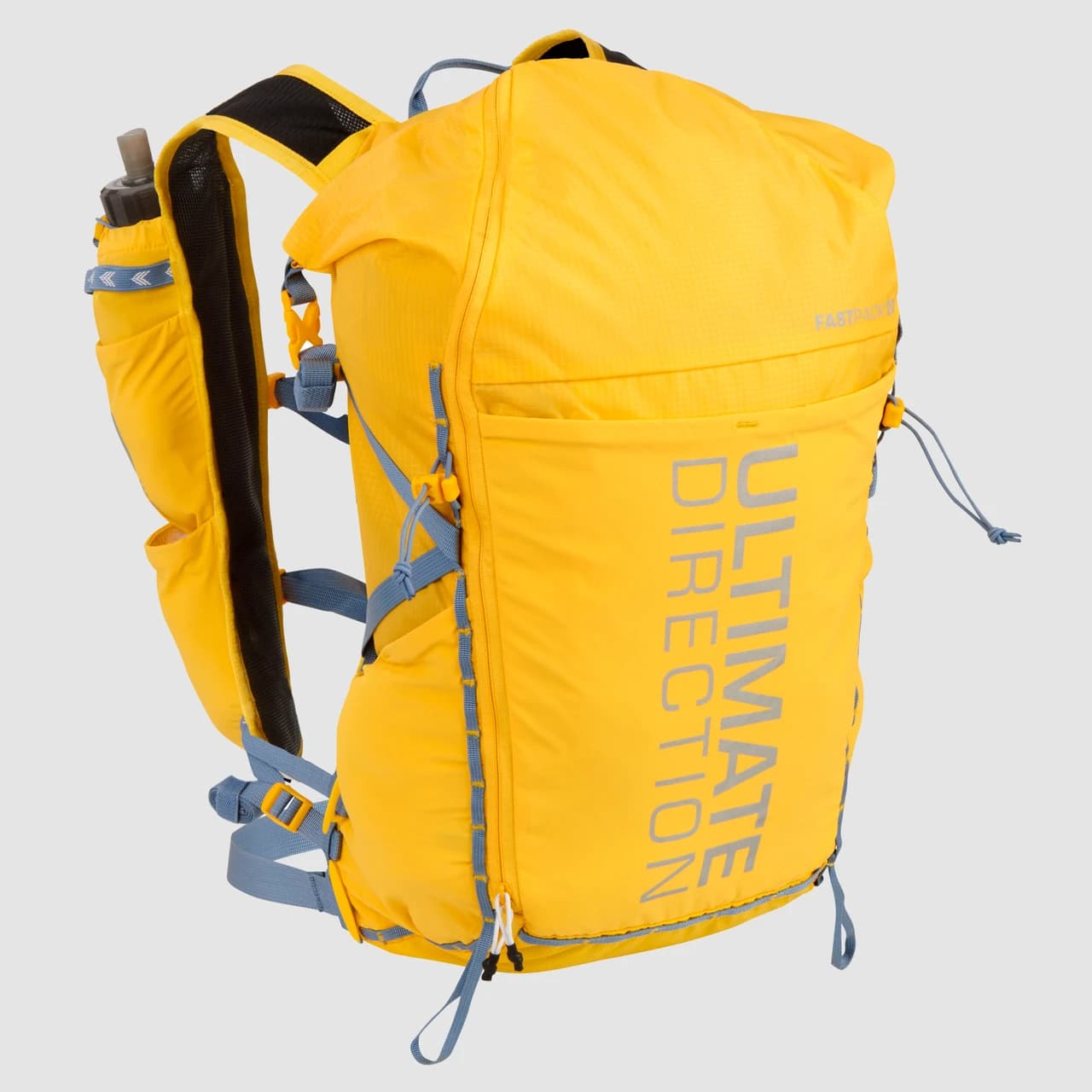
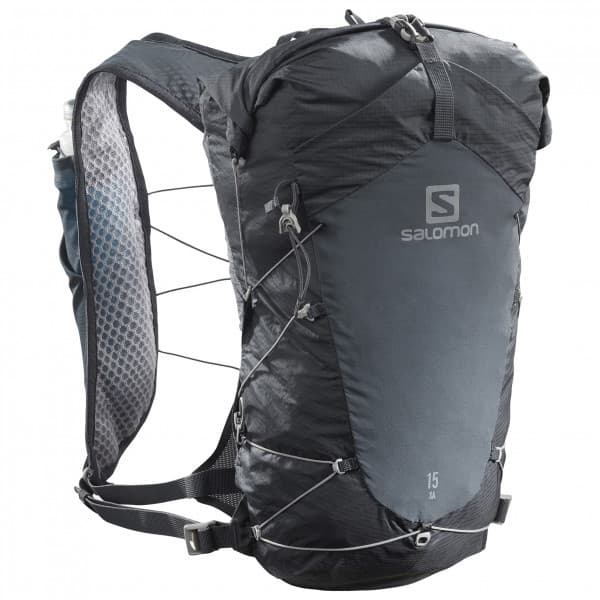
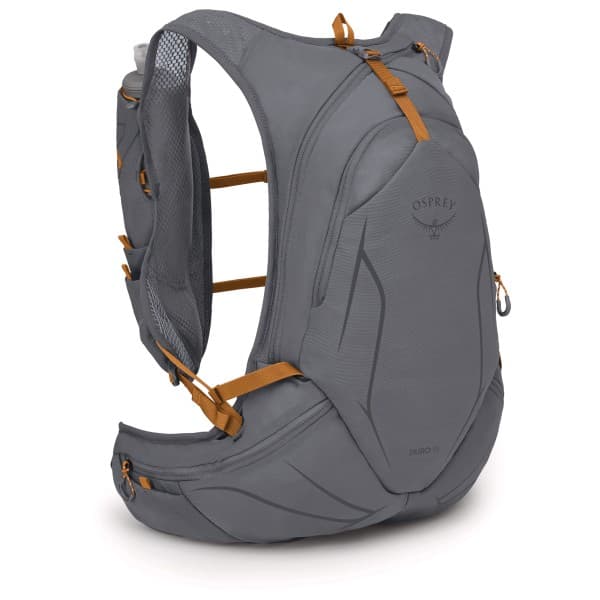
A running hydration vest is a close-fitting pack that spreads water and gear across the torso. It uses shoulder, side and sternum adjustment to limit bounce while keeping key items reachable.
Capacity includes both fluid and storage. Small vests suit short supported runs; larger models carry layers, food, safety equipment and water for long or remote outings.
The right volume is the smallest one that carries the required load comfortably. An oversized vest can encourage overpacking, while an undersized vest forces awkward pockets or leaves essentials behind.
2Why load and fit come first
A vest that feels fine empty can bounce, compress breathing or rub once flasks and kit add weight. Fit must be judged in the loaded condition you will actually run in.
Storage layout changes how often you stop. Reachable food, phone, poles and layers make a modest capacity more useful than a larger pack with inaccessible pockets.
3Five hydration-vest decisions
Usable capacity
- What it is
- Space for fluid, layers, food and required equipment.
- How it changes the choice
- Longer gaps between support increase the load.
- What you may notice
- Whether gear fits without swinging or overstuffing.
Loaded fit
- What it is
- Torso sizing, sternum adjustment and side stretch.
- How it changes the choice
- Water weight alters tension and bounce.
- What you may notice
- Stable carry without restricted breathing.
Fluid format
- What it is
- Soft flasks, reservoir or both.
- How it changes the choice
- Front flasks simplify access; reservoirs centralise volume.
- What you may notice
- Different refill, balance and cleaning routines.
Pocket access
- What it is
- Placement of food, phone, shell and poles.
- How it changes the choice
- Stretch and opening direction determine one-handed reach.
- What you may notice
- Fewer stops and less unloading.
Fabric and weather
- What it is
- Breathability, drainage and weather-resistant storage.
- How it changes the choice
- Heat, rain and sweat change comfort and protection needs.
- What you may notice
- Less heat buildup and better protection for sensitive gear.
4What to look for in each factor
Check capacity, bounce and access on a representative long run — pocket layout on a hangtag is not the same as access at race pace.
Look for
Usable capacity
- Space for fluid, layers, food and required equipment.
- Watch for: Whether gear fits without swinging or overstuffing.
- Decision tip: Longer gaps between support increase the load.
Look for
Loaded fit
- Torso sizing, sternum adjustment and side stretch.
- Watch for: Stable carry without restricted breathing.
- Decision tip: Water weight alters tension and bounce.
Look for
Fluid format
- Soft flasks, reservoir or both.
- Watch for: Different refill, balance and cleaning routines.
- Decision tip: Front flasks simplify access; reservoirs centralise volume.
Look for
Pocket access
- Placement of food, phone, shell and poles.
- Watch for: Fewer stops and less unloading.
- Decision tip: Stretch and opening direction determine one-handed reach.
5Choose vest volume by the job
| Small vest | Mid-volume vest | Larger vest | |
|---|---|---|---|
| Typical use | Short supported runs | Long runs and many trail races | Remote or kit-heavy days |
| Load discipline | Forces a tight list | Balances access and reserve | Carries more but invites overpacking |
| Hydration | Usually front flasks | Flasks and often bladder support | Higher combined capacity |
| Best test | Phone, keys and fluid | Full race kit | Cold-weather or all-day load |
Look for
Small vest
- Typical use: Short supported runs
- Load discipline: Forces a tight list
- Hydration: Usually front flasks
- Best test: Phone, keys and fluid
Look for
Mid-volume vest
- Typical use: Long runs and many trail races
- Load discipline: Balances access and reserve
- Hydration: Flasks and often bladder support
- Best test: Full race kit
6Capacity has a cost
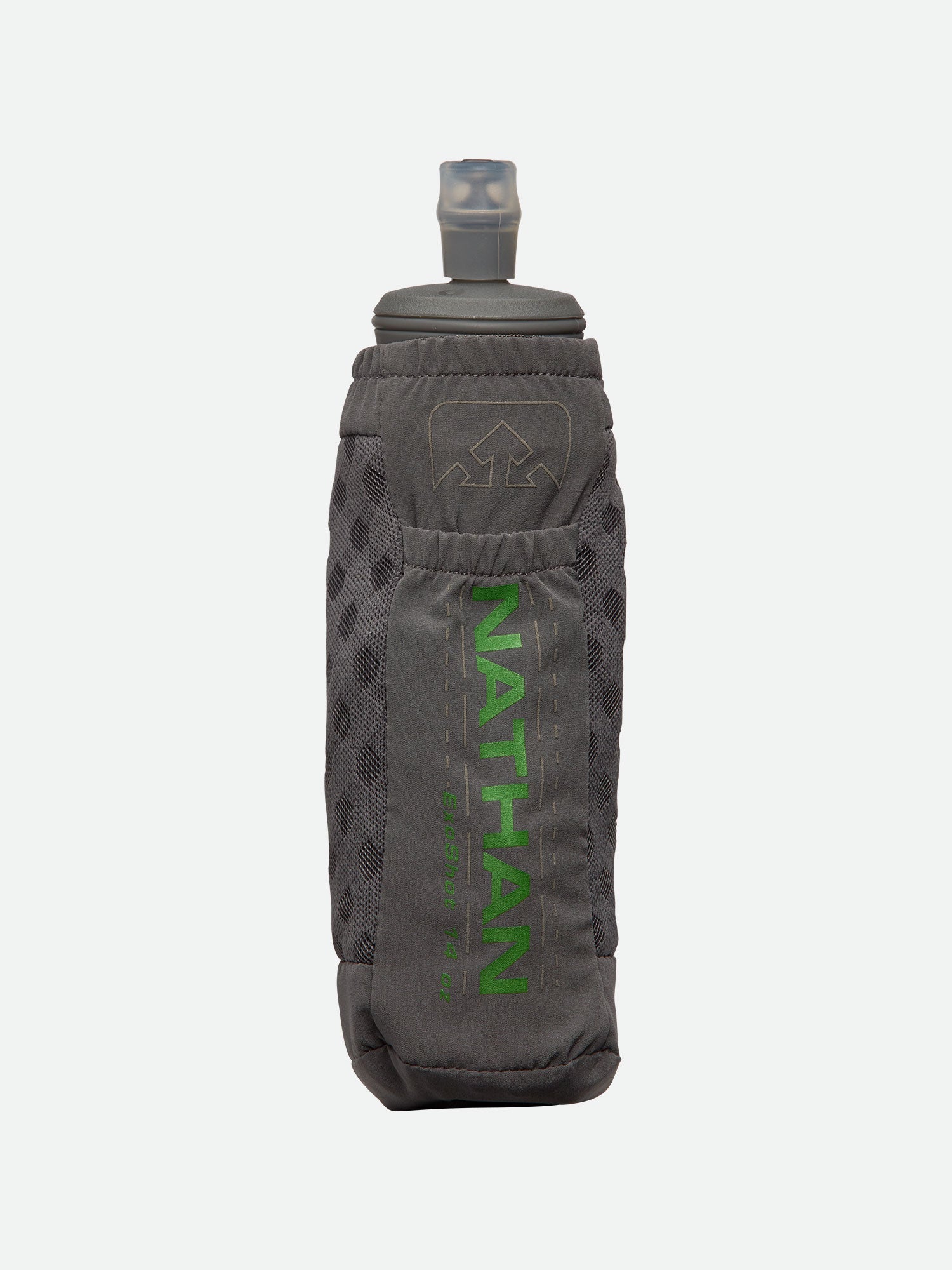
What you may gain
- · More fluid and mandatory-kit room
- · Better load distribution than handheld bottles
- · Reachable storage while moving
What you may give up
- · More fabric, heat and weight
- · Extra volume can bounce when poorly packed
- · More pockets and hydration parts to clean
7Three hydration components and approaches
Examples show different roles. Confirm sizing, included flasks and reservoir compatibility.
High-capacity race vest
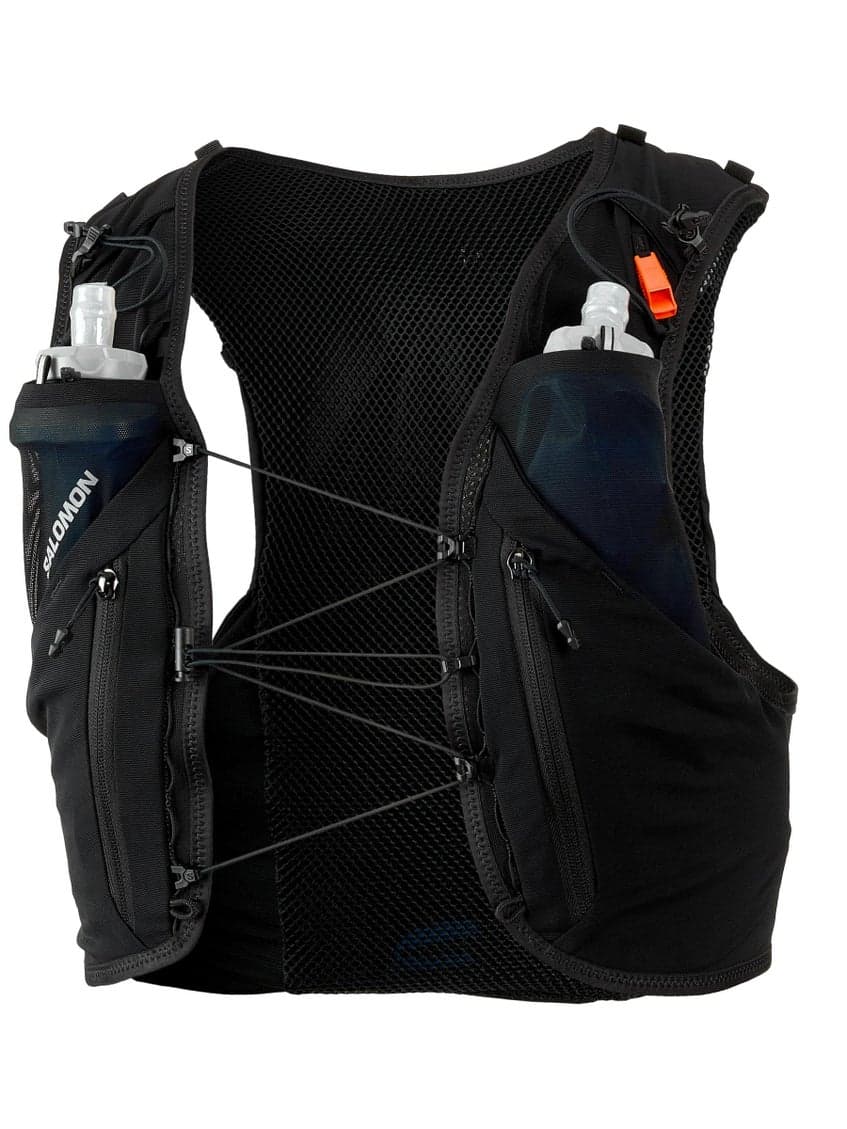
9.0 Kitletics Score
Salomon ADV Skin 12
Why it illustrates the category: Shows a close-fitting vest designed around substantial trail kit and front access.
Best for
- · Long trail days
- · Ultras
- · Mandatory-kit races
Trade-off
More volume, fabric and cost than short runs require.
Read review →From € 160Balanced running vest
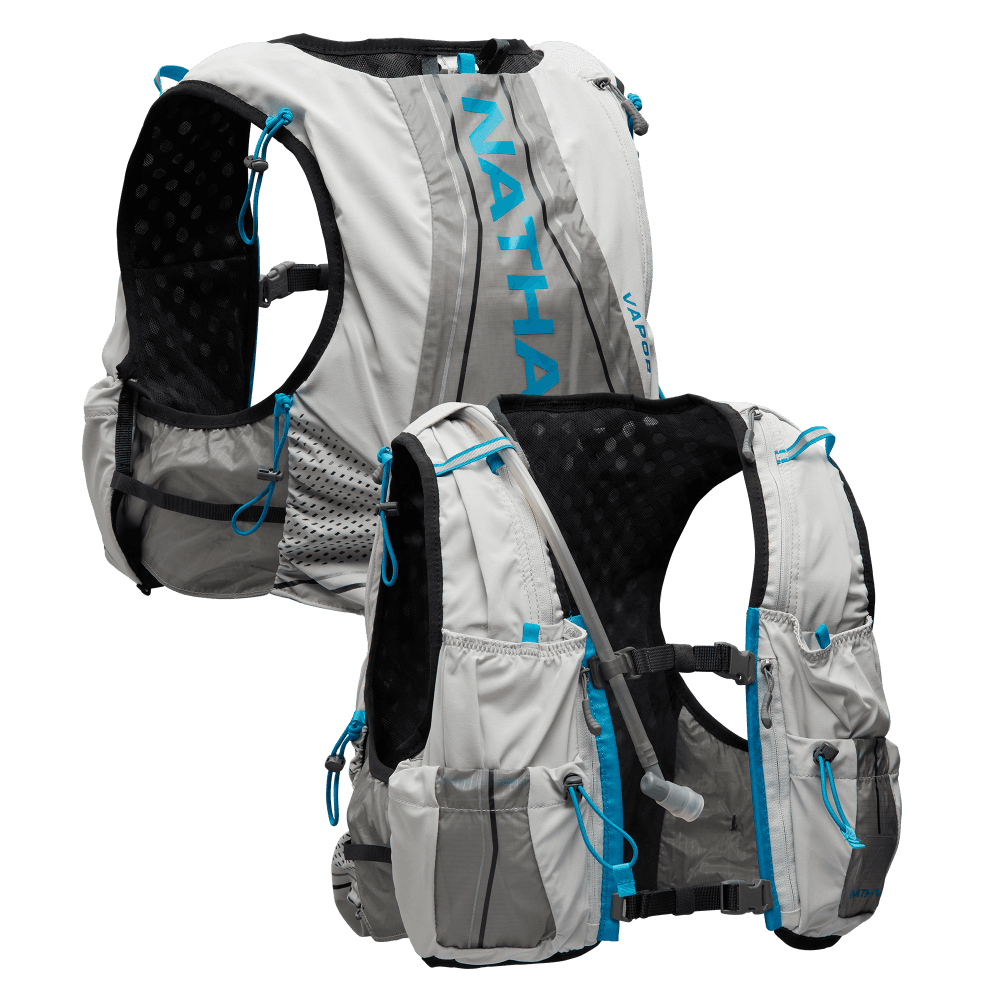
8.4 Kitletics Score
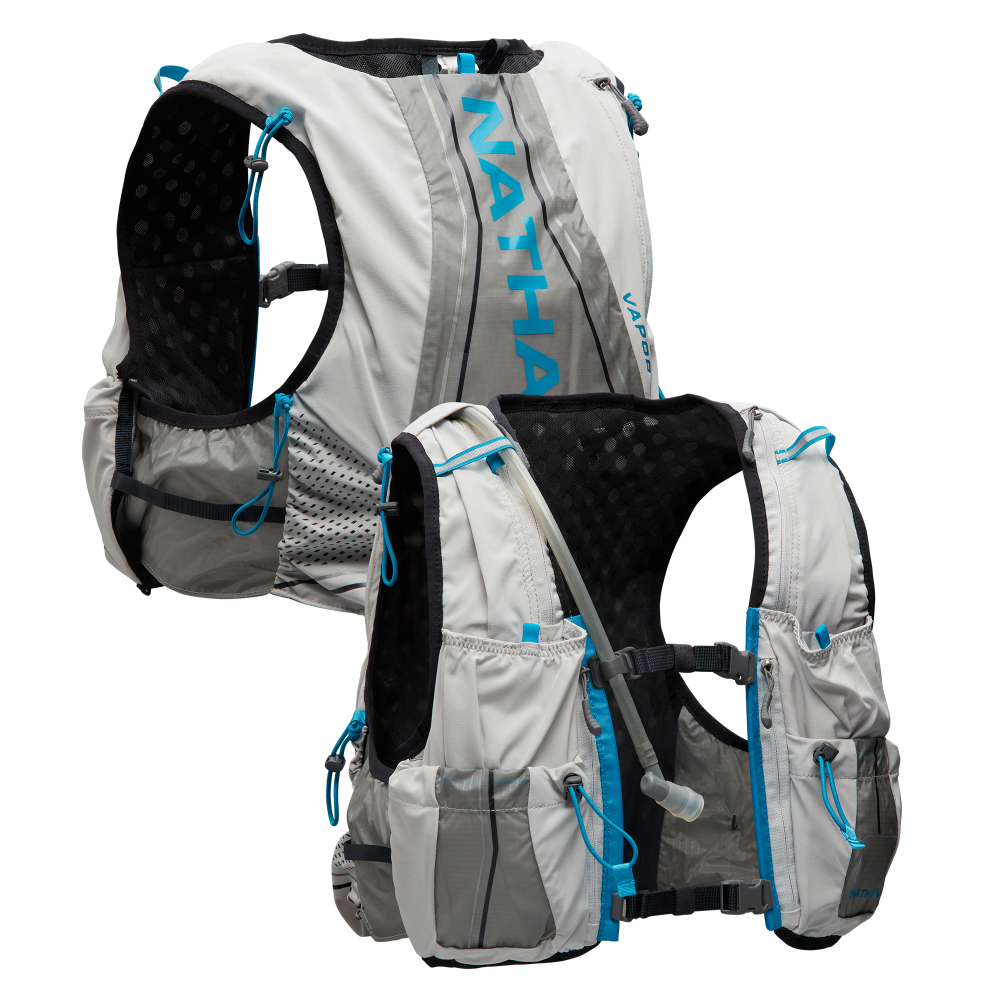
Nathan VaporAir 2
Why it illustrates the category: Represents a conventional vest setup balancing hydration and reachable storage.
Best for
- · Long training runs
- · Trail races
- · Runners wanting distributed carry
Trade-off
Fit remains body-specific and must be tested loaded.
Read review →From € 120Replaceable soft flask
8.2 Kitletics Score
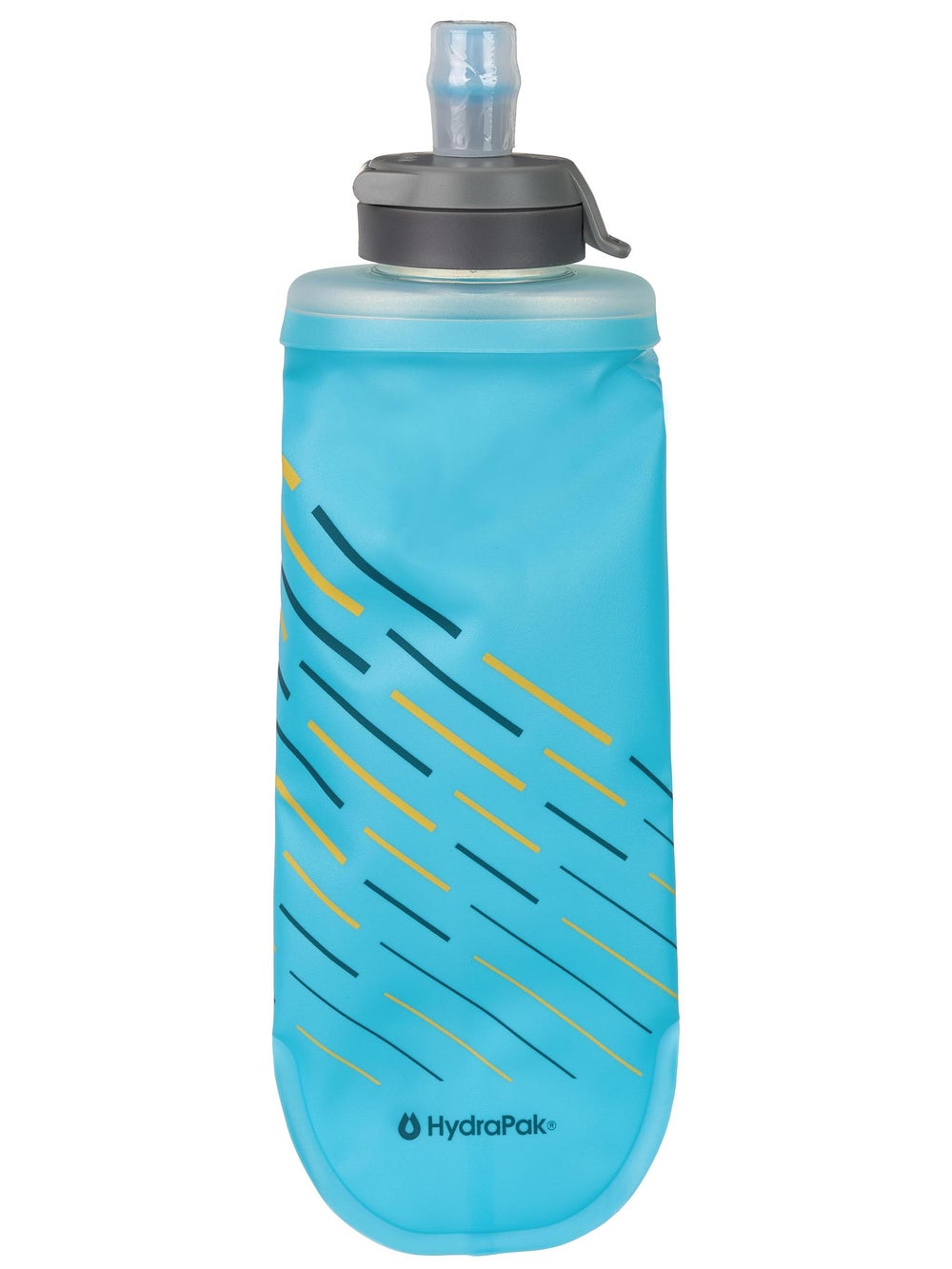
Salomon Soft Flask 500
Why it illustrates the category: Highlights that bottle shape, bite valve and pocket compatibility are part of the system.
Best for
- · Front-flask vests
- · Quick refills
- · Replacing worn hydration parts
Trade-off
A flask is useful only when it fits the chosen vest securely.
Read review →From € 22
8How current options differ
| Product | Support approach | Cushion | Drop | Widths | Best use | Key trade-off |
|---|---|---|---|---|---|---|
| — | — | — | — | High-capacity race vest | Overkill for road 10K | |
| — | — | — | — | Balanced running vest | Less total volume than larger adventure vests | |
| — | — | — | — | Replaceable soft flask | Needs a vest or handheld sleeve |
9Choose a vest in six steps
- 1
Define the longest gap
Estimate time between reliable water and support points.
- 2
Lay out required kit
Include layers, food, phone and event-mandated items.
- 3
Set minimum volume
Choose the smallest capacity that accepts that full load.
- 4
Choose fluid format
Decide between front flasks, bladder or a mixed setup.
- 5
Load-test the fit
Run with full bottles and adjust without restricting breathing.
- 6
Reach every essential
Confirm you can use food, phone, poles and layers as intended.
10Common mistakes
Trying the vest empty
Water and gear change bounce, pressure and adjustment.
Buying unused capacity
Extra space adds fabric and encourages unnecessary load.
Ignoring pocket reach
A pocket is not useful if you must remove the vest to use it.
Assuming any flask fits
Bottle dimensions and pocket retention vary.
Using it first on race day
Load, adjust and run long enough to expose bounce or rubbing.
11Frequently asked questions
- When do I need a hydration vest instead of a belt?
- When water volume, layers or trail logistics exceed what a belt can carry comfortably — especially longer trail efforts and races with mandatory kit.
- What size hydration vest do I need?
- Choose the smallest capacity that holds water, food, layers and mandatory kit for your longest unsupported outing without overstuffing.
- Are front flasks better than a bladder?
- Front flasks are easy to monitor and refill. A bladder can carry more water centrally but is harder to inspect and refill. Many vests support both.
- How tight should a running vest be?
- It should hold a full load without bouncing while allowing unrestricted breathing. Test it loaded and adjust tension as fluid is consumed.
- Can I use any soft flask in any vest?
- No. Flask height, width, valve position and pocket retention vary. Confirm dimensions and compatibility with the specific vest.
Compare hydration carry approaches
Salomon
ADV Skin 12
High-capacity race vest
9.0 ExcellentFrom € 160
View review →Nathan
VaporAir 2
Balanced running vest
8.4 GoodFrom € 120
View review →Salomon
Soft Flask 500
Replaceable soft flask
8.2 GoodFrom € 22
View review →
Head-to-head comparisons
Continue the decision with focused head-to-heads — who should choose which, and the trade-offs that matter.
How we research
This guide combines manufacturer specifications, catalog product data and independent specialist coverage. Product examples render from live catalog data.