The short version
- Wrist optical is convenient for easy miles and all-day wear.
- Chest straps usually respond faster to sharp intervals and hills.
- Optical arm bands sit between wrist comfort and chest consistency for many runners.
- Fit and contact beat brand claims — a loose sensor invents bad data.
- Heart-rate numbers are training inputs, not medical diagnoses.
Heart-rate sensors estimate pulse for training. They do not diagnose conditions. Seek qualified advice for symptoms or concerning readings.
Approaches in this guide
1Three common sensing approaches
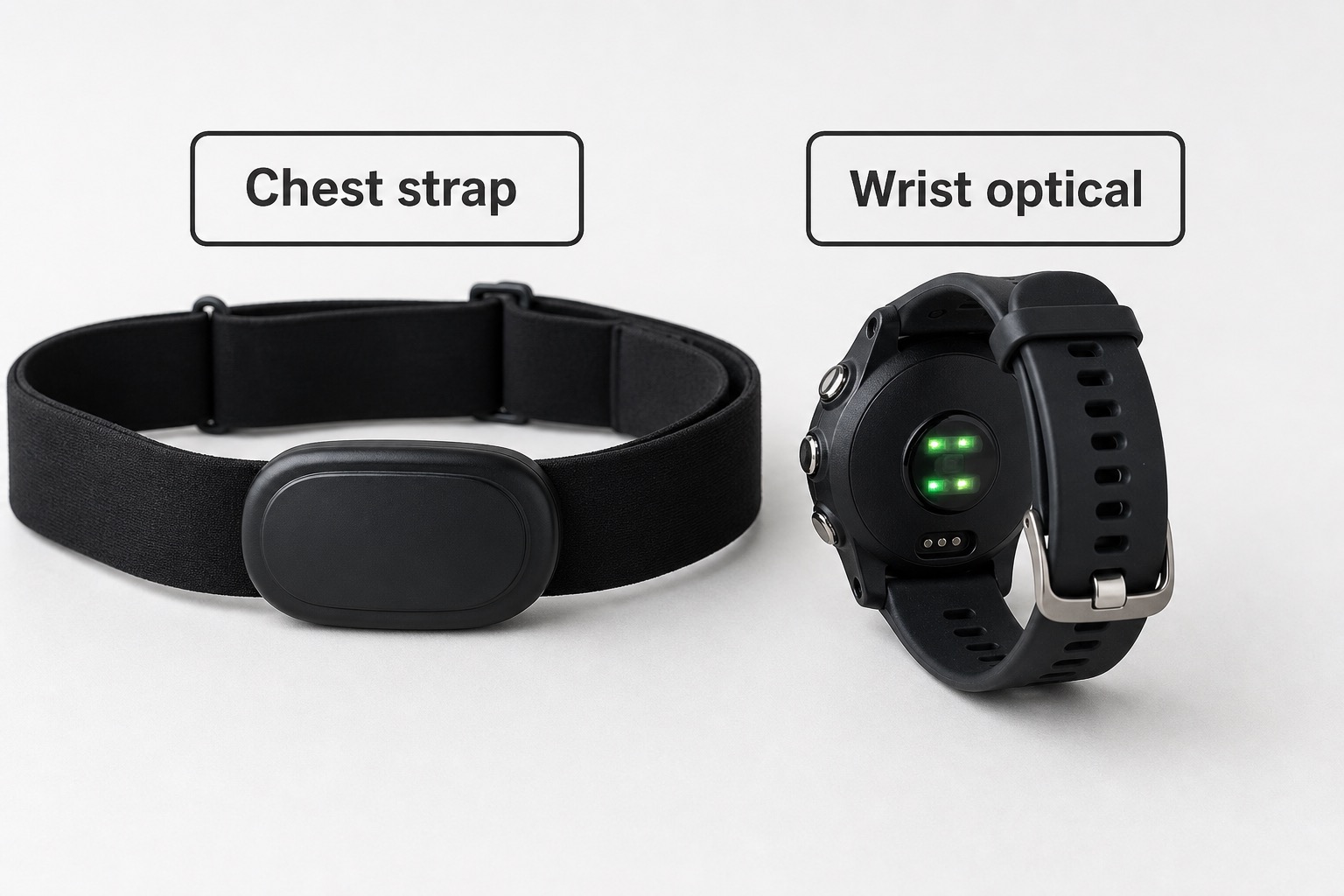
Wrist optical sensors shine light into tissue and estimate blood-flow changes. They travel with the watch you already wear.
Chest straps sense electrical timing through skin contact. Optical arm bands move the optical method to a steadier placement than many wrists.
The useful question is which approach stays reliable for the workouts you actually run — not which marketing chart looks best.
2Why this decision matters
When wrist optical is enough — and when a chest or arm sensor earns a place in your kit.
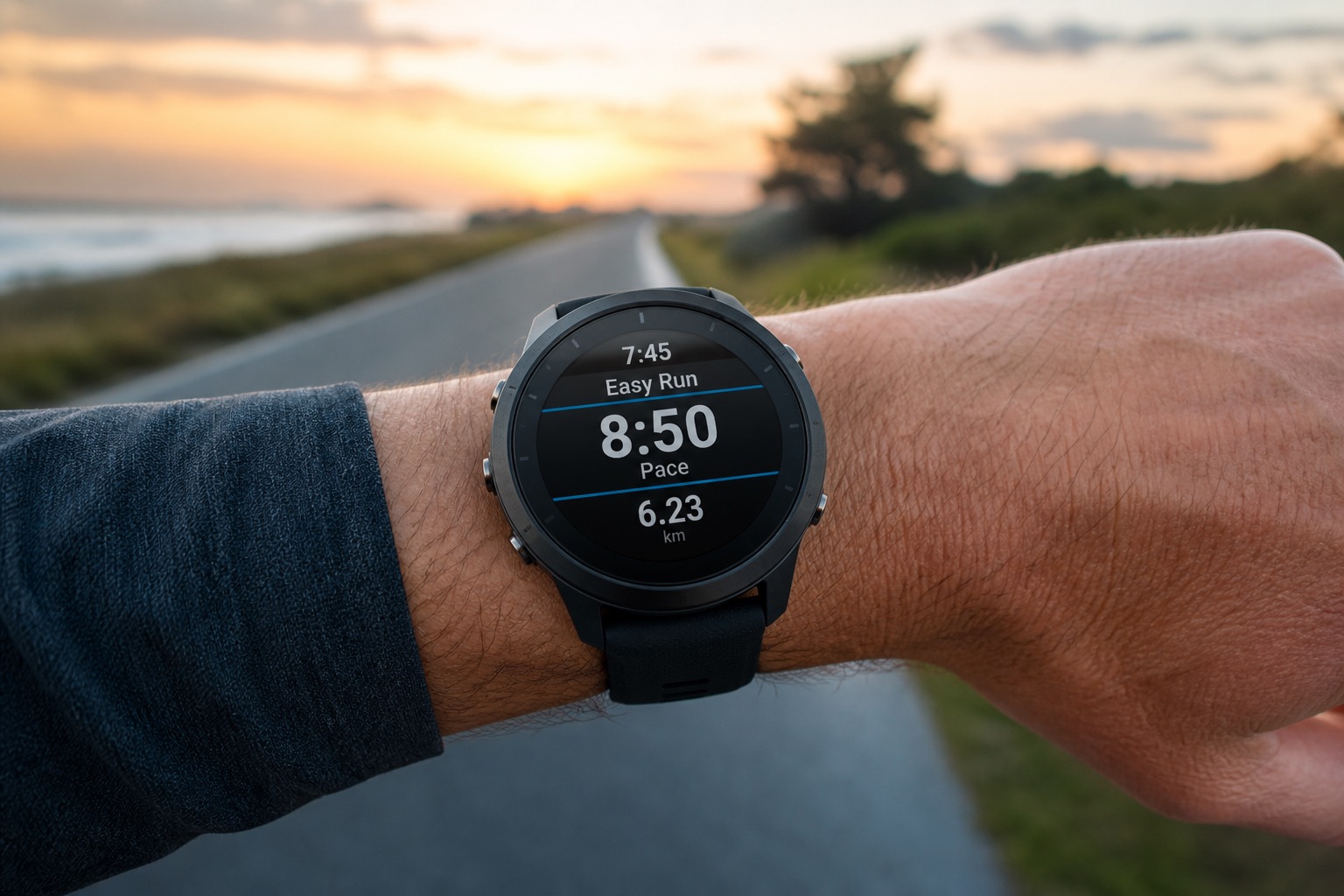
A pretty HR chart that lags or drops out wastes interval quality. Choose sensing for the workouts that need trustworthy traces — and remember consumer HR is training input, not diagnosis.
3Decide with these filters
Session type
- What it is
- Easy miles vs tightly controlled intervals.
- How it changes the choice
- Fast intensity changes expose lag and contact issues.
- What you may notice
- Whether zones match how hard the effort feels.
Fit and contact
- What it is
- Strap tension, dryness and movement.
- How it changes the choice
- Loose or dry sensors invent spikes and dropouts.
- What you may notice
- Cleaner traces without constant readjustment.
Device connections
- What it is
- Bluetooth, ANT+ and simultaneous links.
- How it changes the choice
- Protocols decide whether watch, app and gym gear all receive data.
- What you may notice
- Fewer re-pairing headaches mid-block.
4What to look for in each factor
Confirm battery, sensing method and controls against the sessions you log most — a feature you never open is dead weight on the wrist.
Look for
Session type
- Easy miles vs tightly controlled intervals.
- Watch for: Whether zones match how hard the effort feels.
- Decision tip: Fast intensity changes expose lag and contact issues.
Look for
Fit and contact
- Strap tension, dryness and movement.
- Watch for: Cleaner traces without constant readjustment.
- Decision tip: Loose or dry sensors invent spikes and dropouts.
Look for
Device connections
- Bluetooth, ANT+ and simultaneous links.
- Watch for: Fewer re-pairing headaches mid-block.
- Decision tip: Protocols decide whether watch, app and gym gear all receive data.
5Wrist vs chest vs arm optical
Option
Wrist optical
Convenience
Highest
Hard intervals
Often lags
Comfort
All-day watch
Option
Chest strap
Convenience
Extra strap
Hard intervals
Usually strongest
Comfort
Torso pressure
| Wrist optical | Chest strap | Arm optical | |
|---|---|---|---|
| Convenience | Highest | Extra strap | Extra band |
| Hard intervals | Often lags | Usually strongest | Often steadier than wrist |
| Comfort | All-day watch | Torso pressure | Arm placement preference |
Fit and conditions can outweigh category tendencies.
Look for
Wrist optical
- Convenience: Highest
- Hard intervals: Often lags
- Comfort: All-day watch
Look for
Chest strap
- Convenience: Extra strap
- Hard intervals: Usually strongest
- Comfort: Torso pressure
6What you gain and give up
What you may gain
- · Wrist optical on a training watch: useful when Daily wear
- · Chest strap: useful when Intervals
- · Optical arm sensor: useful when Chest-strap avoiders
What you may give up
- · Hard intervals may need a dedicated strap.
- · Another item to fit, clean and power.
- · Still an extra band versus wrist-only.
Trade-offs are model- and runner-dependent — verify fit and use case.
7Next step after you shortlist
Wear the shortlist through an easy run and one interval or hill session. Compare lag, dropouts and comfort without obsessing over absolute BPM.
If wrist optical stays clean for your real week, keep it. If intervals invent noise, move to chest or arm sensing.
8Useful sensor approaches
Illustrative products — check current compatibility before buying.
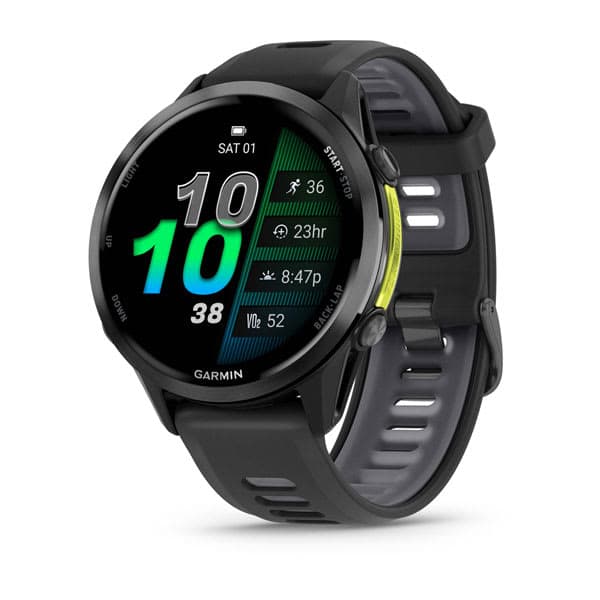
Wrist optical on a training watch
9.1 Kitletics Score
Garmin Forerunner 970
Why it illustrates the category: Shows the convenience path when easy-day trends matter more than interval precision.
Best for
- · Daily wear
- · Easy miles
- · Minimal kit
Trade-off
Hard intervals may need a dedicated strap.
Read review →From € 689Chest strap
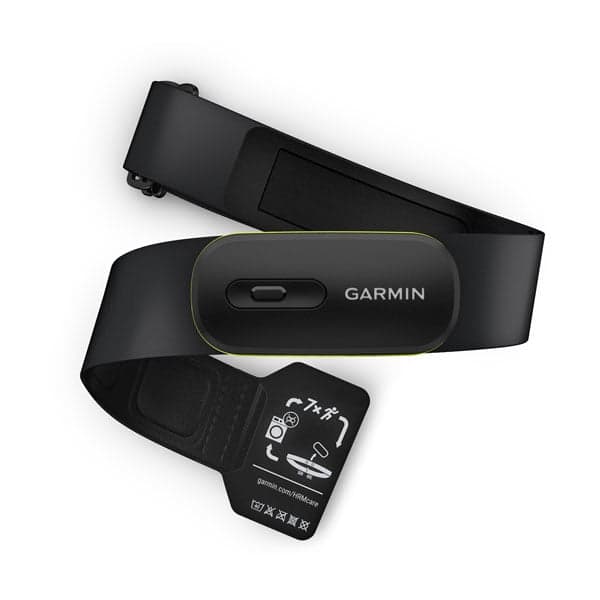
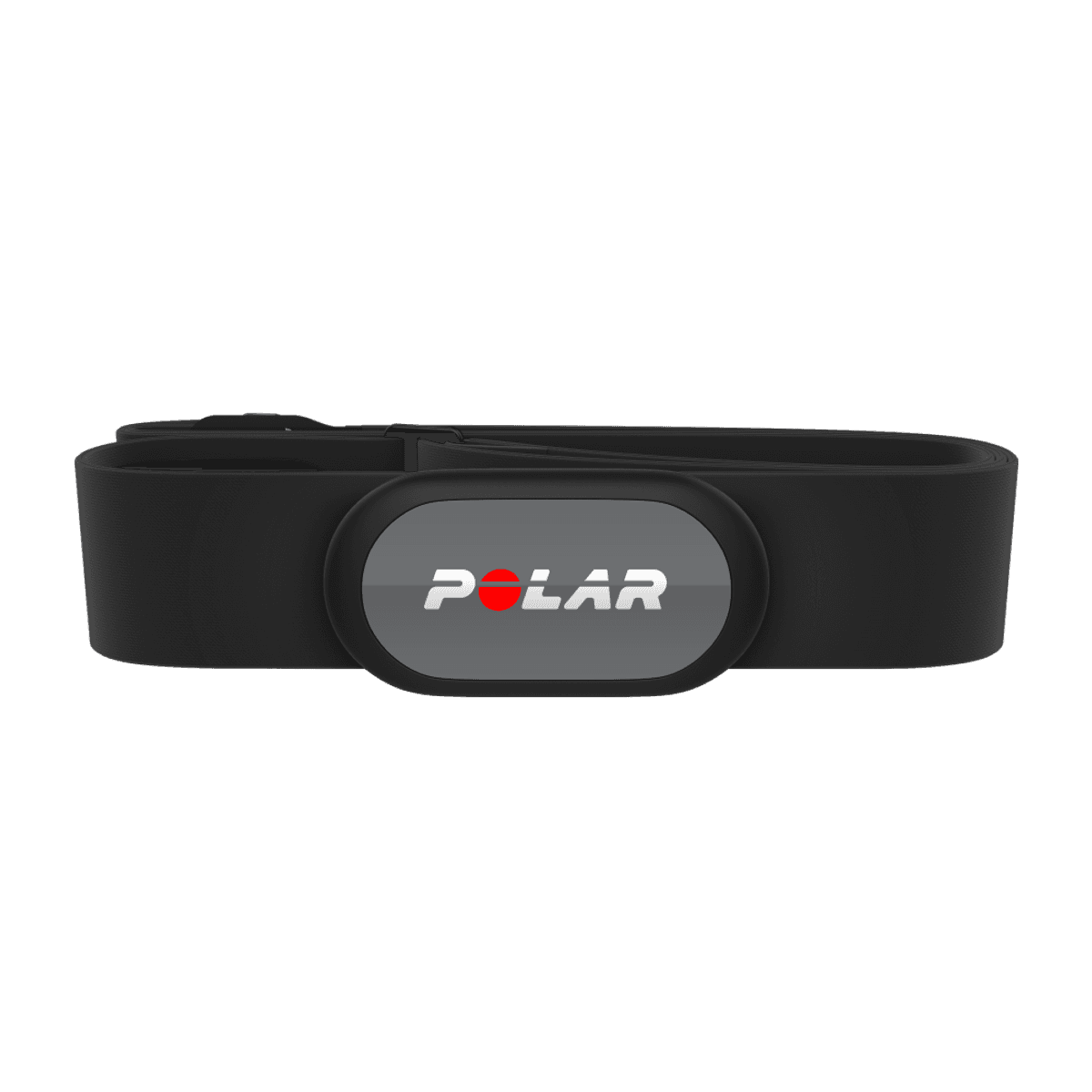
9.0 Kitletics Score
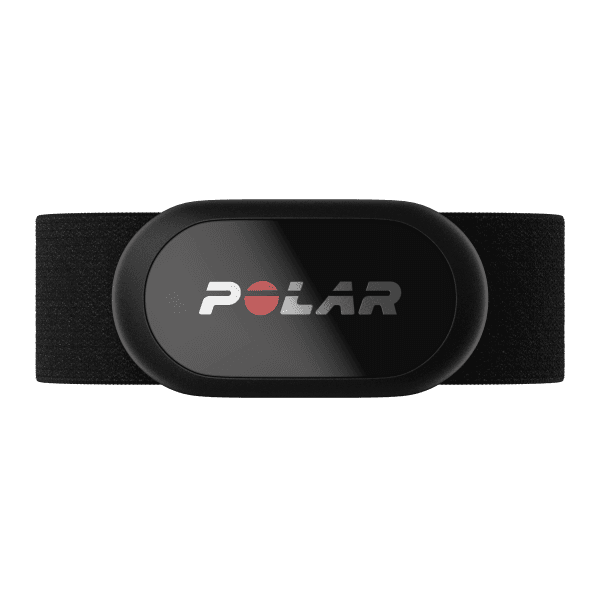
Polar H10
Why it illustrates the category: Represents electrical sensing for structured workouts.
Best for
- · Intervals
- · Threshold work
- · Multi-device setups
Trade-off
Another item to fit, clean and power.
Read review →From € 89Optical arm sensor
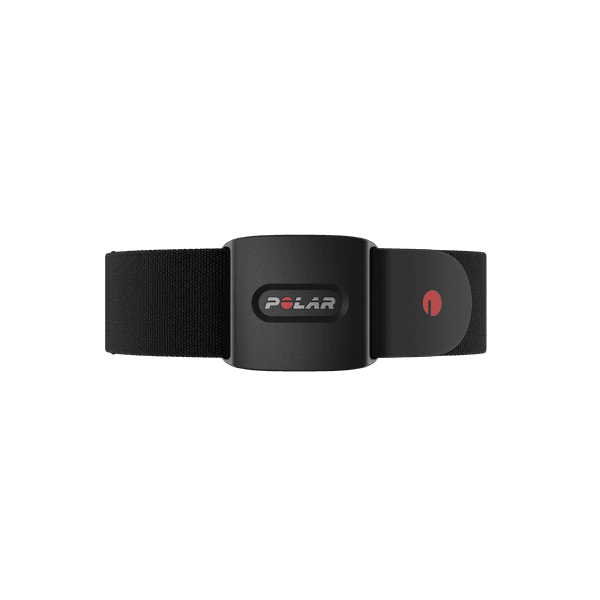
8.4 Kitletics Score
Polar Verity Sense
Why it illustrates the category: Shows the comfort alternative when chest straps feel restrictive.
Best for
- · Chest-strap avoiders
- · Steady runs
- · Multi-sport
Trade-off
Still an extra band versus wrist-only.
Read review →From € 89
9How current options differ
| Product | Support approach | Cushion | Drop | Widths | Best use | Key trade-off |
|---|---|---|---|---|---|---|
| — | — | — | — | Wrist optical watch | Premium price | |
| — | — | — | — | Chest strap | Coin-cell swaps | |
| — | — | — | — | Optical arm sensor | Optical HR can lag in intervals vs good chest straps |
10How to decide
- 1
Session type
Easy miles vs tightly controlled intervals. Fast intensity changes expose lag and contact issues. You will notice: Whether zones match how hard the effort feels.
- 2
Fit and contact
Strap tension, dryness and movement. Loose or dry sensors invent spikes and dropouts. You will notice: Cleaner traces without constant readjustment.
- 3
Device connections
Bluetooth, ANT+ and simultaneous links. Protocols decide whether watch, app and gym gear all receive data. You will notice: Fewer re-pairing headaches mid-block.
11Common mistakes
Trusting spikes without checking fit
Fix contact first — then judge whether the sensor class fits your workouts.
Treating readings as diagnosis
Consumer sensors inform training; they do not replace clinical care.
Buying features you will not use
Extra modes and marketing claims only help when they change a real session outcome.
Skipping a training test
Race-week surprises usually come from untested fuel, fit or battery profiles.
Forcing one product to do every job
Specialist tools exist because weekly volume and intensity ask for different compromises.
12Frequently asked questions
- What is the quick takeaway on this topic?
- Wrist optical is convenient for easy miles and all-day wear. Chest straps usually respond faster to sharp intervals and hills.
- How should I weigh session type?
- Easy miles vs tightly controlled intervals. Fast intensity changes expose lag and contact issues. In practice: Whether zones match how hard the effort feels.
- What mistake should I avoid?
- Trusting spikes without checking fit: Fix contact first — then judge whether the sensor class fits your workouts.
- How do product examples help?
- Wrist optical on a training watch illustrates this topic because Shows the convenience path when easy-day trends matter more than interval precision. Trade-off: Hard intervals may need a dedicated strap.
Compare heart-rate sensing approaches
Garmin
Forerunner 970
Wrist optical watch
9.1 ExcellentFrom € 689
View review →Polar
H10
Chest strap
9.0 ExcellentFrom € 89
View review →Polar
Verity Sense
Optical arm sensor
8.4 GoodFrom € 89
View review →
Head-to-head comparisons
Continue the decision with focused head-to-heads — who should choose which, and the trade-offs that matter.

How we research
This guide combines manufacturer specifications, catalog product data and independent specialist coverage. Product examples render from live catalog data and illustrate approaches — not medical or ranking claims.