The short version
- Wind shells handle most cool, dry training days.
- Waterproof jackets matter in sustained rain — and trap more heat.
- Breathability and packability often beat maximum waterproof ratings for tempo work.
- Reflectivity helps for dark road miles.
- Buy for the weather you actually train in most weeks.
Approaches in this guide
1Shell jobs for runners
A running jacket blocks wind, light precip or serious rain while trying not to steam you from the inside. This page is the jacket-type filter: packable wind, everyday training DWR, and wetter weather shells.
Wind shells are lighter and more breathable. Waterproof membranes add protection and usually more heat and noise. Winter Layering for Runners covers base/mid/extremities around the shell — not this taxonomy.
The right jacket matches intensity: easy rainy jogs tolerate more protection than hard intervals.
2Why this decision matters
Wind shell vs waterproof — choose by rain intensity, breathability needs and how hard you run in it.
Apparel mistakes show up as overheating, chafe or a shell you never pack. Breathability and coverage for your climate beat catalog waterproof theatre.
3Jacket filters
Typical weather
- What it is
- Wind, drizzle or lasting rain.
- How it changes the choice
- Overbuilding for rare storms adds weekly sweat.
- What you may notice
- You reach for the jacket instead of dreading it.
Breathability
- What it is
- How vapour escapes during hard efforts.
- How it changes the choice
- Sealed jackets soak you from inside on tempo days.
- What you may notice
- Less clammy feel mid-run.
Packability
- What it is
- Stuff size for belts and vests.
- How it changes the choice
- Bulky shells get left at home.
- What you may notice
- A jacket you actually carry for changing forecasts.
4What to look for in each factor
Test breathability and coverage in the weather you actually train in — lab waterproof ratings do not equal comfort on a hard tempo.
Look for
Typical weather
- Wind, drizzle or lasting rain.
- Watch for: You reach for the jacket instead of dreading it.
- Decision tip: Overbuilding for rare storms adds weekly sweat.
Look for
Breathability
- How vapour escapes during hard efforts.
- Watch for: Less clammy feel mid-run.
- Decision tip: Sealed jackets soak you from inside on tempo days.
Look for
Packability
- Stuff size for belts and vests.
- Watch for: A jacket you actually carry for changing forecasts.
- Decision tip: Bulky shells get left at home.
5Compare approaches at a glance
| Packable wind shell | Training DWR jacket | Wetter-weather shell | |
|---|---|---|---|
| Best for | Race kits, Trail stow layer | Cool road miles, Light drizzle | Sustained rain, Changeable outdoor sessions |
| Main trade-off | Thin fabric; not everyday cool-weather coverage. | Not a fully waterproof membrane shell. | Warmer and less packable than a Houdini-class layer. |
Examples illustrate approaches — not a universal ranking.
Look for
Packable wind shell
- Best for: Race kits, Trail stow layer
- Main trade-off: Thin fabric; not everyday cool-weather coverage.
Look for
Training DWR jacket
- Best for: Cool road miles, Light drizzle
- Main trade-off: Not a fully waterproof membrane shell.
6What you gain and give up
What you may gain
- · Packable wind shell: useful when Race kits
- · Training DWR jacket: useful when Cool road miles
- · Wetter-weather shell: useful when Sustained rain
What you may give up
- · Thin fabric; not everyday cool-weather coverage.
- · Not a fully waterproof membrane shell.
- · Warmer and less packable than a Houdini-class layer.
Trade-offs are model- and runner-dependent — verify fit and use case.
7Next step after you shortlist
Wear the shortlist in the weather you are buying for, at easy and harder efforts. Note sweat build-up, chafe and whether you would pack it again.
If you only reach for it on easy jogs, it may still be fine — just do not pretend it is a hard-rain race shell.
8Jacket roles
Layer with your own base preferences.
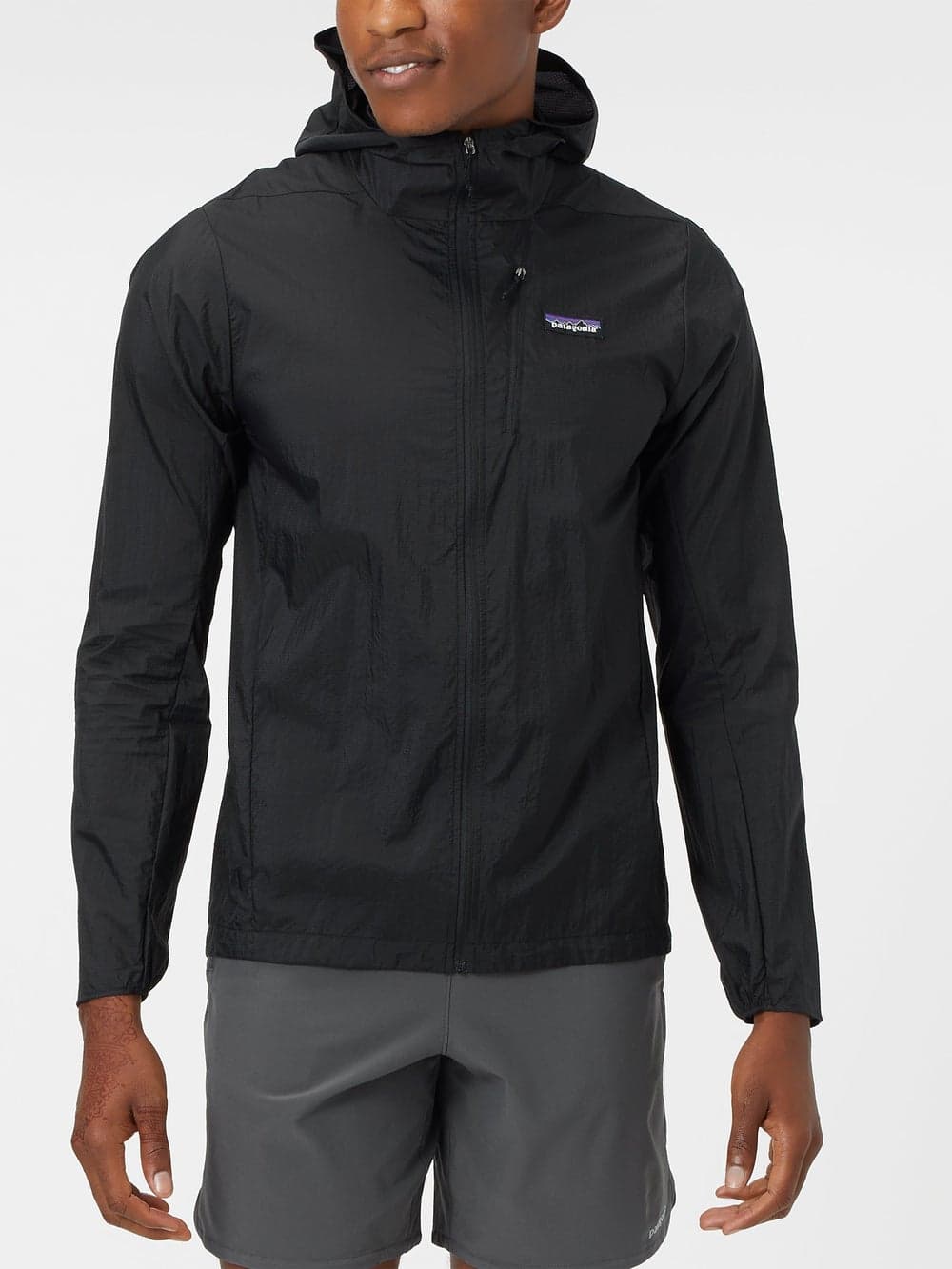
Packable wind shell
9.1 Kitletics Score
Patagonia Houdini Jacket
Why it illustrates the category: Ultralight emergency wind layer you stuff in a vest, not a start-the-run training jacket.
Best for
- · Race kits
- · Trail stow layer
- · Changing forecasts
Trade-off
Thin fabric; not everyday cool-weather coverage.
Read review →From € 119Training DWR jacket
8.5 Kitletics Score
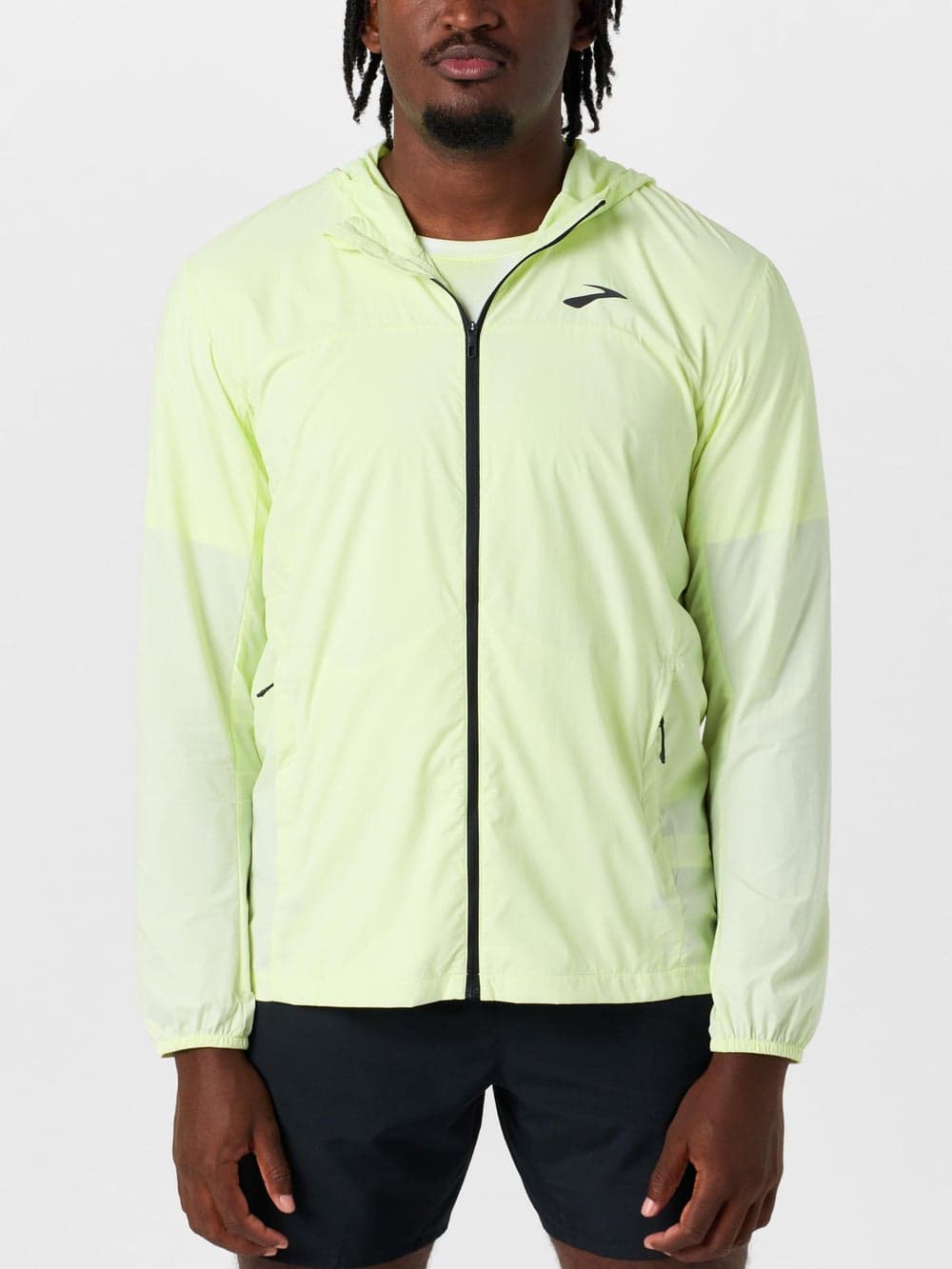
Brooks Canopy Jacket
Why it illustrates the category: A jacket you actually start easy and long runs in — more everyday than a race-stow shell.
Best for
- · Cool road miles
- · Light drizzle
Trade-off
Not a fully waterproof membrane shell.
Read review →From € 110Wetter-weather shell
8.4 Kitletics Score
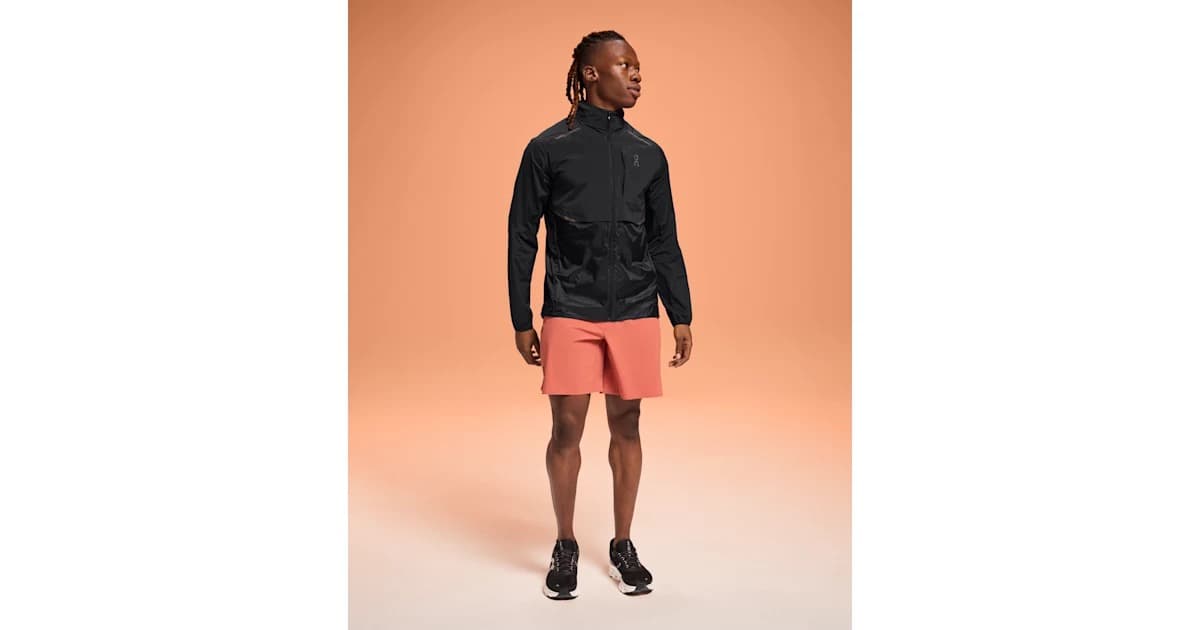
On Weather Jacket
Why it illustrates the category: More weather protection than a paper-thin wind shirt when rain is the weekly pattern.
Best for
- · Sustained rain
- · Changeable outdoor sessions
Trade-off
Warmer and less packable than a Houdini-class layer.
Read review →From € 190
9How current options differ
| Product | Support approach | Cushion | Drop | Widths | Best use | Key trade-off |
|---|---|---|---|---|---|---|
| — | — | — | — | Packable wind | Not a fully waterproof storm shell | |
| — | — | — | — | Training jacket | Not a fully waterproof race shell | |
| — | — | — | — | Wetter shell | Premium price vs Craft Essence Light Wind |
10How to decide
- 1
Typical weather
Wind, drizzle or lasting rain. Overbuilding for rare storms adds weekly sweat. You will notice: You reach for the jacket instead of dreading it.
- 2
Breathability
How vapour escapes during hard efforts. Sealed jackets soak you from inside on tempo days. You will notice: Less clammy feel mid-run.
- 3
Packability
Stuff size for belts and vests. Bulky shells get left at home. You will notice: A jacket you actually carry for changing forecasts.
11Common mistakes
Wearing a rain shell for dry tempo work
Save waterproof layers for rain; use a lighter wind shirt when dry.
Buying features you will not use
Extra modes and marketing claims only help when they change a real session outcome.
Skipping a training test
Race-week surprises usually come from untested fuel, fit or battery profiles.
Forcing one product to do every job
Specialist tools exist because weekly volume and intensity ask for different compromises.
12Frequently asked questions
- What is the quick takeaway on this topic?
- Wind shells handle most cool, dry training days. Waterproof jackets matter in sustained rain — and trap more heat.
- How should I weigh typical weather?
- Wind, drizzle or lasting rain. Overbuilding for rare storms adds weekly sweat. In practice: You reach for the jacket instead of dreading it.
- What mistake should I avoid?
- Wearing a rain shell for dry tempo work: Save waterproof layers for rain; use a lighter wind shirt when dry.
- How do product examples help?
- Packable wind shell illustrates this topic because Ultralight emergency wind layer you stuff in a vest, not a start-the-run training jacket. Trade-off: Thin fabric; not everyday cool-weather coverage.
Jacket jobs
Patagonia
Houdini Jacket
Packable wind
9.1 ExcellentFrom € 119
View review →Brooks
Canopy Jacket
Training jacket
8.5 Very GoodFrom € 110
View review →On
Weather Jacket
Wetter shell
8.4 GoodFrom € 190
View review →
Head-to-head comparisons
Continue the decision with focused head-to-heads — who should choose which, and the trade-offs that matter.
How we research
This guide combines manufacturer specifications, catalog product data and independent specialist coverage. Product examples render from live catalog data and illustrate approaches — not medical or ranking claims.