Running guides
Understand the gear.Choose with confidence.
Practical buying guides, explainers and comparison advice to help you understand running gear before you buy.
- 10 buying guides
- 22 explainers
- 2 decision tools
Featured guide
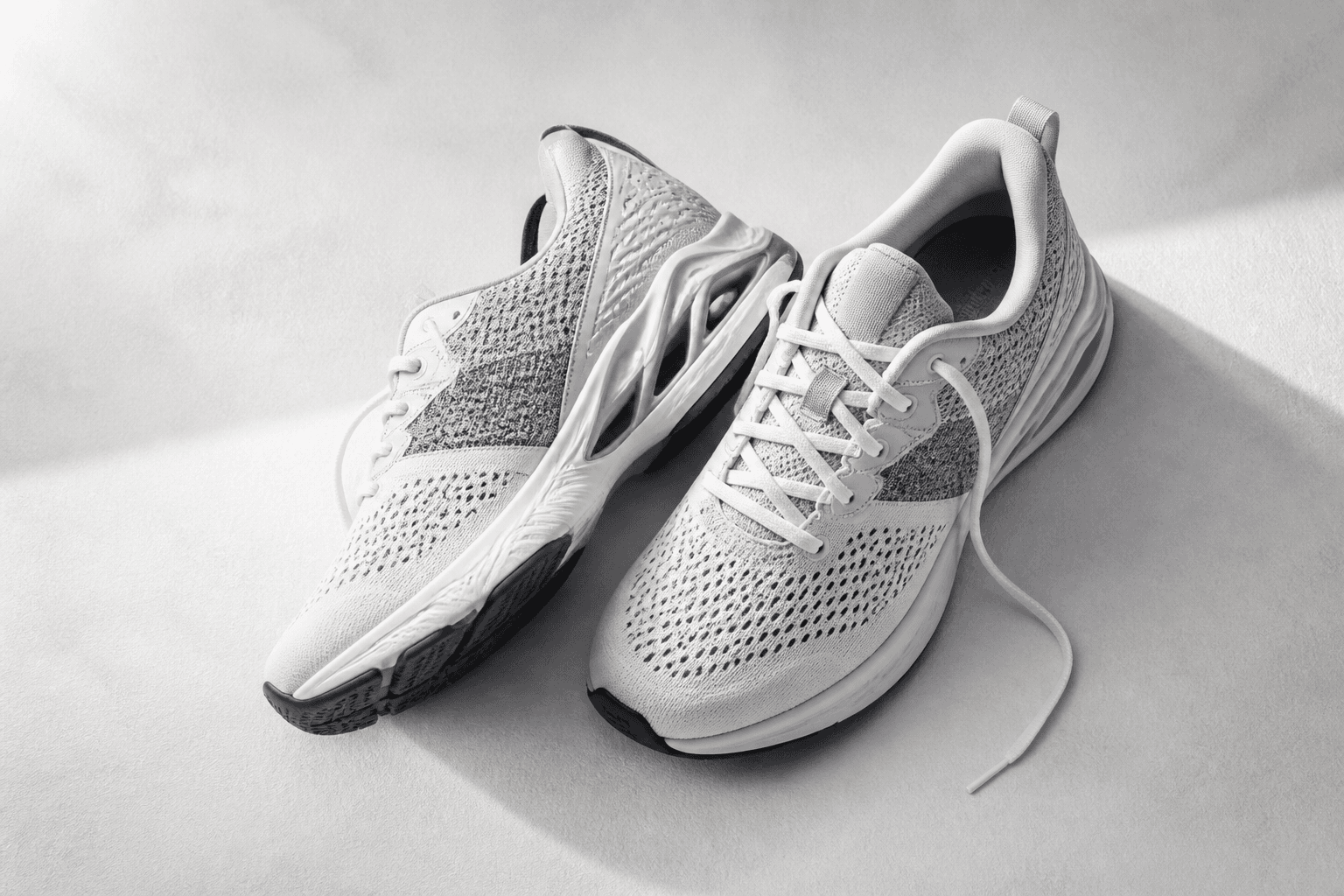
How to Choose Running Shoes
Terrain, training type, cushion, stability, fit and budget — without marketing noise.
Start here
New to this gear? Begin with these.
A short path through the concepts that matter most before you buy.
Buying guide
How to Choose Running Shoes
Terrain, training type, cushion, stability, fit and budget — without marketing noise.
Explainer
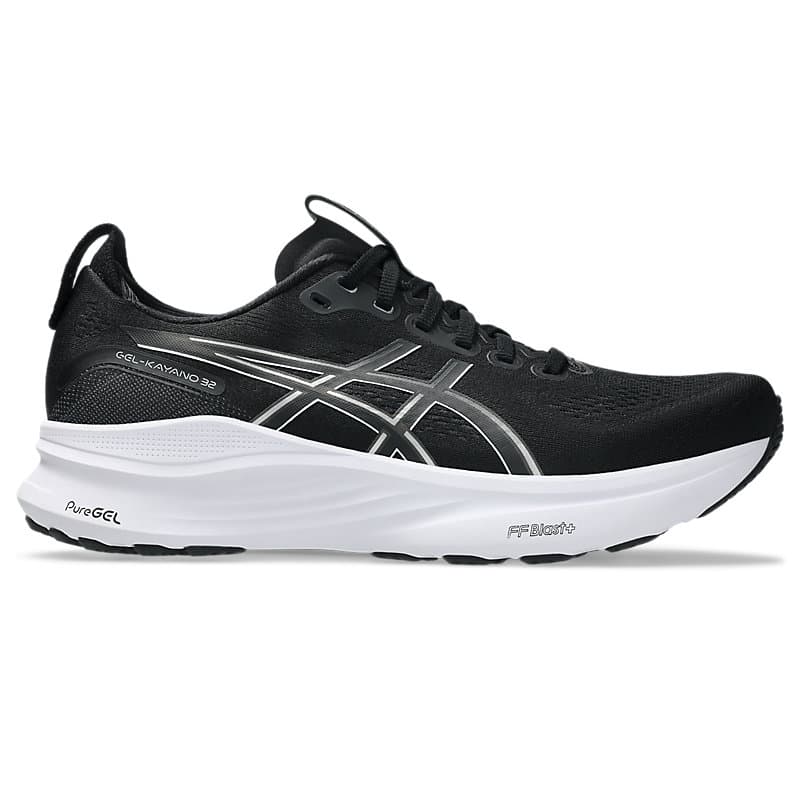
Stability Running Shoes Explained
How modern stability shoes create a more guided, secure ride, how they differ from neutral shoes, and what to consider when deciding whether one belongs in your rotation.
Explainer
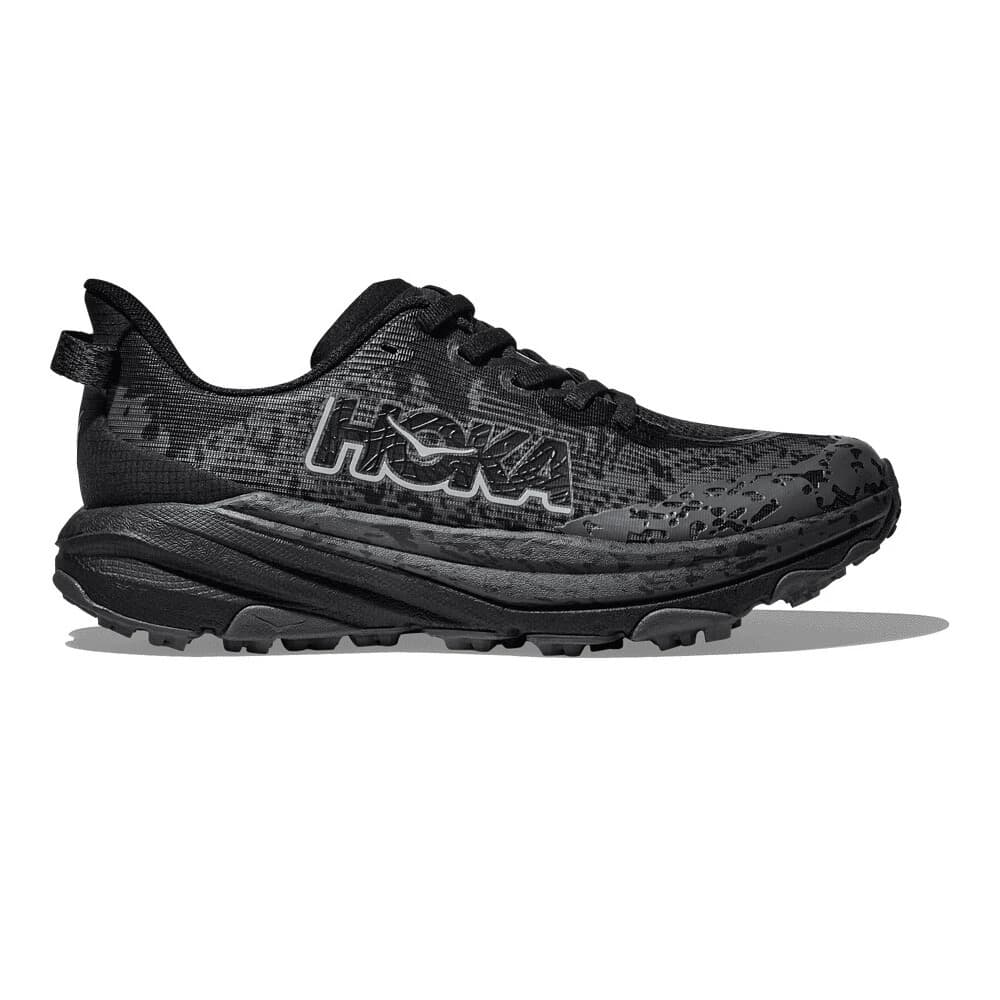
Running Shoe Drop Explained
What heel-to-toe drop means, how Kitletics buckets it, and what to consider when changing drop.
Explainer
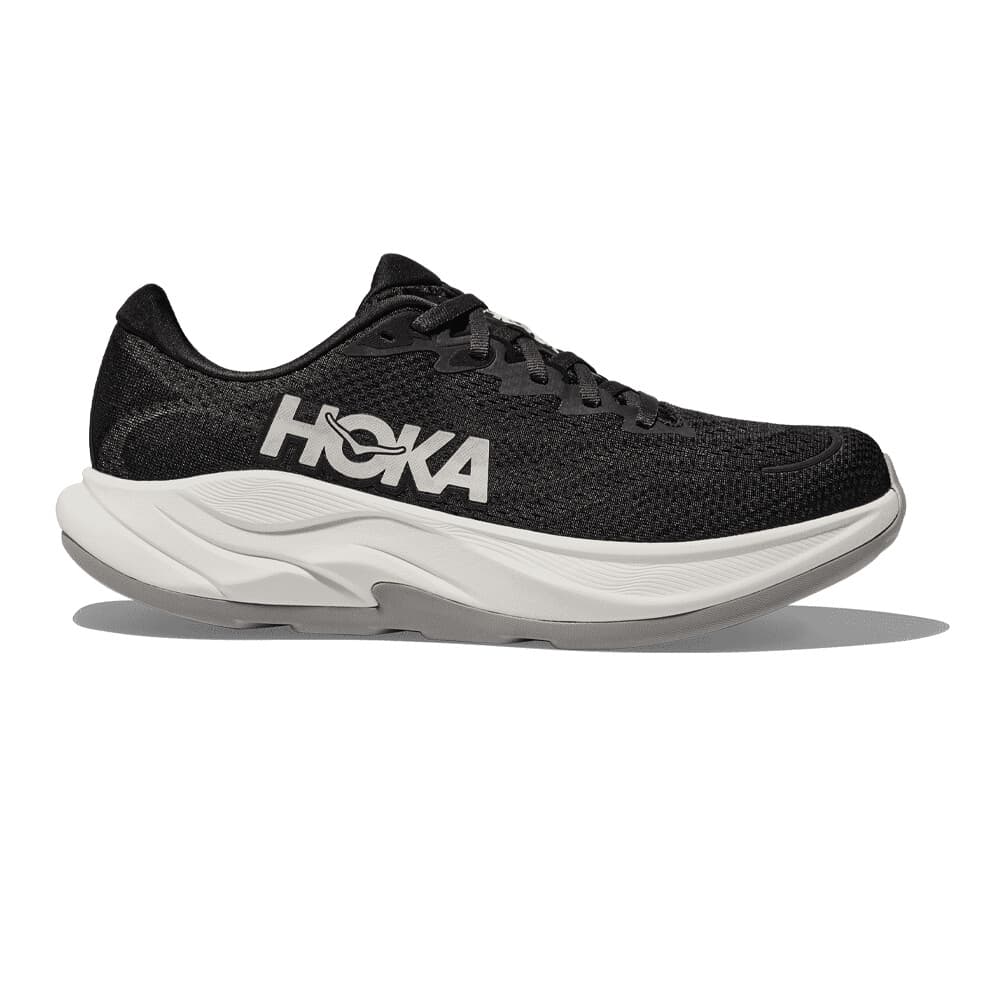
Running Shoe Cushioning Explained
Why stack height is not the same as softeness — and how Kitletics classifies cushion.
Guides by topic
Running shoes
How to choose, understand cushioning, stability, plates and rotation.
Explainer
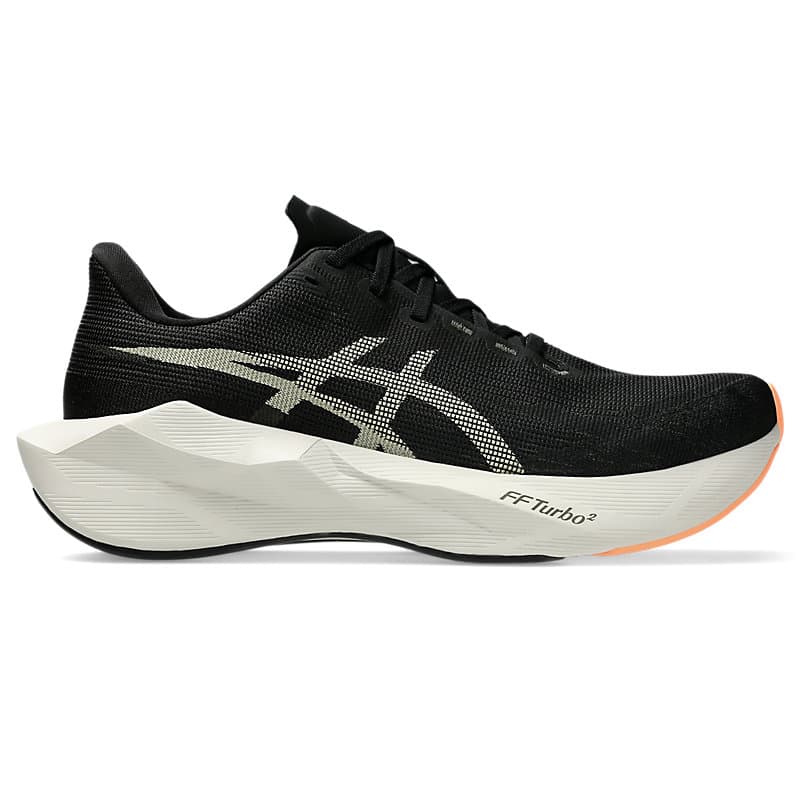
Running Shoe Terminology
A concise glossary of running shoe terms used across Kitletics Finders and guides.
Explainer
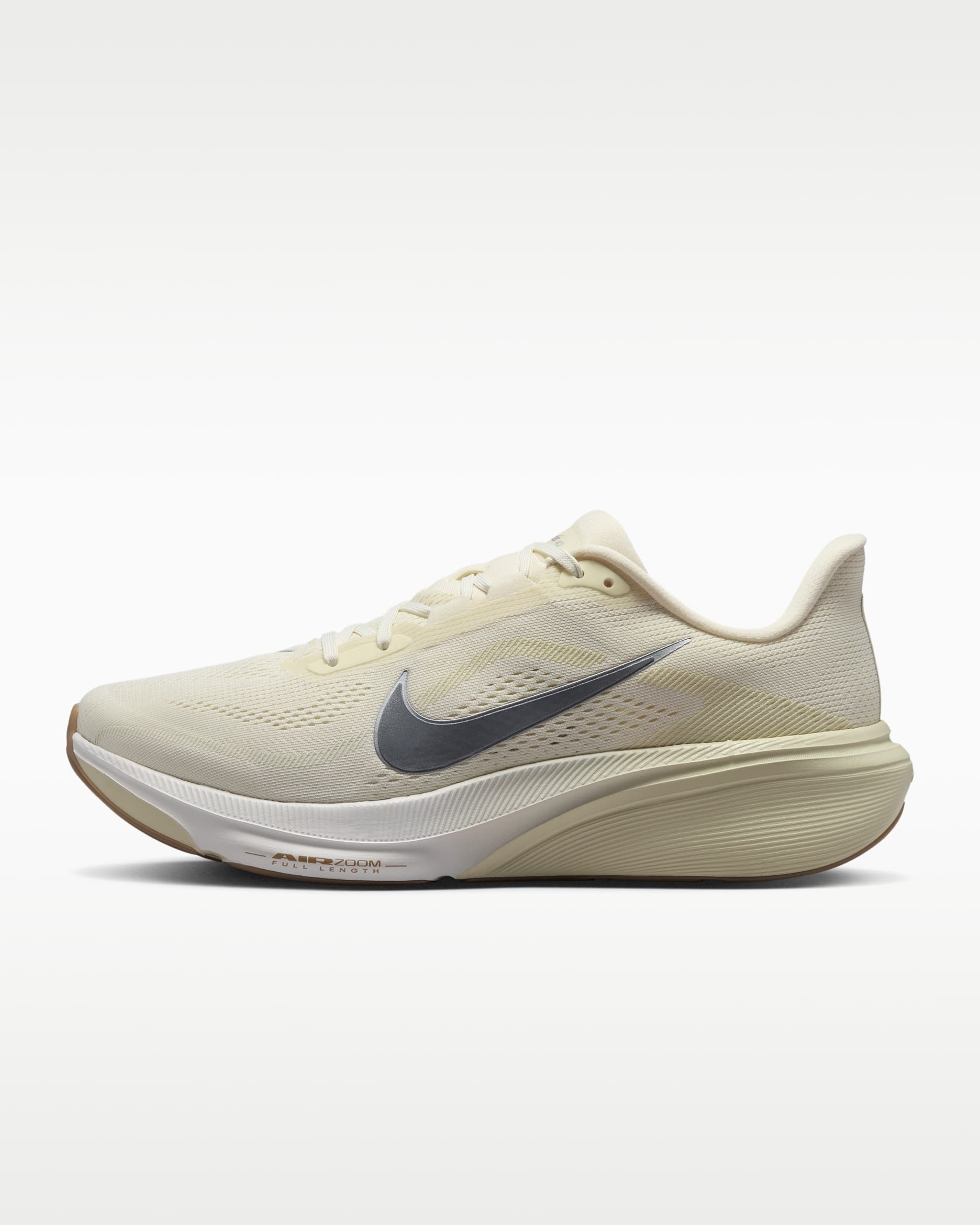
Running Shoe Rotation Explained
What a shoe rotation is, example 1–3 shoe structures, and how the Shoe Rotation Planner personalises coverage.
Comparison
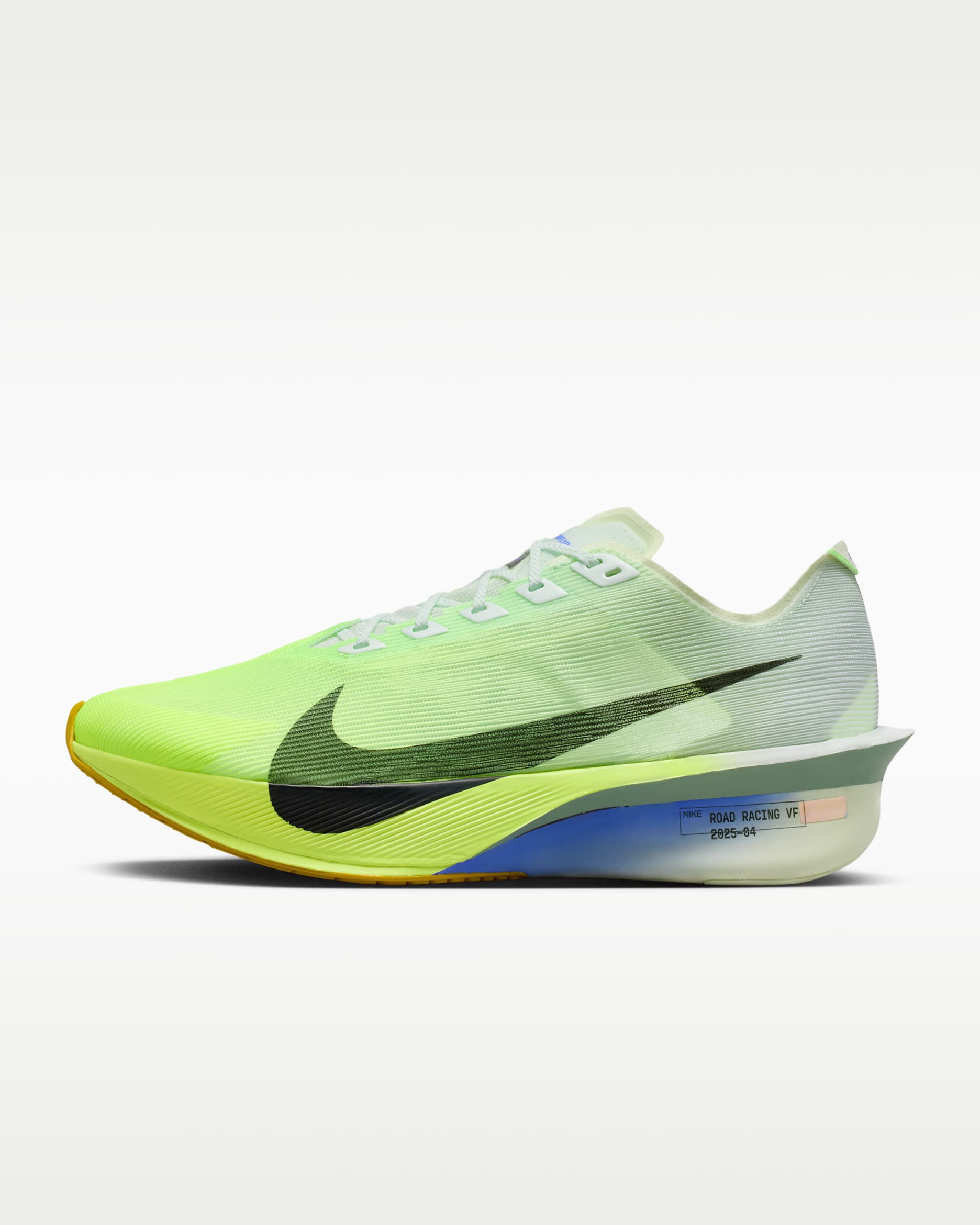
Carbon vs Nylon Plates
What plates do, carbon vs nylon/composite trade-offs, and race legality considerations.
Explainer
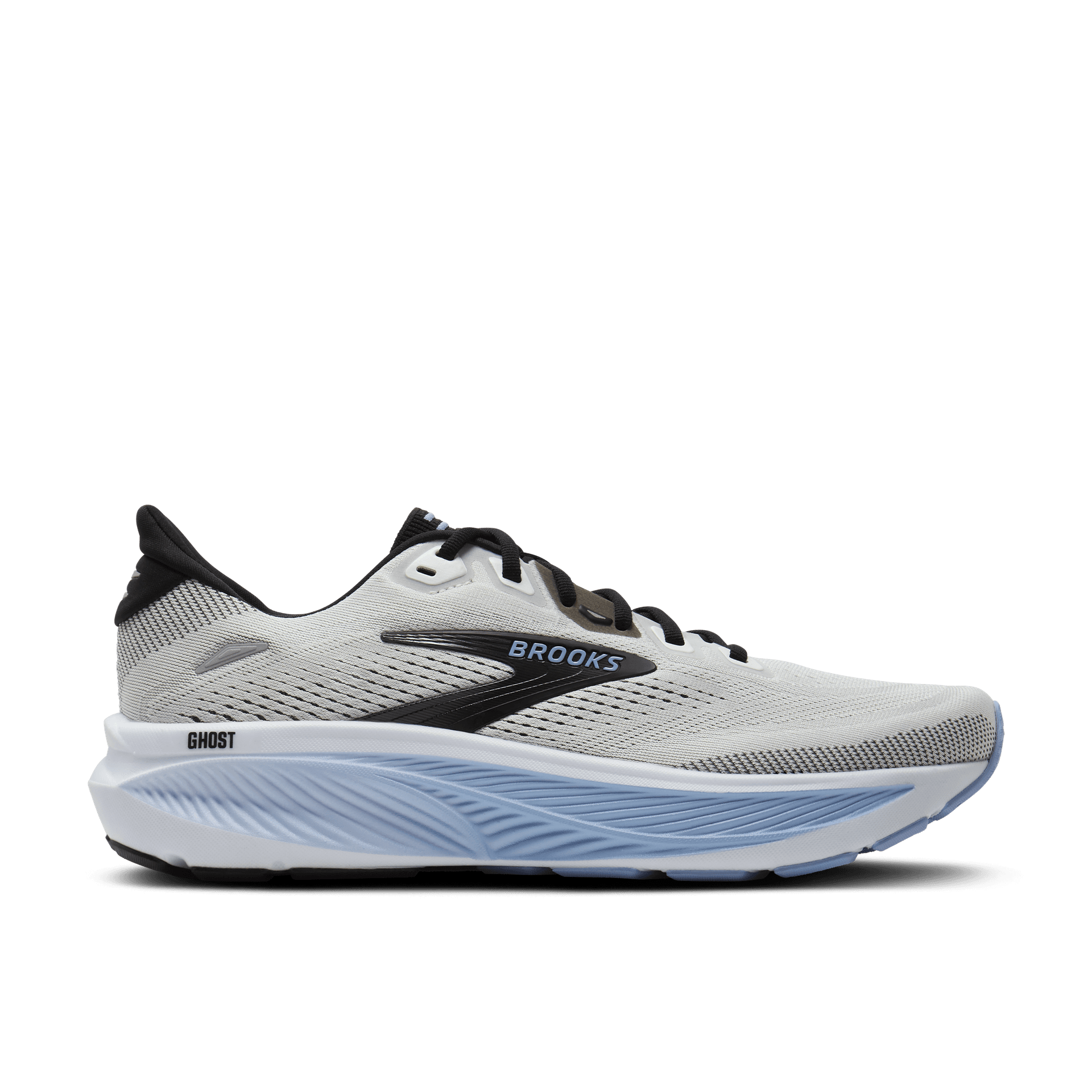
What Is a Daily Trainer?
Taxonomy education for daily trainers and how they differ from specialised shoes.
Comparison
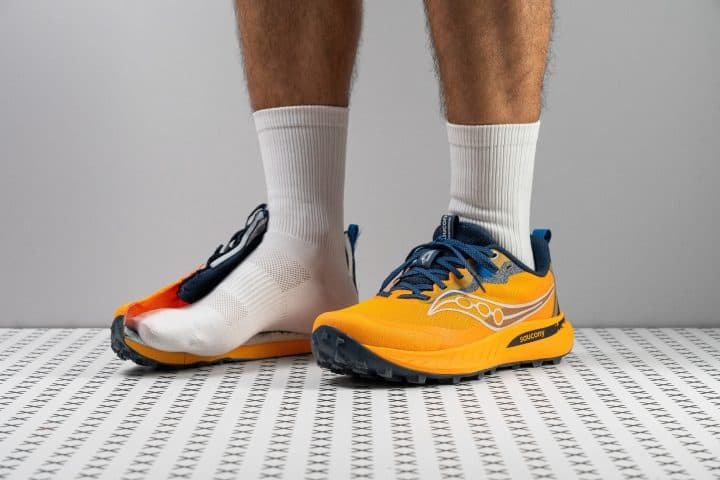
Road vs Trail Running Shoes
Why road and trail shoes are not interchangeable — grip, protection and intended terrain.
Decision guide
Shoe Jobs by Session Type
Easy, long, workout and race shoes do different jobs — mixing them without a plan is how rotations fail.
Guides by topic
Wearables
GPS watches, heart-rate monitors and related training tech.
Buying guide
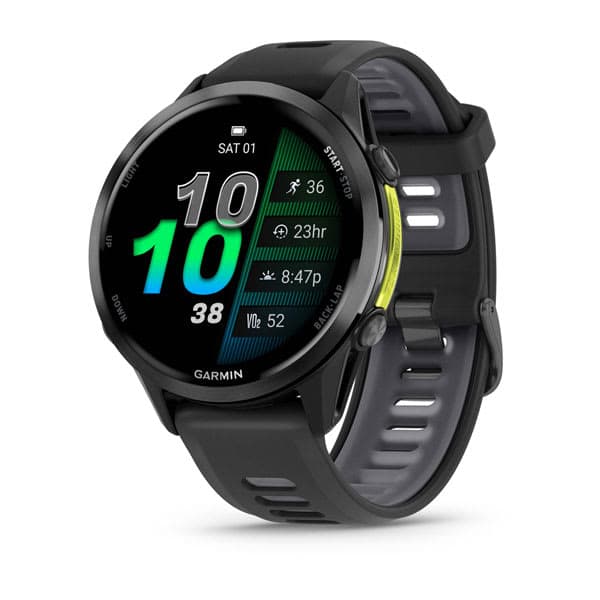
How to Choose a Running Watch
Decision framework for GPS running watches — without turning into an electronics encyclopedia.
Explainer
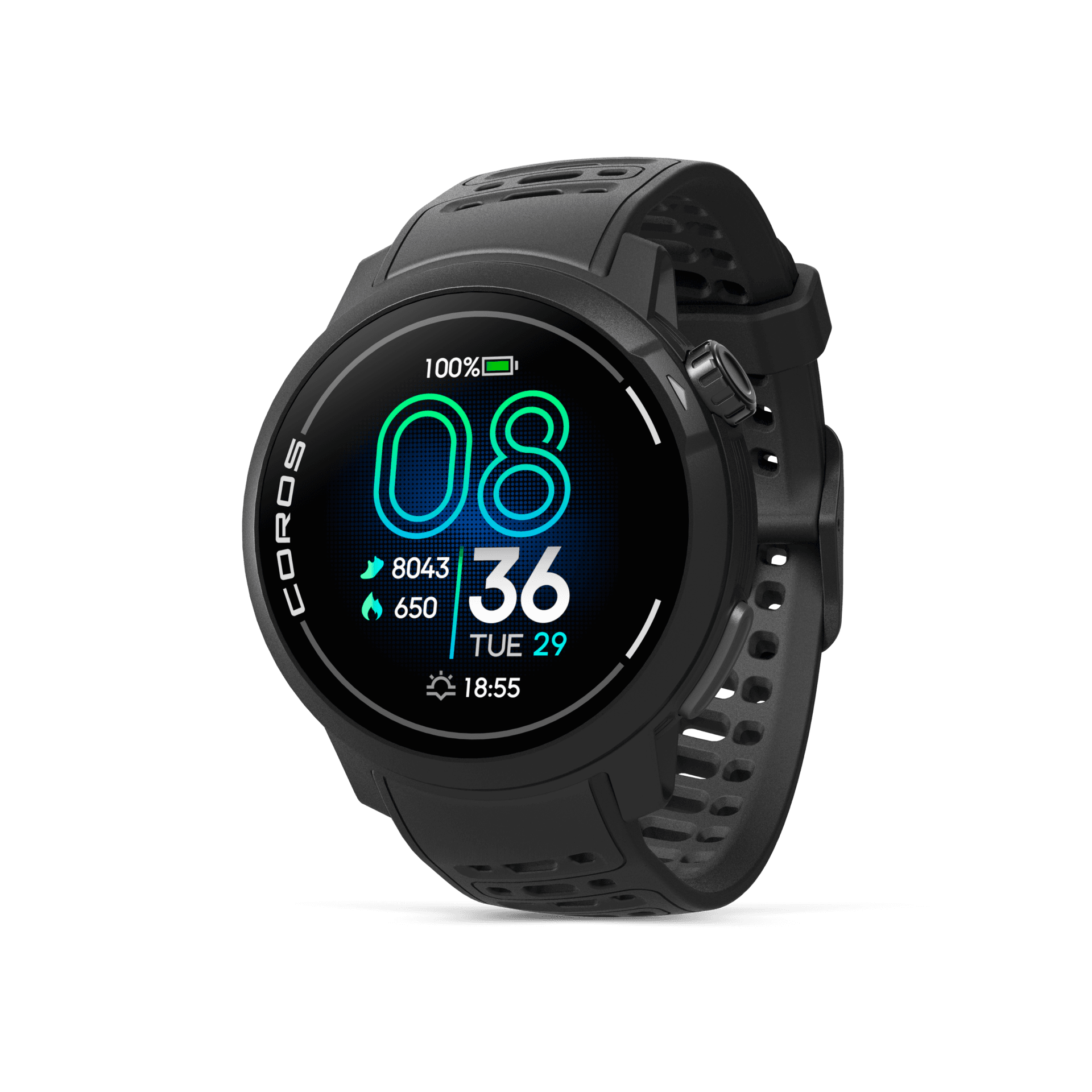
Multi-Band GPS for Running Watches
What multi-band GNSS means for runners — without an electronics deep dive.
Buying guide
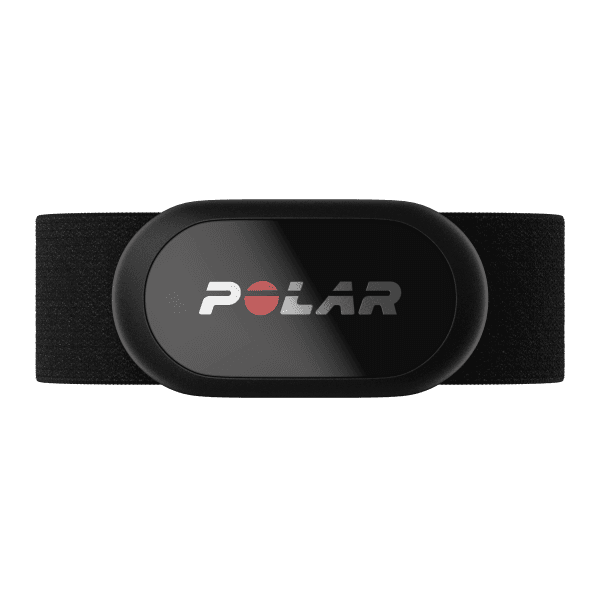
How to Choose a Heart Rate Monitor
Connectivity, placement and training use cases for running HR monitors.
Comparison
Optical Wrist HR vs Chest Strap for Runners
When wrist optical is enough — and when a chest or arm sensor earns a place in your kit.
Explainer
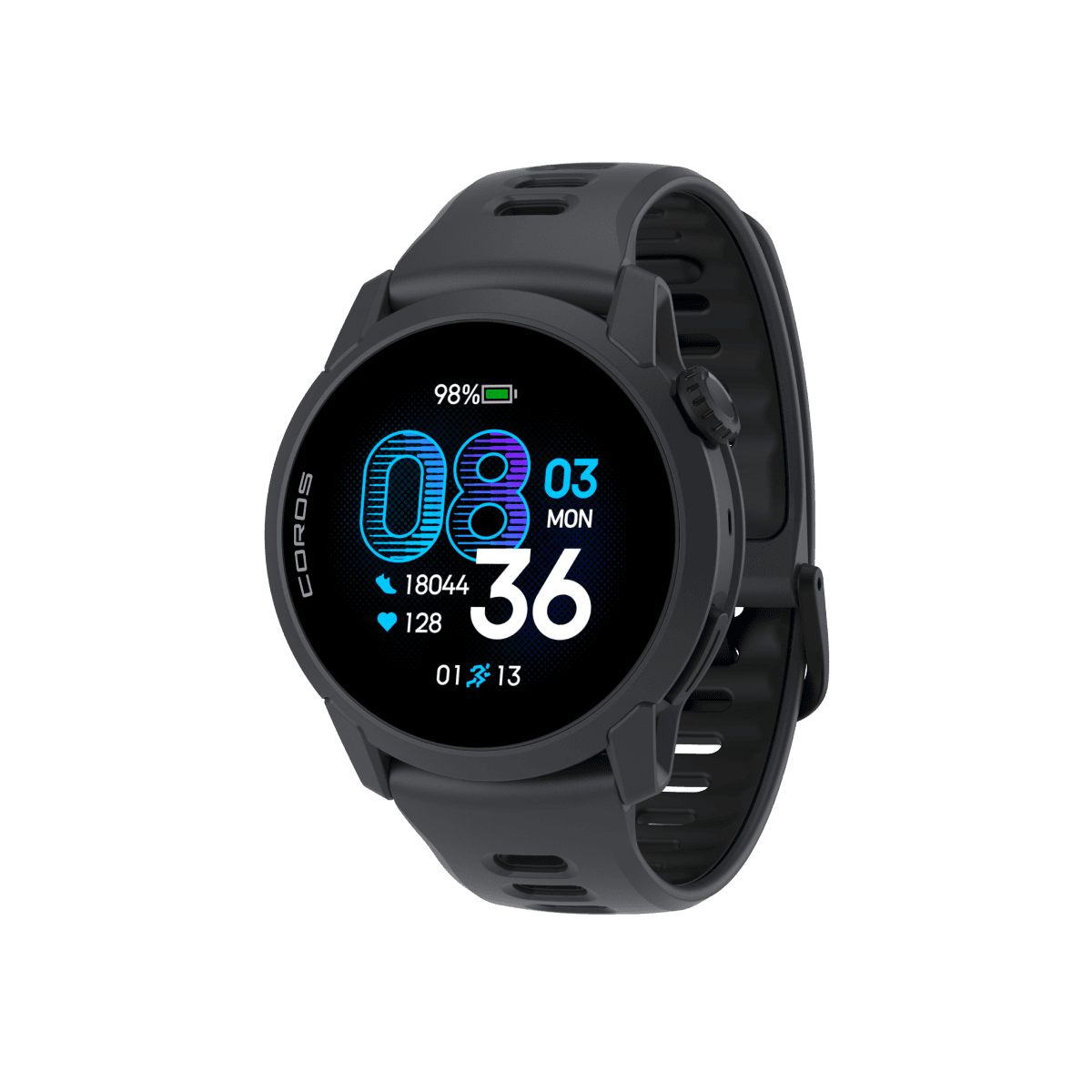
Running Watch Battery Life Explained
How GNSS mode, maps, music and always-on displays change real-world battery — beyond the marketing headline.
Explainer
Maps & Navigation on Running Watches
When onboard maps matter — and when breadcrumb navigation or a phone is enough.
Guides by topic
Hydration
Vests, belts and how to carry fluid on the run.
Buying guide
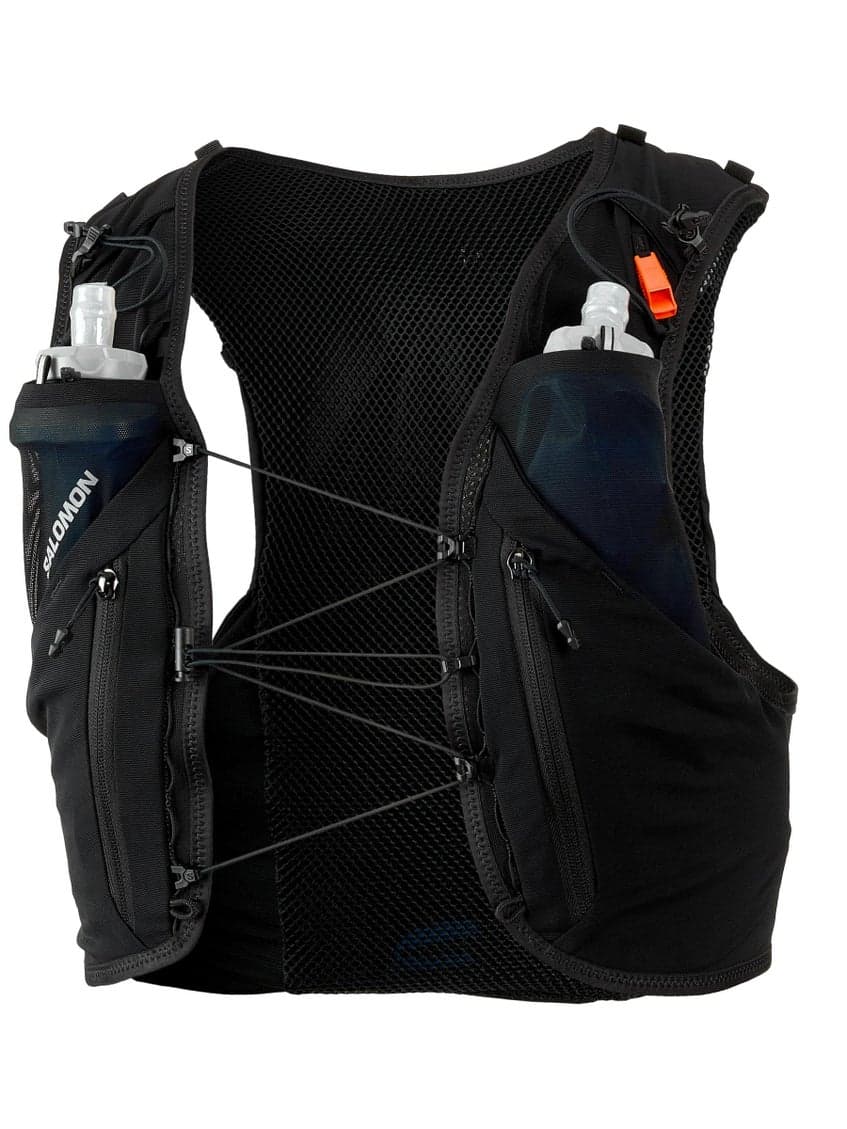
How to Choose a Running Hydration Vest
Decision framework for hydration vests — capacity, fit and carry strategy.
Comparison
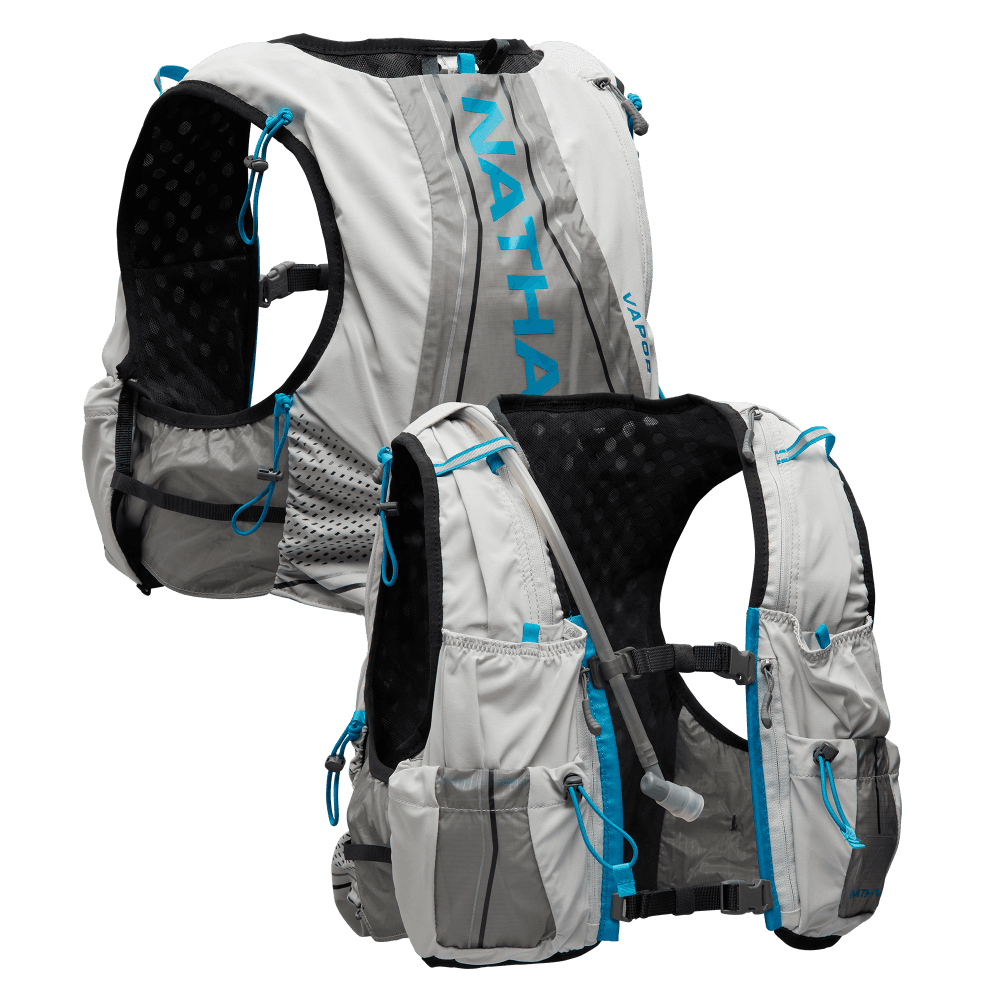
Hydration Vest vs Running Belt
Conceptual guide comparing product types — not a specific Product vs Product comparison.
Decision guide
How to Carry Fuel on Long Runs
Match fuel volume to carry system — belt vs vest vs shorts pockets — so gels and bottles stay bounce-free and reachable.
Comparison
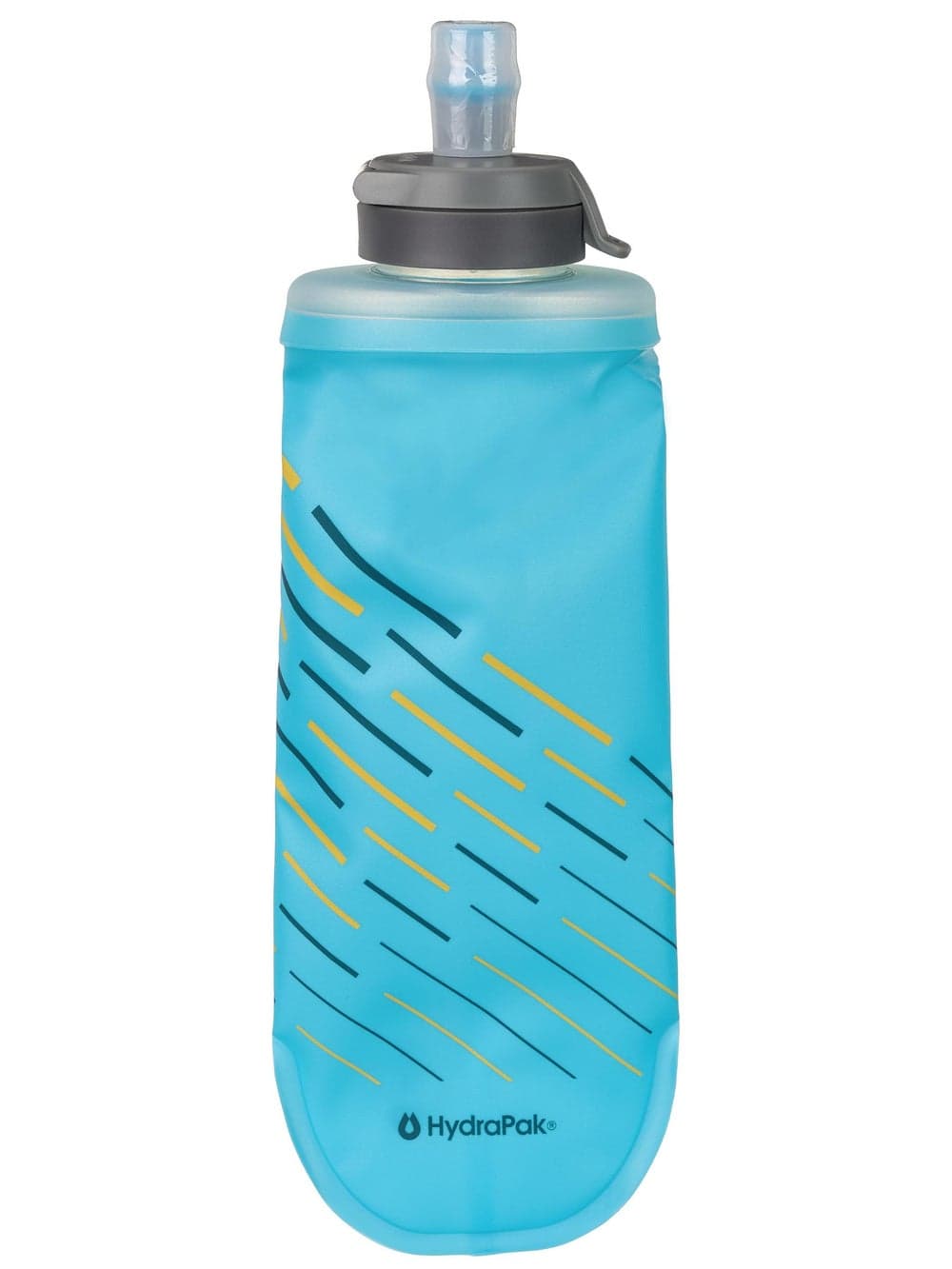
Soft Flasks vs Hydration Bladders Explained
Front flasks for access and monitoring — bladders for volume. Choose by refill and route support.
Buying guide
How to Choose a Running Belt
Pick a belt for bounce control, bottle compatibility and the kit you actually carry — not maximum advertised storage.
Buying guide
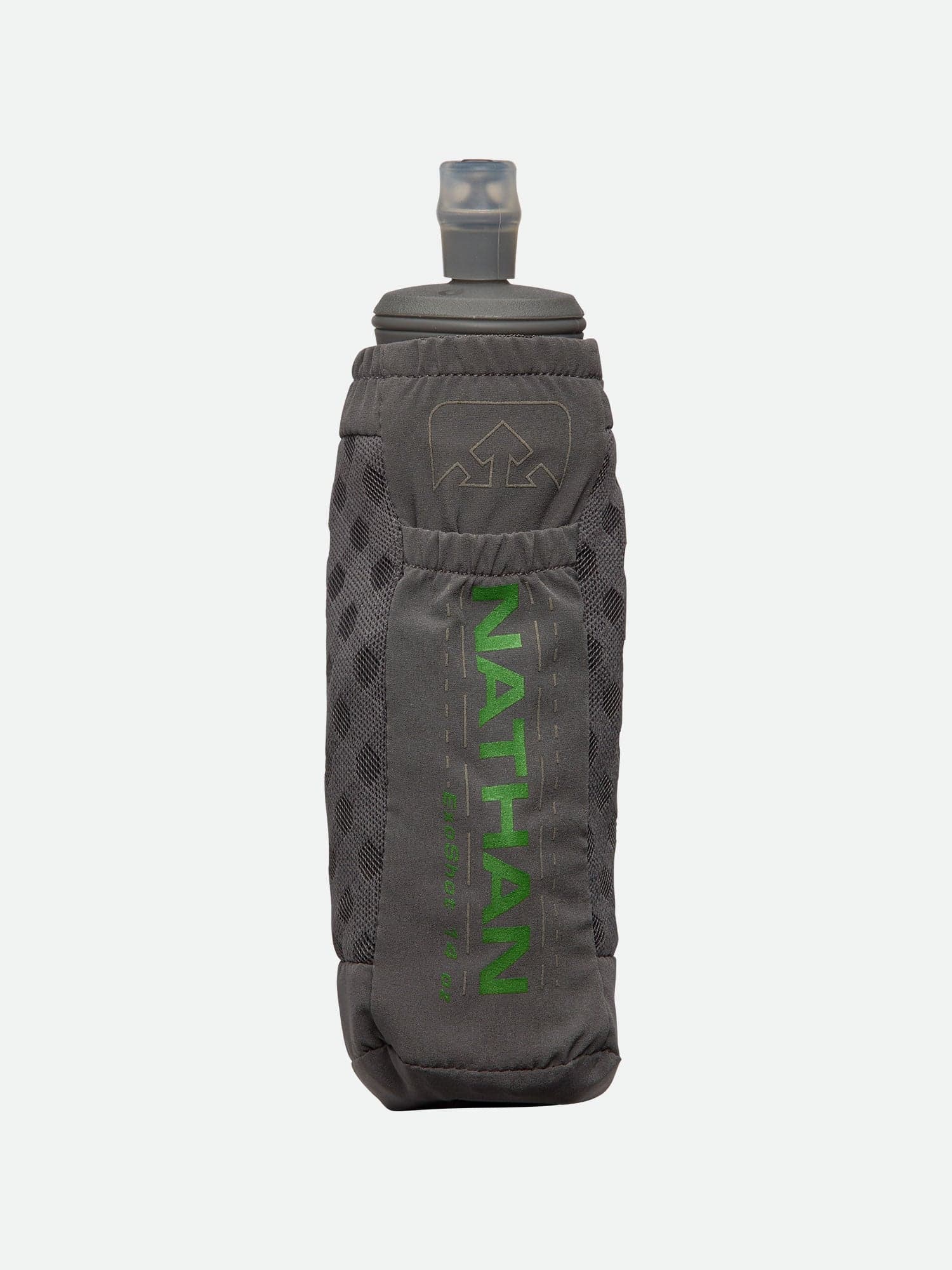
Handheld Bottles for Running
When a handheld beats a belt or vest — and how strap comfort and capacity decide it.
Guides by topic
Apparel & accessories
Socks, jackets, headlamps, headphones and related run accessories.
Buying guide
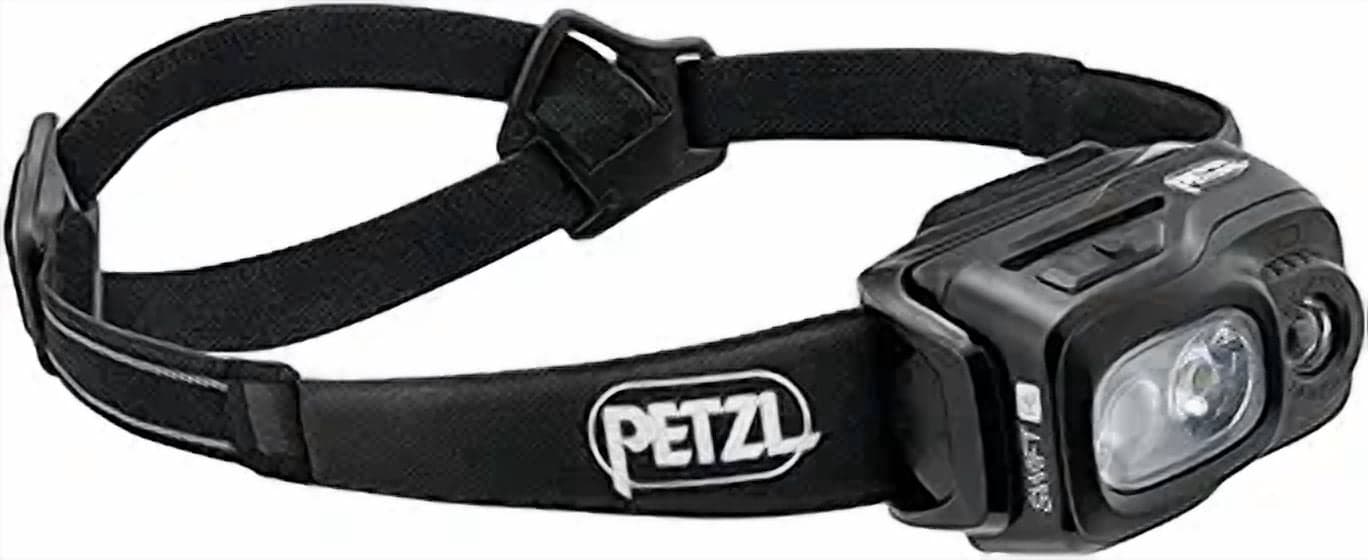
How to Choose a Running Headlamp
Decision framework for running headlamps used on dark roads and trails.
Comparison
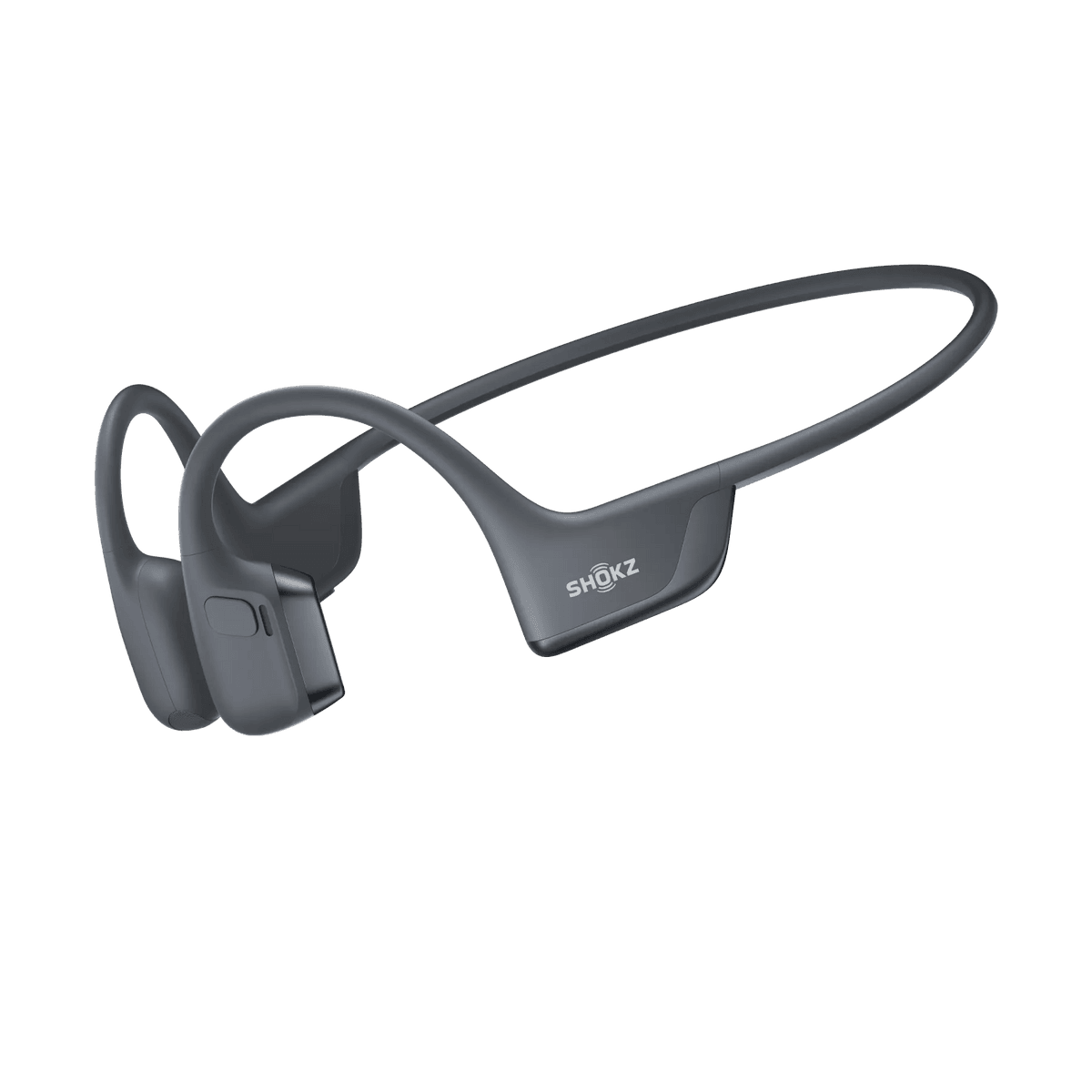
Open-Ear vs In-Ear Running Headphones
Open-ear and bone conduction vs sealed in-ears — with careful outdoor safety wording.
Buying guide
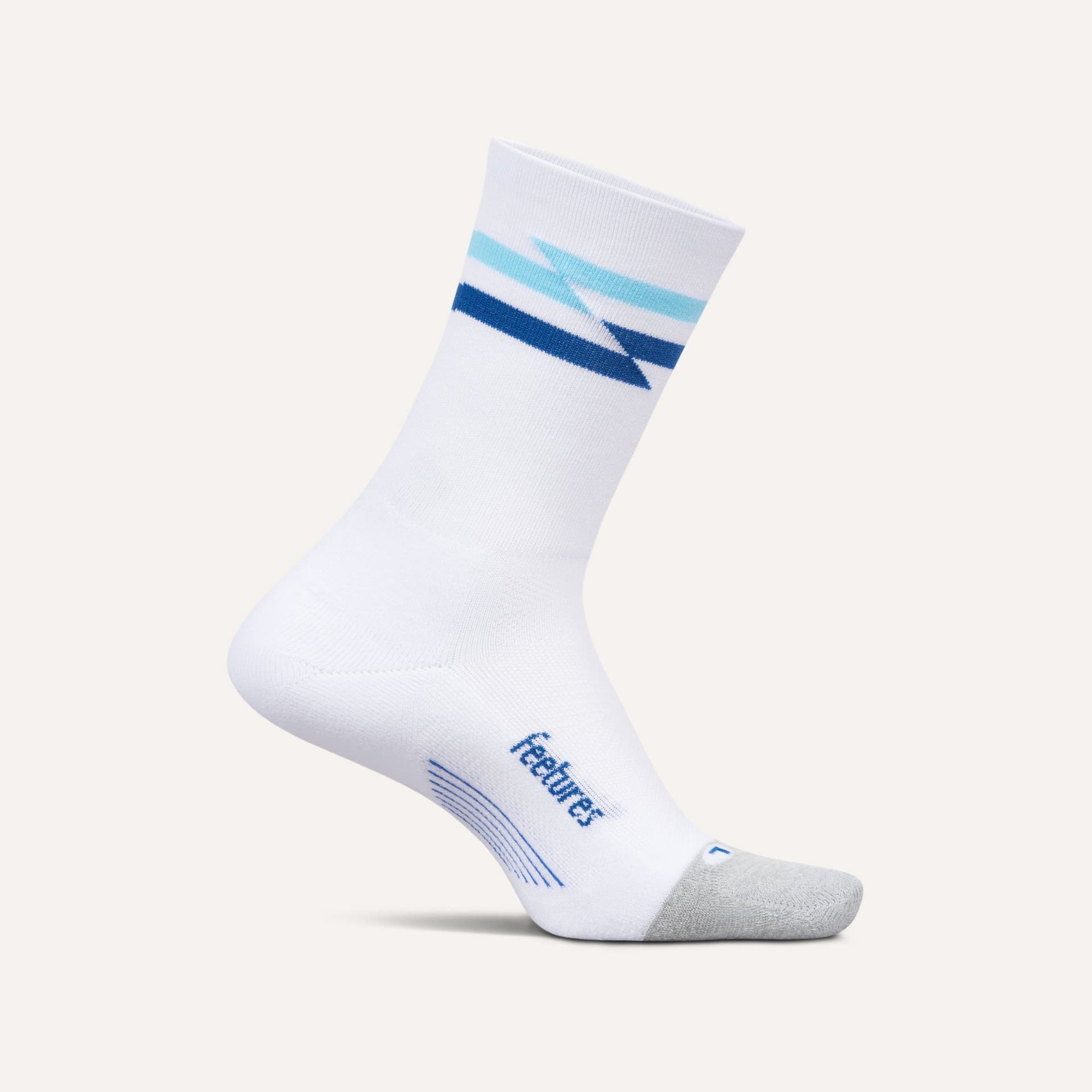
How to Choose Running Socks
Cushion zones, height and moisture management matter more than logo colour — match socks to blister risk and shoe volume.
Explainer
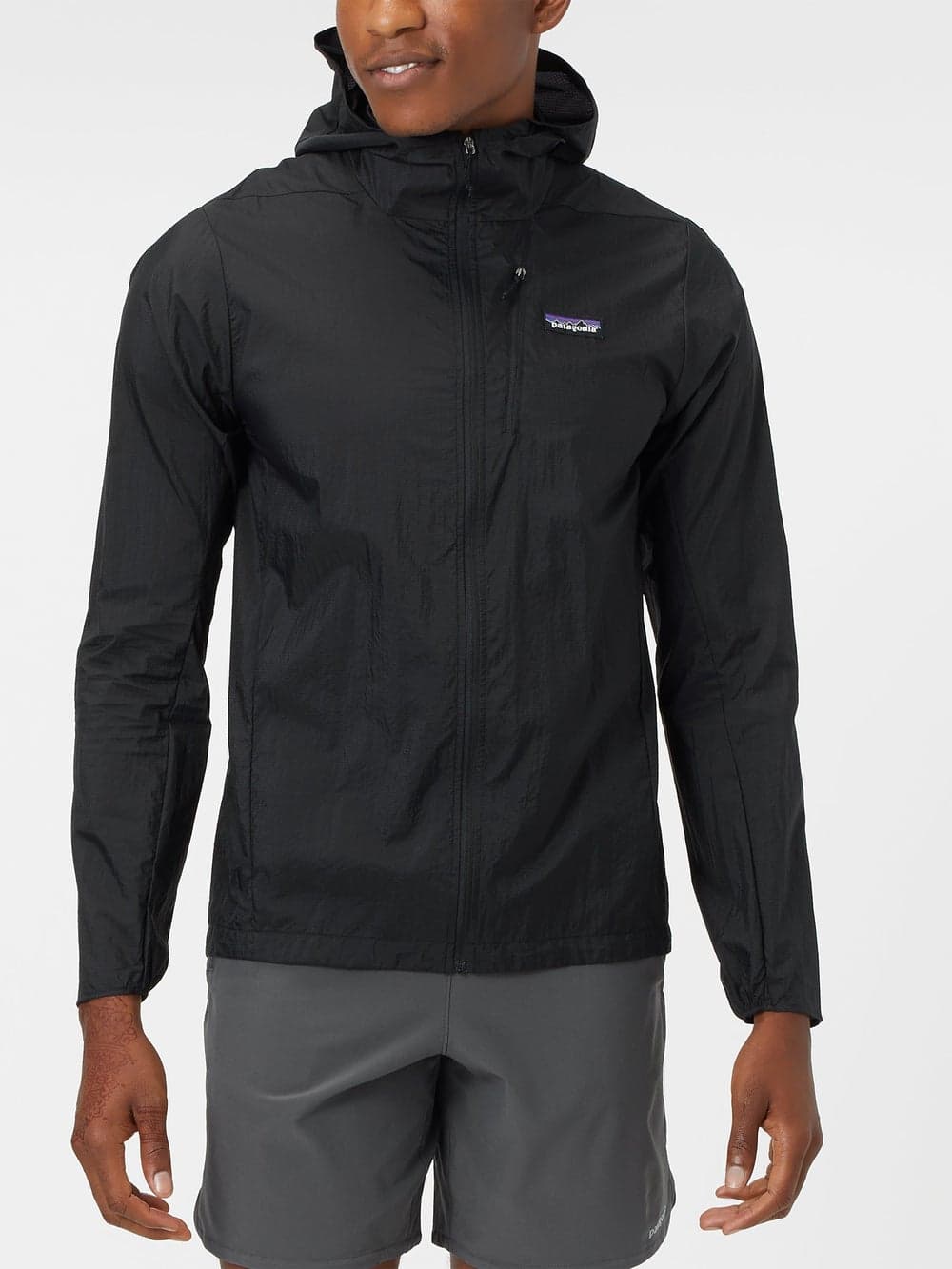
Running Jackets Explained
Wind shell vs waterproof — choose by rain intensity, breathability needs and how hard you run in it.
Decision guide
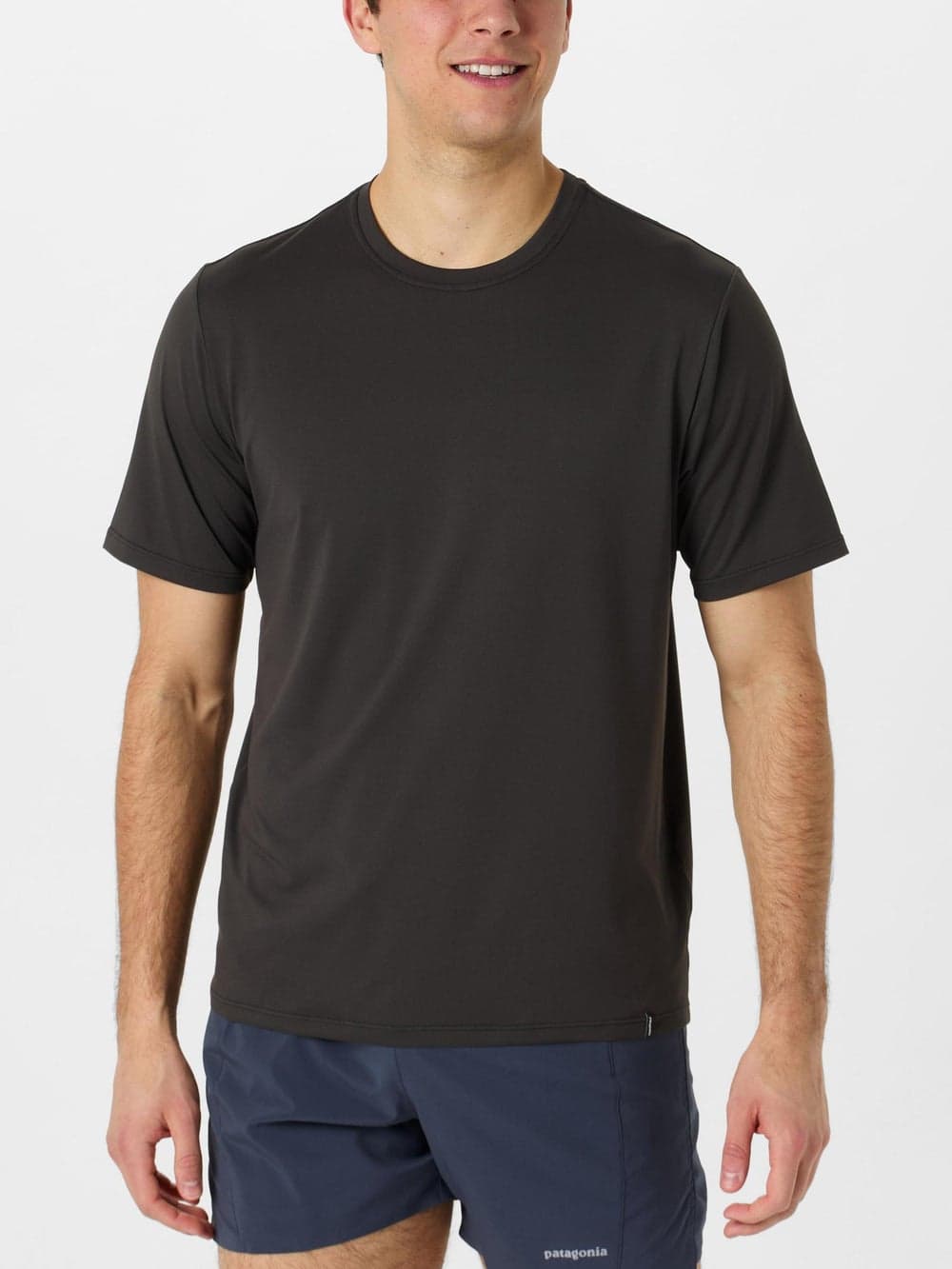
Hot-Weather Running Apparel
Light fabrics, coverage choices and colour — stay cooler without guessing at miracle cooling claims.
Setup guide
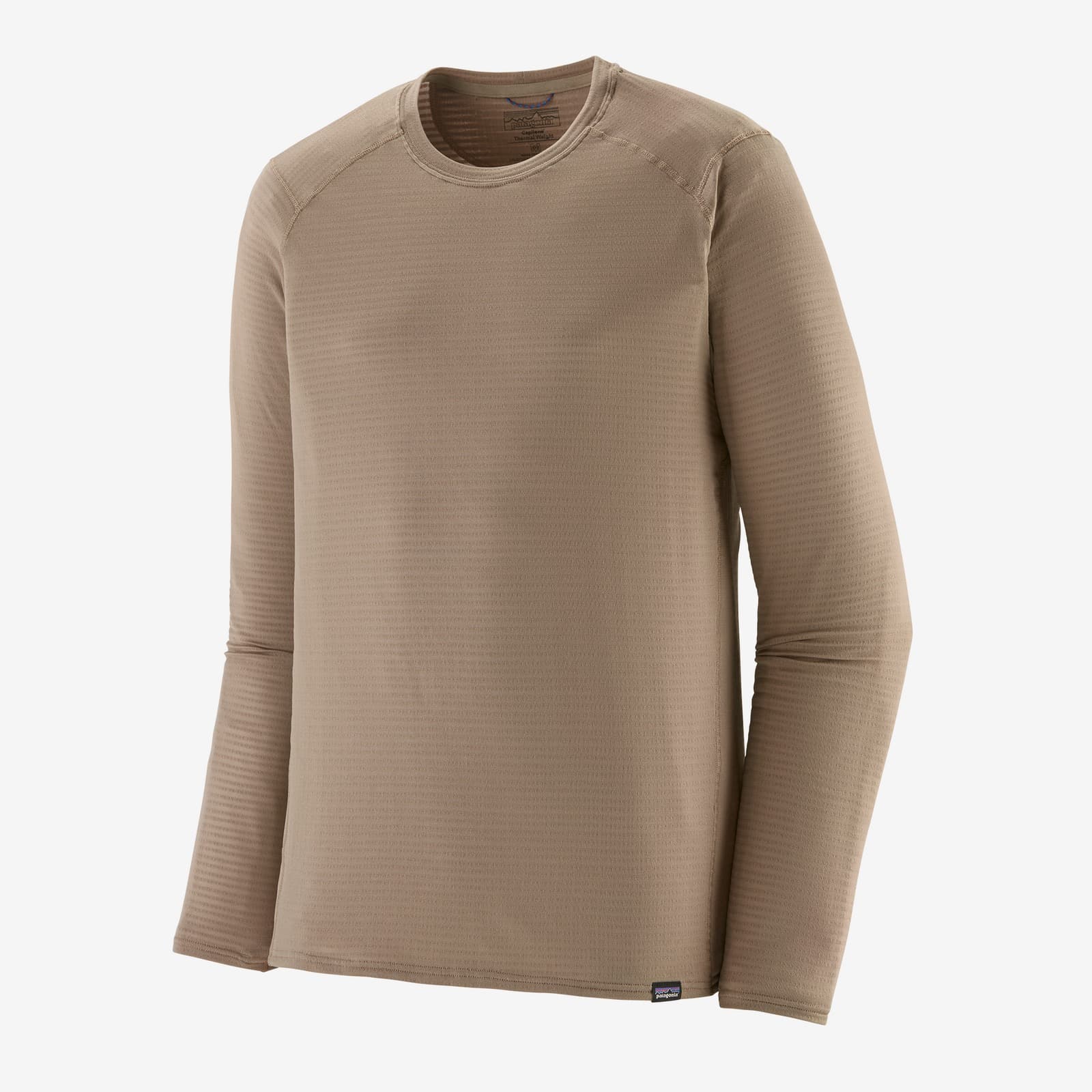
Winter Layering for Runners
Base, mid and shell — dress for the second mile, not the first block of wind.
Guides by topic
Fuel & nutrition
Gels, drink mixes, chews and how to carry fuel on long runs.
Explainer
Running Gels Explained
How energy gels differ by texture, carb dose and caffeine options — product decision education, not medical advice.
Decision guide
How to Carry Fuel on Long Runs
Match fuel volume to carry system — belt vs vest vs shorts pockets — so gels and bottles stay bounce-free and reachable.
Comparison
Gel vs Drink Mix vs Chews
Practical differences between gels, bottle drink mixes and chewables — when to mix formats on long efforts.
Explainer
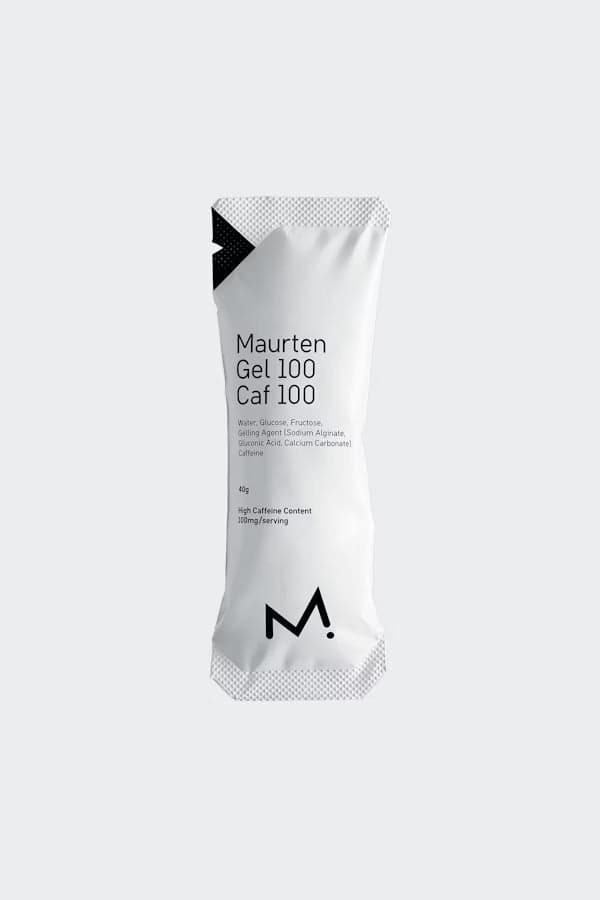
Caffeine in Running Fuel Explained
How caffeinated gels and drinks differ as product choices — preference and label mg, not medical dosing.
Guides by topic
Recovery
Massage tools, rollers and evidence-aware recovery gear.
Explainer
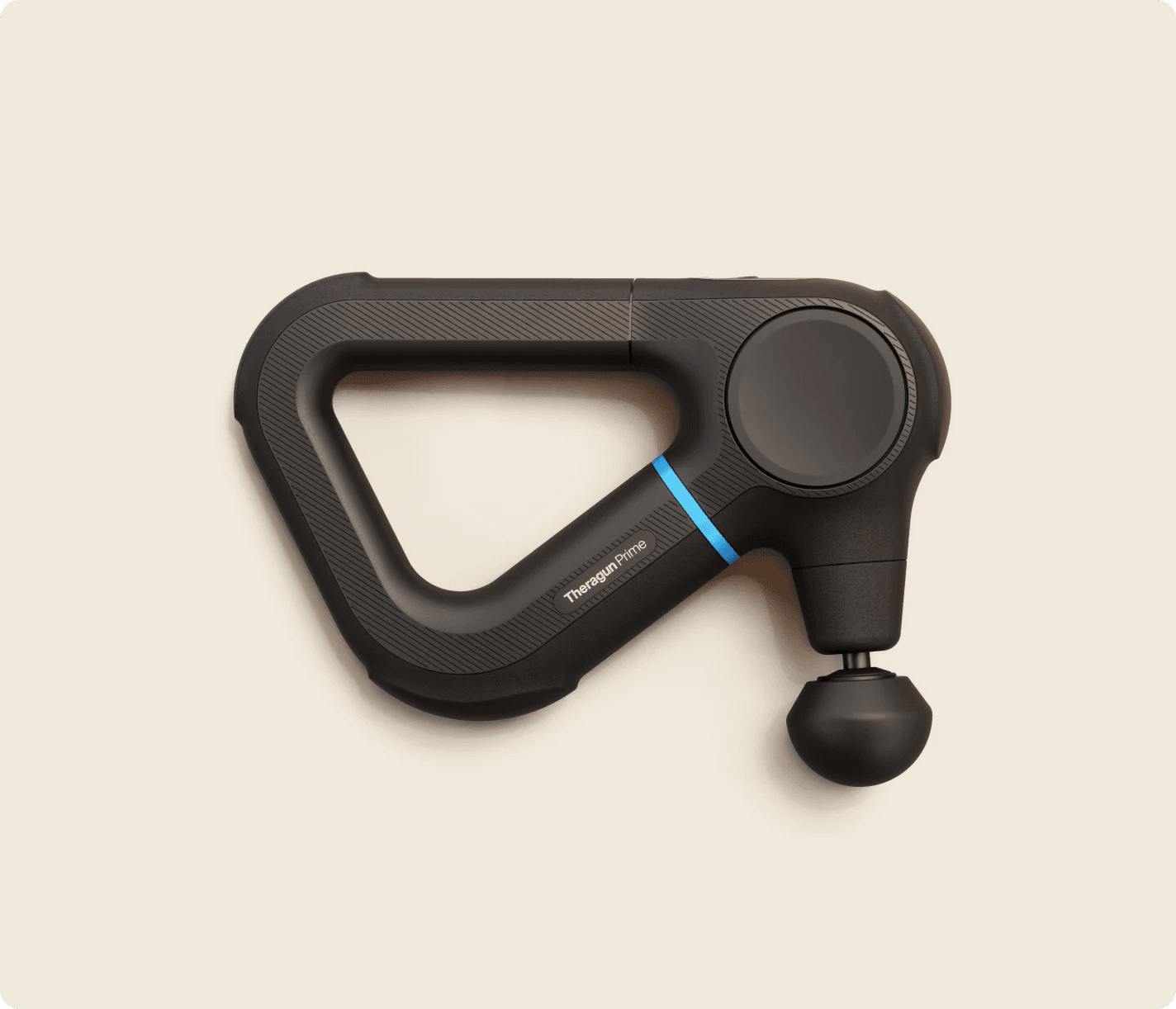
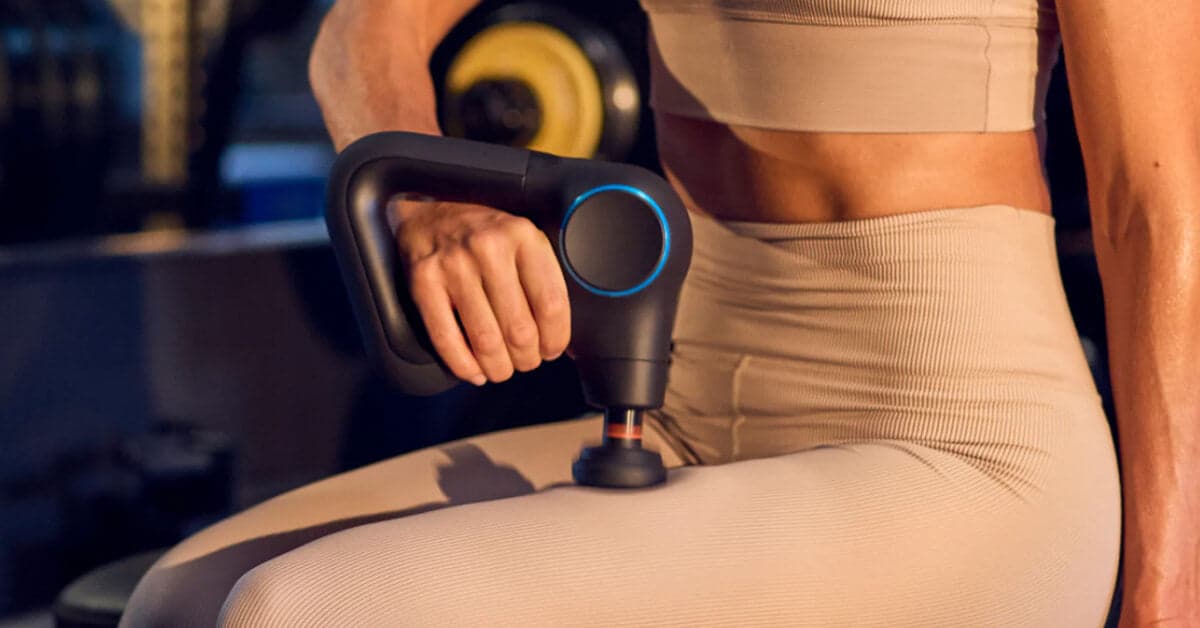
Massage Guns Explained
How massage guns differ by size, power and portability — what they are for, what brands claim, and what Kitletics will not establish.
Explainer
Foam Rolling for Runners
How foam rollers and related tools differ for practical soft-tissue work — comfort preference, not injury treatment.
Technical guide
Recovery Tools: What Evidence Shows (and Doesn't)
How Kitletics separates manufacturer marketing from what we will and will not establish about running recovery tools.
Decision guide
When to Use a Massage Gun
Short, controlled soft-tissue sessions — not a substitute for rest, load management or clinical care.
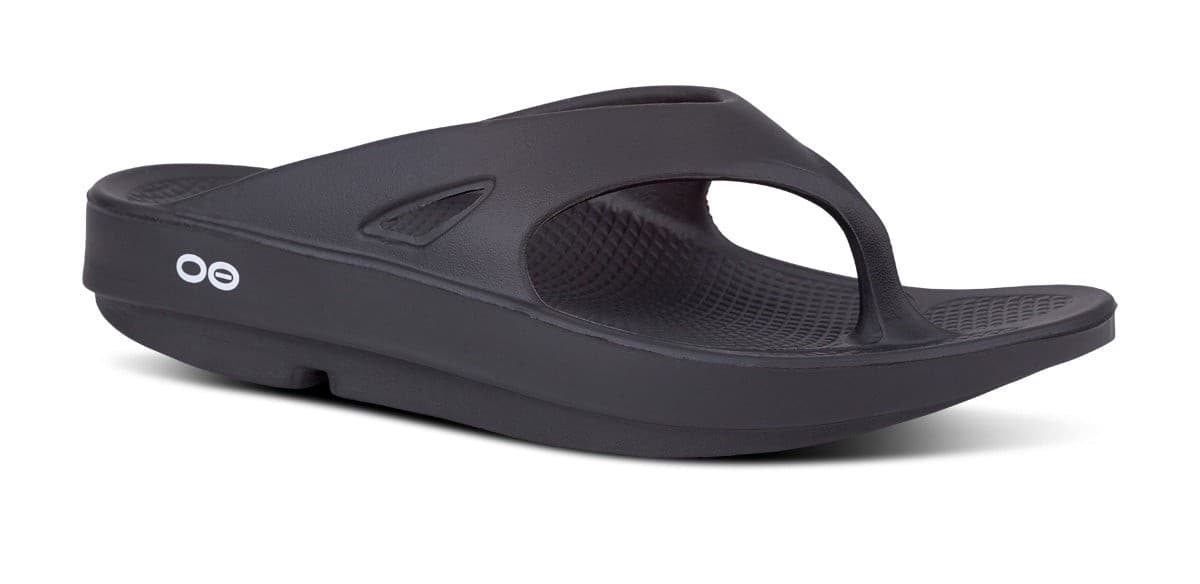
Buying guide
Recovery Sandals for Runners
Soft post-run footwear for walking around after hard days — comfort preference, not medical treatment.
Guides by topic
Training & racing
Session types, race kits and training setups.
Explainer
Running Shoe Rotation Explained
What a shoe rotation is, example 1–3 shoe structures, and how the Shoe Rotation Planner personalises coverage.
Comparison
Carbon vs Nylon Plates
What plates do, carbon vs nylon/composite trade-offs, and race legality considerations.
Decision guide
Hydration for Marathon Training
Match carry to long-run support — belts for city loops, vests when heat and duration stack up.
Decision guide
Shoe Jobs by Session Type
Easy, long, workout and race shoes do different jobs — mixing them without a plan is how rotations fail.

Setup guide
First Marathon Gear Checklist
Shoes, socks, watch, carry and fuel — lock the kit in training, not at the expo.
Setup guide
Trail Race Kit Essentials
Mandatory kit, water, layers and navigation — build from the race rules outward, not from Instagram packs.
Buying guides
Guides that help you decide what to buy
Direct purchase advice tied to real products and use cases.
Buying guide
How to Choose Running Shoes
Terrain, training type, cushion, stability, fit and budget — without marketing noise.
Buying guide
How to Choose a Running Watch
Decision framework for GPS running watches — without turning into an electronics encyclopedia.
Buying guide
How to Choose a Heart Rate Monitor
Connectivity, placement and training use cases for running HR monitors.
Buying guide
How to Choose a Running Hydration Vest
Decision framework for hydration vests — capacity, fit and carry strategy.
Buying guide
How to Choose a Running Headlamp
Decision framework for running headlamps used on dark roads and trails.
Buying guide
How to Choose a Running Belt
Pick a belt for bounce control, bottle compatibility and the kit you actually carry — not maximum advertised storage.
Gear explained
Concepts worth understanding
Terminology, geometry and tech — so recommendations make sense.
Explainer
Running Shoe Terminology
A concise glossary of running shoe terms used across Kitletics Finders and guides.
Explainer
Running Shoe Cushioning Explained
Why stack height is not the same as softeness — and how Kitletics classifies cushion.
Explainer
Running Shoe Rotation Explained
What a shoe rotation is, example 1–3 shoe structures, and how the Shoe Rotation Planner personalises coverage.
Explainer
Stability Running Shoes Explained
How modern stability shoes create a more guided, secure ride, how they differ from neutral shoes, and what to consider when deciding whether one belongs in your rotation.
Explainer
Running Shoe Drop Explained
What heel-to-toe drop means, how Kitletics buckets it, and what to consider when changing drop.
Explainer
What Is a Daily Trainer?
Taxonomy education for daily trainers and how they differ from specialised shoes.
Explainer
Multi-Band GPS for Running Watches
What multi-band GNSS means for runners — without an electronics deep dive.
Explainer
Running Gels Explained
How energy gels differ by texture, carb dose and caffeine options — product decision education, not medical advice.
Comparisons
Decision guides
Side-by-side choices when two good options look similar.
Comparison
Carbon vs Nylon Plates
What plates do, carbon vs nylon/composite trade-offs, and race legality considerations.
Comparison
Road vs Trail Running Shoes
Why road and trail shoes are not interchangeable — grip, protection and intended terrain.
Comparison
Hydration Vest vs Running Belt
Conceptual guide comparing product types — not a specific Product vs Product comparison.
Comparison
Open-Ear vs In-Ear Running Headphones
Open-ear and bone conduction vs sealed in-ears — with careful outdoor safety wording.
Decision guide
How to Carry Fuel on Long Runs
Match fuel volume to carry system — belt vs vest vs shorts pockets — so gels and bottles stay bounce-free and reachable.
Comparison
Gel vs Drink Mix vs Chews
Practical differences between gels, bottle drink mixes and chewables — when to mix formats on long efforts.
Looking for recommendations?
Best Guides are different
Educational Guides explain how gear works. Best Guides shortlist what to buy for a specific use case.
Best Running Shoes 2026
Evidence-led shortlist mapped to real use cases — not a generic top-10 or affiliate ranking.
9 recommendations

Best Daily Trainers
Daily trainers scored for easy and mixed-pace road suitability.
9 recommendations

Best Running Shoes for Long Runs
Road shoes evaluated across the current long-run catalog — recommendations only where they add distinct decision value.
7 recommendations
Best Stability Running Shoes
Stability shoes from structured classifications — not a medical diagnosis of overpronation.
7 recommendations
Ready to choose?
Ready to choose?
Use the Running Shoe Finder to turn what you’ve learned into a personalized shortlist — based on how you run, not a medical gait exam.
Running reviews
Latest product reviews
Compact evidence from our review library — useful after you’ve narrowed the field.
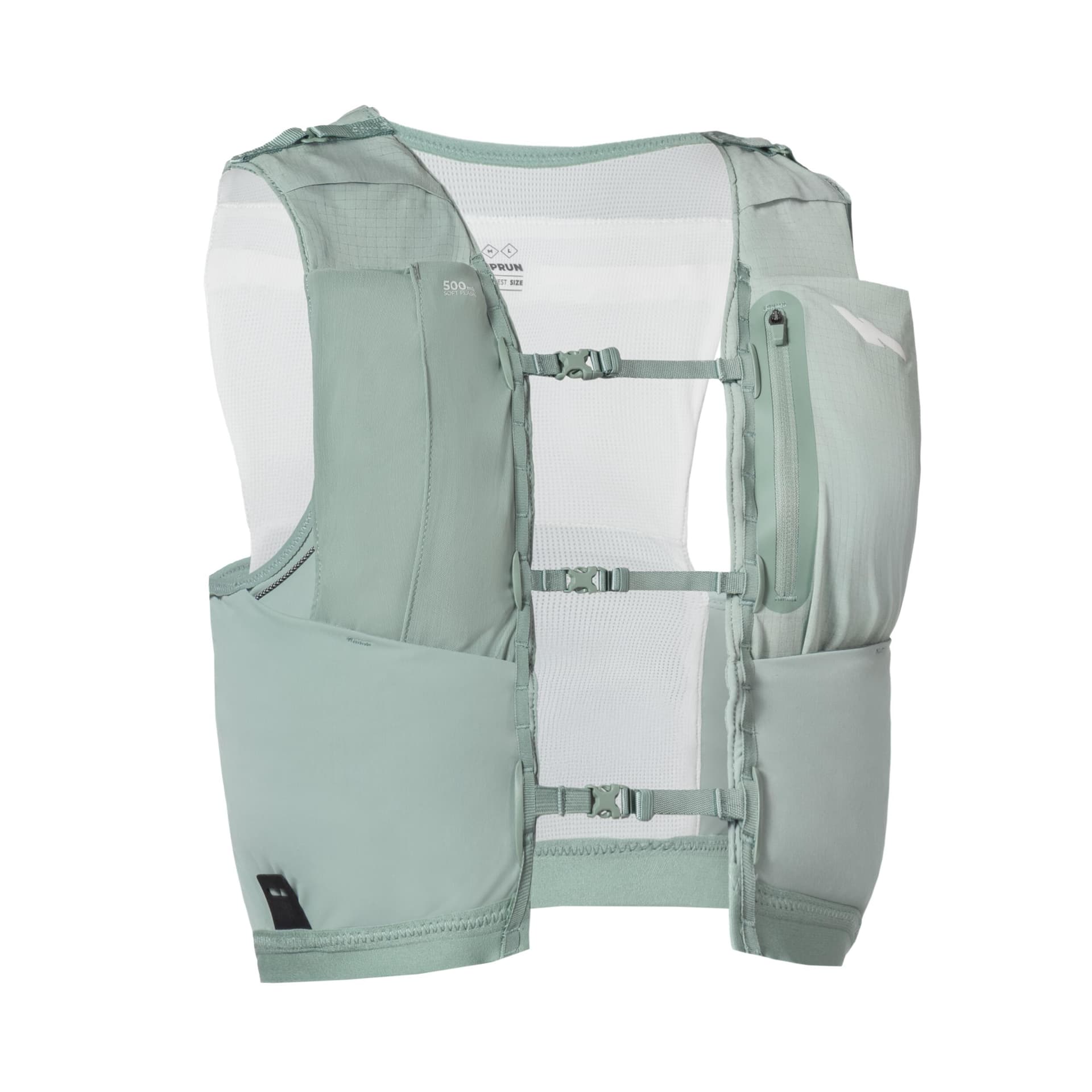
Decathlon
900 Race 5L
Kiprun 900 Race 5L is a handheld / soft flask (5; 0 flasks). Kiprun’s current 5L race vest — 190 g, 10 pockets, twin 500 ml flask sleeves (flasks not included), three chest clips, sizes 2XS–XL — for road/trail race kit at Decathlon value, not a bladder ultra pack. I'd shortlist it for 190 g 5L race vest at Decathlon pricing. The trade-off is flasks not included; no bladder sleeve or pole quiver — Salomon ADV Skin 5 is the cleaner compare when that is most of your week. It fits buyers who actually need a handheld / soft flask (5; 0 flasks), not a one-product rotation.
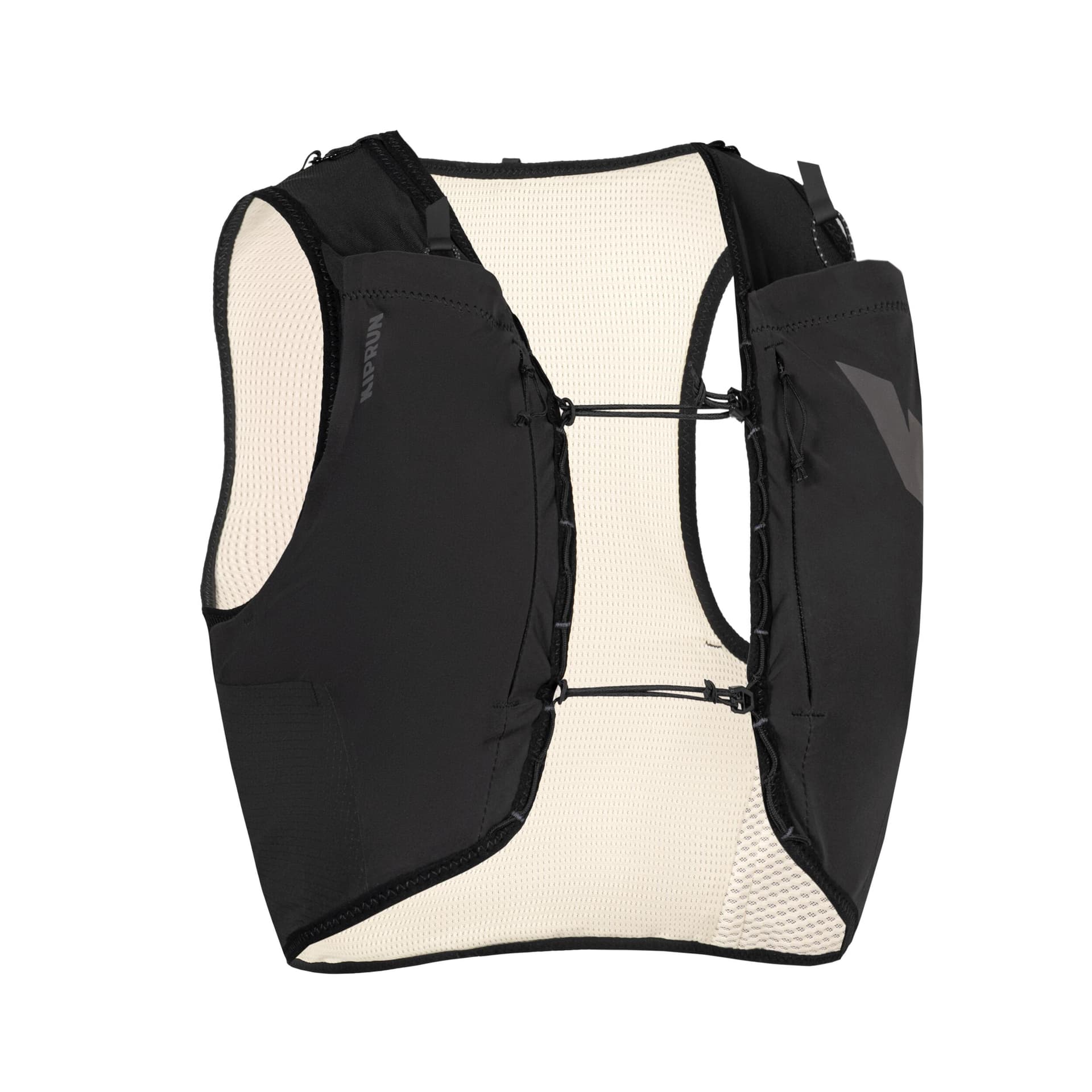
Decathlon
Proteam 10
Kiprun Proteam 10 is a handheld / soft flask (10; 0 flasks). Kiprun’s current 10L race vest — 170 g in M, 14 pockets, 2–3×500 ml flask sleeves (flasks not included), quiver compatible, no bladder — for race-kit trail days when the older Trail 10 naming is no longer the current aisle. I'd shortlist it for 170 g (M) 10L flask vest with 14 pockets and quiver compatibility. The trade-off is flasks not included; no reservoir sleeve if you want a back bladder — UltrAspire Spry 5.0 is the cleaner compare when that is most of your week. It fits buyers who actually need a handheld / soft flask (10; 0 flasks), not a one-product rotation.
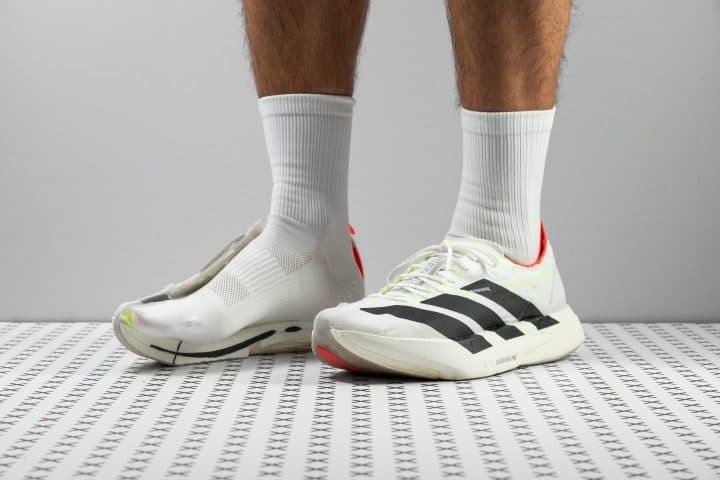
Adidas
Adizero Adios Pro 4
Adidas Adizero Adios Pro 4 is a carbon race shoe. Lightstrike Pro carbon EnergyRods race shoe for half and marathon racing. I'd shortlist it for efficient race geometry. The trade-off is not for easy mileage — Nike Vaporfly 4 is the cleaner compare when that is most of your week. It fits buyers who actually need a carbon race shoe, not a one-product rotation.
Adidas
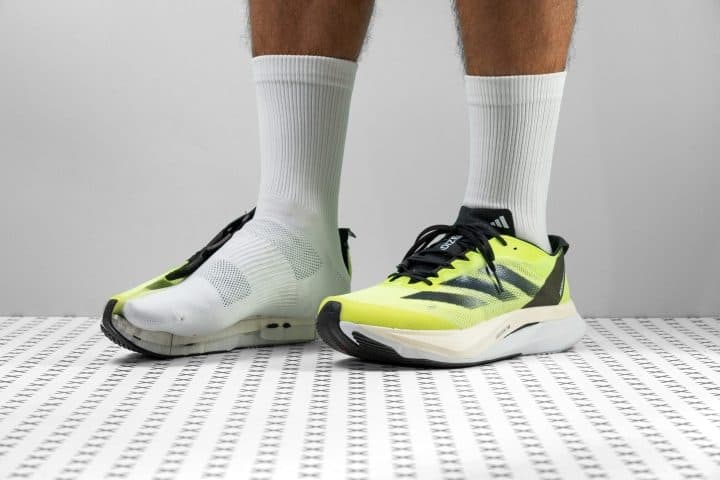
Adizero Boston 12
Tempo trainer used for road workouts and often for HYROX training. I'd shortlist it when you want dual Running + HYROX relevance. Skip it if you need a max-cushion easy shoe.
Recently updated
Guides with recent material updates
How we write guides
Methodology, not marketing copy
Kitletics guides connect to structured product data, use cases and evidence. We separate education from recommendations so you can learn first — then shortlist with Best Guides and Tools.
Independent & Transparent
We don't sell gear. Guidance is independent, labelled honestly, and evidence-led.
Always Up to Date
Products, prices and new releases are continually reviewed.
Real Prices
Regional retailer offers with last-checked timestamps — not invented MSRP.
Find What Fits You
Smart tools match gear to your sport, goals and budget.