Padel
Padel Shoes
Court shoes built for lateral cuts and sand-dressed grip — filter by support, cushioning and fit, not road-running stack.
- 27 products
- Updated Sept 2026


All Padel Shoes
Filterable catalog · 27 products
Best Padel Shoes
Editorial decision pages — not a duplicate of the filter UI.
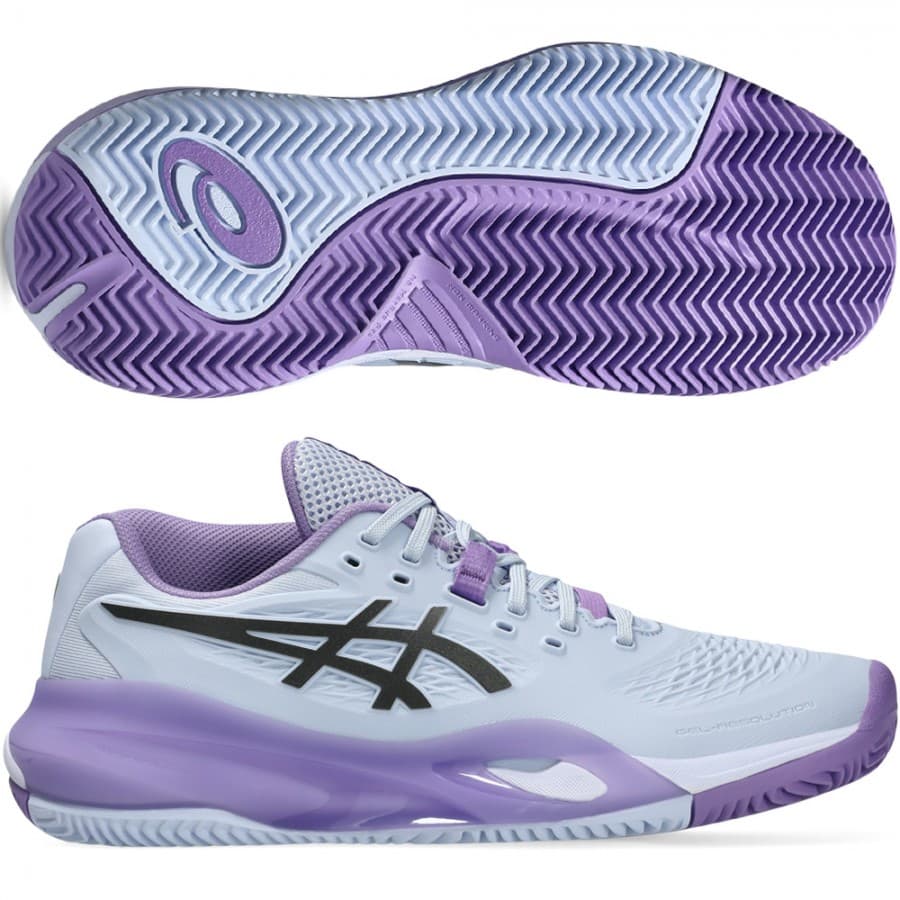
Best Padel Shoes
Role winners for planted stability, club value, plush cushion, connected racers, and club value Kuikma.
6 recommendations
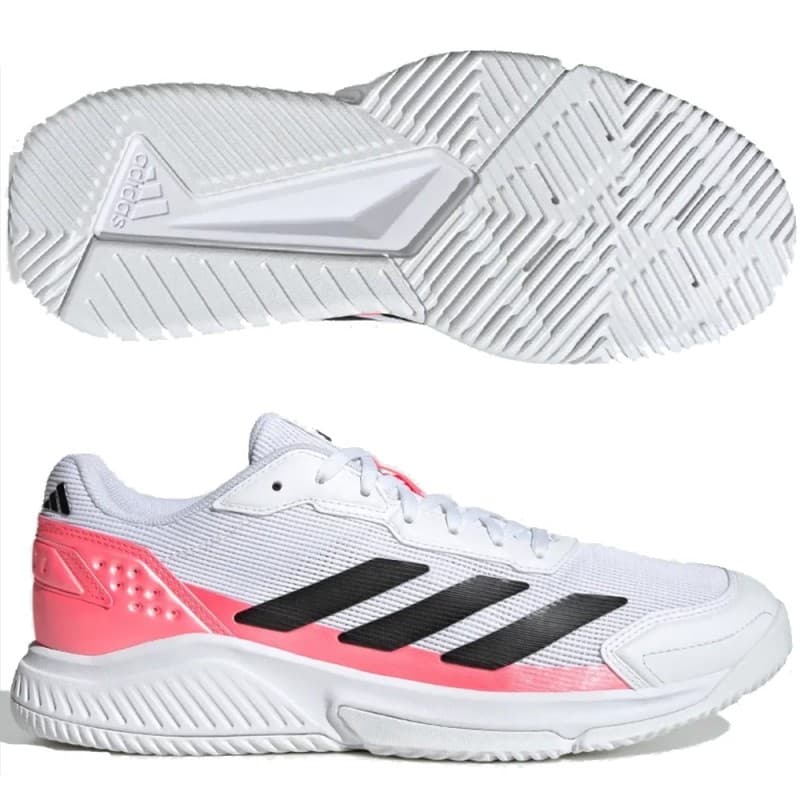
Best Padel Shoes for Men
Published men’s lasts for padel court play.
5 recommendations
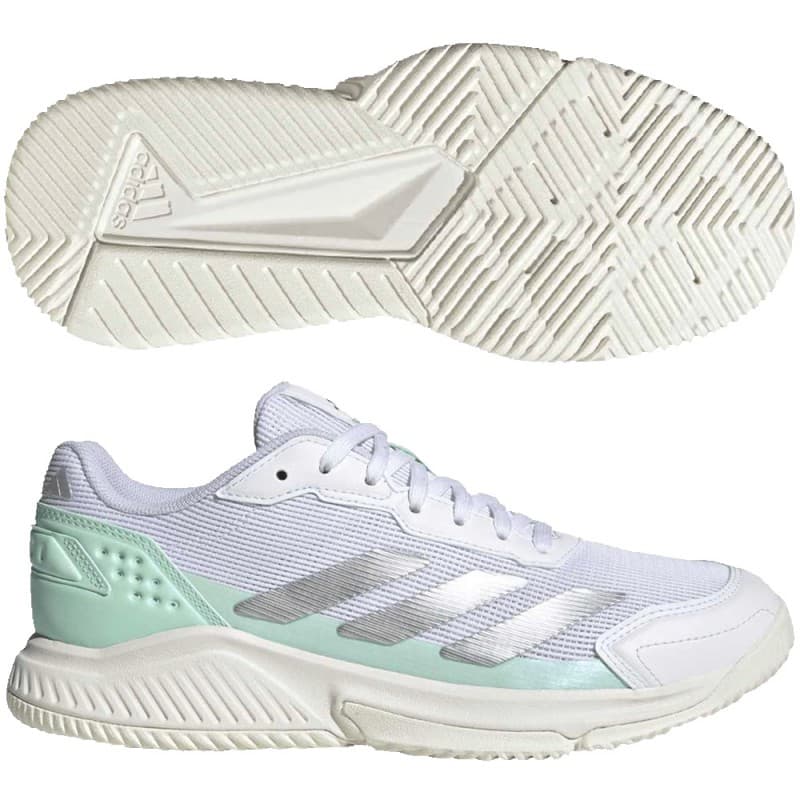
Best Padel Shoes for Women
Published women’s padel shoes. A lighter men’s shoe is not this page.
6 recommendations

Best Padel Shoes for Stability
Stability means a high-lateral padel last. Kayano-style running guidance does not apply.
4 recommendations
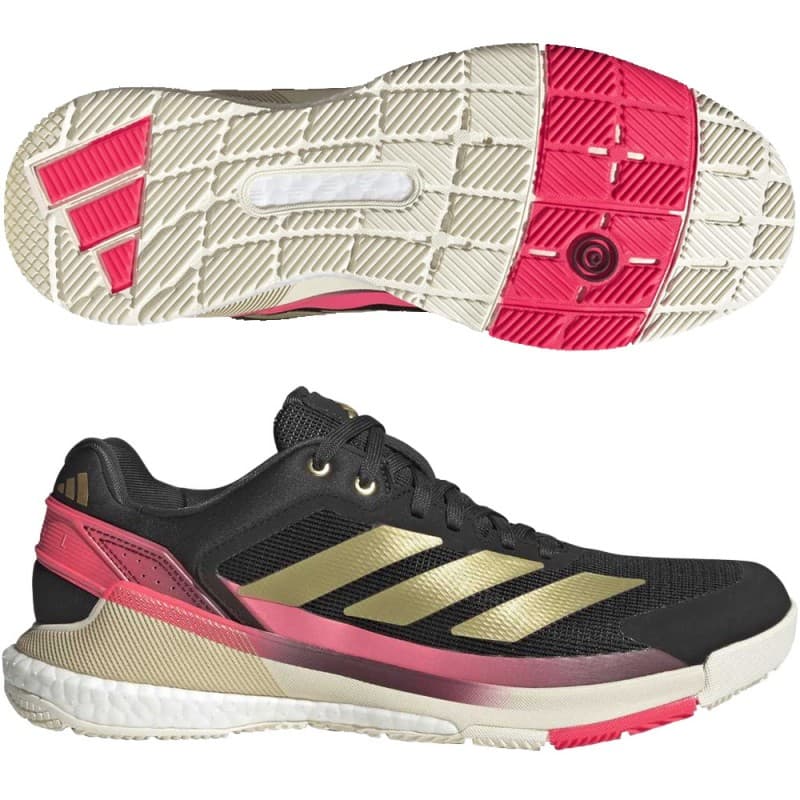
Best Padel Shoes for Comfort
Comfort means published plush/high cushion on a padel last. Not a recovery runner.
3 recommendations
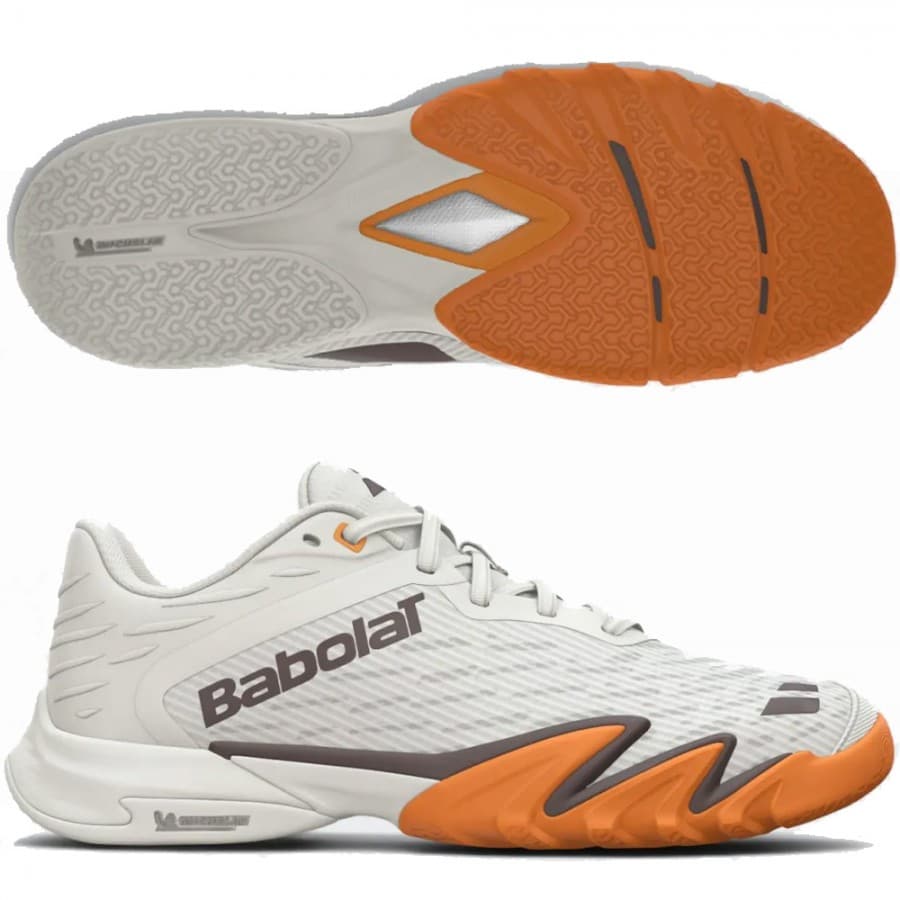
Best Lightweight Padel Shoes
Lighter / connected padel court shoes: Jet Premura, Sprint Pro 4, Courtquick — not Resolution armour or Boost plush.
3 recommendations
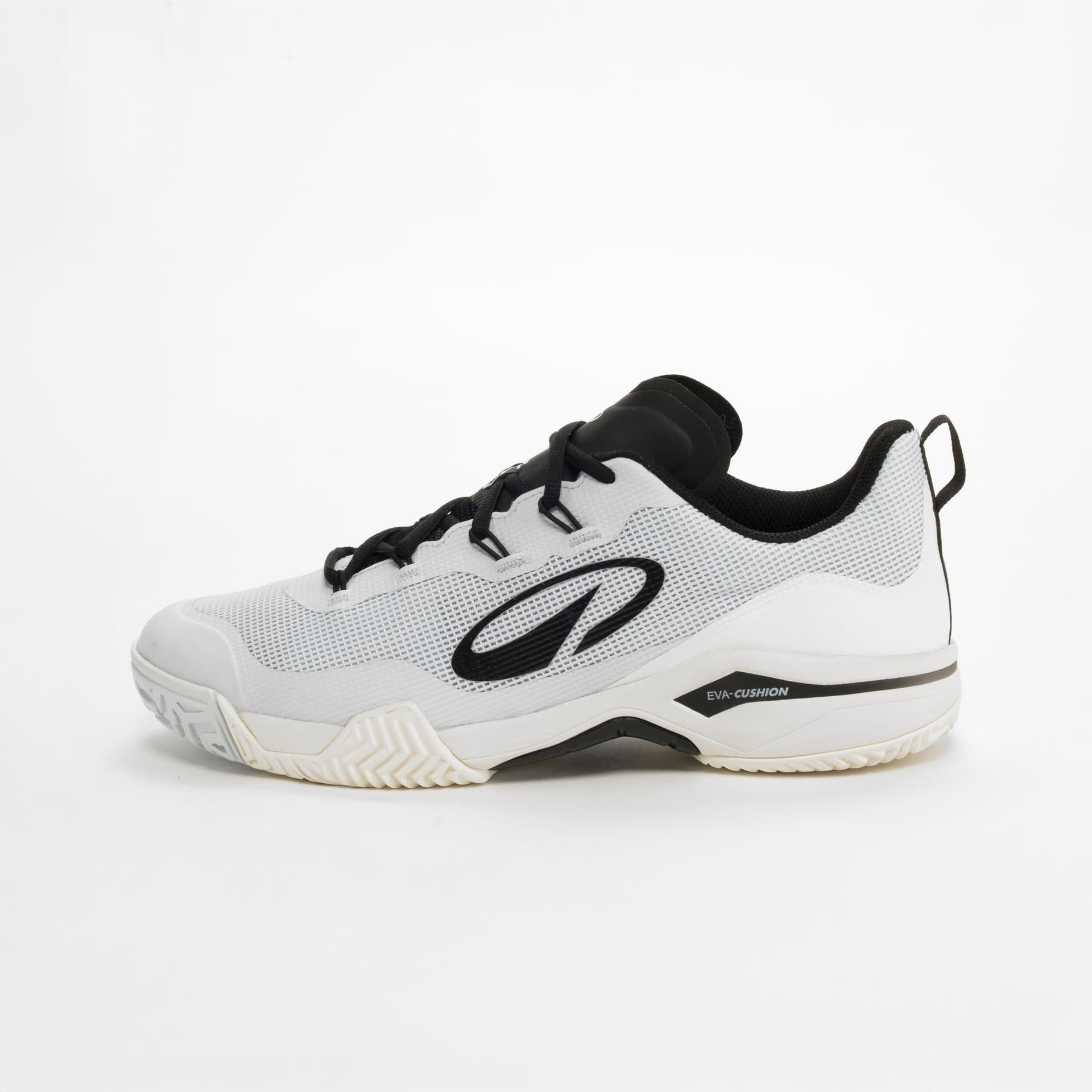
Best Value Padel Shoes
Value padel court shoes: Kuikma PS 990, Joma T.Slam, Adidas Courtquick — flagship Boost/GEL stay out of awards.
3 recommendations
How to choose
Decision guide
Court footwear for padel movement — outsole grip and lateral plant first, cushioning second.
Product types
- Stability platforms. High lateral confidence for aggressive cutting.
- Grip-first court. Outsole bite on sand-dressed or dusty courts.
- Connected / race-light. Lower, quicker feel when you already plant well.
- Value stability. Solid lockdown without flagship pricing.
What matters
- Surface and outsole match
- Lateral support need
- Fit / last (width options are limited)
- Session length vs race-light trade-offs
Specs that matter
- Support. Neutral vs stability for hard cuts.
- Cushioning. Comfort under volume — secondary to plant.
- Gender fit. Last and sizing path on Kitletics.
Common trade-offs
- Max stability ↔ Race-light feel. Planted platforms can feel heavier; light shoes less locked.
- Aggressive grip ↔ Outsole wear. Biting rubber on abrasive courts wears faster.
When use case changes the choice
- Sandy outdoor club. Prioritise outsole pattern that clears and bites.
- Indoor carpet. Connected court shoes can work until grip fails.
- Ankle-cautious cutter. Stability platforms before race-light models.
Beginner start
Buy for grip and lateral plant on your courts. Skip road runners; start with a stability or grip-first padel shoe in your size.
More decision factors
Decision factors — deeper detail lives in buying guides.
1. Outsole before foam
Grip on sand and dust decides confidence more than midsole marketing. Match pattern to your courts.
Learn more →2. Lateral lockdown
Stability and upper hold matter for glass recovery and hard cuts — running trainers often roll.
Learn more →3. Padel vs tennis
Tennis court shoes can work; switch when sand grip or sideways plant feels vague.
Learn more →Buying guides
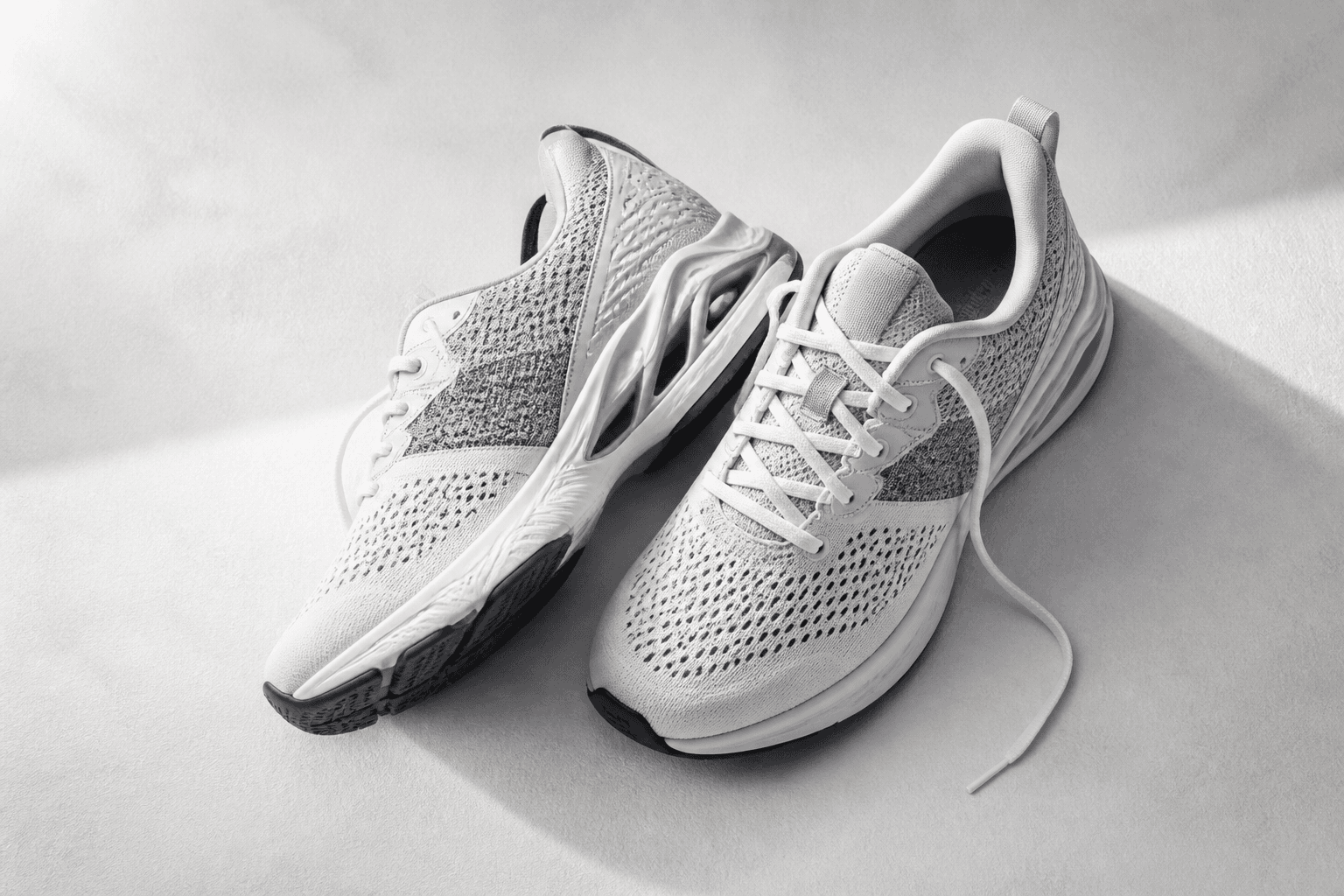
How to Choose Padel Shoes
Court shoe traits that matter for lateral movement, grip and durability on padel surfaces.
Read guide →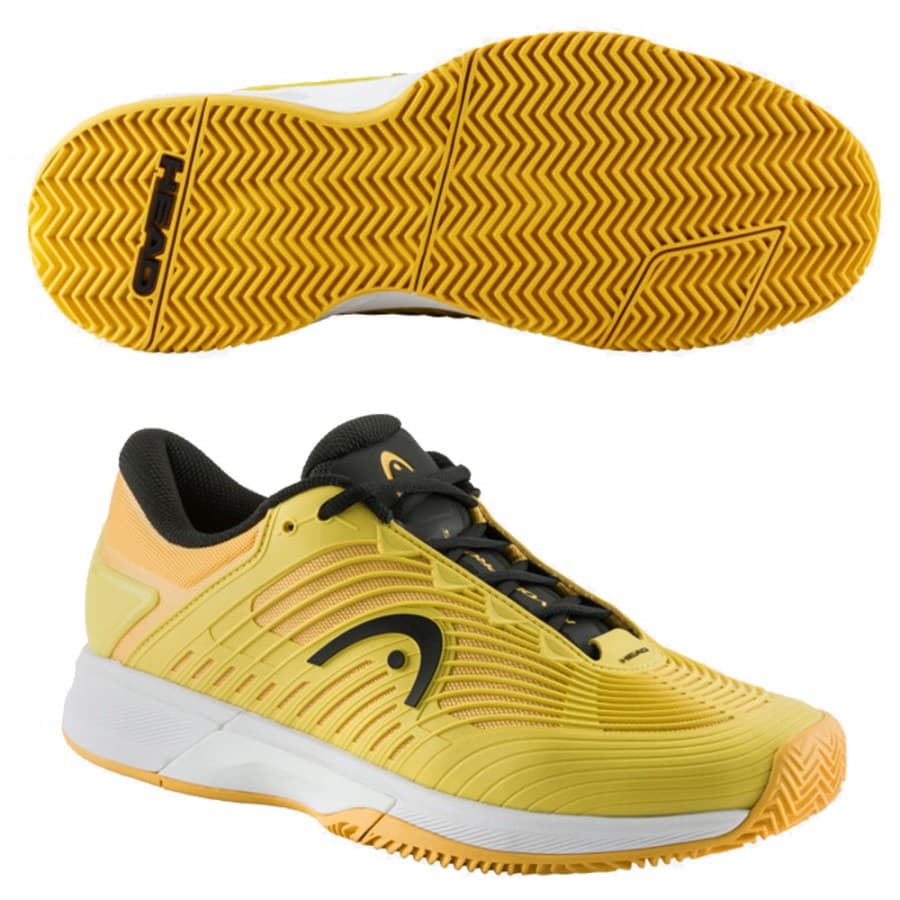
Padel vs Tennis Shoes
Resolution padel and Jet Premura are padel-line tools. Revolt Pro Court is a tennis/padel crossover example. Courtquick is a padel grip platform. Use tennis shoes when surface and lockdown already work; switch when sand/dust grip fails.
Read guide →Padel Shoe Outsoles Explained
If your club dresses courts with sand, prioritise patterns that clear and bite. If courts are cleaner indoor carpet, a connected racer outsole can feel enough — until it is not.
Read guide →Related categories
Continue into adjacent equipment and decision pages.
Padel Shoes brands
Only brands with published products in this category.