Expert Research Review
Garmin Enduro 3 Review
Ultralight MIP solar ultra watch with maps and extreme GPS claims.
Editorial desk · 1 February 2026
Review type
How we assessed this product
How we assessed this product: published specs, catalog comparisons, and editorial research — not hands-on testing unless the page says otherwise.
Review summary
Ultralight MIP solar ultra watch with maps, multi-band GNSS, and class-leading GPS endurance. Here's a practical take on the Garmin Enduro 3 — what it's for, who it suits, and when to pick something else. I'd shortlist it if you want extremely long GPS battery with Power Sapphire solar, light 63 g UltraFit build for multi-day ultras or topoActive maps without Fenix bulk or AMOLED drain.
Skip it if mIP is less vivid indoors than AMOLED flagships or no speaker/mic or ECG versus Fenix 8 is most of your week. Buy Enduro 3 for multi-day ultras and max GPS hours with maps; skip it when you want AMOLED lifestyle extras or a road-racing Forerunner feel.
The bottom line
Buy Enduro 3 for multi-day ultras and max GPS hours with maps; skip it when you want AMOLED lifestyle extras or a road-racing Forerunner feel.
Who this review is for
Who it's not for
- Those looking for bright AMOLED daily wear and smartwatch extras.
- Those looking for Road marathon training is the only job.
- Those looking for refuse large adventure cases.
- Those looking for MIP is less vivid indoors than AMOLED flagships.
Pros
- Extreme GPS battery with solar assist
- Light maps chassis for multi-day ultras
- TopoActive navigation without AMOLED drain
- Extremely long GPS battery with Power Sapphire solar
- Light 63 g UltraFit build for multi-day ultras
Cons
- MIP less vivid indoors than AMOLED flagships
- No ECG / speaker-mic versus Fenix 8
- Large case may overwhelm small wrists
- MIP is less vivid indoors than AMOLED flagships
How it scores
How we scoreScores are out of 10 for this product’s job — not a claim it wins every category. Each note below is about this product, not a generic glossary.
GPS & Maps
Battery (claimed)
Ultra-class claims.
Features
Maps
Recovery
Value for Money
What these scores mean
GPS & Maps
9.3/10
Excellent
How consistently it tracks pace, distance and route shape.
Excellent on gps & maps for how Garmin Enduro 3 is meant to be used.
Battery (claimed)
9.8/10
Excellent
Smartwatch and GPS endurance for the sessions this watch is built for.
Ultra-class claims. Helps: extreme GPS battery with solar assist.
Features
8.6/10
Very strong
Workouts, dynamics and coaching tools you will actually use.
Very strong on features for how Garmin Enduro 3 is meant to be used.
Maps
9.1/10
Very strong
On-device mapping and navigation usefulness on the run.
Very strong on maps for how Garmin Enduro 3 is meant to be used. Helps: light maps chassis for multi-day ultras.
Recovery
8.9/10
Very strong
Readiness, sleep and recovery metrics between hard days.
Very strong on recovery for how Garmin Enduro 3 is meant to be used.
Value for Money
7.8/10
Good
Whether the strengths are worth the price for how often you will use them.
Good value if the shoe's main job matches your week. Check live street price; skip it if a cheaper peer covers the same sessions.
How we wrote this review

We put this guide together from published specs and similar products in the same job. We have not personally tested this product unless the page says we did. Scores are meant to help you decide — affiliate links do not change the verdict.
We start with the numbers that shape the buy — case size, weight, display, GNSS, maps, battery claims and sensors — then place the product against alternatives that solve a similar training job. Feel claims only show up when the sources support them.
Sources used for this review
- Manufacturer specifications
- Editor comparison
What it is

Ultralight MIP solar ultra watch with maps, multi-band GNSS, and class-leading GPS endurance.
Garmin Enduro 3 is built for a specific job in the category — use that job as your first filter.
I'd shortlist it when you want extremely long GPS battery with Power Sapphire solar, light 63 g UltraFit build for multi-day ultras or topoActive maps without Fenix bulk or AMOLED drain.
Skip it if mIP is less vivid indoors than AMOLED flagships or no speaker/mic or ECG versus Fenix 8 is most of your week.
The clearest buyer profile: You race ultras or multi-day events and need maps plus maximum GPS hours; You prefer light MIP over Fenix AMOLED and already use Garmin Connect; You're comparing Enduro vs Vertix and want Garmin sensors/ecosystem.
The clearest skip signals: You want bright AMOLED daily wear and smartwatch extras — Fenix 8 or Ultra fits better; Road marathon training is the only job — Forerunner 970 / Pace 4 are leaner picks; You refuse large adventure cases — Apex 4 or Pace Pro sit smaller.
Bottom line: Buy Enduro 3 for multi-day ultras and max GPS hours with maps; skip it when you want AMOLED lifestyle extras or a road-racing Forerunner feel.
Read the sections below for how it behaves in real sessions, where peers beat it, and whether the money matches the role.
I'd explain the Garmin Enduro 3 to a friend as a specialist for extremely long GPS battery with Power Sapphire solar or light 63 g UltraFit build for multi-day ultras — not a default for every session.
If mIP is less vivid indoors than AMOLED flagships or no speaker/mic or ECG versus Fenix 8 is already a weekly problem in your gear drawer, this will not magically fix it.
Inside the Garmin ladder, make sure this model is a real step for your need — not just the newest paint.
For this overview read on the Garmin Enduro 3, keep the weekly-session filter in view before you chase extras.
Key specs
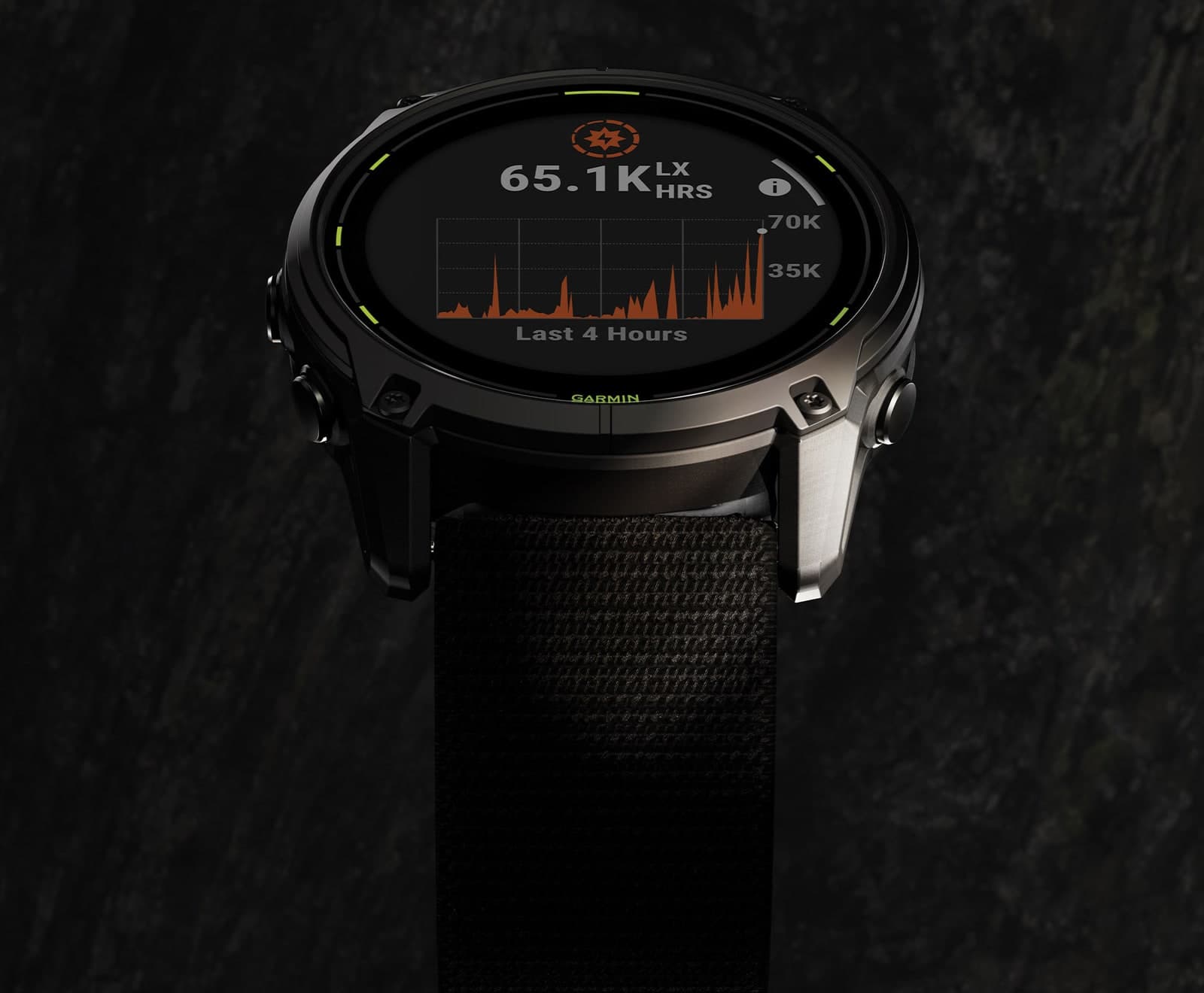
Here are the numbers that matter for the Garmin Enduro 3:
• Weight: 63 g • Display: mip • Display Size: 1.4 mm • Touchscreen: No • Case Size: 51 mm • Solar Charging: Yes • Battery Smartwatch: 36 days • GPS Battery: 120 hours • Battery Multi-band GPS: 60 hours • Multi-band GPS: Yes • Maps: Yes • Offline Maps: Yes • Navigation: Yes • Music: Yes
Battery, GNSS, maps, display type and sensors are filters — not the whole story. Real-world battery swings with multi-band GPS, music, maps and always-on display.
Specs will not tell you strap comfort after eight hours or whether the menus fit how you train. Try the case size on your wrist when you can, or buy somewhere returns are easy.
Use the rest of this review to translate those numbers into session advice — not as a hangtag to memorise.
In practice, the Garmin Enduro 3 earns its keep when you race ultras or multi-day events and need maps plus maximum GPS hours or you prefer light MIP over Fenix AMOLED and already use Garmin Connect shows up often enough to justify owning it.
If mIP is less vivid indoors than AMOLED flagships or no speaker/mic or ECG versus Fenix 8 is already a weekly problem in your gear drawer, this will not magically fix it.
Inside the Garmin ladder, make sure this model is a real step for your need — not just the newest paint.
For this specs read on the Garmin Enduro 3, keep the weekly-session filter in view before you chase extras.
GPS & Navigation

Multi-band GNSS with offline TopoActive maps for remote routing. Designed for tree cover and long efforts — still validate your GNSS mode before race week.
On paper, the Garmin Enduro 3 brings maps: yes, 63 g.
Ultralight MIP solar ultra watch with maps, multi-band GNSS, and class-leading GPS endurance.
Prioritise the capabilities you will use every week. Spec sheets are easy to overbuy — battery, GNSS, maps, sensors and smart notifications only matter if they change how you train or recover.
Feature strengths that matter in practice: Extremely long GPS battery with Power Sapphire solar; Light 63 g UltraFit build for multi-day ultras; TopoActive maps without Fenix bulk or AMOLED drain.
Feature trade-offs to weigh: MIP is less vivid indoors than AMOLED flagships; No speaker/mic or ECG versus Fenix 8.
Battery claims assume a usage profile. Always-on displays, music storage, multi-band GNSS and cold weather all move real-world numbers. If you care about multi-day adventures, size the watch by your worst-case activity mix, not the marketing headline.
Ecosystem lock-in is part of value: phone OS compatibility, coach platforms, and whether you already own heart-rate straps or sensors. Switching brands has a switching cost beyond the sticker price.
In practice, the Garmin Enduro 3 earns its keep when you race ultras or multi-day events and need maps plus maximum GPS hours or you prefer light MIP over Fenix AMOLED and already use Garmin Connect shows up often enough to justify owning it.
If mIP is less vivid indoors than AMOLED flagships or no speaker/mic or ECG versus Fenix 8 is already a weekly problem in your gear drawer, this will not magically fix it.
Inside the Garmin ladder, make sure this model is a real step for your need — not just the newest paint.
For this tech read on the Garmin Enduro 3, keep the weekly-session filter in view before you chase extras.
Everyday performance
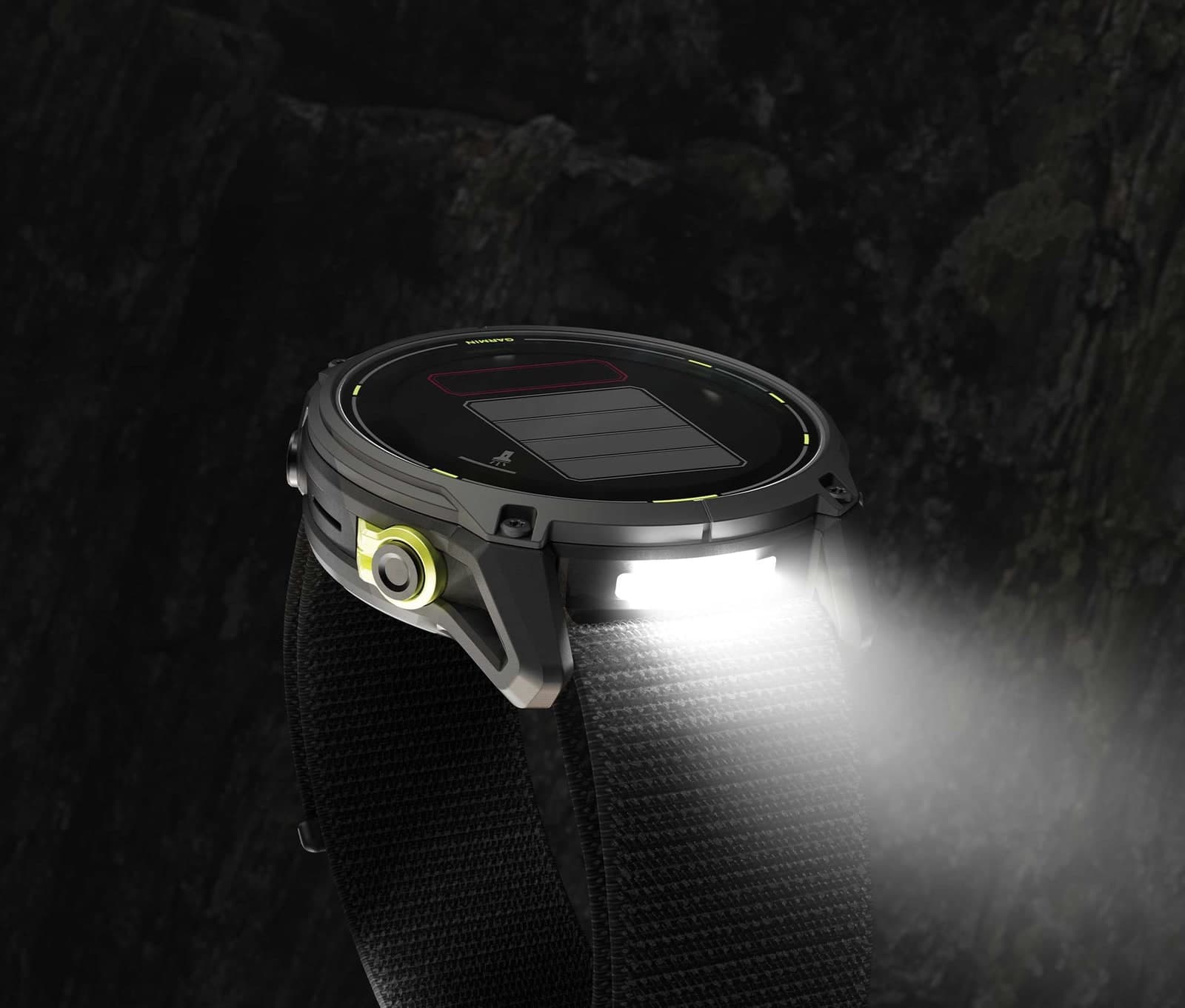
Everyday performance on the Garmin Enduro 3 is about training workflows you will actually open — not a feature checklist.
Where it is set up to perform • Extremely long GPS battery with Power Sapphire solar • Light 63 g UltraFit build for multi-day ultras • TopoActive maps without Fenix bulk or AMOLED drain
Where it is less convincing • MIP is less vivid indoors than AMOLED flagships • No speaker/mic or ECG versus Fenix 8
Expect structured workouts, recovery scores, maps/navigation (when equipped), and multi-sport profiles to shape the week. Battery claims assume a usage profile — multi-band GNSS, music, maps and always-on display move the real number.
Best performance fit: You race ultras or multi-day events and need maps plus maximum GPS hours; You prefer light MIP over Fenix AMOLED and already use Garmin Connect; You're comparing Enduro vs Vertix and want Garmin sensors/ecosystem; Extremely long GPS battery with Power Sapphire solar.
Weaker performance fit: You want bright AMOLED daily wear and smartwatch extras — Fenix 8 or Ultra fits better; Road marathon training is the only job — Forerunner 970 / Pace 4 are leaner picks; You refuse large adventure cases — Apex 4 or Pace Pro sit smaller; MIP is less vivid indoors than AMOLED flagships.
Judge it for the sessions you run most weeks. A maps-and-metrics flagship will feel overbuilt if you only want pace and distance.
I'd rather master three features you use daily than chase a denser menu you ignore after week two.
Performance claims only matter on the sessions you repeat. Ignore party tricks you will not use next month.
If mIP is less vivid indoors than AMOLED flagships or no speaker/mic or ECG versus Fenix 8 is already a weekly problem in your gear drawer, this will not magically fix it.
Inside the Garmin ladder, make sure this model is a real step for your need — not just the newest paint.
For this performance read on the Garmin Enduro 3, keep the weekly-session filter in view before you chase extras.
On-wrist comfort
51 mm MIP case is large on paper but light for the class. Nylon UltraFit-style wear suits long efforts; small wrists may still prefer Apex 4 or a compact Forerunner.
On-wrist comfort matters as much as the feature list on the Garmin Enduro 3 — you wear it all day, not just for the run.
Listed case size is about 51 mm. That is the number to compare if you are coming from a smaller Forerunner, COROS Pace, or a slim smartwatch.
Published weight is about 63 g — light enough for all-day wear for most runners, but strap choice still changes how it sits.
Expect quick-release bands and typical optical HR placement on the case back. If the strap digs or the case overhangs your wrist bone on day one, change strap length or case size — do not wait for “break-in.”
I'd try it on before a long training block if you can — case height and strap feel show up on desk days as much as on long runs.
If you train with a chest strap sometimes, make sure the watch still feels calm when you are not relying on optical HR alone — comfort is a daily tax.
Fit only counts if it still feels right after a normal session — not after two minutes in a quiet shop.
If mIP is less vivid indoors than AMOLED flagships or no speaker/mic or ECG versus Fenix 8 is already a weekly problem in your gear drawer, this will not magically fix it.
Inside the Garmin ladder, make sure this model is a real step for your need — not just the newest paint.
For this fit read on the Garmin Enduro 3, keep the weekly-session filter in view before you chase extras.
Where it is strongest
I'd buy the Garmin Enduro 3 when these outcomes match what you need most weeks:
What it does well • Extremely long GPS battery with Power Sapphire solar • Light 63 g UltraFit build for multi-day ultras • TopoActive maps without Fenix bulk or AMOLED drain
The standout is extremely long GPS battery with Power Sapphire solar. If that is your main weekly need, keep going. If not, check trade-offs and alternatives.
Secondary reasons it stays on a shortlist: light 63 g UltraFit build for multi-day ultras or topoActive maps without Fenix bulk or AMOLED drain.
Best for: You race ultras or multi-day events and need maps plus maximum GPS hours; You prefer light MIP over Fenix AMOLED and already use Garmin Connect; You're comparing Enduro vs Vertix and want Garmin sensors/ecosystem; Extremely long GPS battery with Power Sapphire solar.
If none of those strengths show up in your typical week, a cheaper or more specialized peer will usually feel like a better buy — even when this product scores well overall.
In practice, the Garmin Enduro 3 earns its keep when you race ultras or multi-day events and need maps plus maximum GPS hours or you prefer light MIP over Fenix AMOLED and already use Garmin Connect shows up often enough to justify owning it.
If mIP is less vivid indoors than AMOLED flagships or no speaker/mic or ECG versus Fenix 8 is already a weekly problem in your gear drawer, this will not magically fix it.
Inside the Garmin ladder, make sure this model is a real step for your need — not just the newest paint.
For this strengths read on the Garmin Enduro 3, keep the weekly-session filter in view before you chase extras.
Trade-offs & limits
The Garmin Enduro 3 is not trying to do every job. These are the compromises to weigh:
• MIP is less vivid indoors than AMOLED flagships • No speaker/mic or ECG versus Fenix 8
Skip it if: You want bright AMOLED daily wear and smartwatch extras — Fenix 8 or Ultra fits better; Road marathon training is the only job — Forerunner 970 / Pace 4 are leaner picks; You refuse large adventure cases — Apex 4 or Pace Pro sit smaller; MIP is less vivid indoors than AMOLED flagships.
Those limits matter when they hit your primary sessions — not when they only show up once a month. If your week sits outside this product's job, pick a peer built for that job instead.
The compromise people regret most is usually mIP is less vivid indoors than AMOLED flagships — especially if that friction appears twice a week or more.
I'd rather own a clear specialist and rotate than force one product to cover every edge case.
Be blunt with yourself: which compromise would annoy you twice a week? That is the one that should veto the purchase.
If mIP is less vivid indoors than AMOLED flagships or no speaker/mic or ECG versus Fenix 8 is already a weekly problem in your gear drawer, this will not magically fix it.
Inside the Garmin ladder, make sure this model is a real step for your need — not just the newest paint.
For this tradeoffs read on the Garmin Enduro 3, keep the weekly-session filter in view before you chase extras.
I'd stop the purchase if you mainly identify with: You want bright AMOLED daily wear and smartwatch extras — Fenix 8 or Ultra fits better; Road marathon training is the only job — Forerunner 970 / Pace 4 are leaner picks.
Keep returning to the bottom line: Buy Enduro 3 for multi-day ultras and max GPS hours with maps; skip it when you want AMOLED lifestyle extras or a road-racing Forerunner feel.
Re-check that you are actually buying extremely long GPS battery with Power Sapphire solar or light 63 g UltraFit build for multi-day ultras — not a vague “upgrade.”
Pass 2 check for Garmin Enduro 3: if this tradeoffs section does not change a real session decision, skim the alternatives instead of re-reading specs.
Who should buy
I'd buy the Garmin Enduro 3 when most of your weekly sessions match what it does well.
Best for • You race ultras or multi-day events and need maps plus maximum GPS hours • You prefer light MIP over Fenix AMOLED and already use Garmin Connect • You're comparing Enduro vs Vertix and want Garmin sensors/ecosystem • Extremely long GPS battery with Power Sapphire solar • Light 63 g UltraFit build for multi-day ultras • TopoActive maps without Fenix bulk or AMOLED drain
Who should skip • You want bright AMOLED daily wear and smartwatch extras — Fenix 8 or Ultra fits better • Road marathon training is the only job — Forerunner 970 / Pace 4 are leaner picks • You refuse large adventure cases — Apex 4 or Pace Pro sit smaller • MIP is less vivid indoors than AMOLED flagships • No speaker/mic or ECG versus Fenix 8
If more than half your week sits in the “who should skip” list, open the alternatives instead of forcing a compromise.
A practical test: write down your next four weeks of sessions. If three of them match this product's strengths, shortlist it. If two or fewer do, you are shopping the wrong lane.
When the fit is close but not clean, compare the linked alternatives on this page before you stretch the role.
In practice, the Garmin Enduro 3 earns its keep when you race ultras or multi-day events and need maps plus maximum GPS hours or you prefer light MIP over Fenix AMOLED and already use Garmin Connect shows up often enough to justify owning it.
If mIP is less vivid indoors than AMOLED flagships or no speaker/mic or ECG versus Fenix 8 is already a weekly problem in your gear drawer, this will not magically fix it.
Inside the Garmin ladder, make sure this model is a real step for your need — not just the newest paint.
For this usecase read on the Garmin Enduro 3, keep the weekly-session filter in view before you chase extras.
Value
Premium ultra pricing (~€899 seed) but strong if you will use the battery. Fenix 8 costs more for AMOLED; Vertix/Apex compete on COROS pricing.
You are mainly paying for extremely long GPS battery with Power Sapphire solar, light 63 g UltraFit build for multi-day ultras or topoActive maps without Fenix bulk or AMOLED drain.
You are also accepting mIP is less vivid indoors than AMOLED flagships or no speaker/mic or ECG versus Fenix 8 — fine when that is not your weekly mix.
Strongest value for: You race ultras or multi-day events and need maps plus maximum GPS hours; You prefer light MIP over Fenix AMOLED and already use Garmin Connect; You're comparing Enduro vs Vertix and want Garmin sensors/ecosystem; Extremely long GPS battery with Power Sapphire solar.
Weaker value for: You want bright AMOLED daily wear and smartwatch extras — Fenix 8 or Ultra fits better; Road marathon training is the only job — Forerunner 970 / Pace 4 are leaner picks; You refuse large adventure cases — Apex 4 or Pace Pro sit smaller; MIP is less vivid indoors than AMOLED flagships.
Check live street price in the offers module. I'd pay the premium when the role is clear; otherwise compare the linked alternatives or a prior generation on sale.
Cost per hard-use session matters more than sticker shock. A cheaper product you avoid after two weeks is the expensive one.
If two peers cover the same job, pick the one you will actually use with your current schedule — not the one with the denser feature list.
If street price is volatile, decide on role first, then wait for a clean offer — do not let a discount talk you into the wrong job.
If mIP is less vivid indoors than AMOLED flagships or no speaker/mic or ECG versus Fenix 8 is already a weekly problem in your gear drawer, this will not magically fix it.
Inside the Garmin ladder, make sure this model is a real step for your need — not just the newest paint.
For this value read on the Garmin Enduro 3, keep the weekly-session filter in view before you chase extras.
Battery
Headline GPS and multi-band claims (including solar assist) lead the Garmin adventure pack. MIP helps; music and full multi-band still cost hours versus manufacturer best-case figures.
On paper, the Garmin Enduro 3 brings maps: yes, 63 g.
Ultralight MIP solar ultra watch with maps, multi-band GNSS, and class-leading GPS endurance.
Prioritise the capabilities you will use every week. Spec sheets are easy to overbuy — battery, GNSS, maps, sensors and smart notifications only matter if they change how you train or recover.
Feature strengths that matter in practice: Extremely long GPS battery with Power Sapphire solar; Light 63 g UltraFit build for multi-day ultras; TopoActive maps without Fenix bulk or AMOLED drain.
Feature trade-offs to weigh: MIP is less vivid indoors than AMOLED flagships; No speaker/mic or ECG versus Fenix 8.
Battery claims assume a usage profile. Always-on displays, music storage, multi-band GNSS and cold weather all move real-world numbers. If you care about multi-day adventures, size the watch by your worst-case activity mix, not the marketing headline.
Ecosystem lock-in is part of value: phone OS compatibility, coach platforms, and whether you already own heart-rate straps or sensors. Switching brands has a switching cost beyond the sticker price.
In practice, the Garmin Enduro 3 earns its keep when you race ultras or multi-day events and need maps plus maximum GPS hours or you prefer light MIP over Fenix AMOLED and already use Garmin Connect shows up often enough to justify owning it.
If mIP is less vivid indoors than AMOLED flagships or no speaker/mic or ECG versus Fenix 8 is already a weekly problem in your gear drawer, this will not magically fix it.
Inside the Garmin ladder, make sure this model is a real step for your need — not just the newest paint.
For this tech read on the Garmin Enduro 3, keep the weekly-session filter in view before you chase extras.
Training & Recovery
Garmin training/recovery stack without Fenix lifestyle extras like ECG. Enough for serious endurance athletes; less smartwatch theatre than Fenix 8.
Ultralight MIP solar ultra watch with maps, multi-band GNSS, and class-leading GPS endurance.
It stands out for: extremely long GPS battery with Power Sapphire solar, light 63 g UltraFit build for multi-day ultras or topoActive maps without Fenix bulk or AMOLED drain.
Trade-offs: mIP is less vivid indoors than AMOLED flagships or no speaker/mic or ECG versus Fenix 8.
Best for: You race ultras or multi-day events and need maps plus maximum GPS hours; You prefer light MIP over Fenix AMOLED and already use Garmin Connect; You're comparing Enduro vs Vertix and want Garmin sensors/ecosystem; Extremely long GPS battery with Power Sapphire solar.
Not ideal for: You want bright AMOLED daily wear and smartwatch extras — Fenix 8 or Ultra fits better; Road marathon training is the only job — Forerunner 970 / Pace 4 are leaner picks; You refuse large adventure cases — Apex 4 or Pace Pro sit smaller; MIP is less vivid indoors than AMOLED flagships.
If the job is unclear, stop and name the weekly session this has to win before you compare prices.
In practice, the Garmin Enduro 3 earns its keep when you race ultras or multi-day events and need maps plus maximum GPS hours or you prefer light MIP over Fenix AMOLED and already use Garmin Connect shows up often enough to justify owning it.
If mIP is less vivid indoors than AMOLED flagships or no speaker/mic or ECG versus Fenix 8 is already a weekly problem in your gear drawer, this will not magically fix it.
Inside the Garmin ladder, make sure this model is a real step for your need — not just the newest paint.
For this generic read on the Garmin Enduro 3, keep the weekly-session filter in view before you chase extras.
How it compares
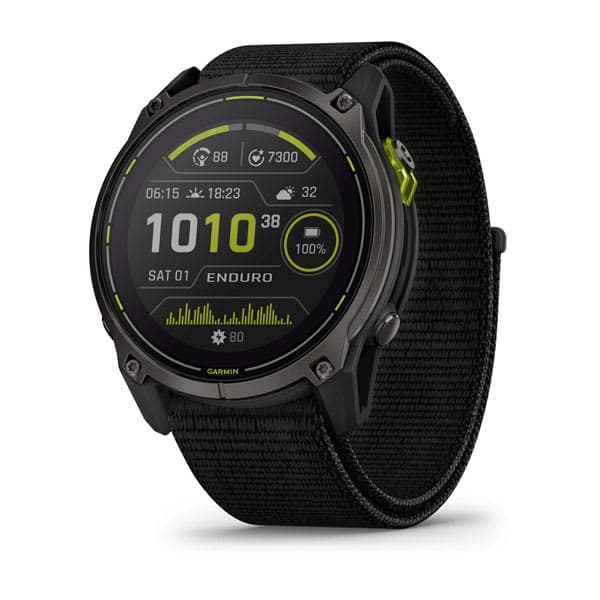 GarminEnduro 3
- Score
- 8.8
- Battery
- 9.8
- GPS
- 9.3
- Maps
- 9.1
- Training
- 8.6
- Best for
- Extremely long GPS battery with Power…
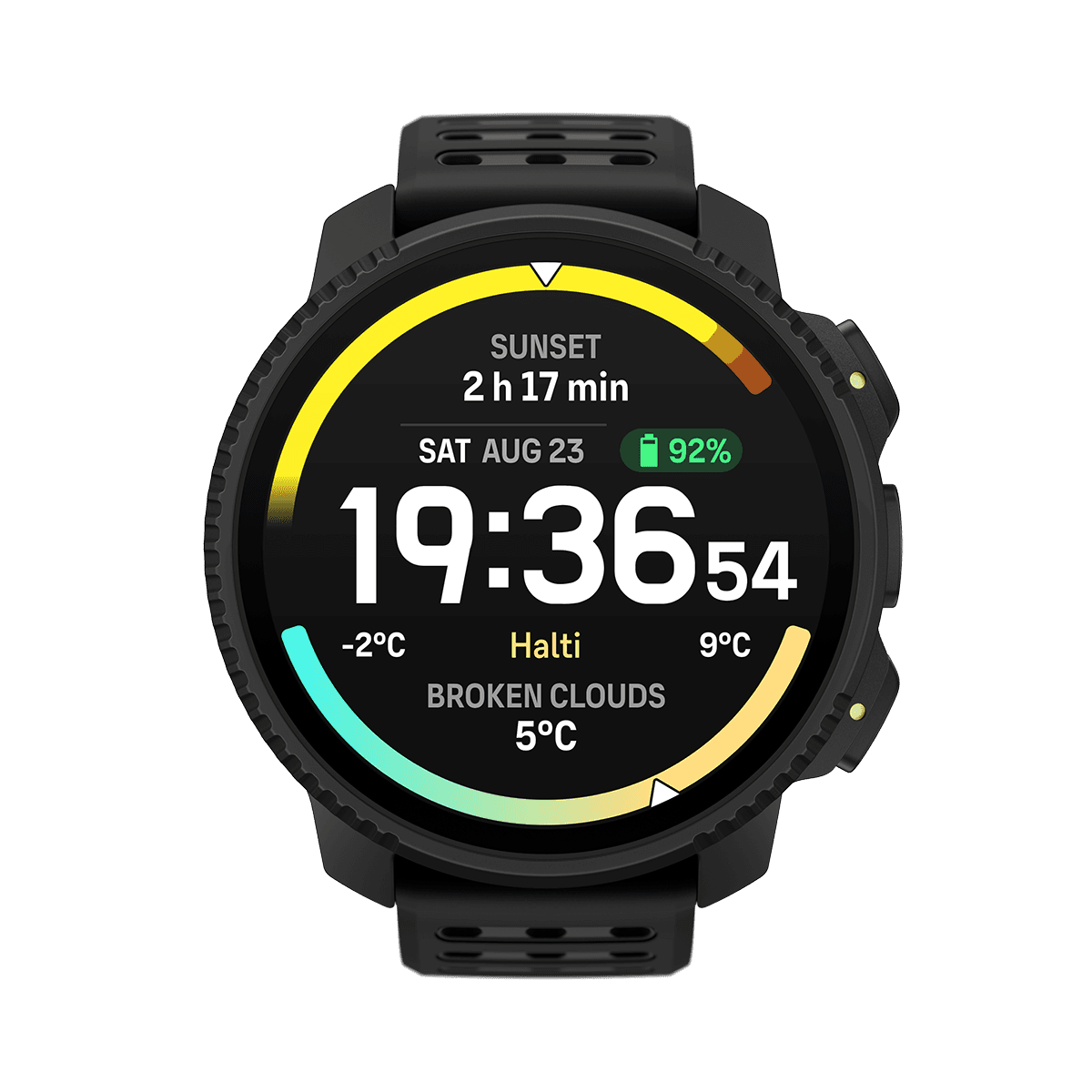 SuuntoVertical 2
- Score
- 8.5
- Battery
- 8.8
- GPS
- —
- Maps
- Yes
- Training
- —
- Best for
- Bright 1.5″ AMOLED with free offline…
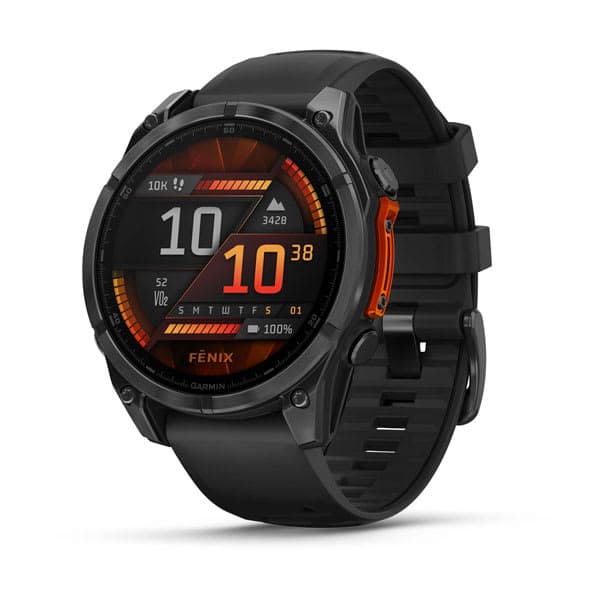 GarminFenix 8 AMOLED 47mm
- Score
- 9.2
- Battery
- 8.2
- GPS
- —
- Maps
- Yes
- Training
- —
- Best for
- Full TopoActive maps on a bright…
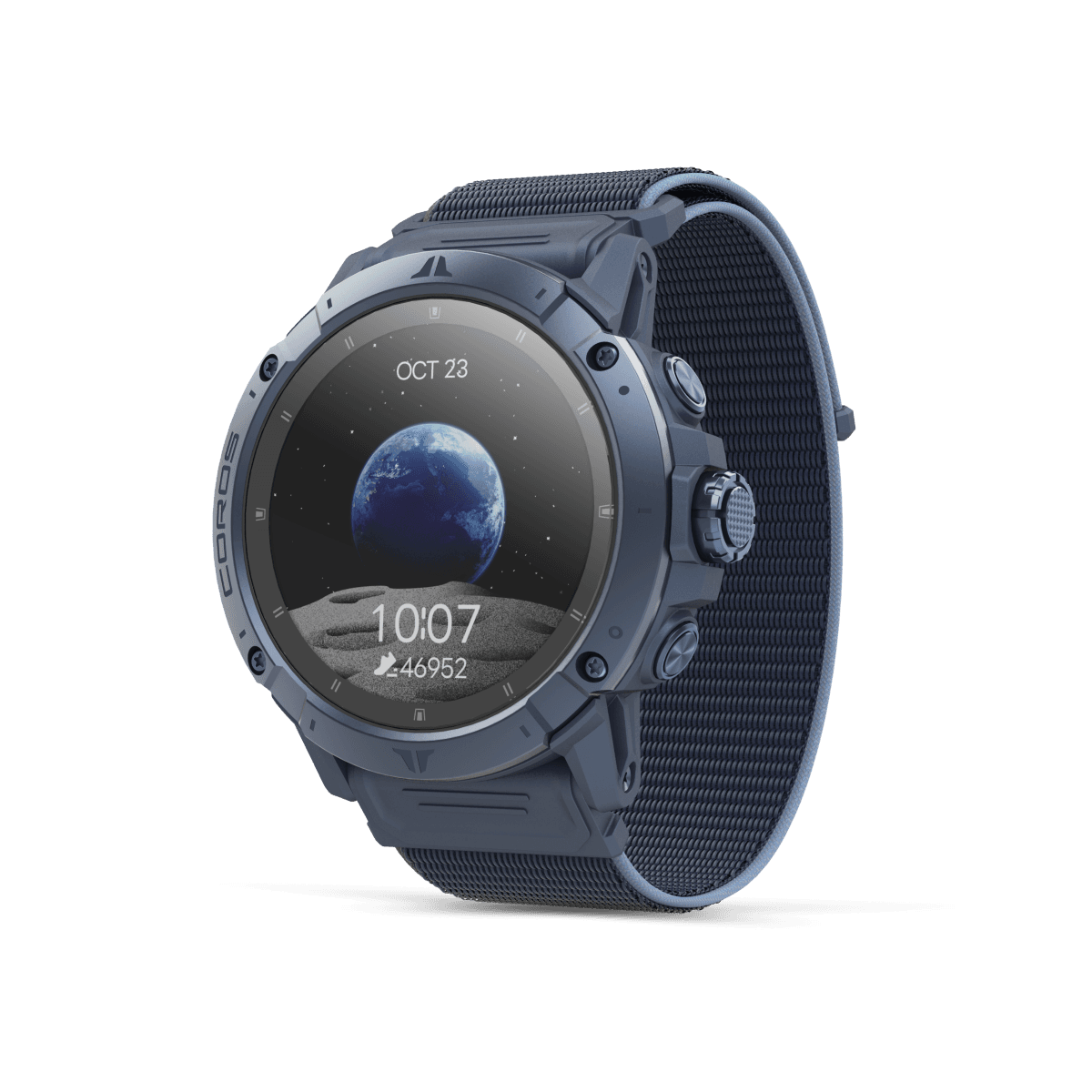 COROSVertix 2S
- Score
- 8.9
- Battery
- 9.7
- GPS
- —
- Maps
- Yes
- Training
- —
- Best for
- Among the longest GPS battery claims…
Keep reading
Specs and buy links live on the product page. Use the paths below when you want alternatives, head-to-heads, shortlists, or how-to choose frameworks.
Should you buy the Enduro 3?
Buy Enduro 3 for multi-day ultras and max GPS hours with maps; skip it when you want AMOLED lifestyle extras or a road-racing Forerunner feel.
Buy if
Skip if
- You want bright AMOLED daily wear and smartwatch extras — Fenix 8 or Ultra fits better
- Road marathon training is the only job — Forerunner 970 / Pace 4 are leaner picks
- You refuse large adventure cases — Apex 4 or Pace Pro sit smaller
About this review
- Type
- Expert Research Review
- Reviewer
- Kitletics Editorial
- Published
- 1 February 2026
- Updated
- 1 September 2026
- Verified
- 12 September 2026
No brand-supplied product or sponsored testing applied to this review. Affiliate availability does not affect scores or verdict.
Where to buy
Showing offers for Netherlands. Prices may change at the retailer.
Garmin Official
in stockBrand DirectNLLast checked 12 September 2026€ 899Check price
Kitletics may earn a commission when you buy through some retailer links. This does not affect our recommendations. Affiliate disclosure
Independent & Transparent
We don't sell gear. Guidance is independent, labelled honestly, and evidence-led.
Always Up to Date
Products, prices and new releases are continually reviewed.
Real Prices
Regional retailer offers with last-checked timestamps — not invented MSRP.
Find What Fits You
Smart tools match gear to your sport, goals and budget.