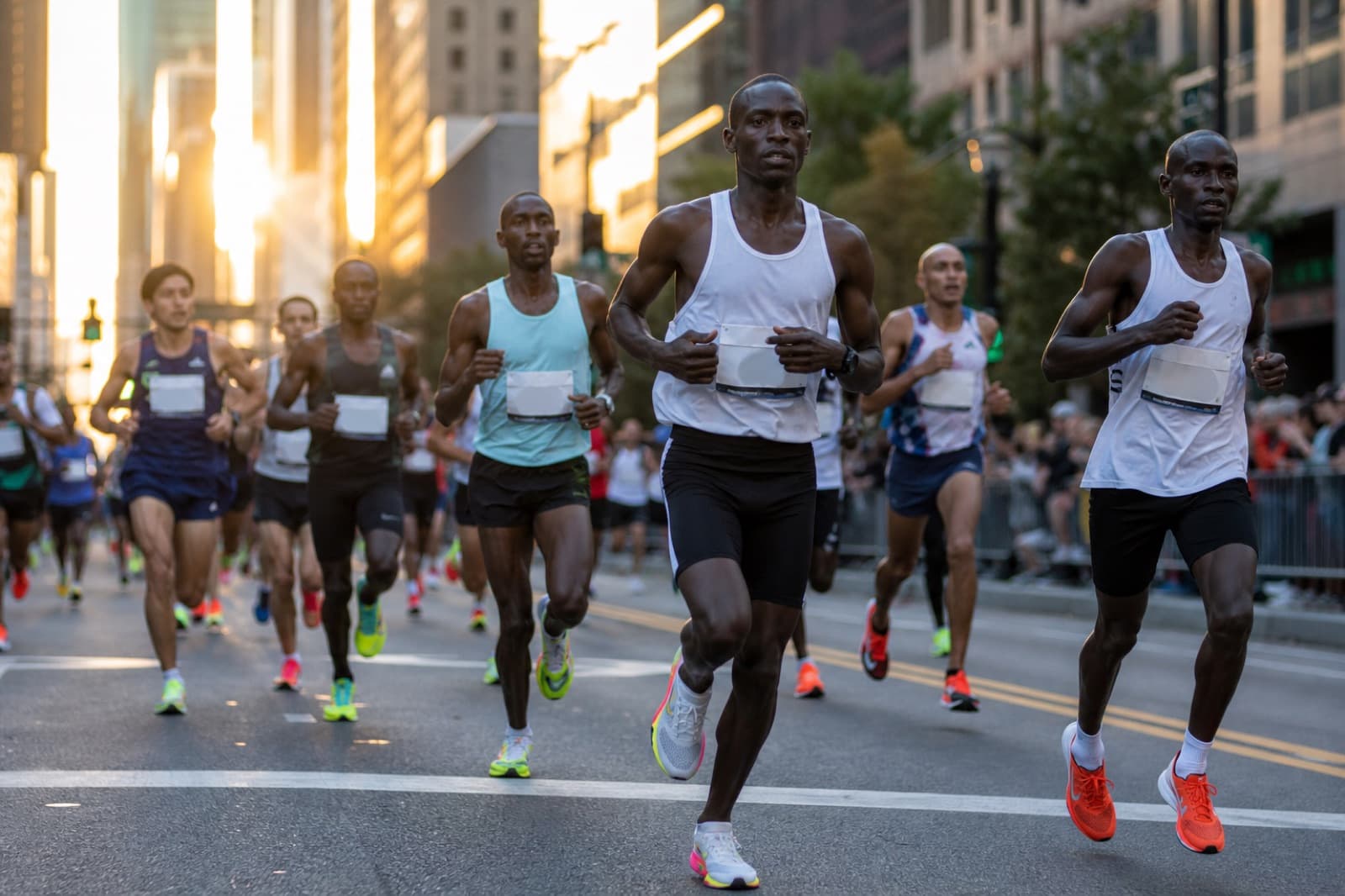
The short version
- Race shoes and socks need long-run rehearsals.
- Watch battery and GPS settings get a dress rehearsal too.
- Carry only the fluid and fuel plan you have practised.
- Weather layer decision trees beat last-minute panic buys.
- Write the checklist the week before — then stop tinkering.
Approaches in this guide
1A kit that has already worked
First marathons go wrong when gear is new. The checklist exists to force rehearsal.
Cover footwear, apparel, watch, nutrition, hydration access and weather contingencies.
If an item has not appeared on a long run, it does not belong in the race bag.
2Why this decision matters
Shoes, socks, watch, carry and fuel — lock the kit in training, not at the expo.
Kit lists fail when every item is “nice” and nothing is rehearsed. Prioritise what race rules, weather and your longest sessions actually require.
3Checklist pillars
Feet system
- What it is
- Shoes, socks, anti-chafe.
- How it changes the choice
- Blisters end more debuts than slow splits.
- What you may notice
- Familiar pressure after 90 minutes.
Fuel and fluid
- What it is
- Gels, bottles, aid-station plan.
- How it changes the choice
- Untried mixes cause GI distress.
- What you may notice
- Steady energy without stomach drama.
Watch and pacing
- What it is
- GPS mode, data screens, battery.
- How it changes the choice
- Wrong screens create mid-race confusion.
- What you may notice
- Calm splits you can actually read.
4What to look for in each factor
Turn each factor into something you can verify for this guide’s job — on a spec sheet, in a shop, or in a short real-world test.
Look for
Feet system
- Shoes, socks, anti-chafe.
- Watch for: Familiar pressure after 90 minutes.
- Decision tip: Blisters end more debuts than slow splits.
Look for
Fuel and fluid
- Gels, bottles, aid-station plan.
- Watch for: Steady energy without stomach drama.
- Decision tip: Untried mixes cause GI distress.
Look for
Watch and pacing
- GPS mode, data screens, battery.
- Watch for: Calm splits you can actually read.
- Decision tip: Wrong screens create mid-race confusion.
5Compare approaches at a glance
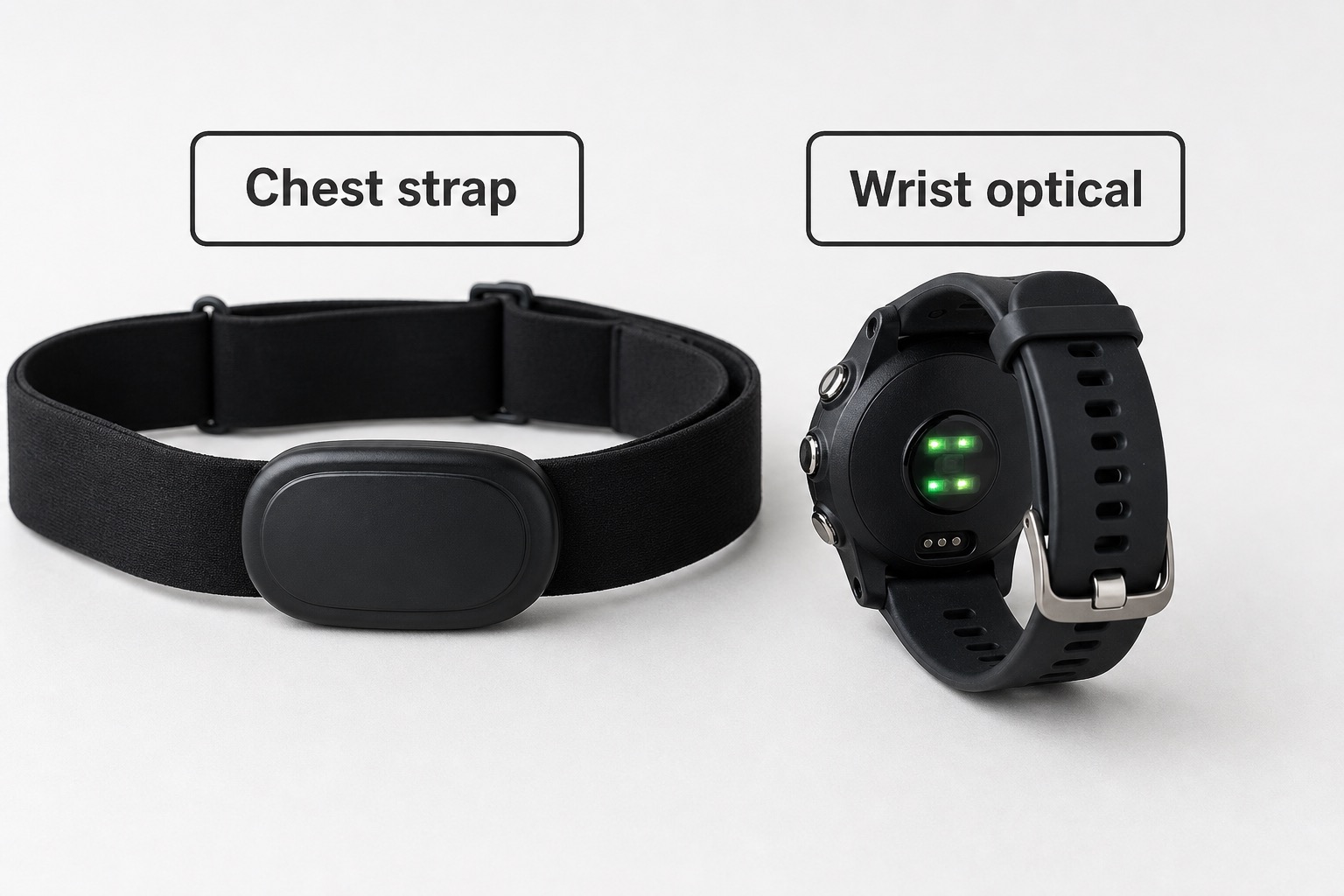
| Trusted trainer / possible race shoe | Simple GPS watch | Gel / key carry | |
|---|---|---|---|
| Best for | First marathon, Known fit | Clear screens, Reliable GPS | Supported courses |
| Main trade-off | Not as light as a supershoe. | Fewer advanced maps/metrics. | Limited fluid volume. |
Examples illustrate approaches — not a universal ranking.
Look for
Trusted trainer / possible race shoe
- Best for: First marathon, Known fit
- Main trade-off: Not as light as a supershoe.
Look for
Simple GPS watch
- Best for: Clear screens, Reliable GPS
- Main trade-off: Fewer advanced maps/metrics.
6What you gain and give up
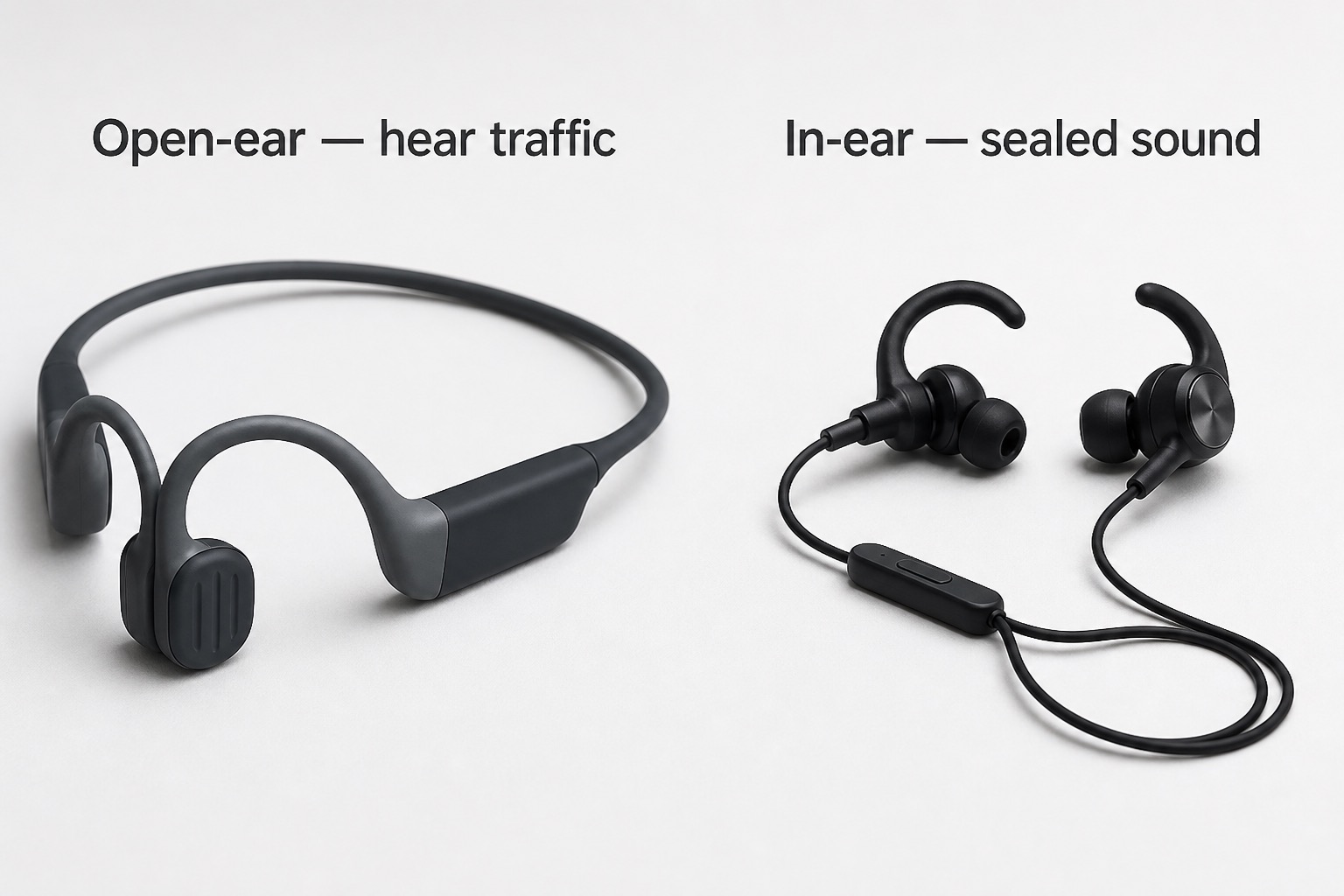
What you may gain
- · Trusted trainer / possible race shoe: useful when First marathon
- · Simple GPS watch: useful when Clear screens
- · Gel / key carry: useful when Supported courses
What you may give up
- · Not as light as a supershoe.
- · Fewer advanced maps/metrics.
- · Limited fluid volume.
Trade-offs are model- and runner-dependent — verify fit and use case.
7Next step after you shortlist
Lay out the checklist the night before a long run or tune-up. Remove anything unused; add only what rules or weather demand.
If the bag is still heavy with untested items, cut until every piece has a rehearsal behind it.
8Core kit examples
Personal medical and coaching advice still override generic lists.
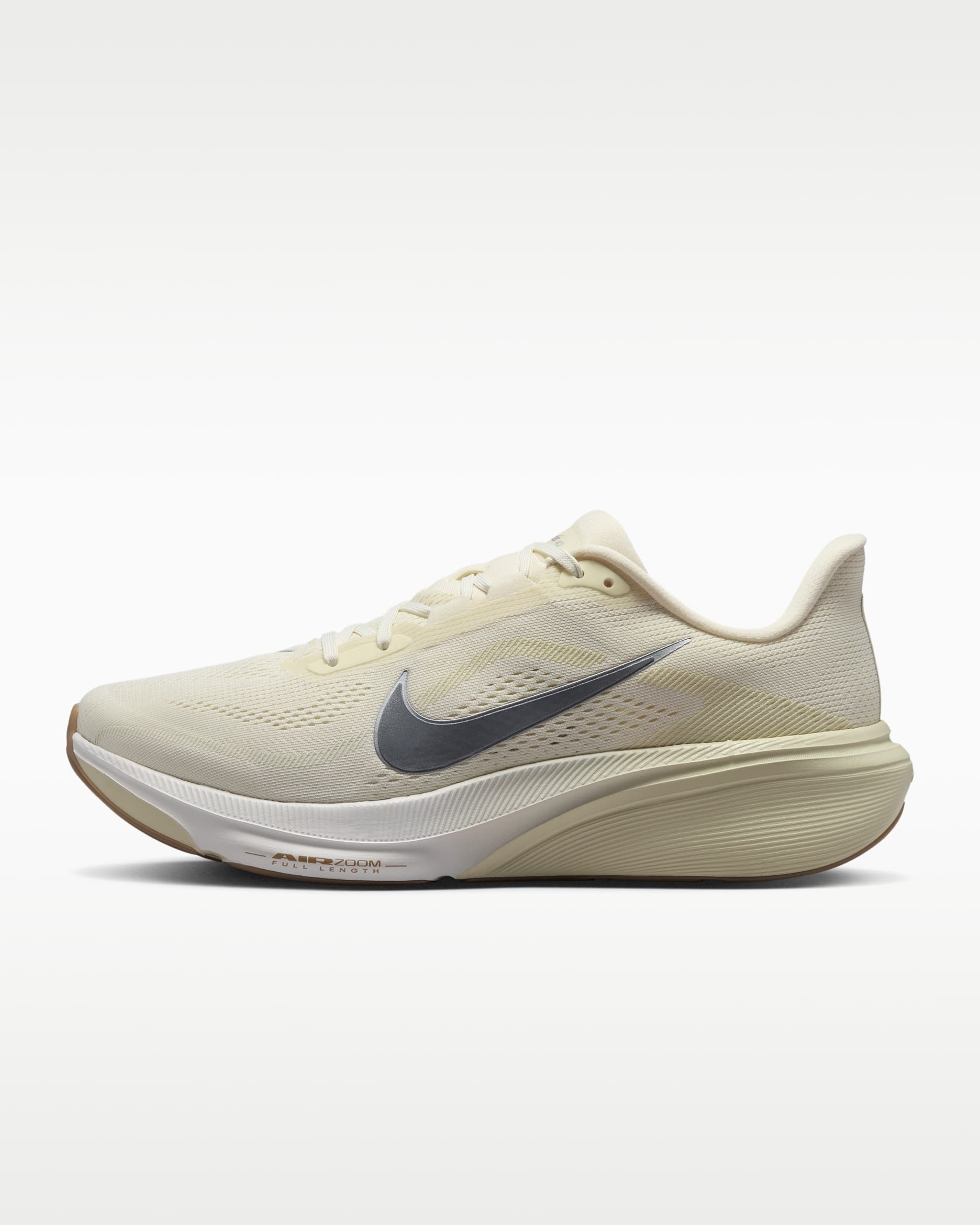
Trusted trainer / possible race shoe
8.5 Kitletics Score
Nike Pegasus 42
Why it illustrates the category: Many debut runners race the daily they trust — if rehearsed.
Best for
- · First marathon
- · Known fit
Trade-off
Not as light as a supershoe.
Read review →From € 135Simple GPS watch
7.6 Kitletics Score
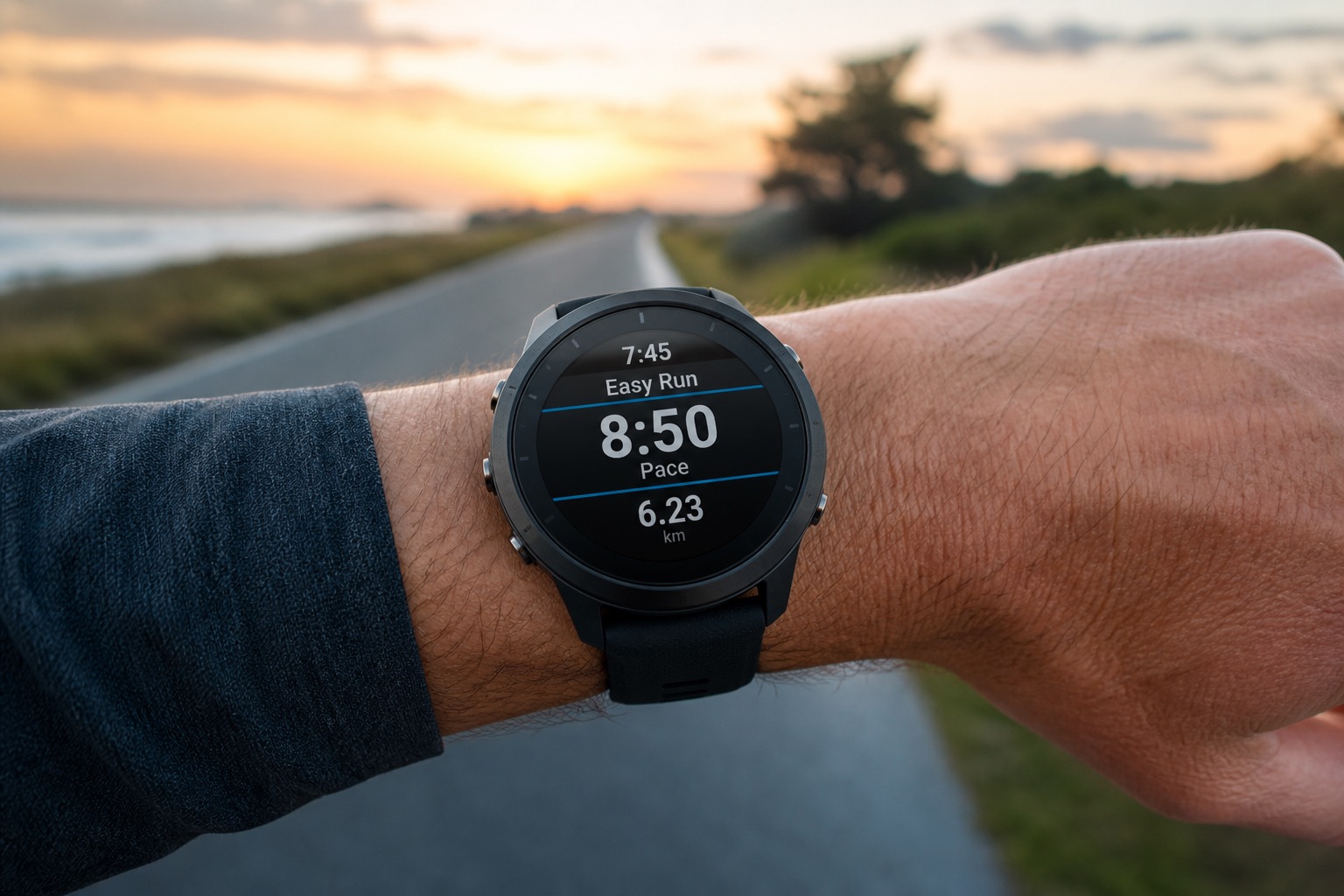
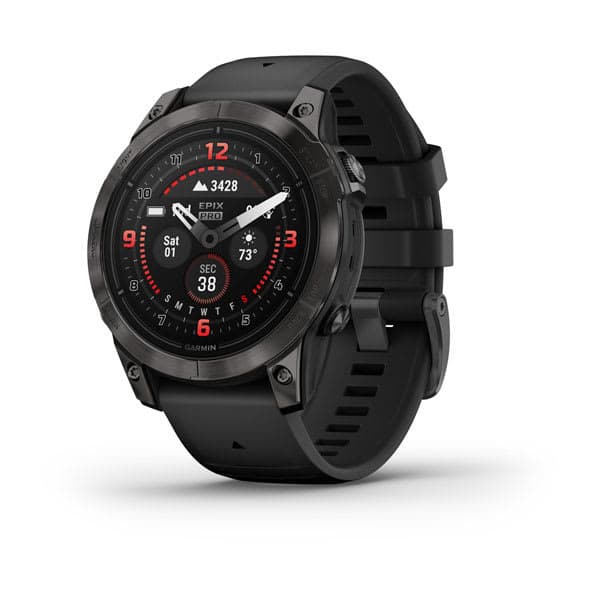
Garmin Forerunner 165
Why it illustrates the category: Enough pacing tools without flagship complexity.
Best for
- · Clear screens
- · Reliable GPS
Trade-off
Fewer advanced maps/metrics.
Read review →From € 249Gel / key carry
8.5 Kitletics Score
FlipBelt Classic
Why it illustrates the category: Light carry when aid stations cover water.
Best for
- · Supported courses
Trade-off
Limited fluid volume.
Read review →From € 32
9How current options differ
| Product | Support approach | Cushion | Drop | Widths | Best use | Key trade-off |
|---|---|---|---|---|---|---|
Nike Pegasus 42 neutral | ReactX + full-length Air Zoom | medium | 10 mm | standard, wide | Trusted shoes | Not max cushion |
| — | — | — | — | Simple watch | Fewer advanced metrics | |
| — | — | — | — | Light carry | Sweat can reach phone without a case |
10How to decide
- 1
Feet system
Shoes, socks, anti-chafe. Blisters end more debuts than slow splits. You will notice: Familiar pressure after 90 minutes.
- 2
Fuel and fluid
Gels, bottles, aid-station plan. Untried mixes cause GI distress. You will notice: Steady energy without stomach drama.
- 3
Watch and pacing
GPS mode, data screens, battery. Wrong screens create mid-race confusion. You will notice: Calm splits you can actually read.
11Common mistakes
Expo-only shoe decisions
Never race a fresh model without mileage in it.
Buying features you will not use
Extra modes and marketing claims only help when they change a real session outcome.
Skipping a training test
Race-week surprises usually come from untested fuel, fit or battery profiles.
Forcing one product to do every job
Specialist tools exist because weekly volume and intensity ask for different compromises.
12Frequently asked questions
- What is the quick takeaway on this topic?
- Race shoes and socks need long-run rehearsals. Watch battery and GPS settings get a dress rehearsal too.
- How should I weigh feet system?
- Shoes, socks, anti-chafe. Blisters end more debuts than slow splits. In practice: Familiar pressure after 90 minutes.
- What mistake should I avoid?
- Expo-only shoe decisions: Never race a fresh model without mileage in it.
- How do product examples help?
- Trusted trainer / possible race shoe illustrates this topic because Many debut runners race the daily they trust — if rehearsed. Trade-off: Not as light as a supershoe.
Debut marathon kit pieces
Nike
Pegasus 42
Trusted shoes
8.5 Very GoodFrom € 135
View review →Garmin
Forerunner 165
Simple watch
7.6 SolidFrom € 249
View review →FlipBelt
Classic
Light carry
8.5 Very GoodFrom € 32
View review →
Head-to-head comparisons
Continue the decision with focused head-to-heads — who should choose which, and the trade-offs that matter.
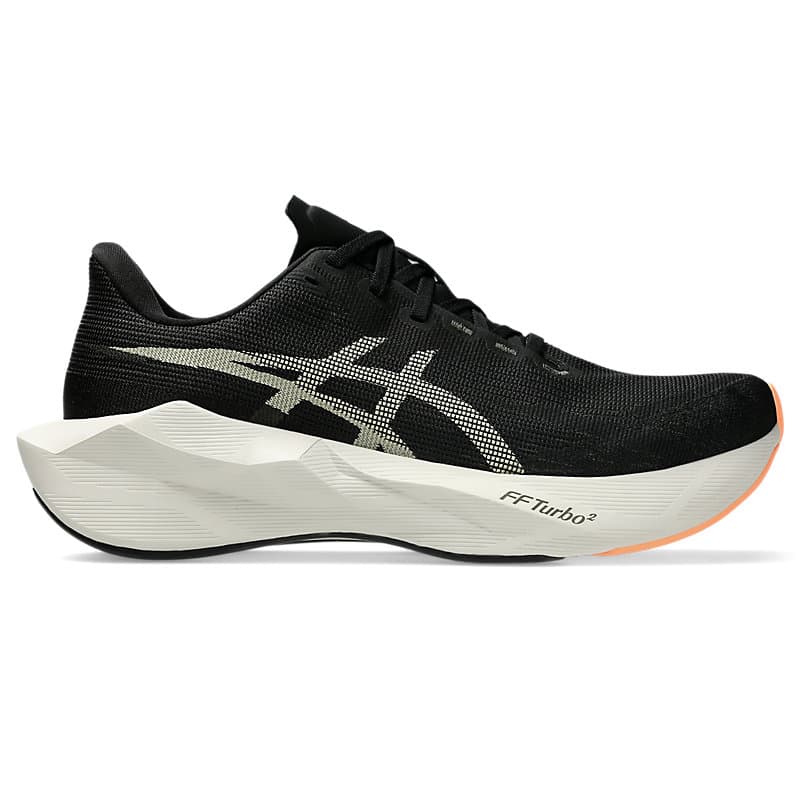
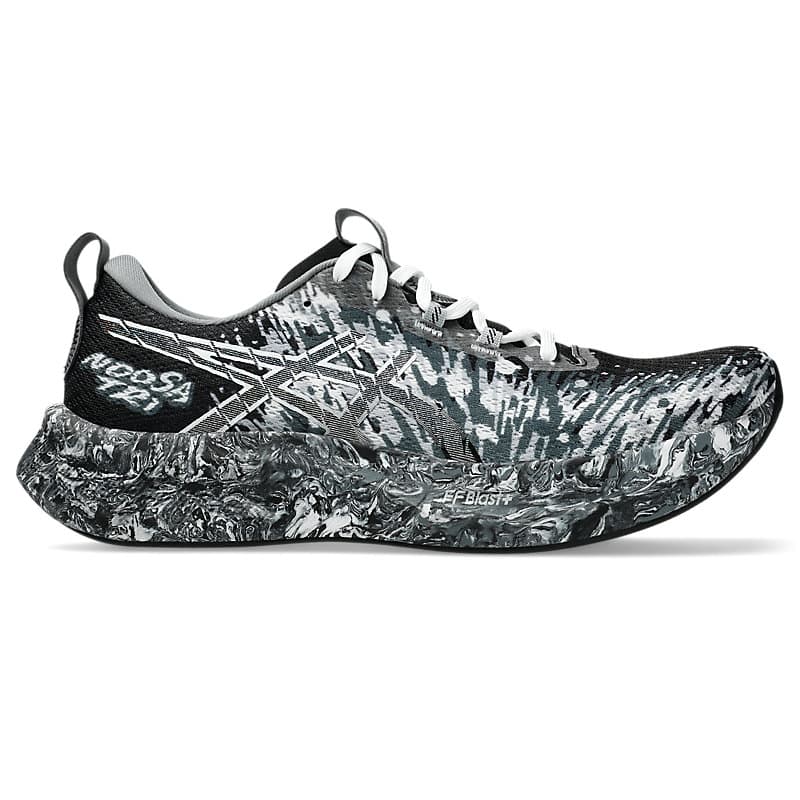
Novablast 6vsGEL-Nimbus 27
Two premium daily trainers with different strengths — energetic versatility versus maximum cushioning.
Compare →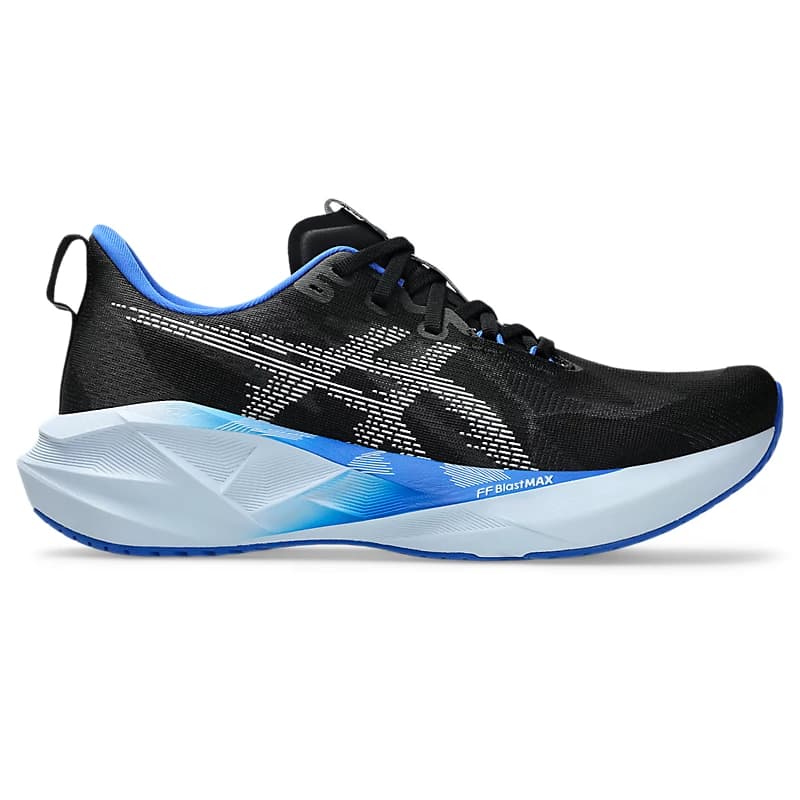
Novablast 6vsNovablast 5
Current vs previous Novablast — grip, midsole pod and upper changes.
Compare →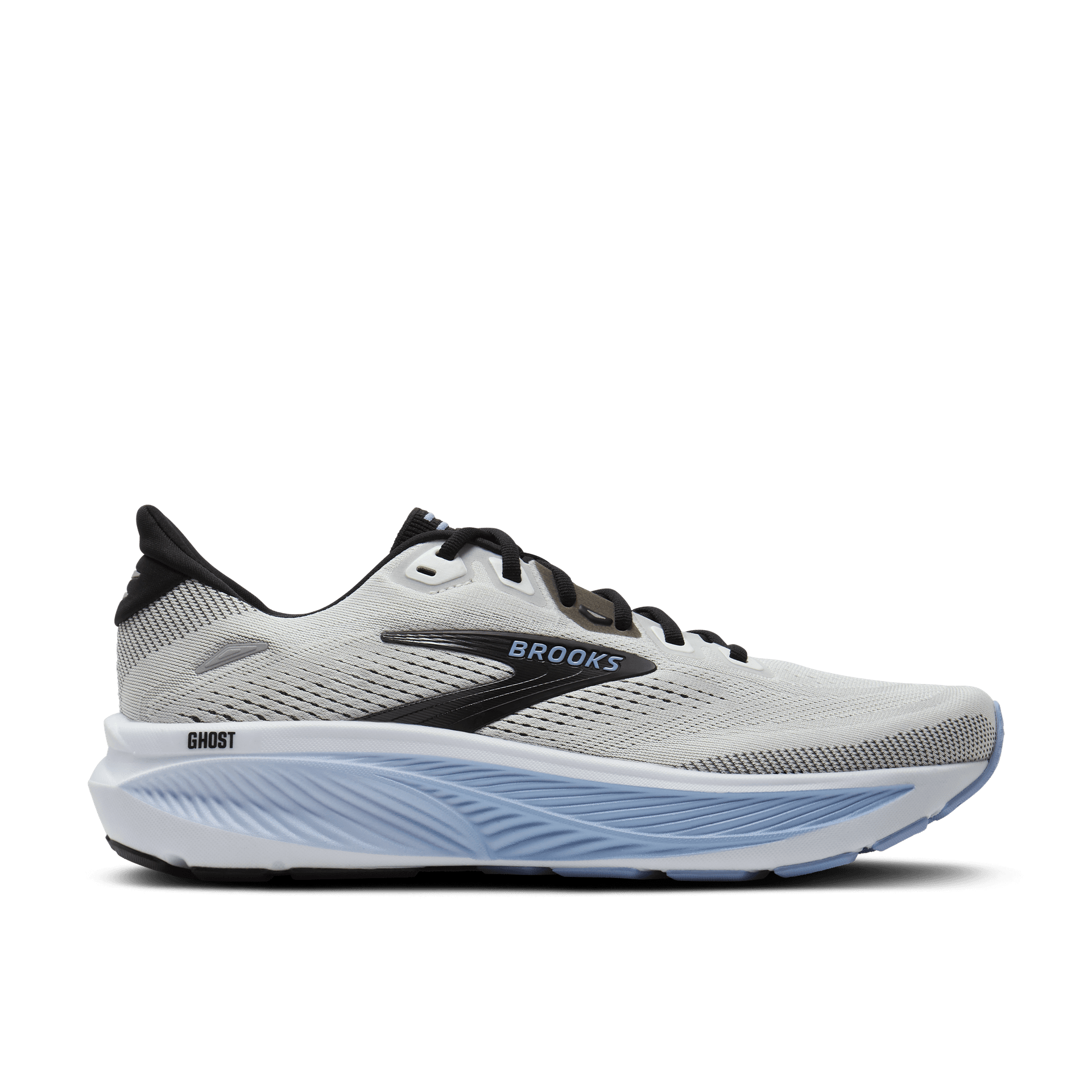
Novablast 6vsGhost 18
Bouncy ASICS daily vs soft, width-friendly Brooks daily.
Compare →How we research
This guide combines manufacturer specifications, catalog product data and independent specialist coverage. Product examples render from live catalog data and illustrate approaches — not medical or ranking claims.