The short version
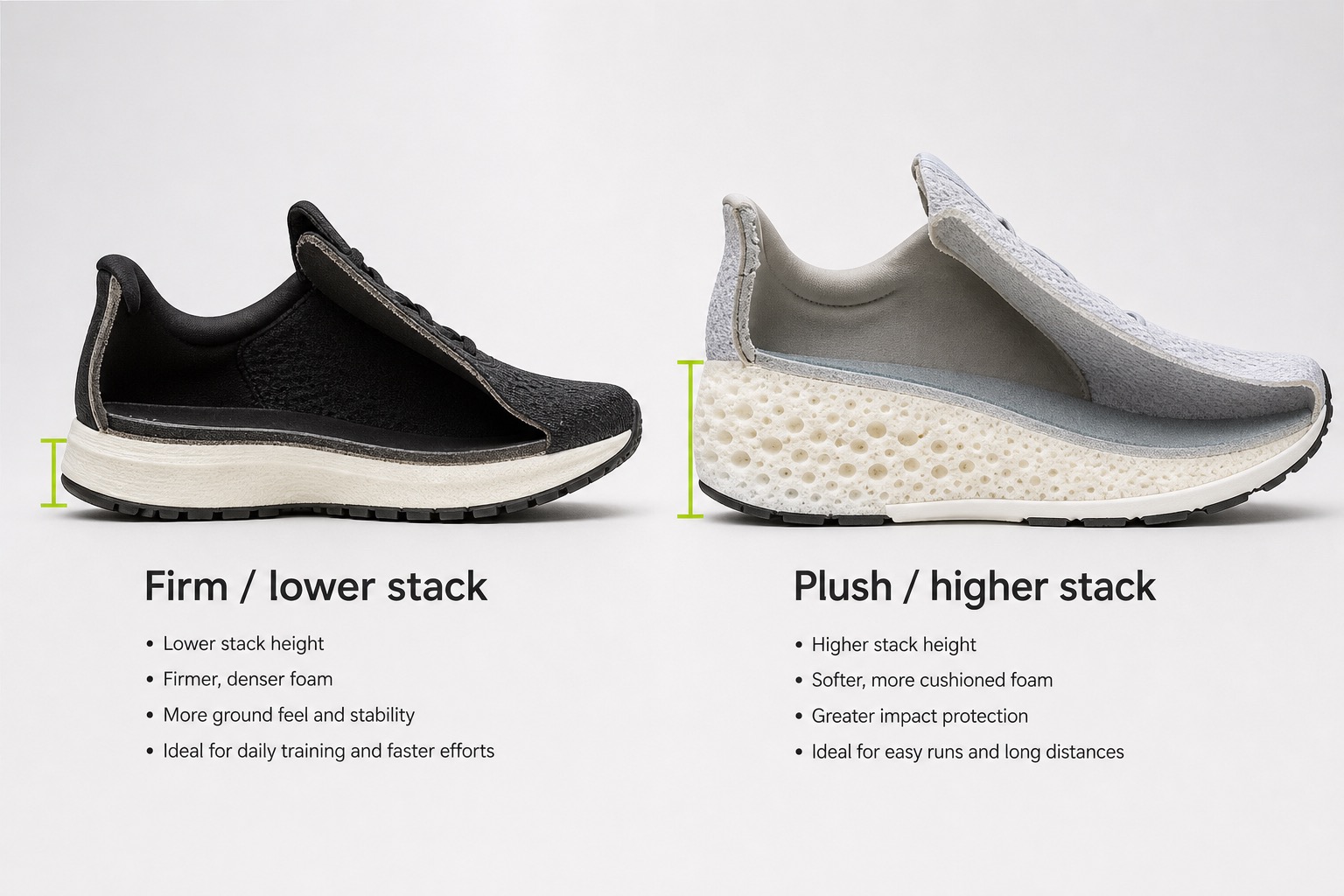
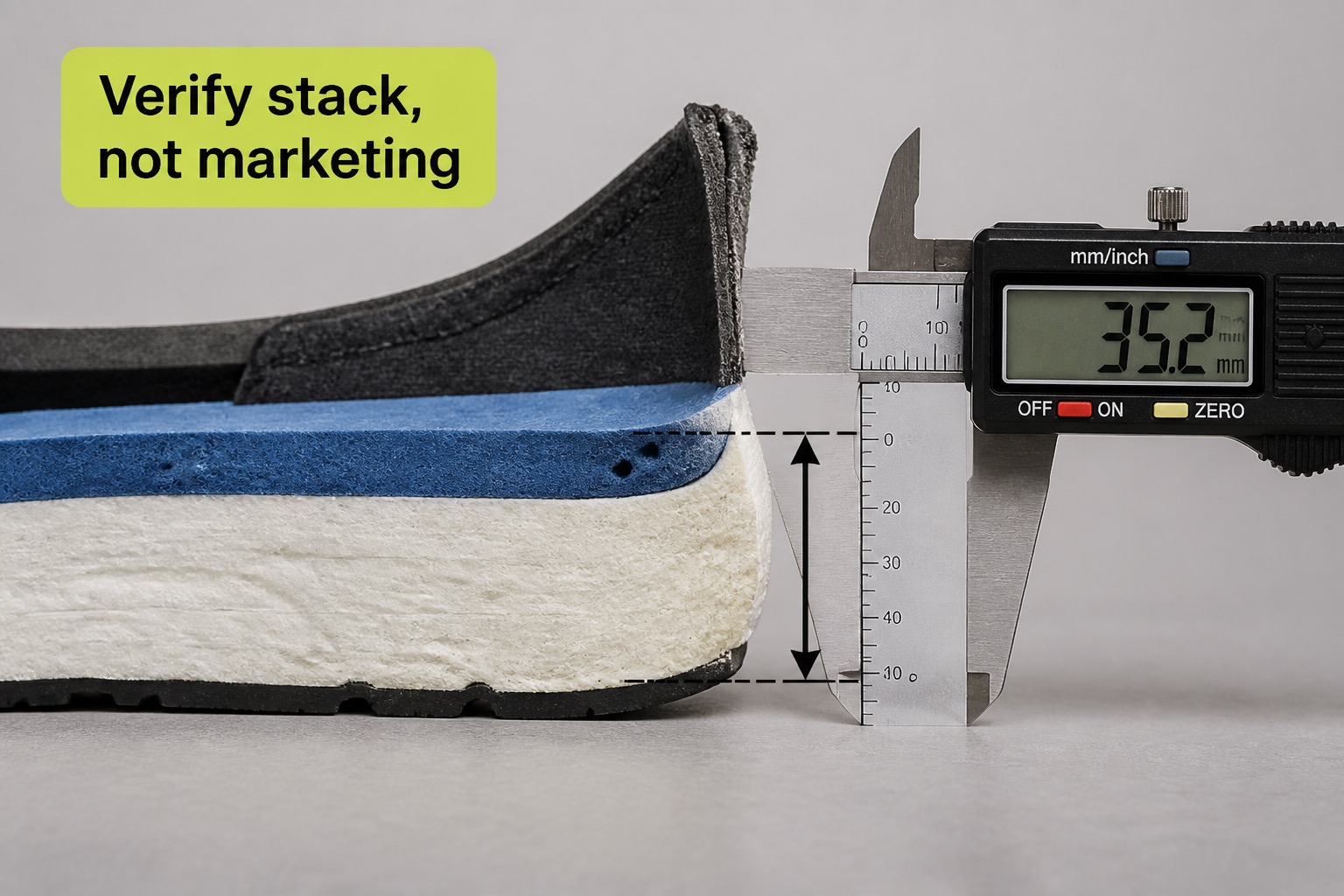
- Stack height measures material underfoot; it does not measure softness.
- Cushion level, cushion feel, energy return and ride character answer different questions.
- Maximum cushion can improve protection and comfort while adding weight, bulk or less precise handling.
- Daily foams balance repeated mileage; race foams prioritise low weight and rebound.
- Choose cushioning for the session and your ride preference, then confirm fit and platform stability.
- Cushioning is product geometry and feel—not a diagnosis, treatment or injury-prevention guarantee.
Kitletics describes footwear construction and ride. Cushioning classifications do not diagnose injury or guarantee prevention, recovery or pain relief. Consult a qualified clinician for persistent pain or medical footwear questions.
Approaches in this guide
1What does running shoe cushioning mean?
Cushioning is a system, not one foam adjective.
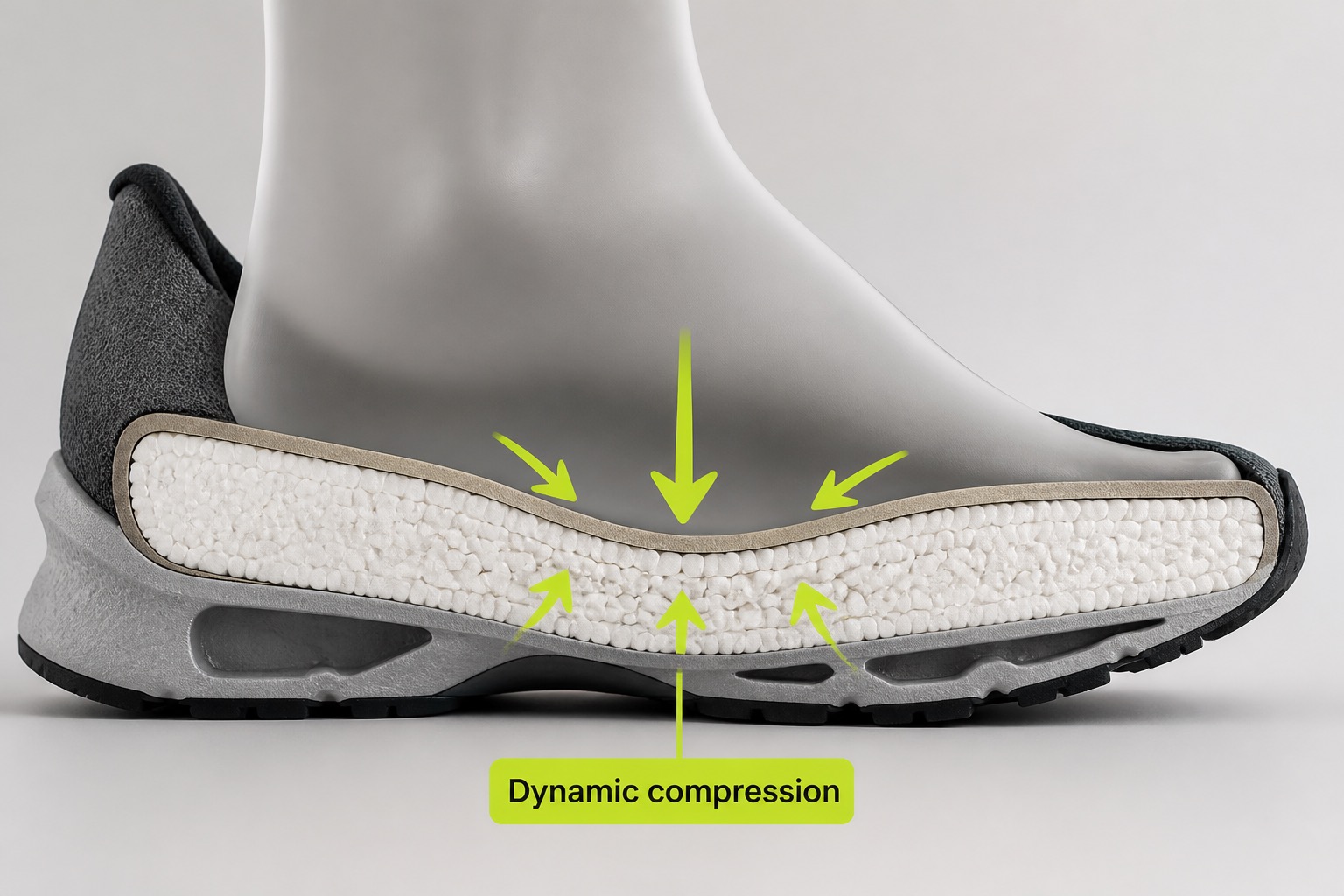
Running shoe cushioning describes how the midsole and surrounding geometry manage impact and shape the underfoot ride. The amount of material, how easily it compresses, how quickly it rebounds, the platform shape and the shoe’s stiffness all contribute.
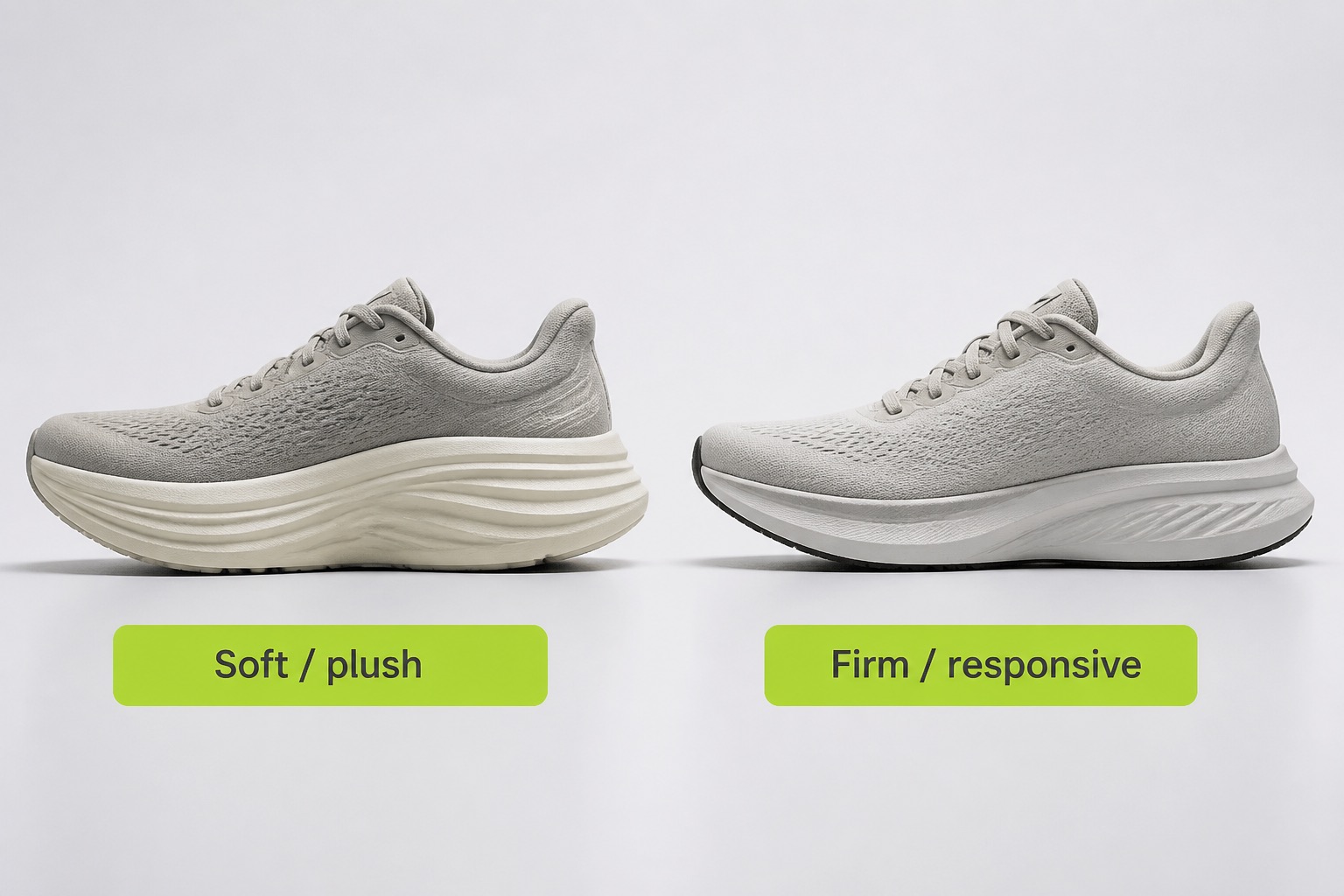
That is why “cushioned” is incomplete on its own. A shoe can be tall but firm, soft but not especially energetic, or highly responsive without feeling plush. Cushioning level, cushion feel and energy return answer different questions.
Kitletics separates those fields so you can compare what a shoe is designed to do. None of them predicts comfort for every runner, and none is a medical claim about injury prevention.
2Stack, softness and energy return are different
| What it describes | What it can tell you | What it cannot tell you alone | |
|---|---|---|---|
| Stack height | Material height under heel or forefoot | How tall or protective the platform may be | Whether the foam feels soft or lively |
| Cushion feel | How the platform compresses underfoot | Whether the ride trends plush, soft, balanced or firm | How much rebound or speed assistance it provides |
| Energy return | How readily the system rebounds after compression | Whether the ride may feel lively or responsive | Whether it feels soft, stable or comfortable to you |
| Ride character | The overall transition and motion of the shoe | Whether it feels smooth, rockered or responsive | A universal ranking of ride quality |
Use the fields together. Marketing terms often collapse all four into the word “cushioning.”
Look for
What it describes
- Stack height: Material height under heel or forefoot
- Cushion feel: How the platform compresses underfoot
- Energy return: How readily the system rebounds after compression
- Ride character: The overall transition and motion of the shoe
Look for
What it can tell you
- Stack height: How tall or protective the platform may be
- Cushion feel: Whether the ride trends plush, soft, balanced or firm
- Energy return: Whether the ride may feel lively or responsive
- Ride character: Whether it feels smooth, rockered or responsive
3How Kitletics uses cushioning
The controlled enum describes the intended amount of cushioning, not a lab score.
| General signal | Common role | Important caveat | |
|---|---|---|---|
| Minimal | Very little underfoot material/protection | Specialist ground-feel use | Not automatically lighter, faster or more natural |
| Low | Lower cushioning emphasis | Connected daily or specialist use | Can still use resilient foam |
| Medium | Moderate cushioning | Traditional daily versatility | May feel softer than some high-stack shoes |
| High | Strong cushioning emphasis | Daily, long, tempo or race use | The ride can be soft, balanced or firm |
| Maximum | Highest protection/stack emphasis in the catalog | Easy, recovery and long-run roles | Max cushion is not automatically plush or stable |
Catalog classifications support filtering across brands. They do not replace model-specific stack, feel, geometry and use-case data.
Look for
General signal
- Minimal: Very little underfoot material/protection
- Low: Lower cushioning emphasis
- Medium: Moderate cushioning
- High: Strong cushioning emphasis
Look for
Common role
- Minimal: Specialist ground-feel use
- Low: Connected daily or specialist use
- Medium: Traditional daily versatility
- High: Daily, long, tempo or race use
4What creates ride character
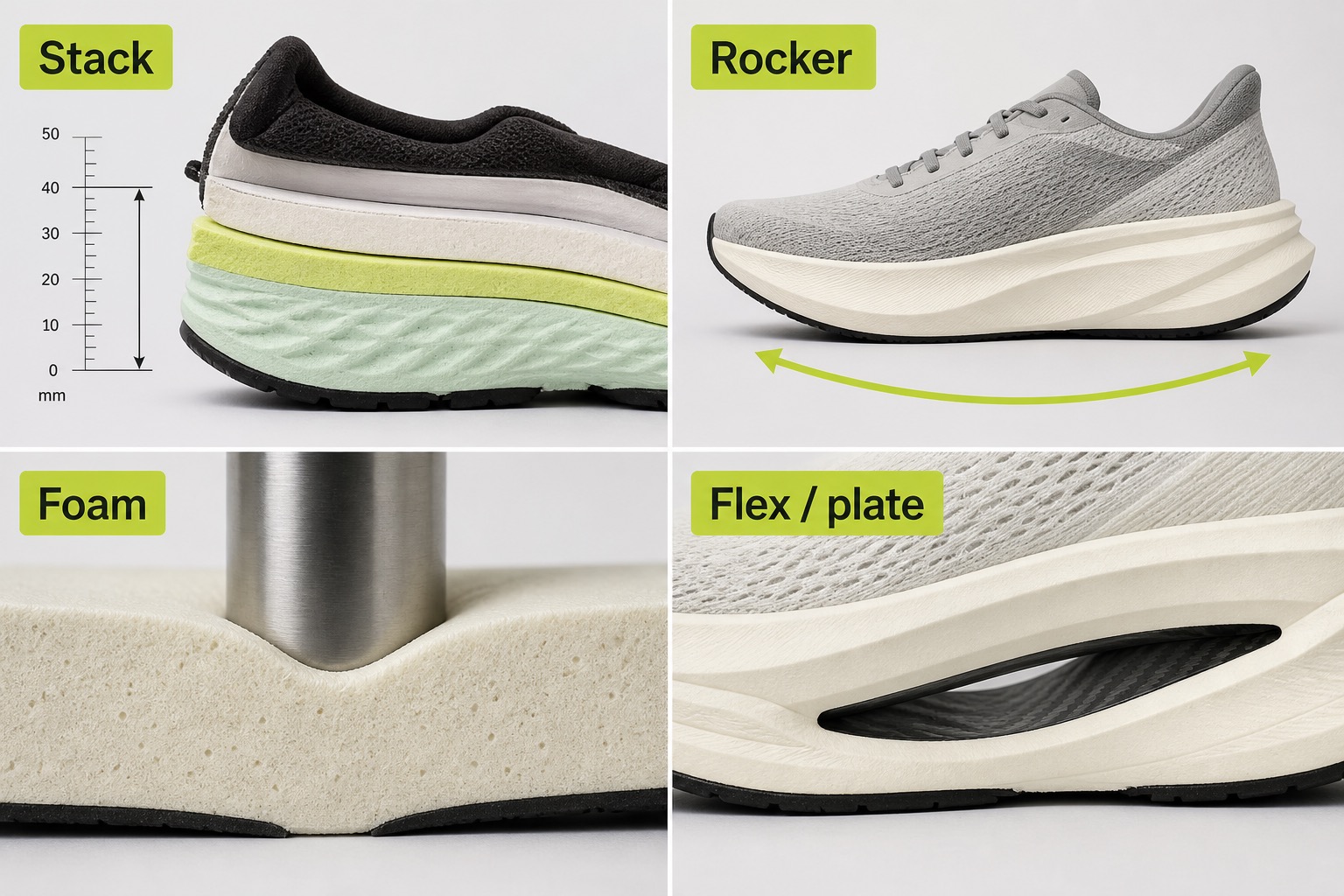
Foam compound
- What it is
- The midsole material and its formulation.
- How it changes the choice
- Controls compression, resilience, weight and temperature sensitivity.
- What you may notice
- Plush sink, balanced support, firmness or spring.
Stack height
- What it is
- The vertical amount of material underfoot.
- How it changes the choice
- Adds separation from the ground and room for foam deformation.
- What you may notice
- Protection and platform height—not a guaranteed softness level.
Geometry and base width
- What it is
- The rocker, sidewalls, heel bevel and footprint of the midsole.
- How it changes the choice
- Shapes transitions and can stabilise a tall or soft platform.
- What you may notice
- Rolling, planted, agile or bulky behaviour.
Plate and stiffness
- What it is
- Carbon, nylon or other structures that resist bending.
- How it changes the choice
- Redirects foam deformation and works with rocker geometry.
- What you may notice
- A snappier transition or a less flexible, less relaxed ride.
Outsole and construction
- What it is
- Rubber coverage, upper structure and the complete shoe build.
- How it changes the choice
- Adds stiffness, weight, grip and durability around the foam.
- What you may notice
- The same midsole can feel different in a different construction.
Runner and pace
- What it is
- Body mass, stride, speed and time on feet.
- How it changes the choice
- Changes how deeply and quickly the system is loaded.
- What you may notice
- A foam one runner calls soft may feel balanced or firm to another.
5What to look for in each factor
Use these checks on fit, ride and job match — verify on a short shakeout, not only on a shelf comparison.
Look for
Foam compound
- The midsole material and its formulation.
- Watch for: Plush sink, balanced support, firmness or spring.
- Decision tip: Controls compression, resilience, weight and temperature sensitivity.
Look for
Stack height
- The vertical amount of material underfoot.
- Watch for: Protection and platform height—not a guaranteed softness level.
- Decision tip: Adds separation from the ground and room for foam deformation.
Look for
Geometry and base width
- The rocker, sidewalls, heel bevel and footprint of the midsole.
- Watch for: Rolling, planted, agile or bulky behaviour.
- Decision tip: Shapes transitions and can stabilise a tall or soft platform.
Look for
Plate and stiffness
- Carbon, nylon or other structures that resist bending.
- Watch for: A snappier transition or a less flexible, less relaxed ride.
- Decision tip: Redirects foam deformation and works with rocker geometry.
6From plush to responsive: reading the ride
Plush cushioning prioritises a soft, protective sensation. Balanced cushioning limits excess sink and often works across more paces. Firm cushioning can still be highly protective when there is ample material underfoot.
Smooth describes an unobtrusive transition; rockered describes a more obvious rolling geometry; responsive describes a quicker, livelier return. These ride labels are not synonyms for softness.
The useful question is not “How much cushion is best?” It is “What ride character supports this session?” Easy mileage may reward relaxed protection, while faster running may reward lower weight, rebound and a quicker transition.
7Cushion amount × energy return
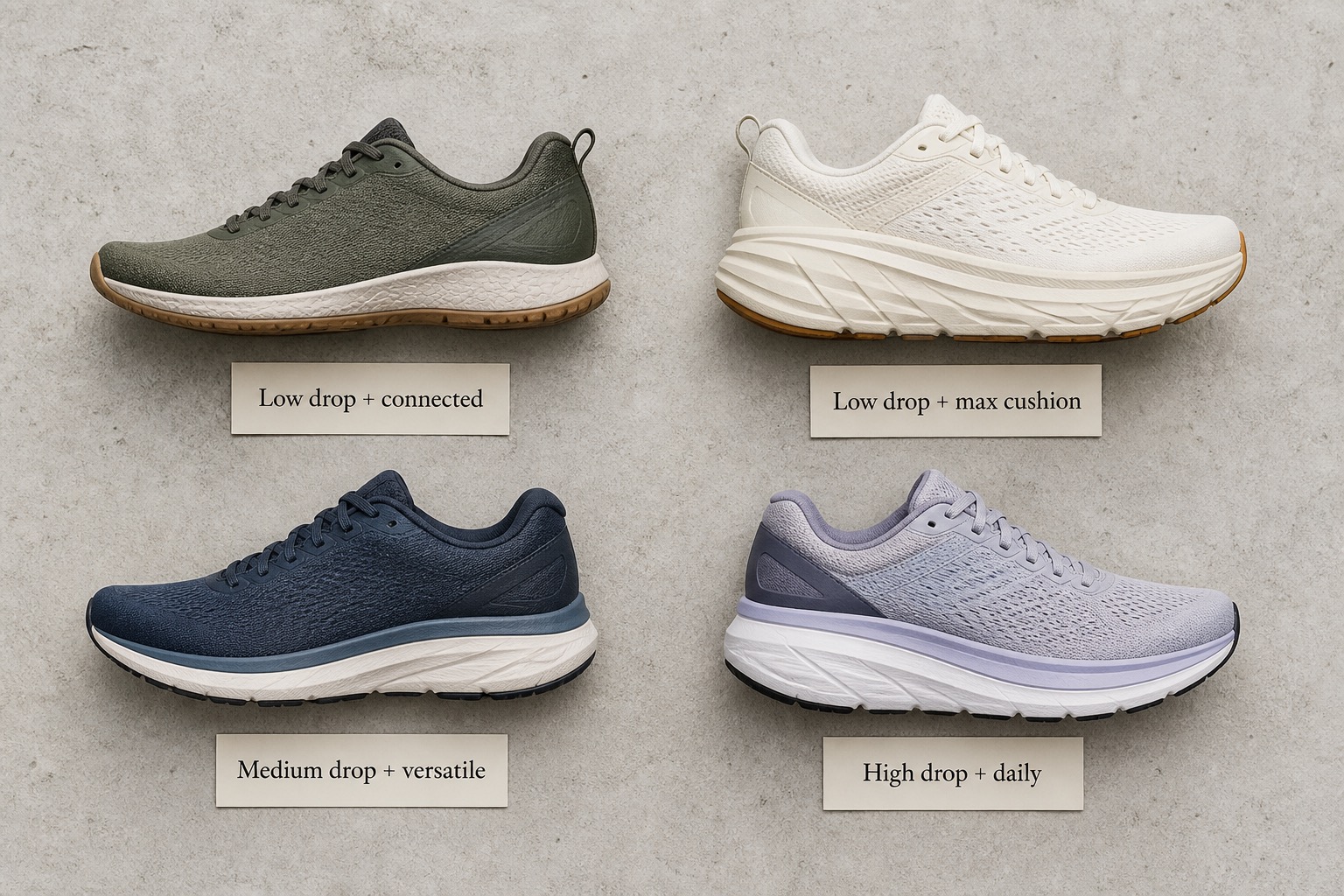
Higher energy return ↑ · Lower cushion level → Higher cushion level
Bondi 9
Maximum · plush · moderate return
View product →Clifton 10
Maximum · plush · rockered
View product →Novablast 6
High · soft · high return
View product →Vaporfly 4
High · firm · very-high return
View product →
All four are highly cushioned in catalog terms, yet their feel and intended use differ sharply.
8Max-cushion benefits and trade-offs
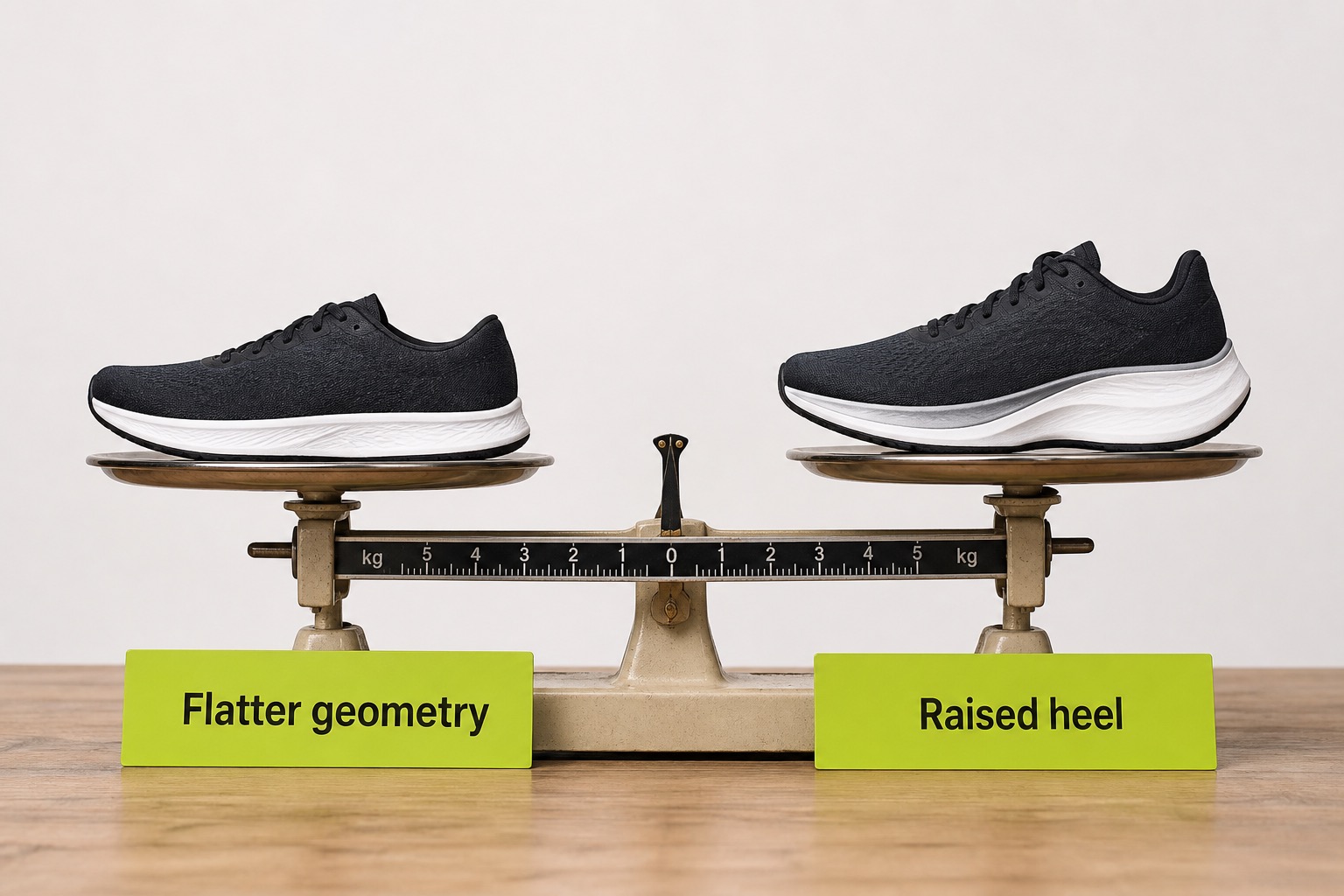
What you may gain
- · More underfoot material for a protective easy- or long-run feel
- · Room for rockered geometry that can smooth transitions
- · Comfort-focused options for long periods on feet
- · Broad choice across neutral and guided platforms
What you may give up
- · More foam can add weight and bulk
- · Tall soft platforms can feel less precise or agile
- · Plush compression may feel slow when pace rises
- · Maximum cushion does not guarantee stability, fit or durability
Compare specific models; these are category tendencies, not universal outcomes.
9Daily foams and race foams solve different problems
Daily trainers balance comfort, durability, stability, price and pace range. Their foams may feel plush or bouncy, but the complete package must tolerate repeated mileage and ordinary use.
Race shoes prioritise low weight and energy return. Premium foams often pair with stiff plates and aggressive geometry. A race shoe can carry high cushioning while feeling firmer and less relaxed than a max-cushion recovery shoe.
Do not use high stack or premium foam as shorthand for versatility. The Vaporfly 4 and Bondi 9 both offer substantial cushioning, but one is a carbon-plated racer and the other a plush easy-day tool.
10Match cushioning to the session
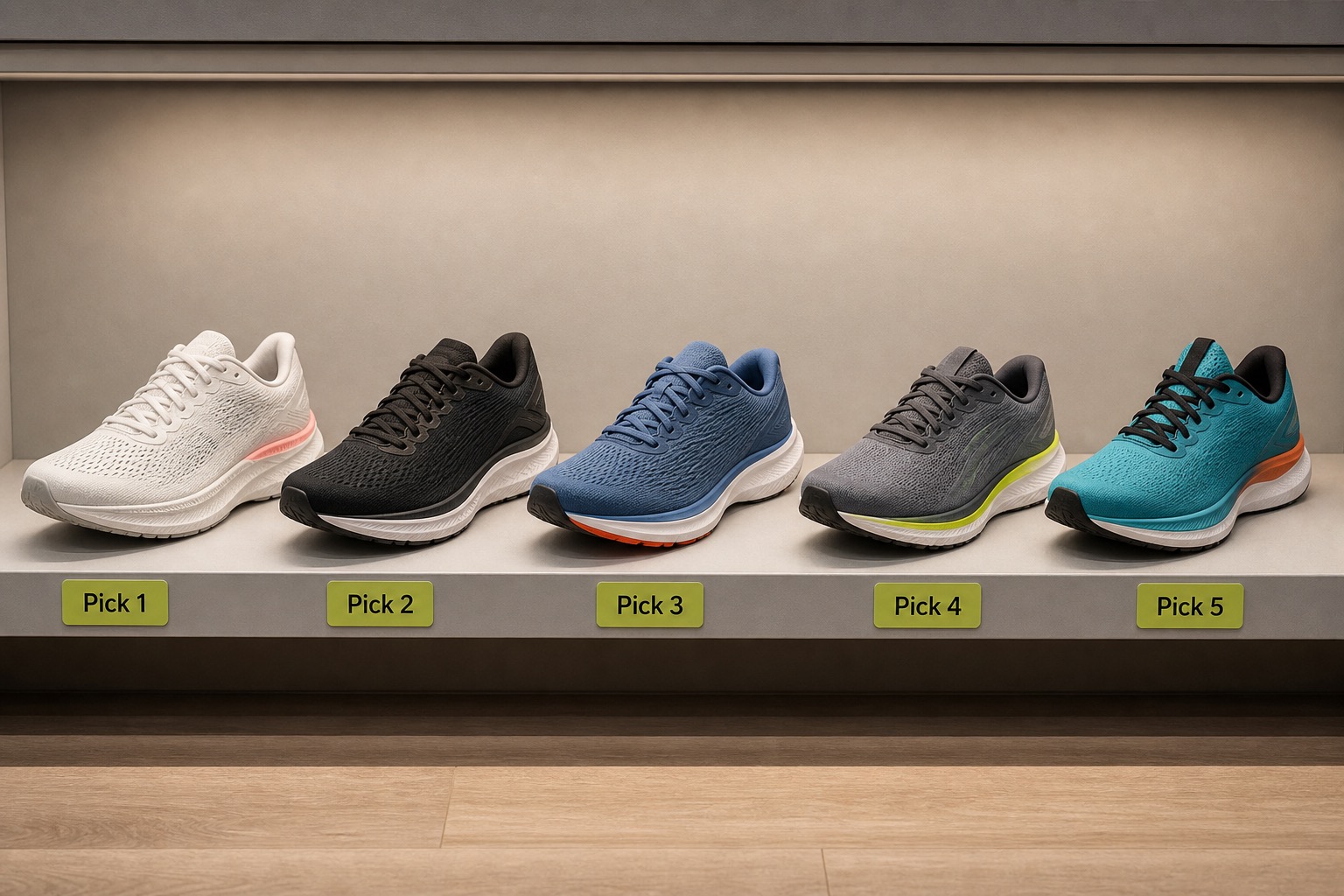
- 1
Daily training
Look for a balanced mix of comfort, durability and pace range rather than the highest possible stack.
Explore → - 2
Easy and recovery
Plush or maximum cushioning can work well when relaxed protection matters more than low weight.
Explore → - 3
Long runs
Sustained comfort matters, but stable geometry, fit and late-run transition matter too.
Explore → - 4
Tempo and workouts
High energy return, lower weight and a quicker transition often matter more than plushness.
Explore → - 5
Race day
Race cushioning aims to rebound efficiently at speed, often through premium foam plus a stiff plate.
Explore →
11How to choose cushioning
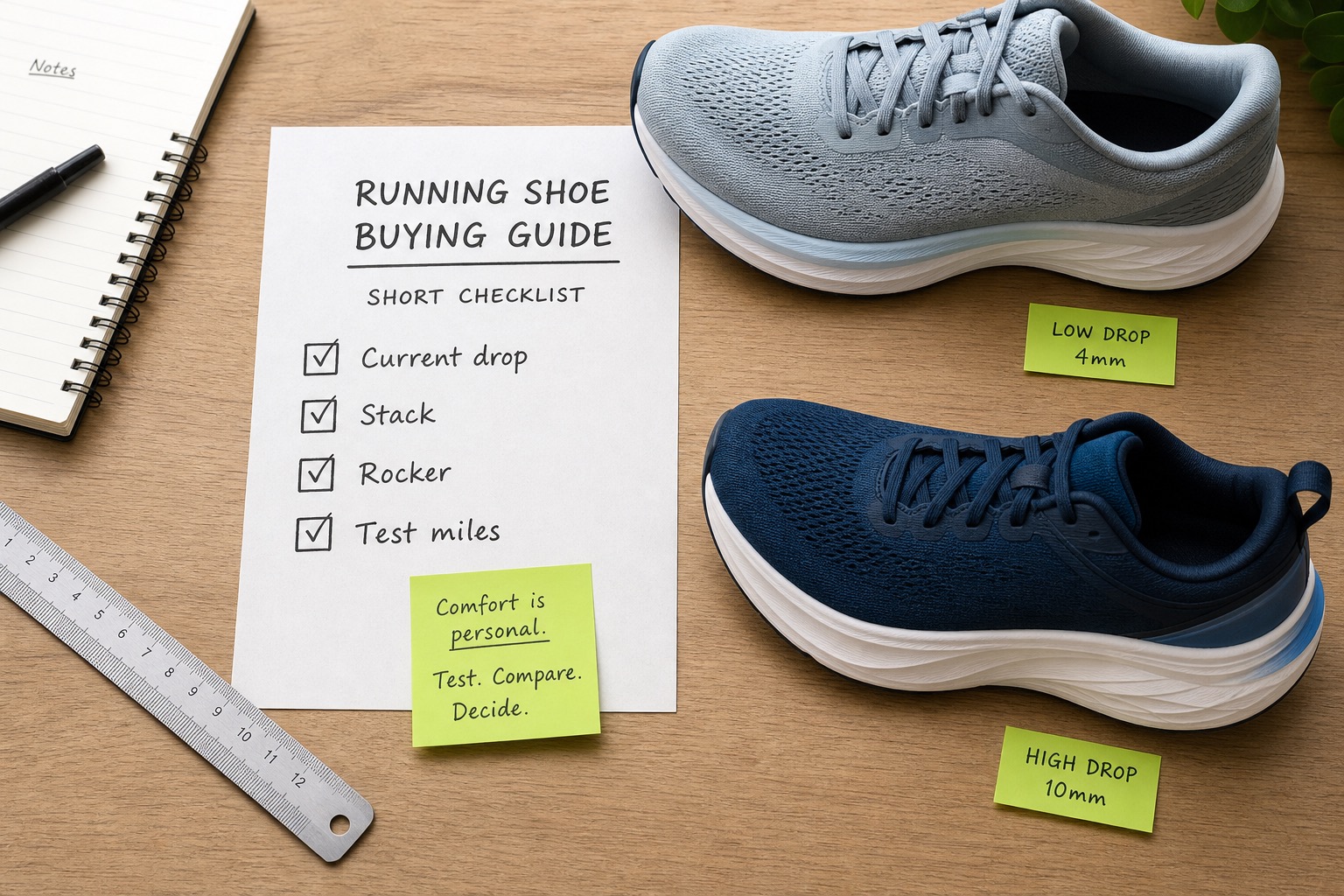
- 1
Name the primary run
Decide whether this is mainly for easy, daily, long, workout or race use.
- 2
Choose a feel direction
Plush, soft, balanced or firm is more actionable than simply asking for more foam.
- 3
Decide how lively it should be
Relaxed mileage and fast running place different value on energy return and stiffness.
- 4
Check the complete platform
Read stack, rocker, base width, stability and drop together.
- 5
Confirm fit and lockdown
More cushioning cannot rescue toe pressure, heel slip or the wrong width.
- 6
Accept the role trade-off
A plush recovery shoe may be heavy; a race foam may be expensive, stiff and less durable.
What do you want the cushioning to do most?
Feel relaxed
Start with plush or soft daily/max-cushion models and check platform stability.
Handle most runs
Prioritise balanced or soft high cushioning with moderate weight and no extreme geometry.
Feel lively
Compare energy return, weight and rocker—not softness alone.
Race fast
Evaluate race-specific foam, plate and fit; do not shop from cushion level alone.
12Four different meanings of cushioned
These products illustrate distinct cushioning systems and roles. They are not ranked here; current recommendations belong in the linked Best guides.
Plush maximum-cushion example
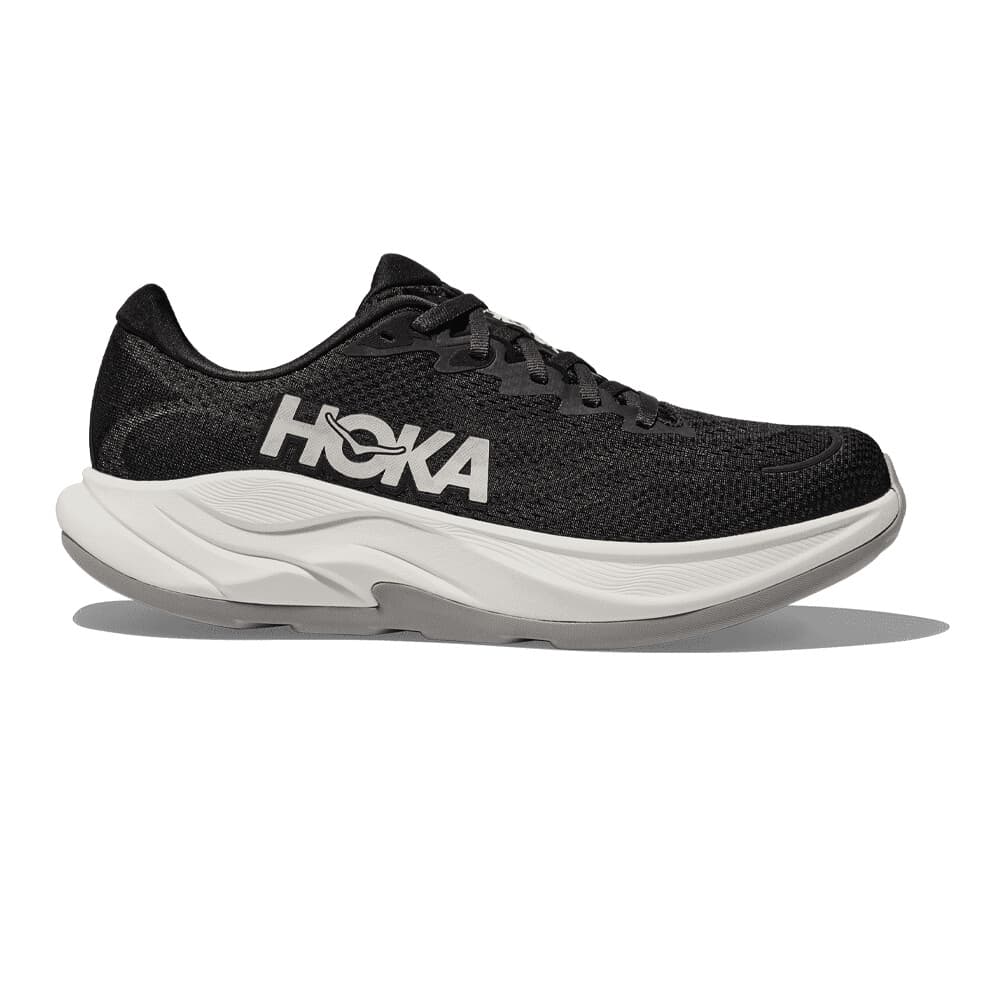
8.5 Kitletics Score
HOKA Bondi 9
Why it illustrates the category: Maximum cushion, plush feel and moderate energy return create a relaxed, rockered easy-day profile.
Best for
- · Easy and recovery miles
- · Long protective days
- · Runners prioritising plushness
Trade-off
More bulk and less pace versatility than lively daily trainers or race shoes.
Read review →From € 180Versatile high-cushion example
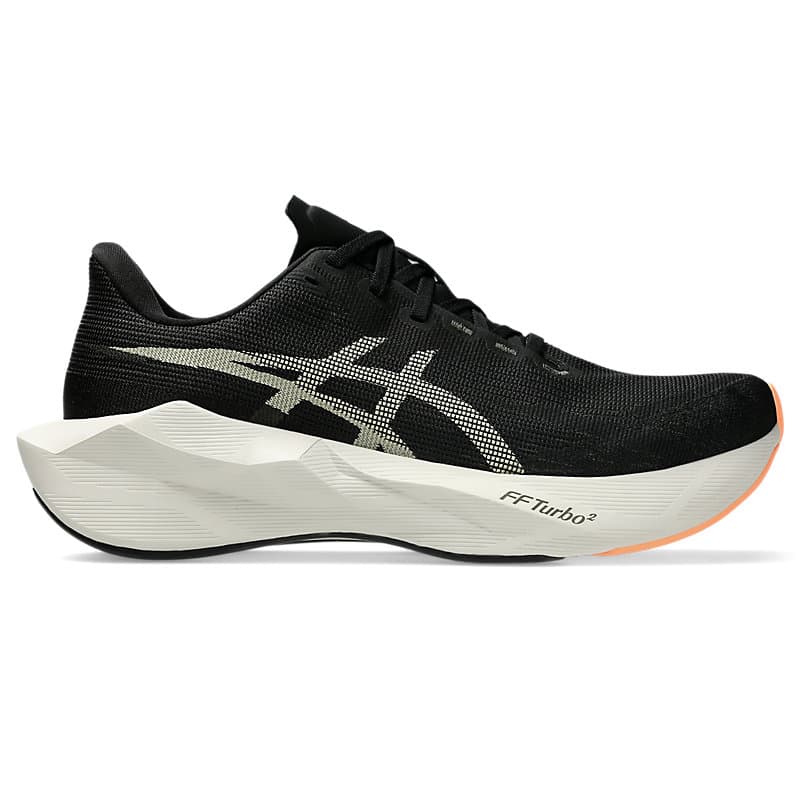
9.0 Kitletics Score
ASICS Novablast 6
Why it illustrates the category: Soft high cushioning combines with high energy return for a daily trainer that can feel protective without being purely recovery-focused.
Best for
- · Mixed daily mileage
- · Long runs
- · Runners wanting soft plus lively
Trade-off
Tall, soft geometry may feel less planted or direct than a lower, firmer daily shoe.
Read review →From € 149Race-cushion example
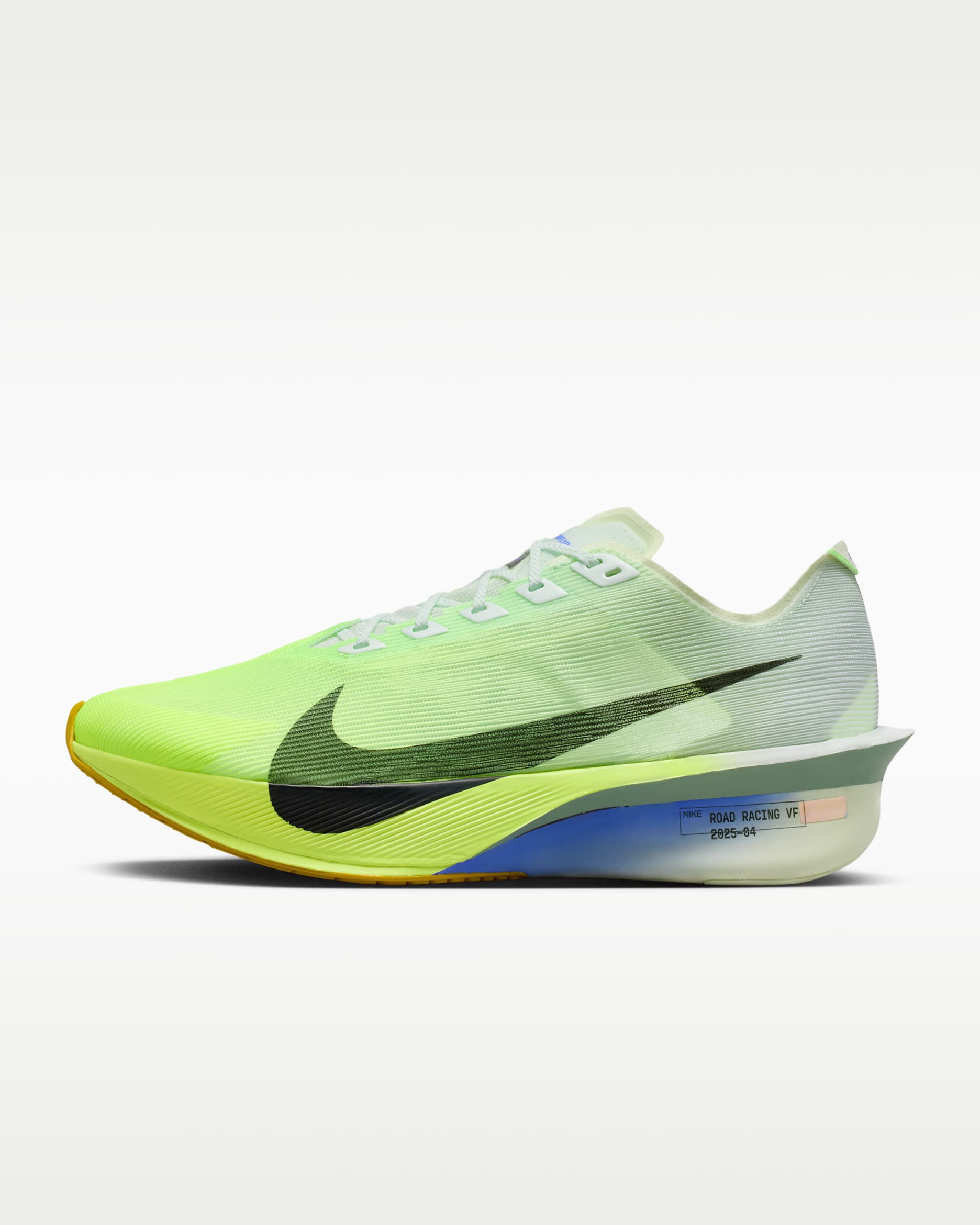
8.9 Kitletics Score
Nike Vaporfly 4
Why it illustrates the category: High cushioning, firm feel, very-high energy return and a carbon plate show how race cushioning prioritises rebound over plushness.
Best for
- · Road racing
- · Goal-pace sessions
- · Runners comfortable with stiff plated geometry
Trade-off
Specialised, less relaxed and typically less economical for routine easy mileage.
Read review →From € 245Plush rockered daily example
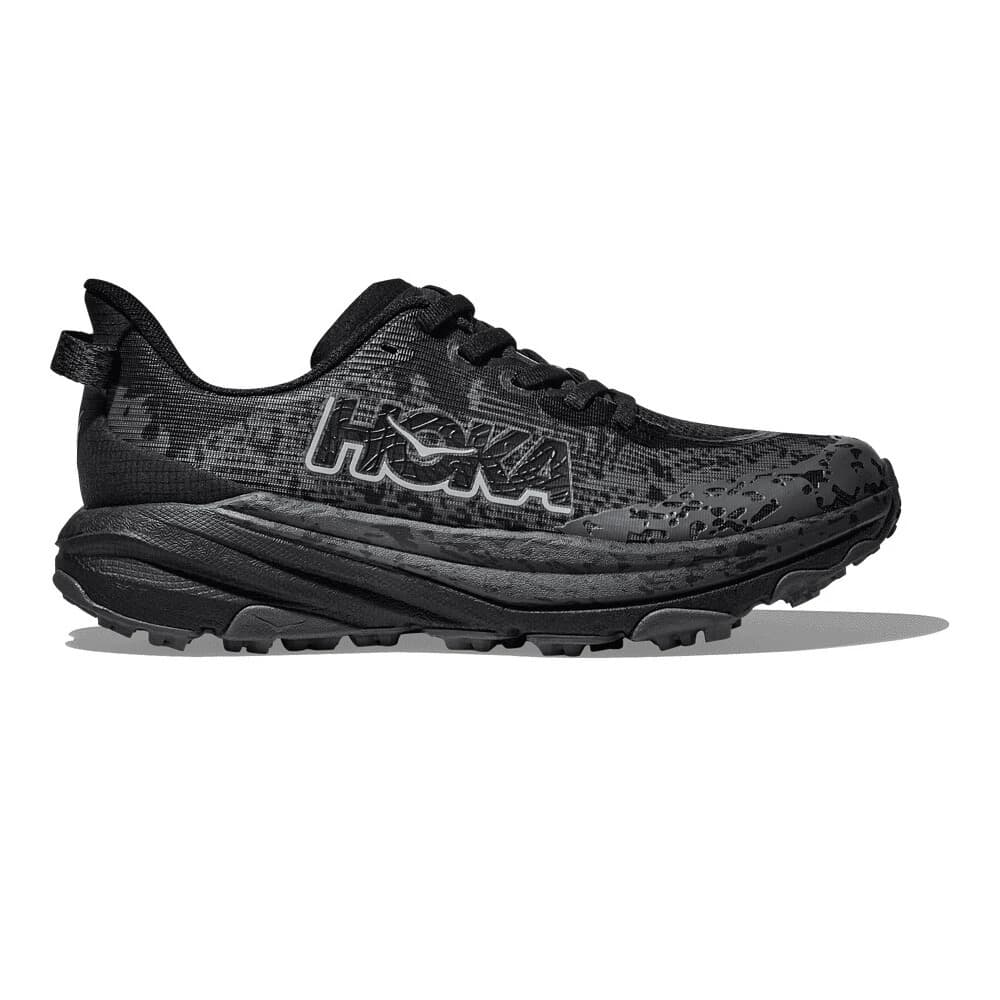
8.8 Kitletics Score
HOKA Clifton 10
Why it illustrates the category: Maximum cushion and plush CMEVA pair with a 5 mm drop and signature rocker for smooth daily and long-run transitions.
Best for
- · Easy daily running
- · Long runs
- · Runners who prefer a rolling ride
Trade-off
Moderate energy return and max-cushion geometry make it less speed-focused than Novablast or Vaporfly.
Read review →From € 144
13Compare four cushioning approaches
| Product | Support approach | Cushion | Drop | Widths | Best use | Key trade-off |
|---|---|---|---|---|---|---|
HOKA Bondi 9 mild-stability | CMEVA | maximum | 5 mm | standard, wide | Plush maximum cushion | Heavier than Clifton |
ASICS Novablast 6 neutral | FF BLAST MAX + FF TURBO SQUARED trampoline pod | high | 8 mm | standard, wide | Versatile high cushion | Not a stability shoe |
Nike Vaporfly 4 neutral | ZoomX | high | 8 mm | standard | Responsive race cushion | Not for easy mileage |
HOKA Clifton 10 neutral | Compression-molded EVA / CMEVA | maximum | 5 mm | standard, wide | Plush rockered daily | Fit can run short |
14Common cushioning mistakes
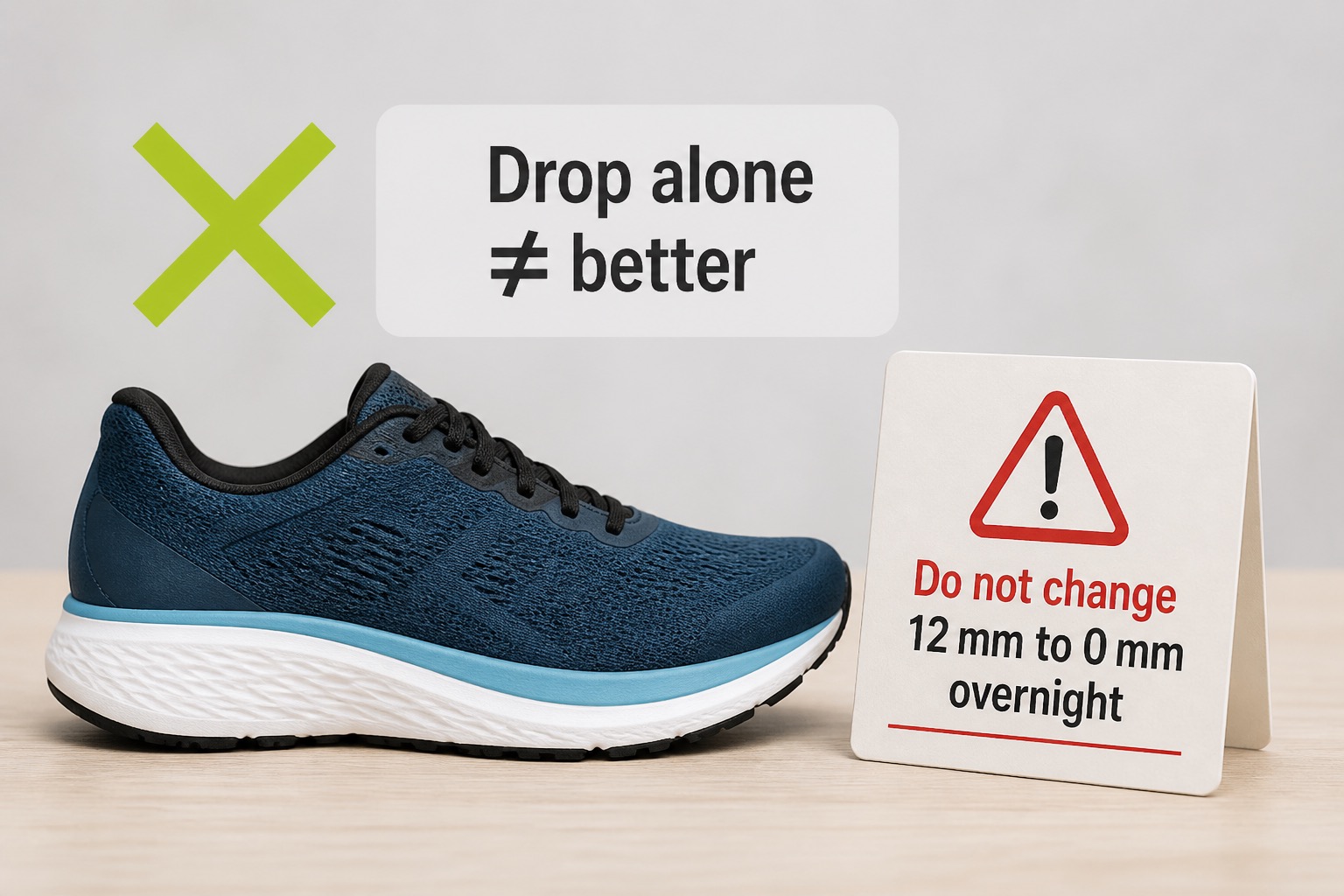
Treating stack as softness
Height and compression are separate. Check cushion feel and foam construction.
Treating softness as energy return
A plush foam can absorb and relax; a firmer race setup can rebound more aggressively.
Assuming more cushion is better
Extra stack can add weight, bulk and less precise handling. Match the amount to the session.
Comparing marketing adjectives across brands
“Cloud-like” and “super foam” are not controlled measurements. Use structured specs and role.
Ignoring width and stability
Tall soft foam needs suitable geometry, and the upper still has to hold your foot securely.
Using race foam as a daily default
Race shoes optimise weight and rebound; comfort, durability and cost may be weaker for routine miles.
Buying cushioning as injury treatment
A cushioned ride may be comfortable, but footwear categories do not diagnose, prevent or treat injury.
15Frequently asked questions
- Is a higher stack always softer?
- No. Stack height measures material underfoot; softness depends on foam and geometry. Kitletics separates cushioning, cushion feel and energy return on Product specs.
- What is the difference between stack height and softness?
- Stack is how much material sits underfoot. Softness is how that material compresses. A tall stack can feel firm; a moderate stack can feel plush.
- Is maximum cushion always best for long runs?
- Many runners prefer max cushion for long easy miles, but weight, stability preference and rocker also matter. Match cushion to the session and how your legs feel — not to marketing adjectives alone.
- Does high energy return mean a soft shoe?
- Not necessarily. Race foams often prioritise rebound and speed over plush recovery feel. Separate energy return from cushion feel when comparing products.
- How does Kitletics classify cushioning?
- Products use structured cushioning categories (minimal through maximum) plus related ride attributes. Finders and Best Guides filter on those fields — not free-text “super soft” claims.
Examples of different cushioning approaches
Browse cushioned running shoes →HOKA
Bondi 9
Plush maximum cushion
8.5 Very GoodFrom € 180
View review →ASICS
Novablast 6
Versatile high cushion
9.0 ExcellentFrom € 149
View review →Nike
Vaporfly 4
Responsive race cushion
8.9 Very GoodFrom € 245
View review →HOKA
Clifton 10
Plush rockered daily
8.8 Very GoodFrom € 144
View review →
Head-to-head comparisons
Continue the decision with focused head-to-heads — who should choose which, and the trade-offs that matter.
Novablast 6vsClifton 10
Bouncy soft daily vs rockered max-cushion HOKA daily.
Compare →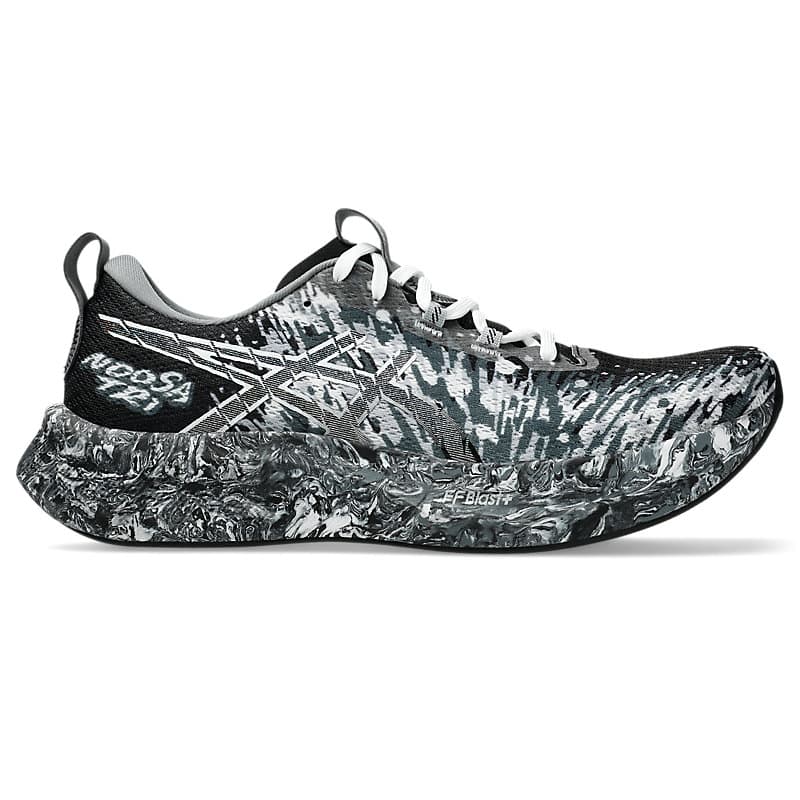
Novablast 6vsGEL-Nimbus 27
Two premium daily trainers with different strengths — energetic versatility versus maximum cushioning.
Compare →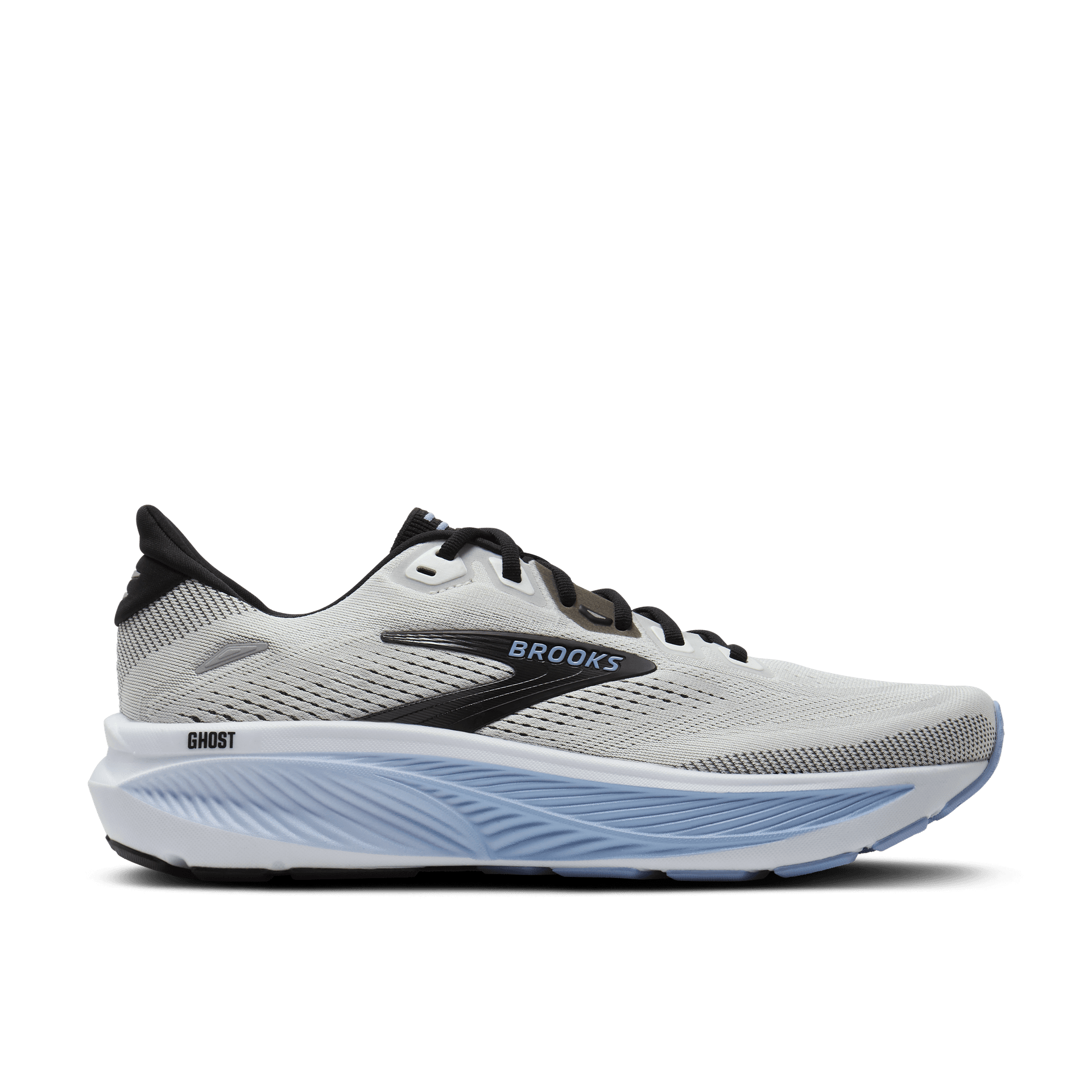
Novablast 6vsGhost 18
Bouncy ASICS daily vs soft, width-friendly Brooks daily.
Compare →How we research
This guide uses catalog fields for cushioning, cushion feel, energy return, ride character, stack, stability and plate alongside manufacturer technical descriptions and independent specialist coverage. Product examples render from live catalog data rather than hardcoded prices.