The short version
- Gels are fast packets when chewing is hard at race pace.
- Drink mix combines carbs and fluid — ideal when you already carry bottles.
- Chews suit runners who prefer solid bites and have time to chew.
- Many plans mix formats across a long event.
- Train the exact combination before race day.
General fuelling education only — not personalised medical nutrition advice.
Approaches in this guide
1Three common carb formats
Gels are soft concentrates. Drink mixes dissolve carbohydrate into bottles or flasks. Chews are solid pieces taken with fluid.
None is universally better. Texture preference, GI tolerance and how you carry water decide the winner.
Compare carbs per serving and how easily you can take the next dose when tired — not marketing flavour charts alone.
2Why this decision matters
Pick the carbohydrate format your gut, hands and fluid plan can actually sustain for the session length.
Getting fuel wrong usually means GI distress, late-race empty legs, or carrying caffeine you never practised. Match carbs, fluids and stimulants to sessions you already tolerate — not to a podium bottle lineup.
3Choose the format with these checks
Texture preference
- What it is
- Soft, liquid or chewable.
- How it changes the choice
- Race intensity reduces willingness to chew.
- What you may notice
- Whether you still take fuel after hour two.
Fluid already carried
- What it is
- Bottles, flasks or aid-station water.
- How it changes the choice
- Drink mix needs bottle space; gels need sips.
- What you may notice
- A plan that matches your carry kit.
GI history
- What it is
- What sat well in long training.
- How it changes the choice
- Sweet gels and high fructose loads upset some runners.
- What you may notice
- Fewer emergency toilet stops.
Format mixing
- What it is
- Using more than one format across the event.
- How it changes the choice
- Flavour fatigue drops intake late.
- What you may notice
- Steadier eating through the final third.
4What to look for in each factor
Verify carbohydrate, fluid and caffeine numbers on the label against your tested race plan — gut tolerance beats theory.
Look for
Texture preference
- Soft, liquid or chewable.
- Watch for: Whether you still take fuel after hour two.
- Decision tip: Race intensity reduces willingness to chew.
Look for
Fluid already carried
- Bottles, flasks or aid-station water.
- Watch for: A plan that matches your carry kit.
- Decision tip: Drink mix needs bottle space; gels need sips.
Look for
GI history
- What sat well in long training.
- Watch for: Fewer emergency toilet stops.
- Decision tip: Sweet gels and high fructose loads upset some runners.
Look for
Format mixing
- Using more than one format across the event.
- Watch for: Steadier eating through the final third.
- Decision tip: Flavour fatigue drops intake late.
5Compare approaches at a glance
Option
Gel-first kit
Best for
Road marathon
Main trade-off
Depends on water access with each gel.
Option
Drink-mix flask
Best for
Hot longs, Vest runners
Main trade-off
Mixing and cleaning overhead.
| Gel-first kit | Drink-mix flask | Mixed-format vest | |
|---|---|---|---|
| Best for | Road marathon | Hot longs, Vest runners | Ultra / trail |
| Main trade-off | Depends on water access with each gel. | Mixing and cleaning overhead. | More kit complexity. |
Examples illustrate approaches — not a universal ranking.
Look for
Gel-first kit
- Best for: Road marathon
- Main trade-off: Depends on water access with each gel.
Look for
Drink-mix flask
- Best for: Hot longs, Vest runners
- Main trade-off: Mixing and cleaning overhead.
6What you gain and give up
What you may gain
- · Gel-first kit: useful when Road marathon
- · Drink-mix flask: useful when Hot longs
- · Mixed-format vest: useful when Ultra / trail
What you may give up
- · Depends on water access with each gel.
- · Mixing and cleaning overhead.
- · More kit complexity.
Trade-offs are model- and runner-dependent — verify fit and use case.
7Next step after you shortlist
Take your shortlist onto a mid-long run with the same timing and fluids you expect on race day. Note GI comfort, packaging hassle and whether caffeine timing felt useful.
If nothing improves after two practised sessions, simplify — fewer products with known tolerance usually beat a crowded vest.
8How formats show up in kit
Carry gear illustrates delivery — choose fuel brands you tolerate.
Gel-first kit
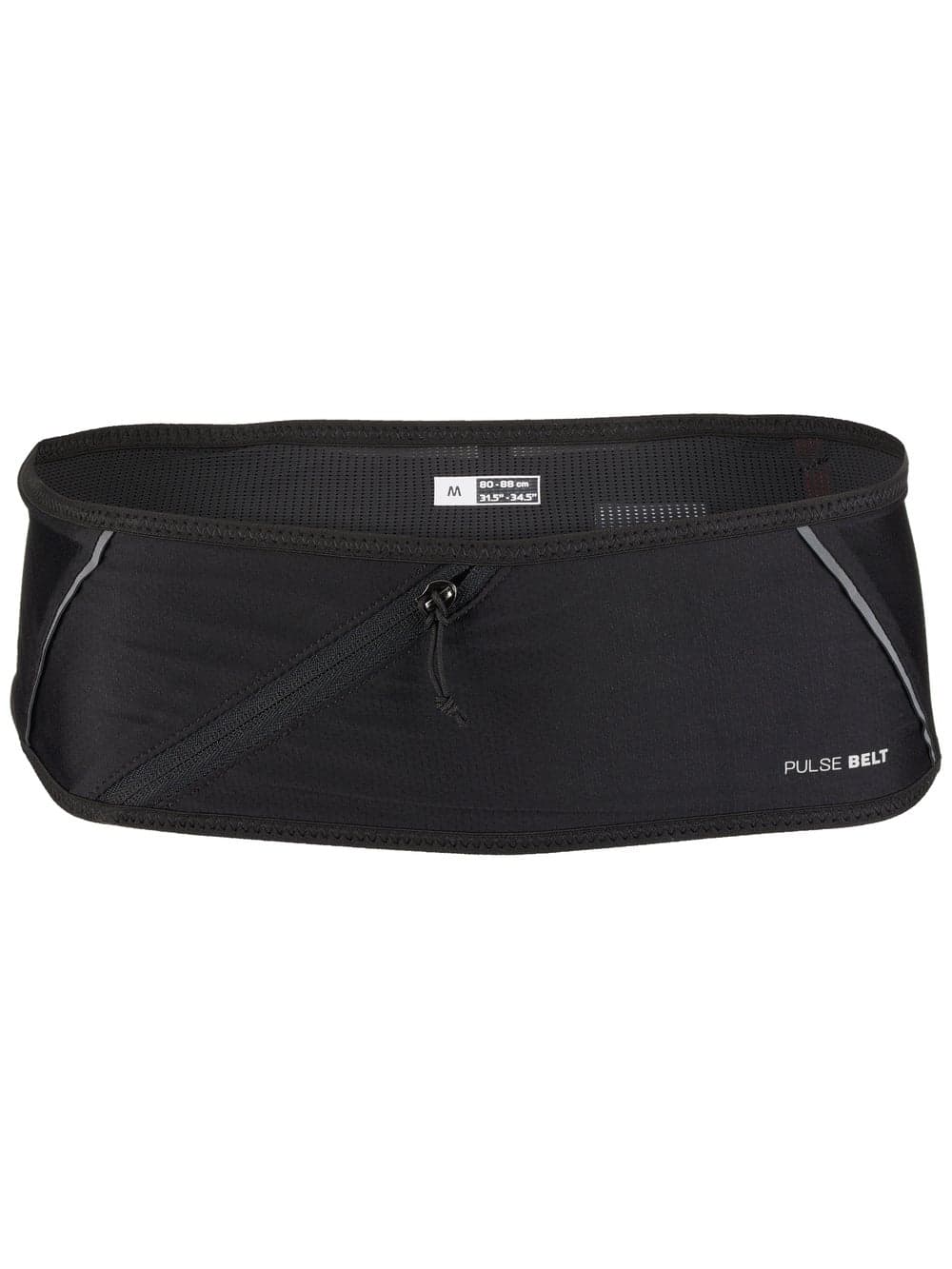
8.4 Kitletics Score
Salomon Pulse Belt
Why it illustrates the category: Packets in a belt when aid-station water is reliable.
Best for
- · Road marathon
Trade-off
Depends on water access with each gel.
Read review →From € 42Drink-mix flask
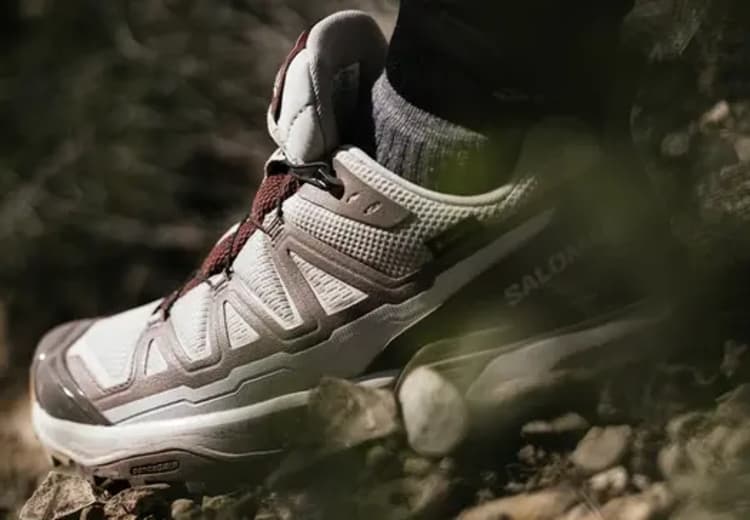
8.2 Kitletics Score
Salomon Soft Flask 500
Why it illustrates the category: Carbs dissolved in fluid you already carry.
Best for
- · Hot longs
- · Vest runners
Trade-off
Mixing and cleaning overhead.
Read review →From € 22Mixed-format vest
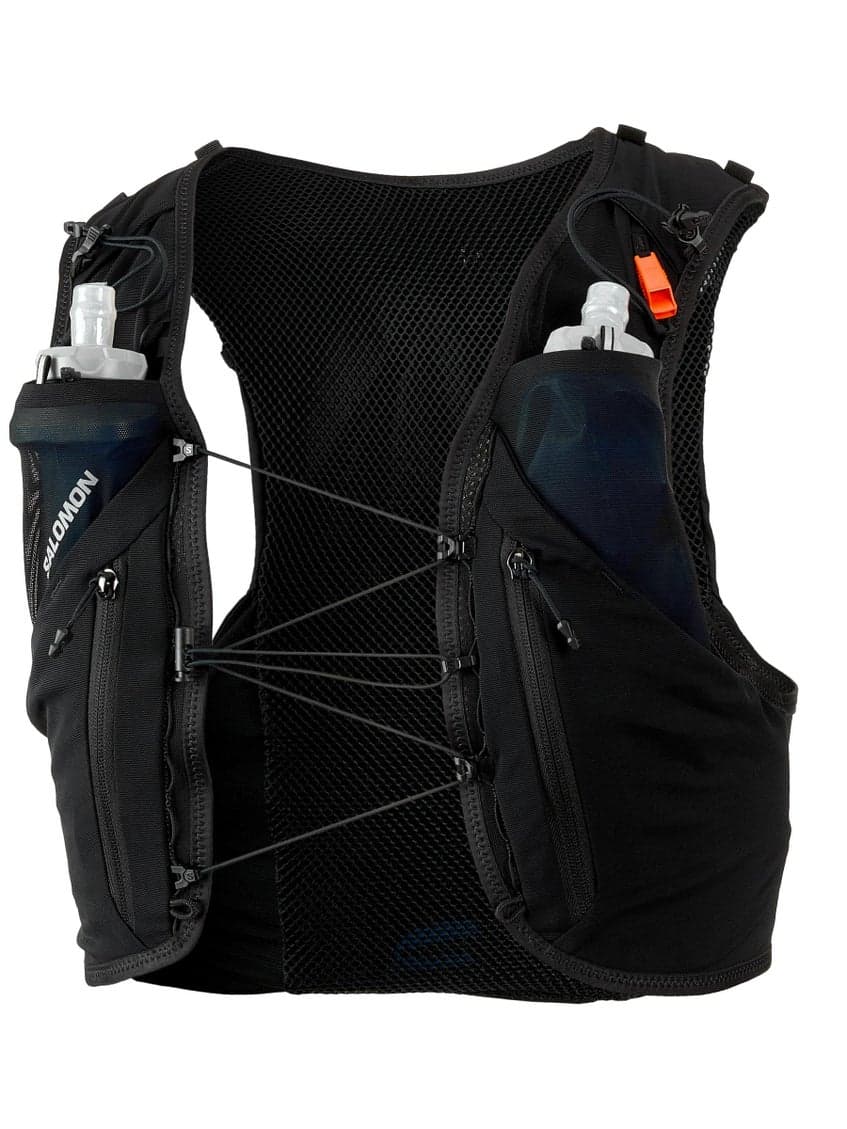
9.0 Kitletics Score
Salomon ADV Skin 12
Why it illustrates the category: Room for flasks plus chew/gel pockets on long days.
Best for
- · Ultra / trail
Trade-off
More kit complexity.
Read review →From € 160
9How current options differ
| Product | Support approach | Cushion | Drop | Widths | Best use | Key trade-off |
|---|---|---|---|---|---|---|
| — | — | — | — | Gel carry | Less total hydration than Peak bottle pack or Ultra Belt | |
| — | — | — | — | Drink mix flask | Needs a vest or handheld sleeve | |
| — | — | — | — | Mixed kit vest | Overkill for road 10K |
10How to decide
- 1
Texture preference
Soft, liquid or chewable. Race intensity reduces willingness to chew. You will notice: Whether you still take fuel after hour two.
- 2
Fluid already carried
Bottles, flasks or aid-station water. Drink mix needs bottle space; gels need sips. You will notice: A plan that matches your carry kit.
- 3
GI history
What sat well in long training. Sweet gels and high fructose loads upset some runners. You will notice: Fewer emergency toilet stops.
- 4
Format mixing
Using more than one format across the event. Flavour fatigue drops intake late. You will notice: Steadier eating through the final third.
11Common mistakes
Picking a format without a gut test
Texture preference still fails if carbs per hour are unpractised.
Mixing brands randomly on race day
Keep the combination you trained.
Ignoring fluid needs of gels/chews
Solids and sticky gels usually need planned water.
12Frequently asked questions
- What is the quick takeaway on this topic?
- Gels are fast packets when chewing is hard at race pace. Drink mix combines carbs and fluid — ideal when you already carry bottles.
- How should I weigh texture preference?
- Soft, liquid or chewable. Race intensity reduces willingness to chew. In practice: Whether you still take fuel after hour two.
- What mistake should I avoid?
- Picking a format without a gut test: Texture preference still fails if carbs per hour are unpractised.
- How do product examples help?
- Gel-first kit illustrates this topic because Packets in a belt when aid-station water is reliable. Trade-off: Depends on water access with each gel.
Formats meet carry systems
Salomon
Pulse Belt
Gel carry
8.4 GoodFrom € 42
View review →Salomon
Soft Flask 500
Drink mix flask
8.2 GoodFrom € 22
View review →Salomon
ADV Skin 12
Mixed kit vest
9.0 ExcellentFrom € 160
View review →
Head-to-head comparisons
Continue the decision with focused head-to-heads — who should choose which, and the trade-offs that matter.
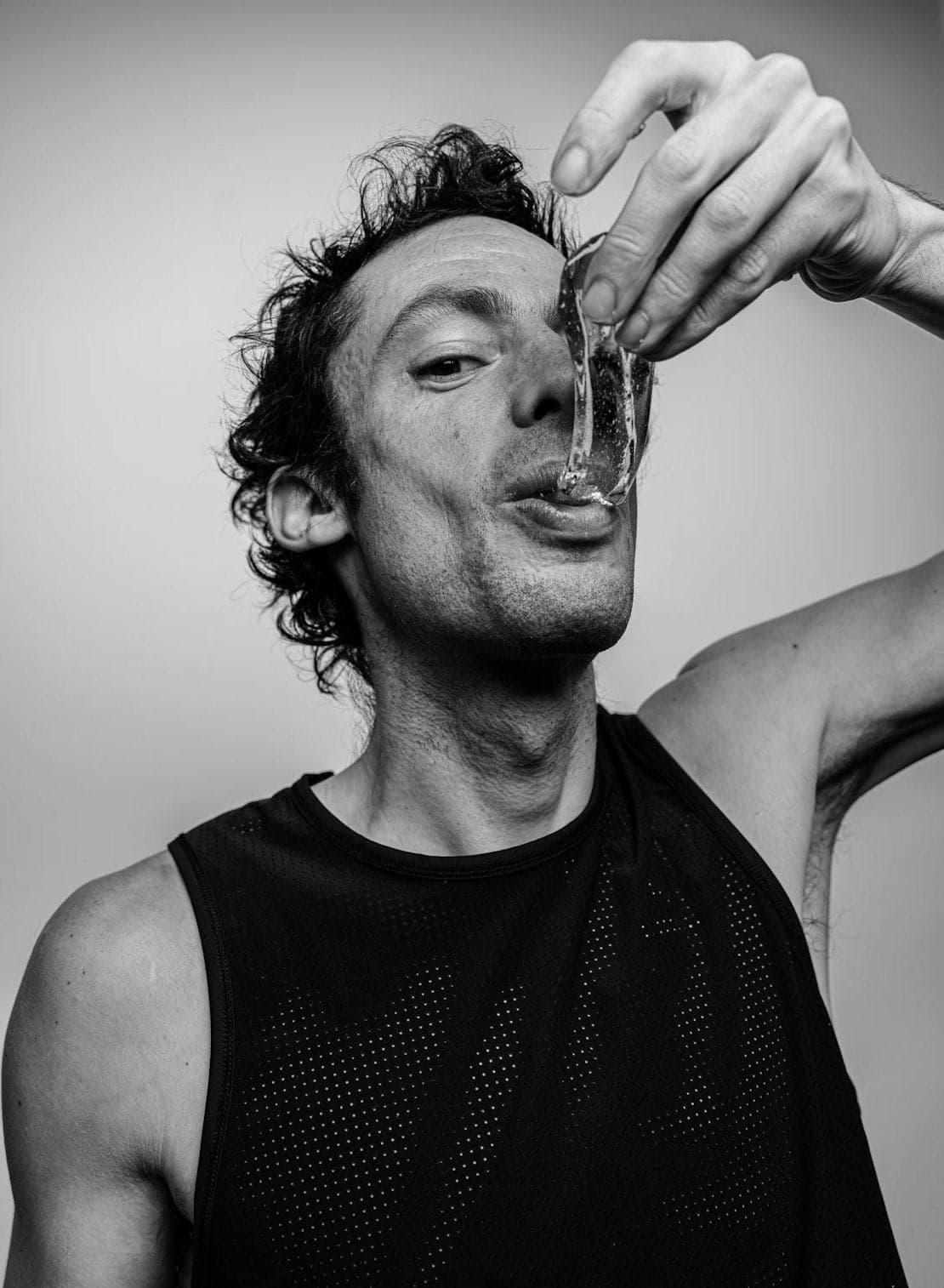
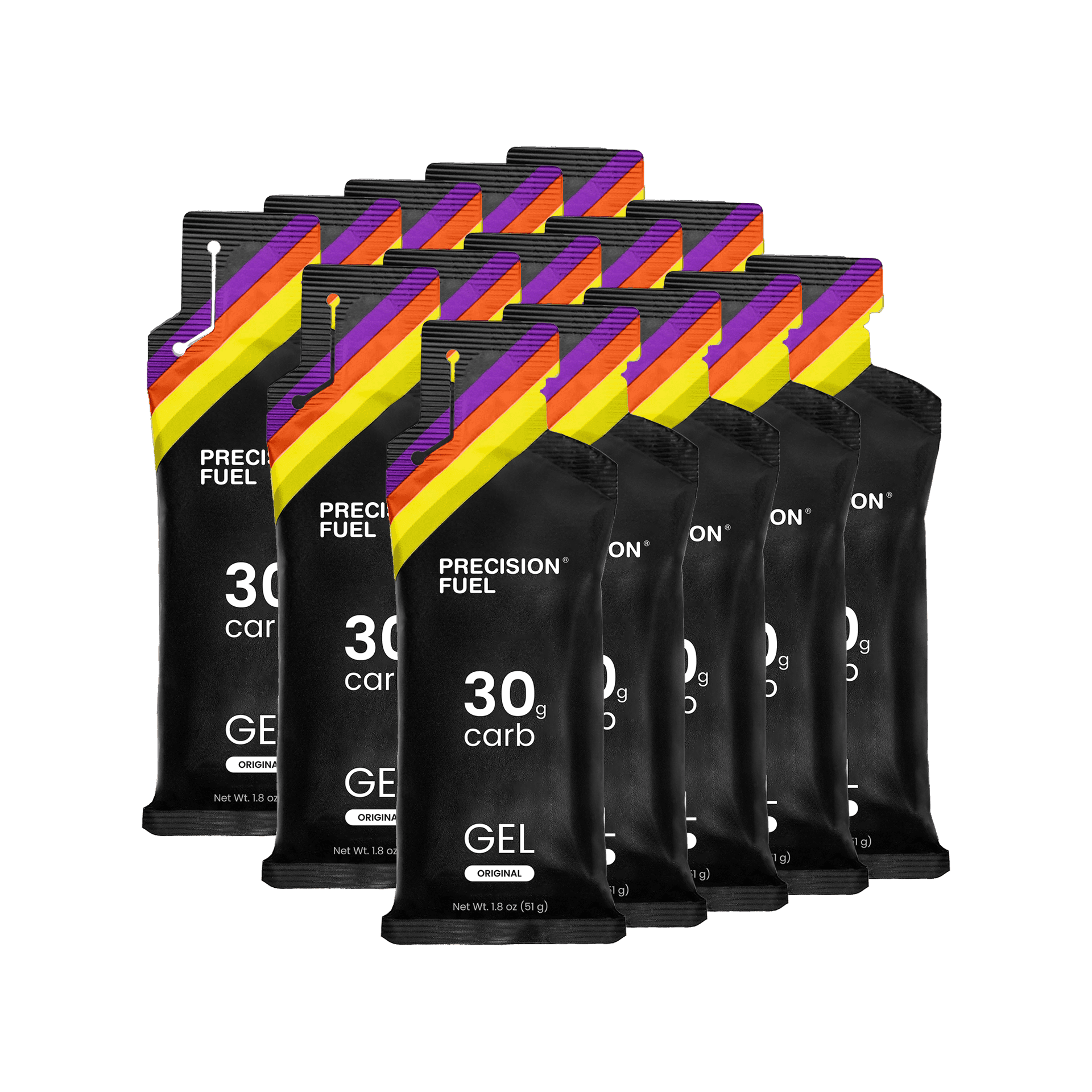
Gel 100vsPF 30 Gel
Standard Maurten gel packet versus Precision’s ~30 g carb gel format.
Compare →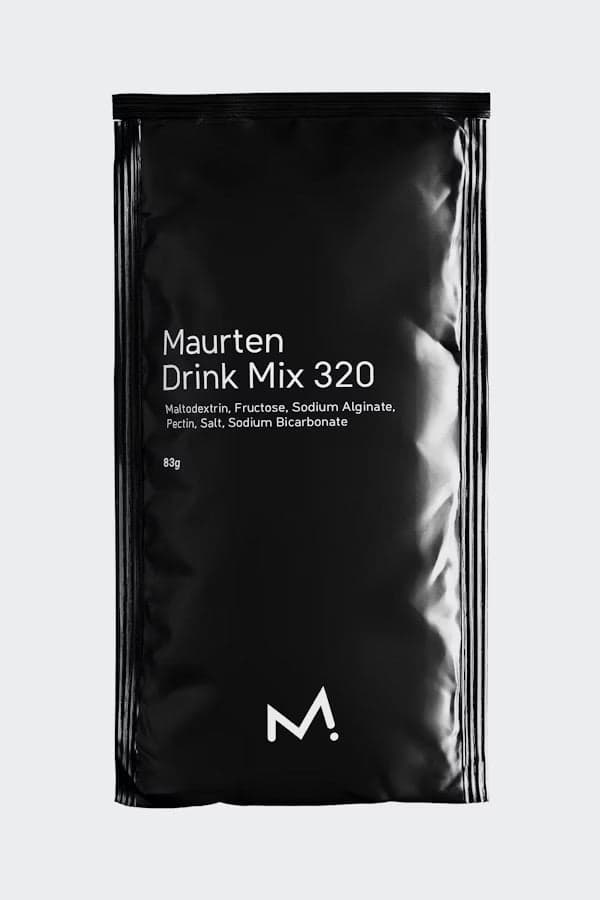
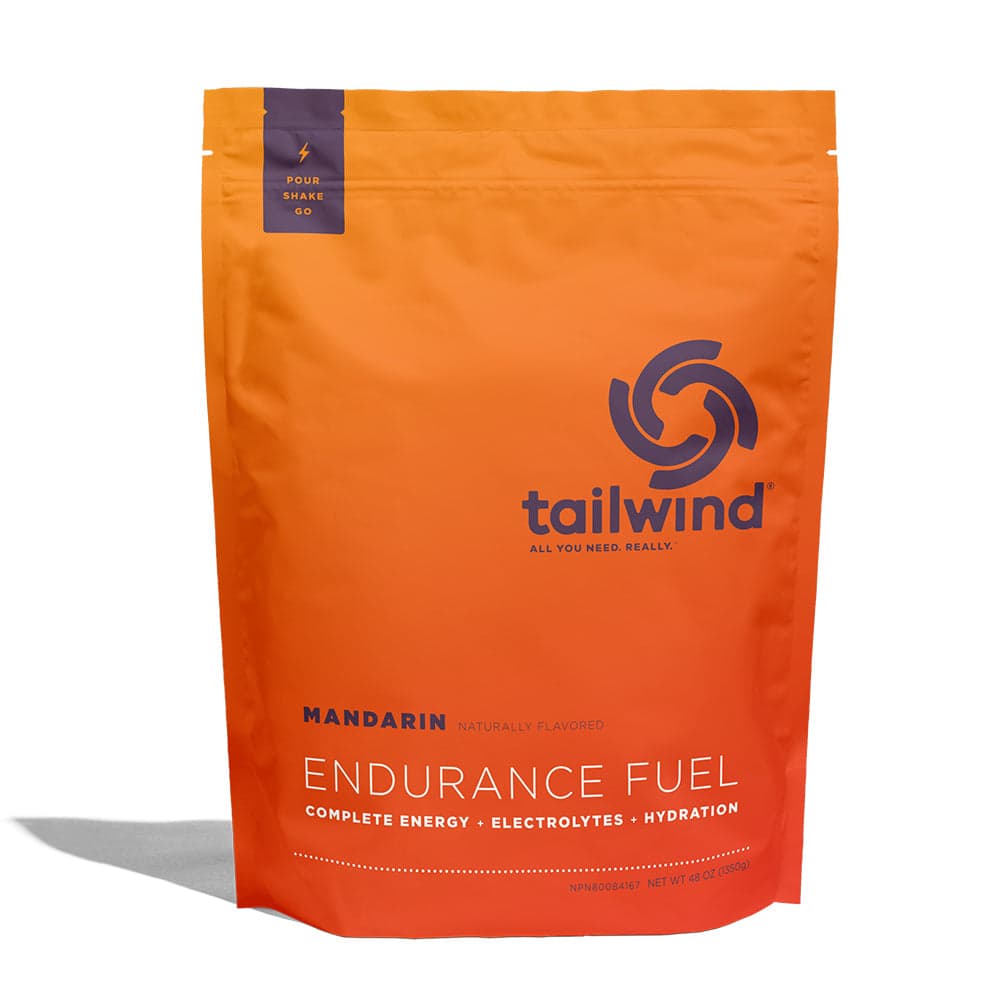
Drink Mix 320vsEndurance Fuel
High-carb bottle fuel versus sip-as-you-go endurance drink mix.
Compare →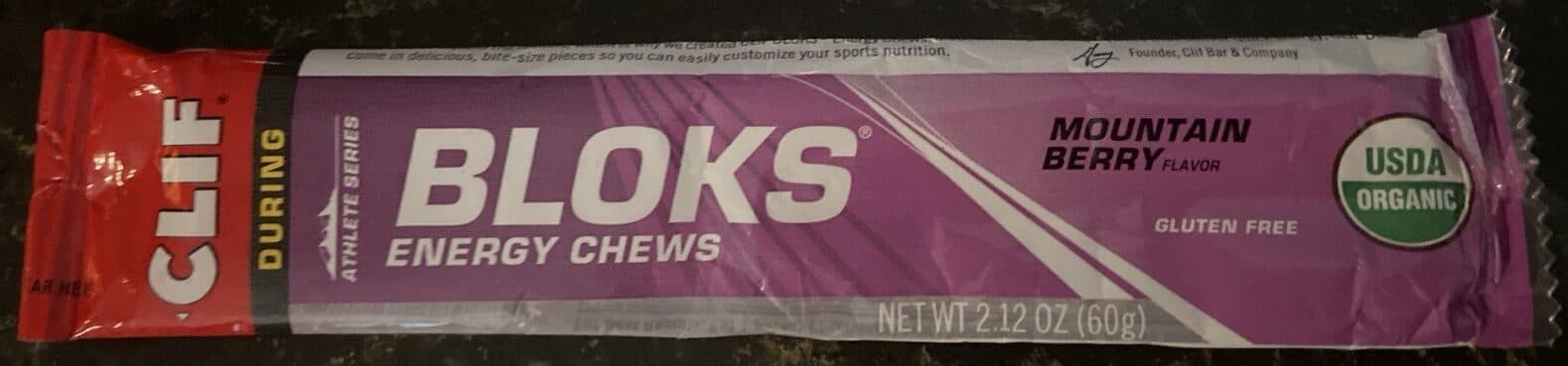
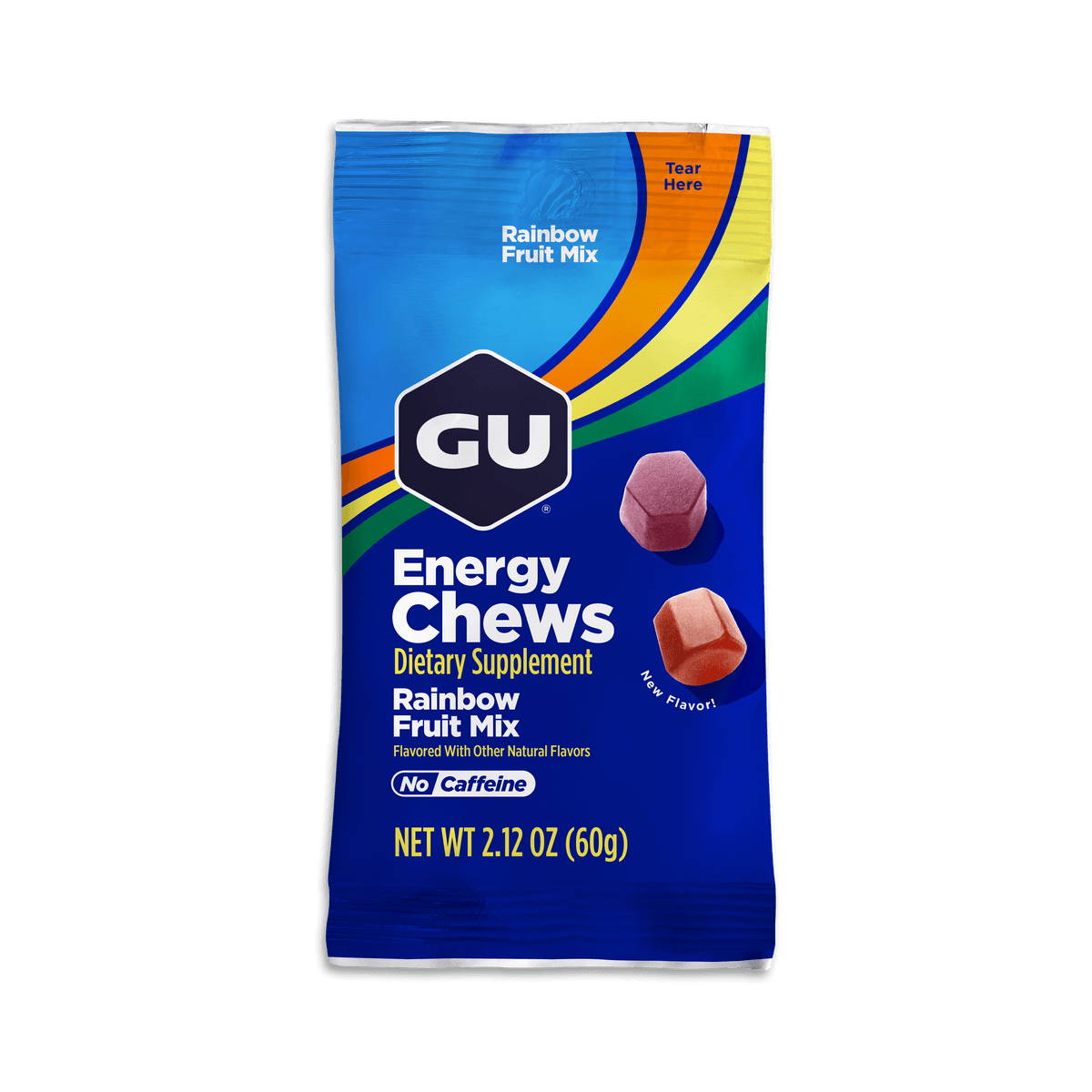
Bloks Energy ChewsvsEnergy Chews
Two chewable carb formats for long runs and races.
Compare →How we research
This guide combines manufacturer specifications, catalog product data and independent specialist coverage. Product examples render from live catalog data and illustrate approaches — not medical or ranking claims.