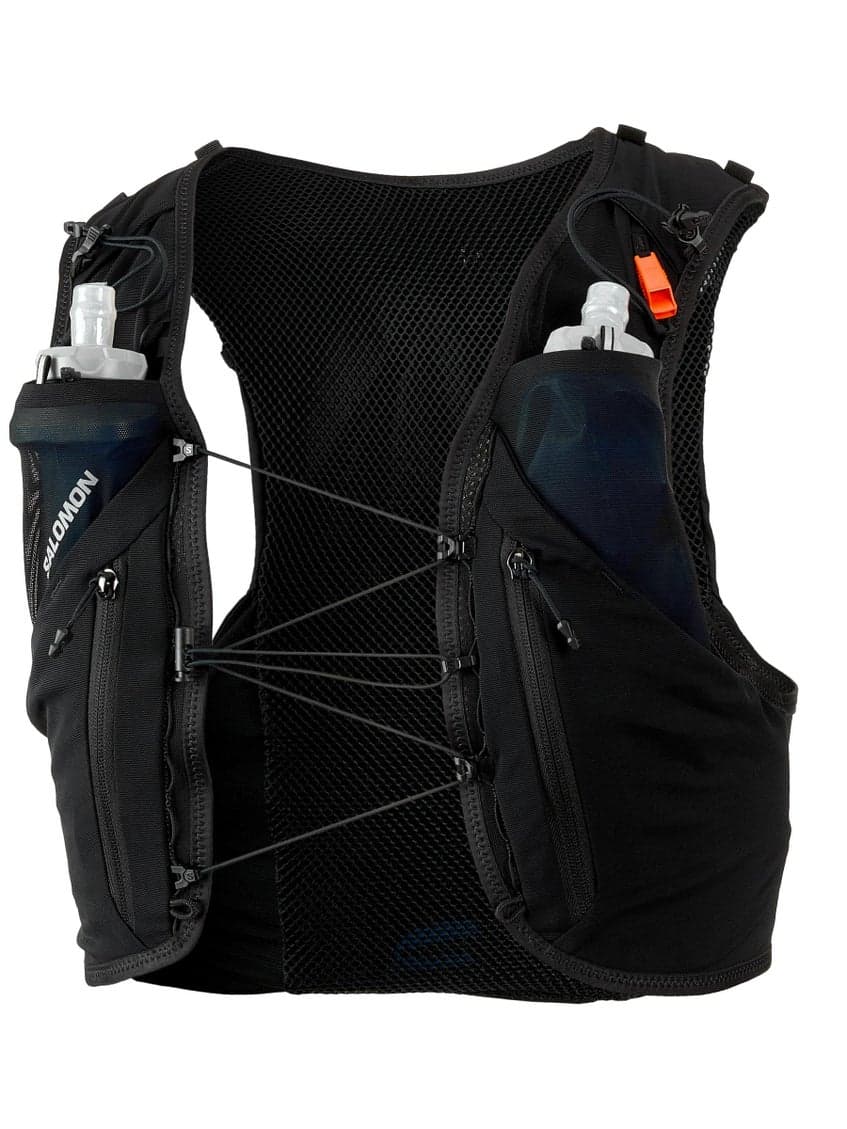
The short version
- Gels are concentrated carbohydrate for mid-run energy when chewing is hard.
- Match carbs per hour to session length and what your gut tolerates in training.
- Practice the same brand, flavour and fluid pairing before race day.
- Caffeine gels are optional — time them; do not stack blindly.
- Carry capacity and pocket access matter as much as the packet itself.
Fuelling advice here is general training guidance, not medical nutrition therapy. Seek a qualified professional for clinical needs or GI disease.
Approaches in this guide
1What a running gel is
A running gel packs carbohydrate into a soft packet you can take while moving. Most are designed to be taken with water unless labelled otherwise.
Gels differ in carbs per serving, texture, electrolytes and caffeine. Those differences only matter when they change how your stomach and energy feel mid-run.
The product is only half the system. Timing, total carbs per hour and how you carry fluids decide whether gels help or cause GI trouble.
2Why this decision matters
How gels fit a fuelling plan — carbs per hour, caffeine timing, and gut training — without treating packets as magic.
Getting fuel wrong usually means GI distress, late-race empty legs, or carrying caffeine you never practised. Match carbs, fluids and stimulants to sessions you already tolerate — not to a podium bottle lineup.
3Decide with these filters
Carbs per hour
- What it is
- How much carbohydrate you plan to take during the effort.
- How it changes the choice
- Longer and harder sessions usually need more fuel — within gut tolerance.
- What you may notice
- Steadier energy without mid-run crashes or nausea.
Gut training
- What it is
- Practising the same products and timing in long runs.
- How it changes the choice
- Unfamiliar gels on race day are a common DNF risk.
- What you may notice
- Confidence that the plan survives race intensity.
Fluid pairing
- What it is
- Water or drink mix taken with each gel.
- How it changes the choice
- Thick gels without fluid can sit poorly.
- What you may notice
- Easier swallowing and fewer stomach complaints.
Caffeine strategy
- What it is
- Whether and when caffeine gels enter the plan.
- How it changes the choice
- Late-race stimulants can help some runners and upset others.
- What you may notice
- Alertness without jitters or GI surprise.
Carry method
- What it is
- Belt, vest, handheld or shorts pockets.
- How it changes the choice
- Access under fatigue decides whether you actually take the gel.
- What you may notice
- One-handed opens without stopping.
4What to look for in each factor
Verify carbohydrate, fluid and caffeine numbers on the label against your tested race plan — gut tolerance beats theory.
Look for
Carbs per hour
- How much carbohydrate you plan to take during the effort.
- Watch for: Steadier energy without mid-run crashes or nausea.
- Decision tip: Longer and harder sessions usually need more fuel — within gut tolerance.
Look for
Gut training
- Practising the same products and timing in long runs.
- Watch for: Confidence that the plan survives race intensity.
- Decision tip: Unfamiliar gels on race day are a common DNF risk.
Look for
Fluid pairing
- Water or drink mix taken with each gel.
- Watch for: Easier swallowing and fewer stomach complaints.
- Decision tip: Thick gels without fluid can sit poorly.
Look for
Caffeine strategy
- Whether and when caffeine gels enter the plan.
- Watch for: Alertness without jitters or GI surprise.
- Decision tip: Late-race stimulants can help some runners and upset others.
5Compare approaches at a glance
Option
Belt for gel packets
Best for
Road races, Supported longs
Main trade-off
Limited fluid if aid stations are sparse.
Option
Flask + gel pockets
Best for
Long runs, Hot weather
Main trade-off
Needs vest real estate.
| Belt for gel packets | Flask + gel pockets | Handheld + gels | |
|---|---|---|---|
| Best for | Road races, Supported longs | Long runs, Hot weather | Solo road longs |
| Main trade-off | Limited fluid if aid stations are sparse. | Needs vest real estate. | One hand occupied. |
Examples illustrate approaches — not a universal ranking.
Look for
Belt for gel packets
- Best for: Road races, Supported longs
- Main trade-off: Limited fluid if aid stations are sparse.
Look for
Flask + gel pockets
- Best for: Long runs, Hot weather
- Main trade-off: Needs vest real estate.
6What you gain and give up
What you may gain
- · Belt for gel packets: useful when Road races
- · Flask + gel pockets: useful when Long runs
- · Handheld + gels: useful when Solo road longs
What you may give up
- · Limited fluid if aid stations are sparse.
- · Needs vest real estate.
- · One hand occupied.
Trade-offs are model- and runner-dependent — verify fit and use case.
7Next step after you shortlist
Take your shortlist onto a mid-long run with the same timing and fluids you expect on race day. Note GI comfort, packaging hassle and whether caffeine timing felt useful.
If nothing improves after two practised sessions, simplify — fewer products with known tolerance usually beat a crowded vest.
8Carry systems that make gels usable
Examples show carry approaches — fuel brands vary by region and preference.
Belt for gel packets
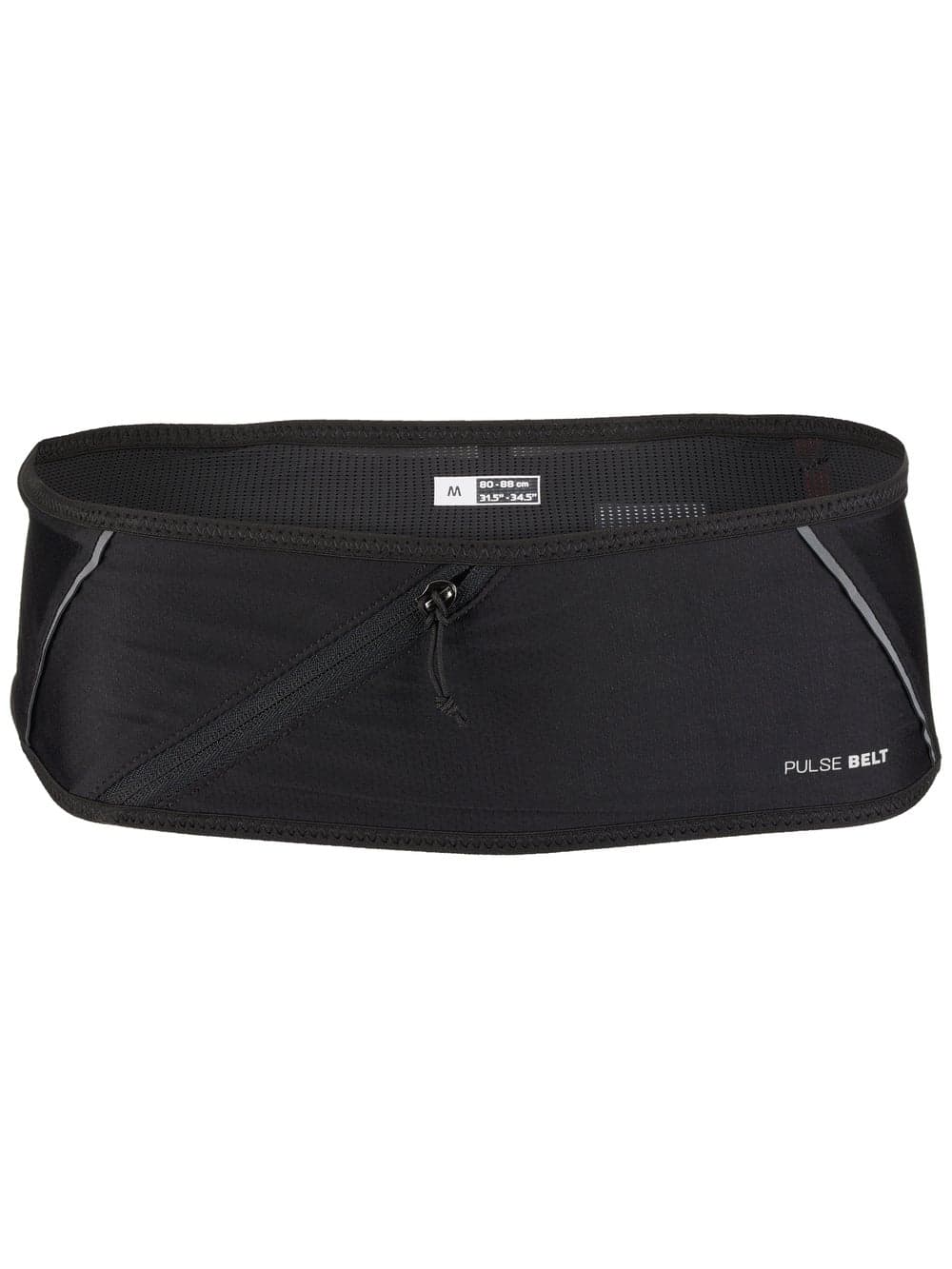
8.4 Kitletics Score
Salomon Pulse Belt
Why it illustrates the category: Minimal kit when course support covers most water.
Best for
- · Road races
- · Supported longs
Trade-off
Limited fluid if aid stations are sparse.
Read review →From € 42Flask + gel pockets
8.2 Kitletics Score
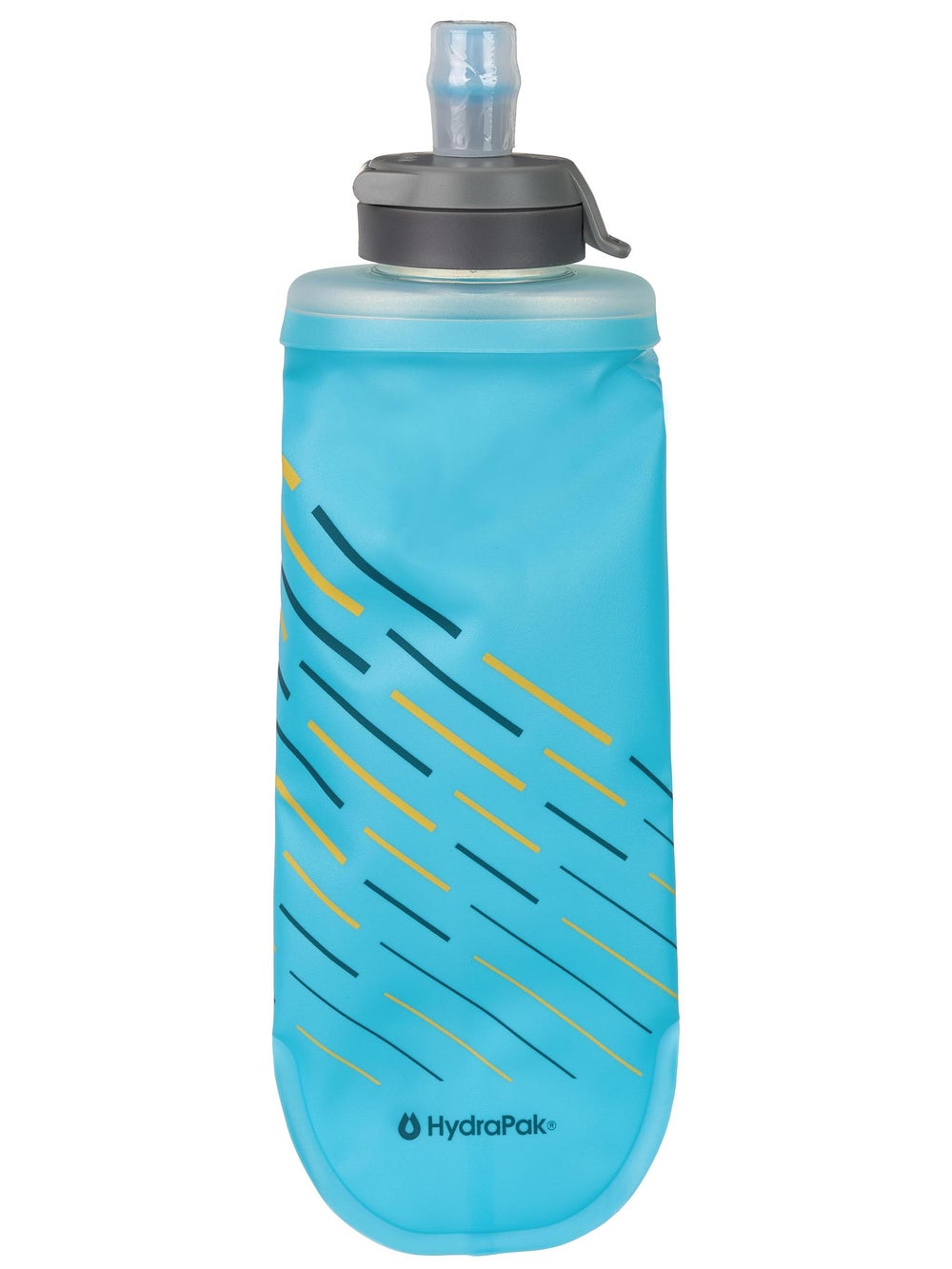
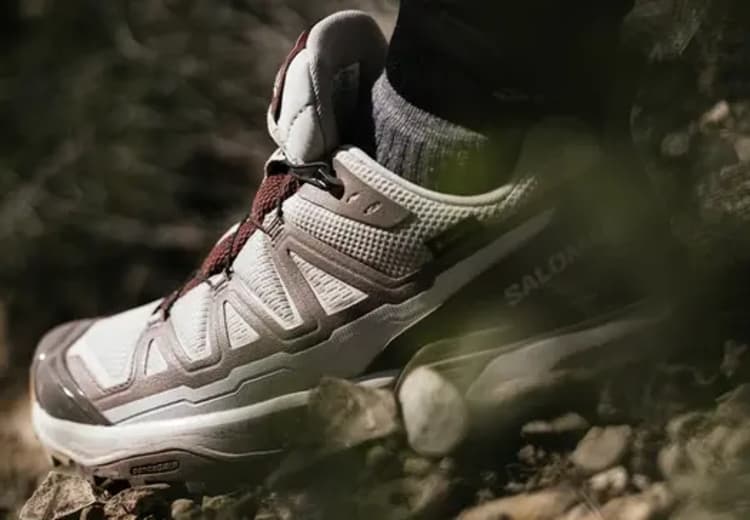
Salomon Soft Flask 500
Why it illustrates the category: Pairs drink mix or water with gels in a vest.
Best for
- · Long runs
- · Hot weather
Trade-off
Needs vest real estate.
Read review →From € 22Handheld + gels
7.9 Kitletics Score
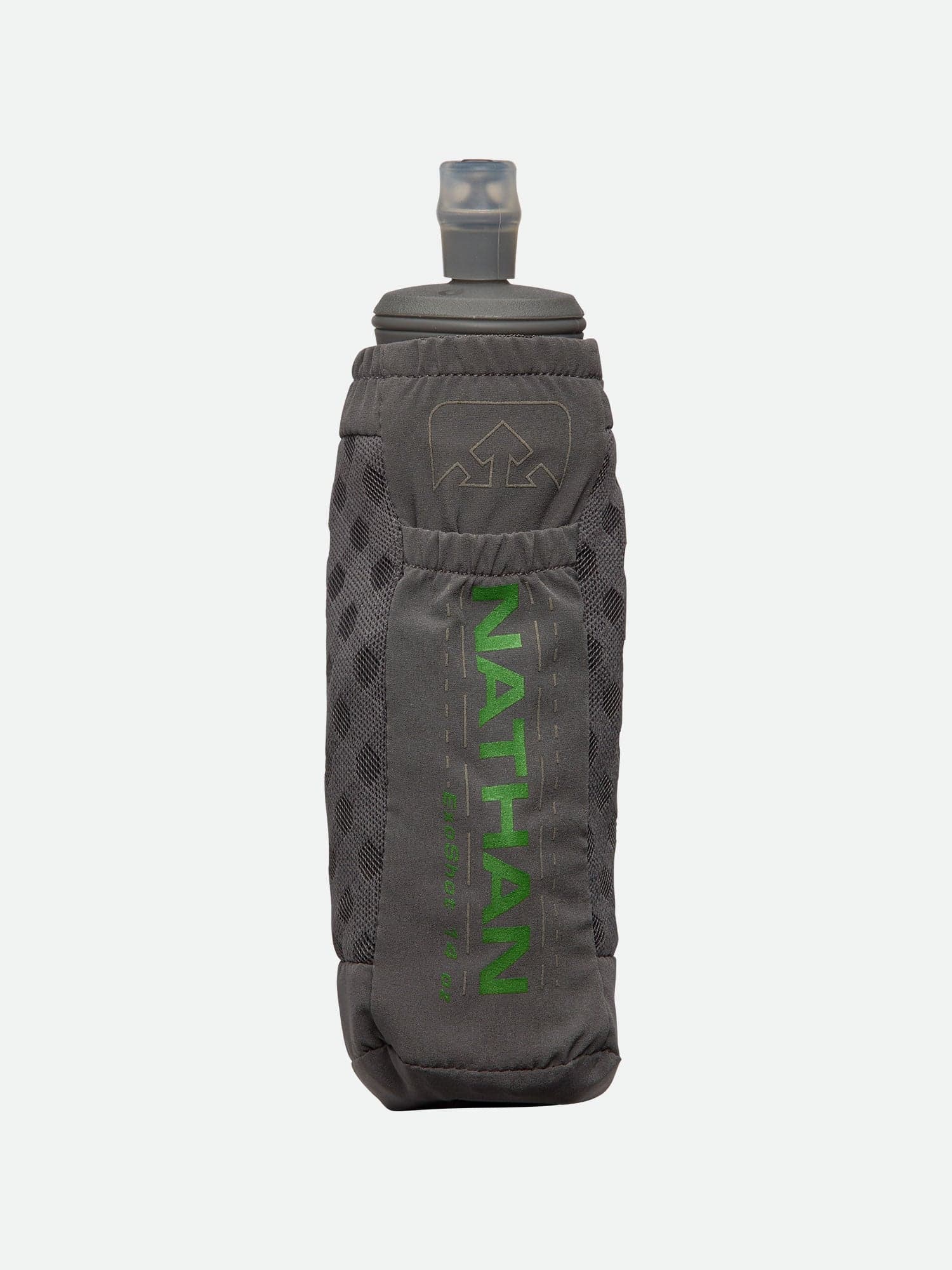
Nathan ExoShot 2
Why it illustrates the category: Simple fluid access with a few packets in hand or belt.
Best for
- · Solo road longs
Trade-off
One hand occupied.
Read review →From € 25
9How current options differ
| Product | Support approach | Cushion | Drop | Widths | Best use | Key trade-off |
|---|---|---|---|---|---|---|
| — | — | — | — | Gel belt | Less total hydration than Peak bottle pack or Ultra Belt | |
| — | — | — | — | Flask carry | Needs a vest or handheld sleeve | |
| — | — | — | — | Handheld | One-handed volume limit |
10How to decide
- 1
Carbs per hour
How much carbohydrate you plan to take during the effort. Longer and harder sessions usually need more fuel — within gut tolerance. You will notice: Steadier energy without mid-run crashes or nausea.
- 2
Gut training
Practising the same products and timing in long runs. Unfamiliar gels on race day are a common DNF risk. You will notice: Confidence that the plan survives race intensity.
- 3
Fluid pairing
Water or drink mix taken with each gel. Thick gels without fluid can sit poorly. You will notice: Easier swallowing and fewer stomach complaints.
- 4
Caffeine strategy
Whether and when caffeine gels enter the plan. Late-race stimulants can help some runners and upset others. You will notice: Alertness without jitters or GI surprise.
- 5
Carry method
Belt, vest, handheld or shorts pockets. Access under fatigue decides whether you actually take the gel. You will notice: One-handed opens without stopping.
11Common mistakes
Trying a new gel on race day
Train the exact product, timing and fluid pairing first.
Skipping fluid with sticky gels
Unless the gel is designed as isotonic, plan water access.
Stacking caffeine gels without a plan
Count total caffeine from all sources across the day.
12Frequently asked questions
- What is the quick takeaway on this topic?
- Gels are concentrated carbohydrate for mid-run energy when chewing is hard. Match carbs per hour to session length and what your gut tolerates in training.
- How should I weigh carbs per hour?
- How much carbohydrate you plan to take during the effort. Longer and harder sessions usually need more fuel — within gut tolerance. In practice: Steadier energy without mid-run crashes or nausea.
- What mistake should I avoid?
- Trying a new gel on race day: Train the exact product, timing and fluid pairing first.
- How do product examples help?
- Belt for gel packets illustrates this topic because Minimal kit when course support covers most water. Trade-off: Limited fluid if aid stations are sparse.
Carry options for gel fuelling
Salomon
Pulse Belt
Gel belt
8.4 GoodFrom € 42
View review →Salomon
Soft Flask 500
Flask carry
8.2 GoodFrom € 22
View review →Nathan
ExoShot 2
Handheld
7.9 SolidFrom € 25
View review →
Head-to-head comparisons
Continue the decision with focused head-to-heads — who should choose which, and the trade-offs that matter.
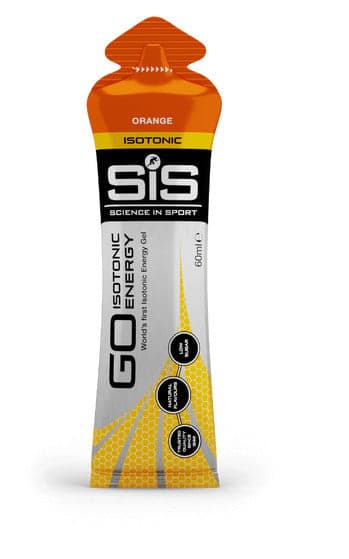
Gel 100vsGO Isotonic Gel
Two popular road-race gels — hydrogel-style Maurten versus isotonic SIS GO.
Compare →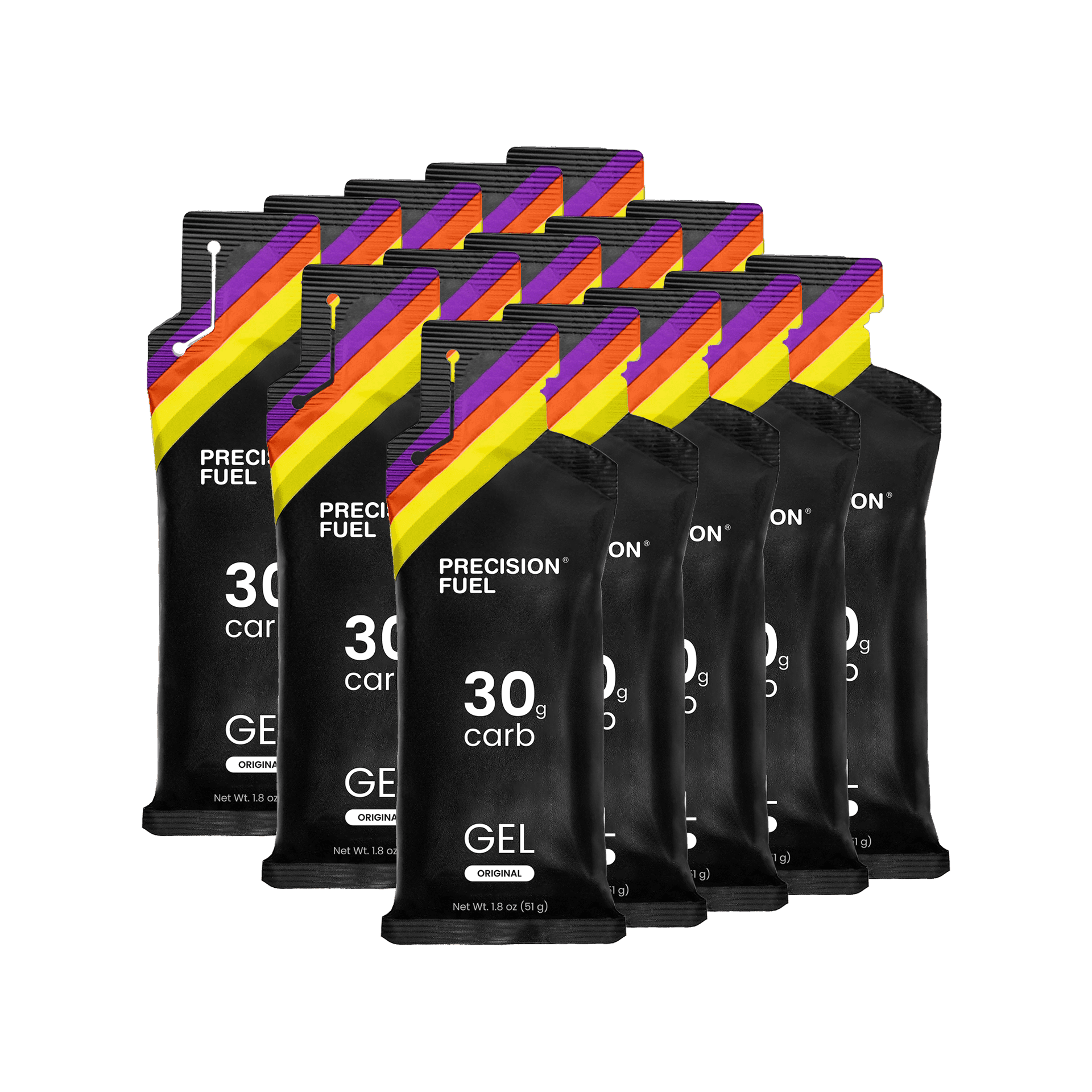
Gel 100vsPF 30 Gel
Standard Maurten gel packet versus Precision’s ~30 g carb gel format.
Compare →
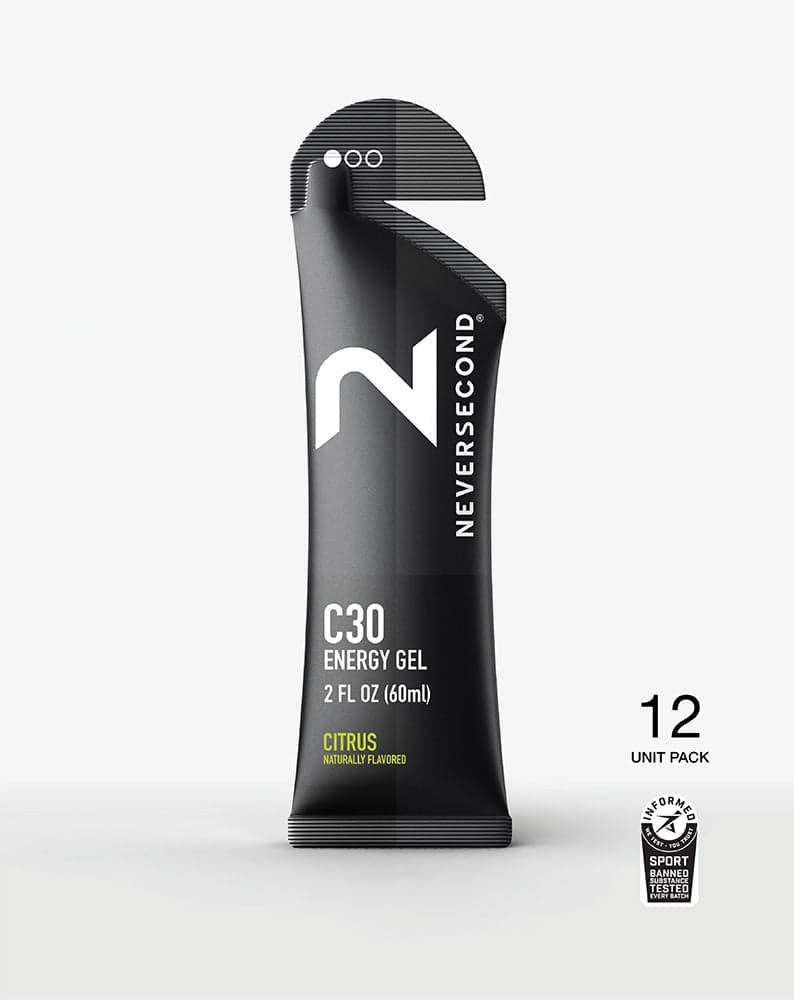
Beta Fuel GelvsC30 Gel
Two higher-carb modular gels for structured long-effort fueling.
Compare →How we research
This guide combines manufacturer specifications, catalog product data and independent specialist coverage. Product examples render from live catalog data and illustrate approaches — not medical or ranking claims.