The short version
- Handhelds suit short-to-medium runs with simple fluid needs.
- Strap comfort and hand fatigue matter more than bottle shape marketing.
- Insulated bottles help in heat; soft flasks pack flatter when empty.
- If you need layers and lots of gels, a belt or vest usually wins.
- Practice drinking and stowing before race day.
Approaches in this guide
1What a handheld is for
A handheld bottle keeps fluid in one hand with a strap or grip. It is the lightest structured hydration option for many road runners.
Capacity is limited compared with vests. The trade is simplicity and quick access.
Switch away when you need both hands free for poles, technical trail or heavy kit.
2Why this decision matters
When a handheld beats a belt or vest — and how strap comfort and capacity decide it.
Carry systems fail through bounce, slow access or capacity that does not match unsupported stretches. Test loaded on a normal long run before race week.
3Handheld filters
Strap and hand feel
- What it is
- How the bottle sits during swing.
- How it changes the choice
- Hot spots and numbness end runs early.
- What you may notice
- Whether you forget it is there after twenty minutes.
Volume vs weight
- What it is
- Fluid capacity when full.
- How it changes the choice
- Larger bottles fatigue the grip sooner.
- What you may notice
- Enough water without an awkward pendulum.
Empty behaviour
- What it is
- Soft vs hard bottles when drained.
- How it changes the choice
- Soft flasks collapse; hard bottles stay bulky.
- What you may notice
- Easier aid-station transitions with soft designs.
4What to look for in each factor
Check capacity, bounce and access on a representative long run — pocket layout on a hangtag is not the same as access at race pace.
Look for
Strap and hand feel
- How the bottle sits during swing.
- Watch for: Whether you forget it is there after twenty minutes.
- Decision tip: Hot spots and numbness end runs early.
Look for
Volume vs weight
- Fluid capacity when full.
- Watch for: Enough water without an awkward pendulum.
- Decision tip: Larger bottles fatigue the grip sooner.
Look for
Empty behaviour
- Soft vs hard bottles when drained.
- Watch for: Easier aid-station transitions with soft designs.
- Decision tip: Soft flasks collapse; hard bottles stay bulky.
5Compare approaches at a glance
| Structured handheld | Soft handheld flask | Insulated handheld | |
|---|---|---|---|
| Best for | Road long runs, Simple fluid plans | Heat training, Packability | Hot weather, Longer sips |
| Main trade-off | One hand is occupied. | Less structure than hard bottles for some grips. | Slightly more bulk. |
Examples illustrate approaches — not a universal ranking.
Look for
Structured handheld
- Best for: Road long runs, Simple fluid plans
- Main trade-off: One hand is occupied.
Look for
Soft handheld flask
- Best for: Heat training, Packability
- Main trade-off: Less structure than hard bottles for some grips.
6What you gain and give up
What you may gain
- · Structured handheld: useful when Road long runs
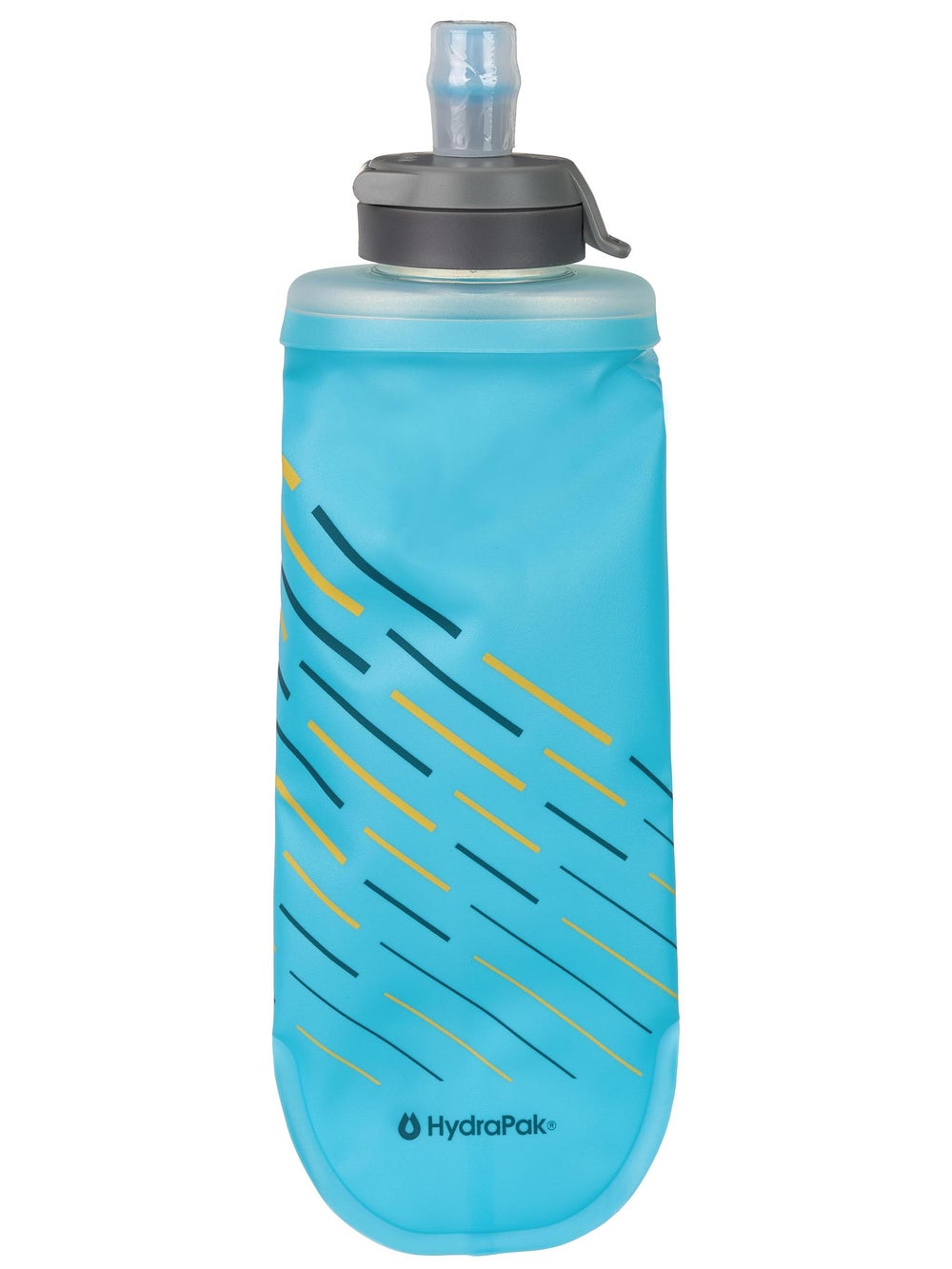
- · Soft handheld flask: useful when Heat training
- · Insulated handheld: useful when Hot weather
What you may give up
- · One hand is occupied.
- · Less structure than hard bottles for some grips.
- · Slightly more bulk.
Trade-offs are model- and runner-dependent — verify fit and use case.
7Next step after you shortlist
Load the shortlist for a normal long run. Note bounce, flask/bladder access at pace and how refill or cleaning will fit your week.
If access is slow or bounce annoys you by kilometre ten, change carry format — capacity alone is not the win.
8Handheld approaches
Try grip feel in-store when you can.
Structured handheld
7.9 Kitletics Score
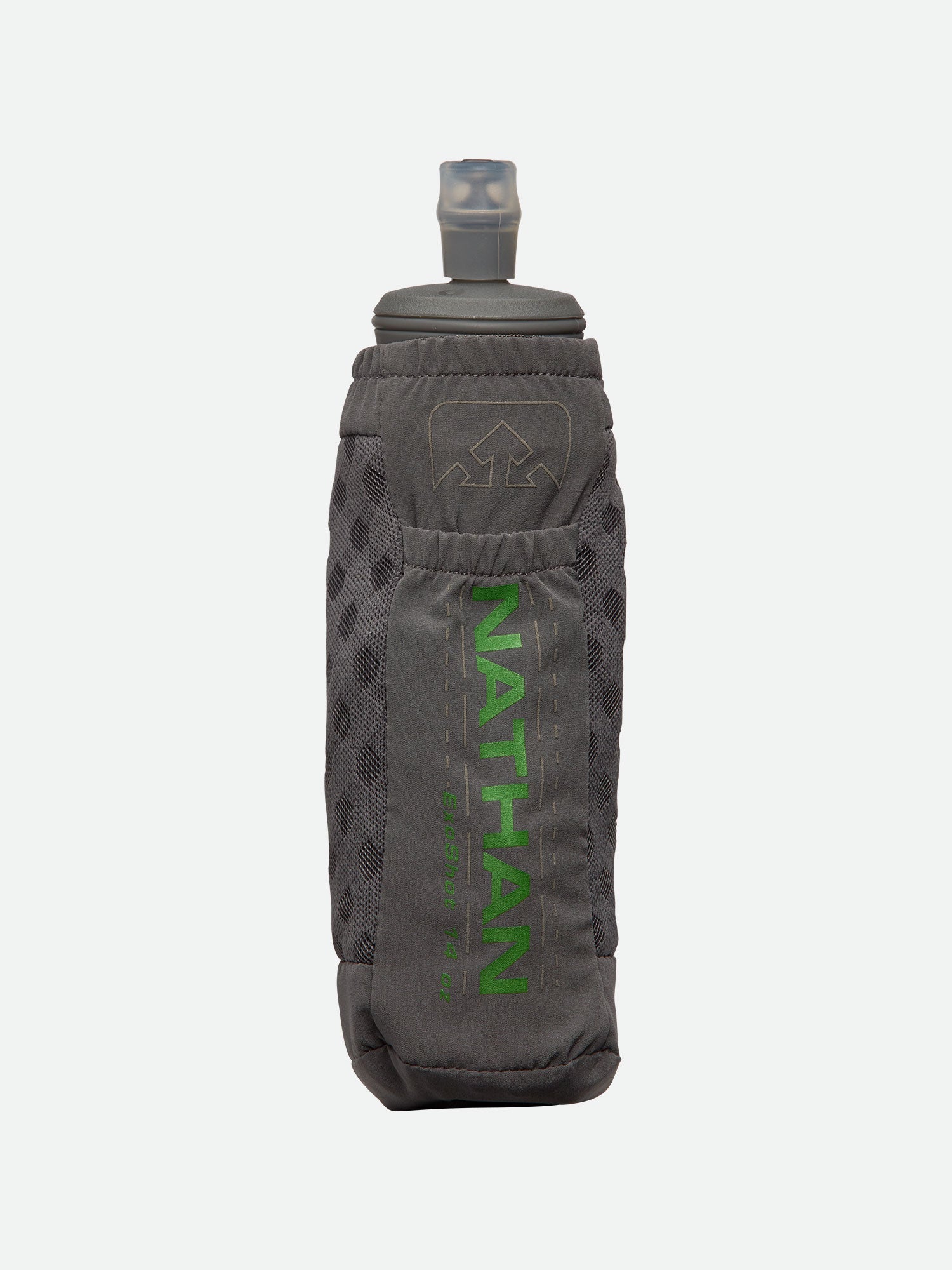
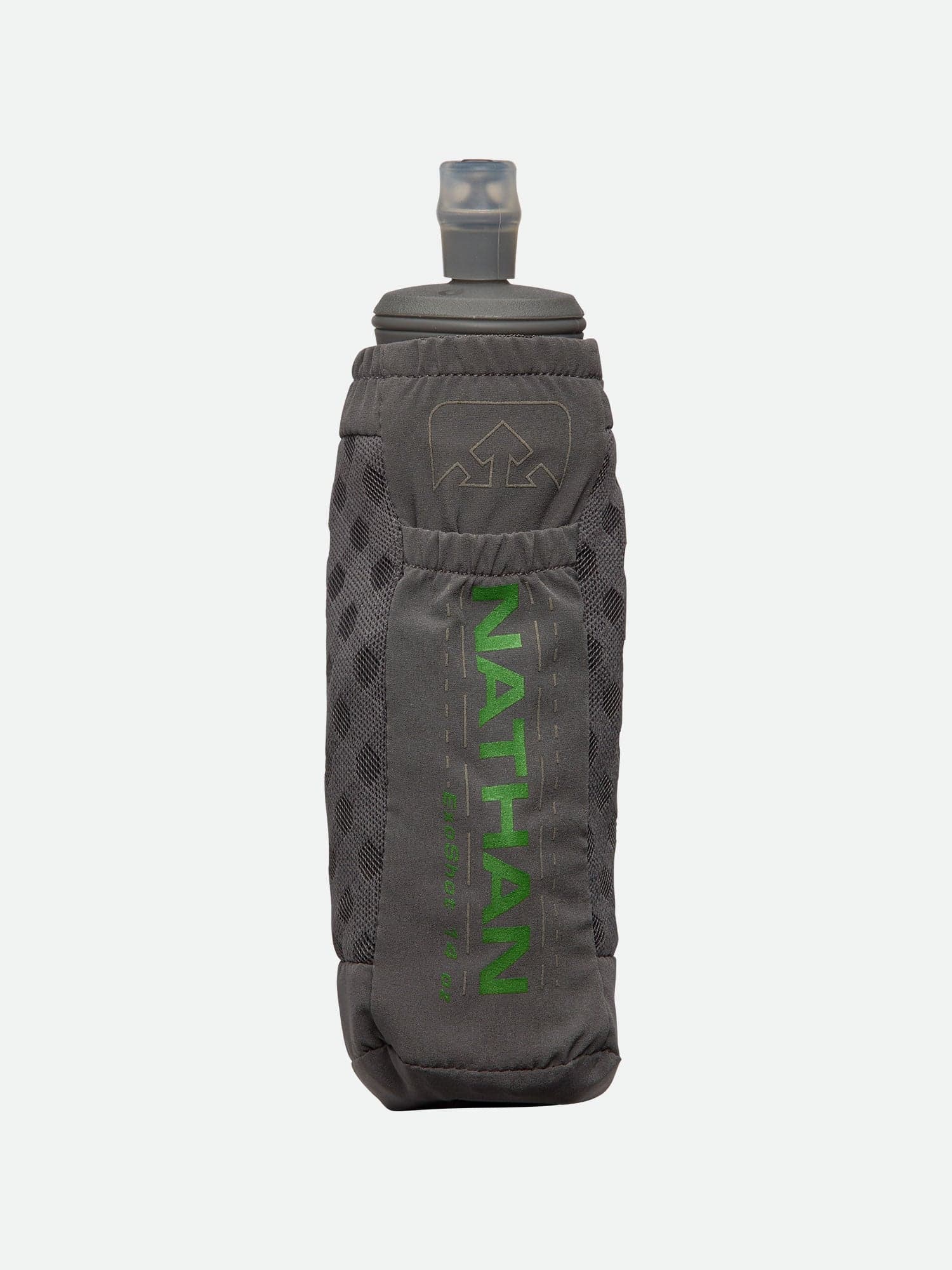
Nathan ExoShot 2
Why it illustrates the category: Shows a race-day handheld pattern with secure strap.
Best for
- · Road long runs
- · Simple fluid plans
Trade-off
One hand is occupied.
Read review →From € 25Soft handheld flask
8.4 Kitletics Score
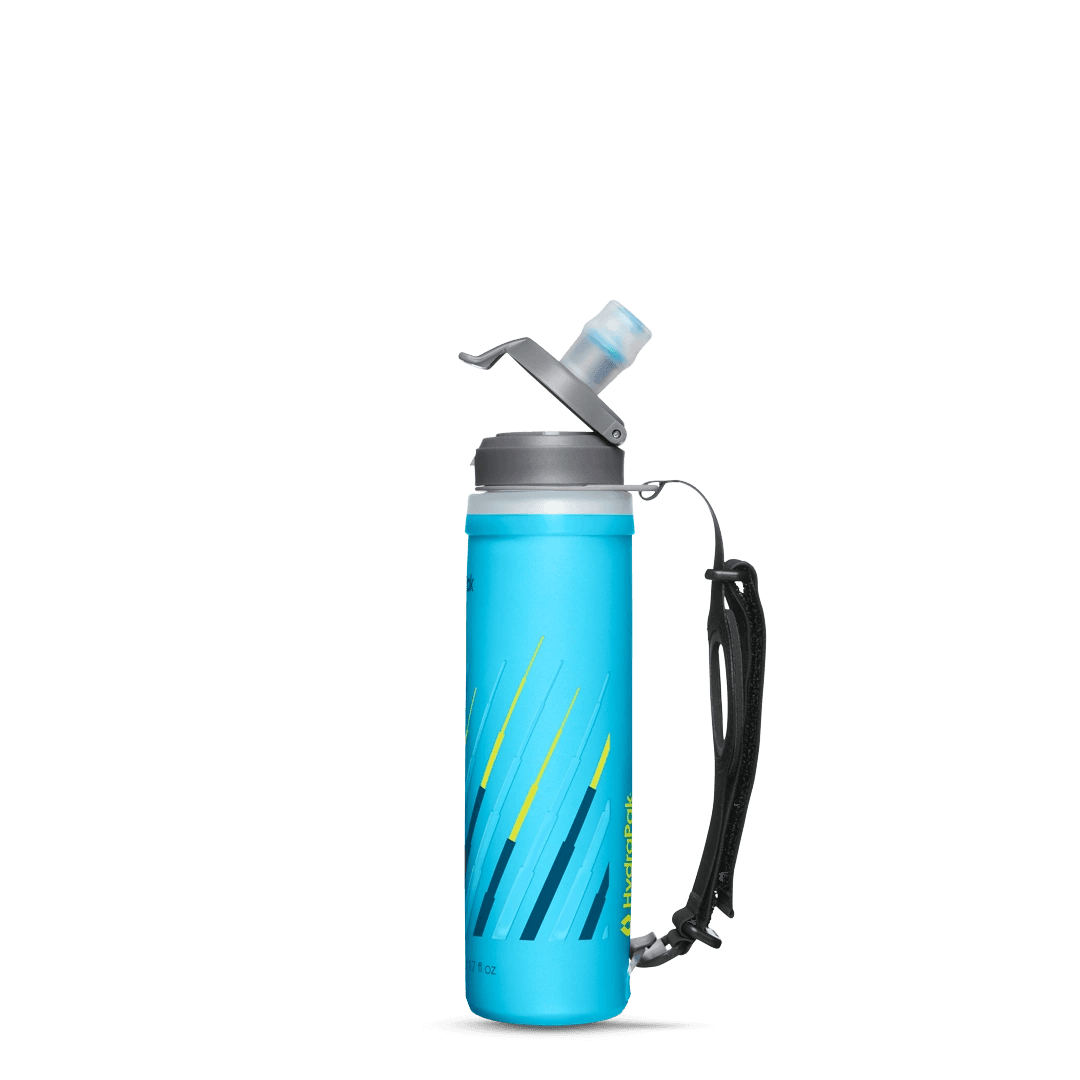
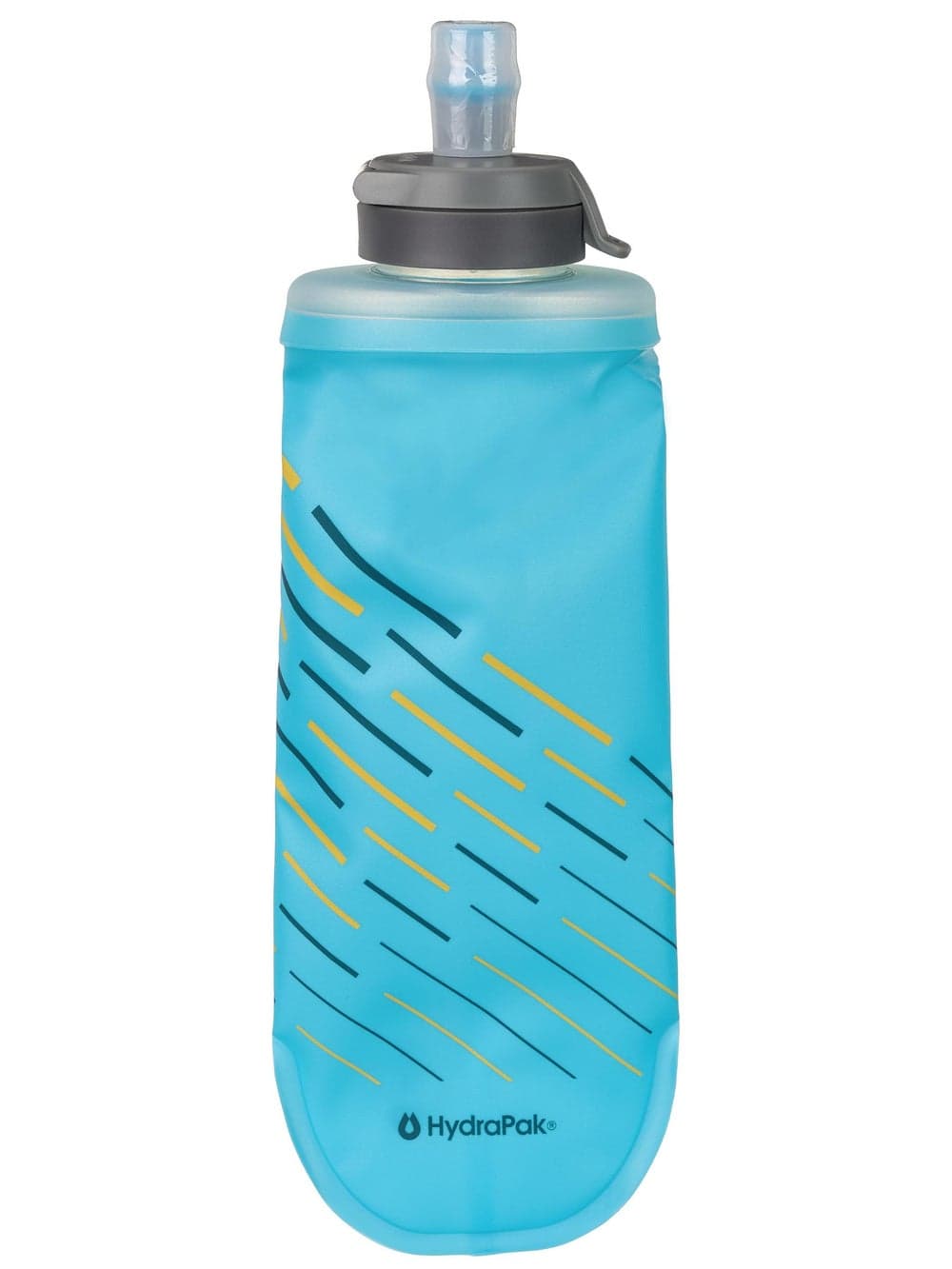
HydraPak SkyFlask Speed 500
Why it illustrates the category: Represents collapsible carry when empty.
Best for
- · Heat training
- · Packability
Trade-off
Less structure than hard bottles for some grips.
Read review →From € 28Insulated handheld
8.0 Kitletics Score
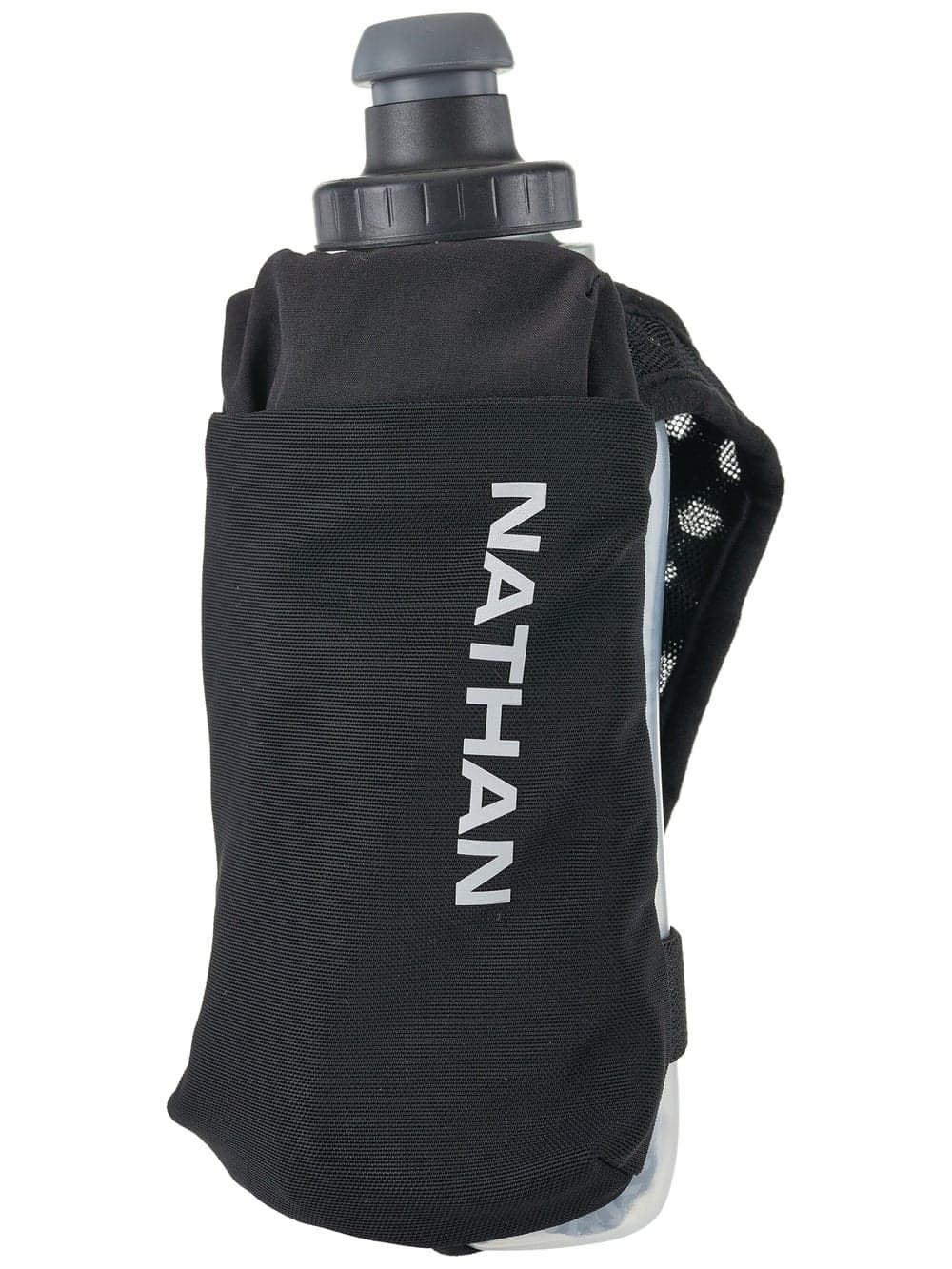
Nathan SpeedDraw Plus Insulated
Why it illustrates the category: Shows insulation for warmer climates.
Best for
- · Hot weather
- · Longer sips
Trade-off
Slightly more bulk.
Read review →From € 32
9How current options differ
| Product | Support approach | Cushion | Drop | Widths | Best use | Key trade-off |
|---|---|---|---|---|---|---|
| — | — | — | — | Structured handheld | One-handed volume limit | |
| — | — | — | — | Soft flask handheld | One-handed volume limit on hot ultras | |
| — | — | — | — | Insulated handheld | Does not compress — more swing than SoftFlask Speed |
10How to decide
- 1
Strap and hand feel
How the bottle sits during swing. Hot spots and numbness end runs early. You will notice: Whether you forget it is there after twenty minutes.
- 2
Volume vs weight
Fluid capacity when full. Larger bottles fatigue the grip sooner. You will notice: Enough water without an awkward pendulum.
- 3
Empty behaviour
Soft vs hard bottles when drained. Soft flasks collapse; hard bottles stay bulky. You will notice: Easier aid-station transitions with soft designs.
11Common mistakes
Planning poles and a handheld together
Technical trail with poles usually wants vest or belt carry instead.
Buying features you will not use
Extra modes and marketing claims only help when they change a real session outcome.
Skipping a training test
Race-week surprises usually come from untested fuel, fit or battery profiles.
Forcing one product to do every job
Specialist tools exist because weekly volume and intensity ask for different compromises.
12Frequently asked questions
- What is the quick takeaway on this topic?
- Handhelds suit short-to-medium runs with simple fluid needs. Strap comfort and hand fatigue matter more than bottle shape marketing.
- How should I weigh strap and hand feel?
- How the bottle sits during swing. Hot spots and numbness end runs early. In practice: Whether you forget it is there after twenty minutes.
- What mistake should I avoid?
- Planning poles and a handheld together: Technical trail with poles usually wants vest or belt carry instead.
- How do product examples help?
- Structured handheld illustrates this topic because Shows a race-day handheld pattern with secure strap. Trade-off: One hand is occupied.
Compare handheld bottles
Nathan
ExoShot 2
Structured handheld
7.9 SolidFrom € 25
View review →HydraPak
SkyFlask Speed 500
Soft flask handheld
8.4 GoodFrom € 28
View review →Nathan
SpeedDraw Plus Insulated
Insulated handheld
8.0 GoodFrom € 32
View review →
Head-to-head comparisons
Continue the decision with focused head-to-heads — who should choose which, and the trade-offs that matter.
How we research
This guide combines manufacturer specifications, catalog product data and independent specialist coverage. Product examples render from live catalog data and illustrate approaches — not medical or ranking claims.