The short version
- Practice race-day fluid access on training long runs.
- Supported city routes often need less carry than hot unsupported loops.
- Heat, humidity and stomach tolerance change volume needs.
- Carry plan and fuel plan belong together.
- Do not debut a new vest or belt in the taper.
Approaches in this guide
1Training carry vs race carry
Marathon training long runs teach how much fluid you need between fountains or bottles. The race may offer more aid — or less, depending on the event.
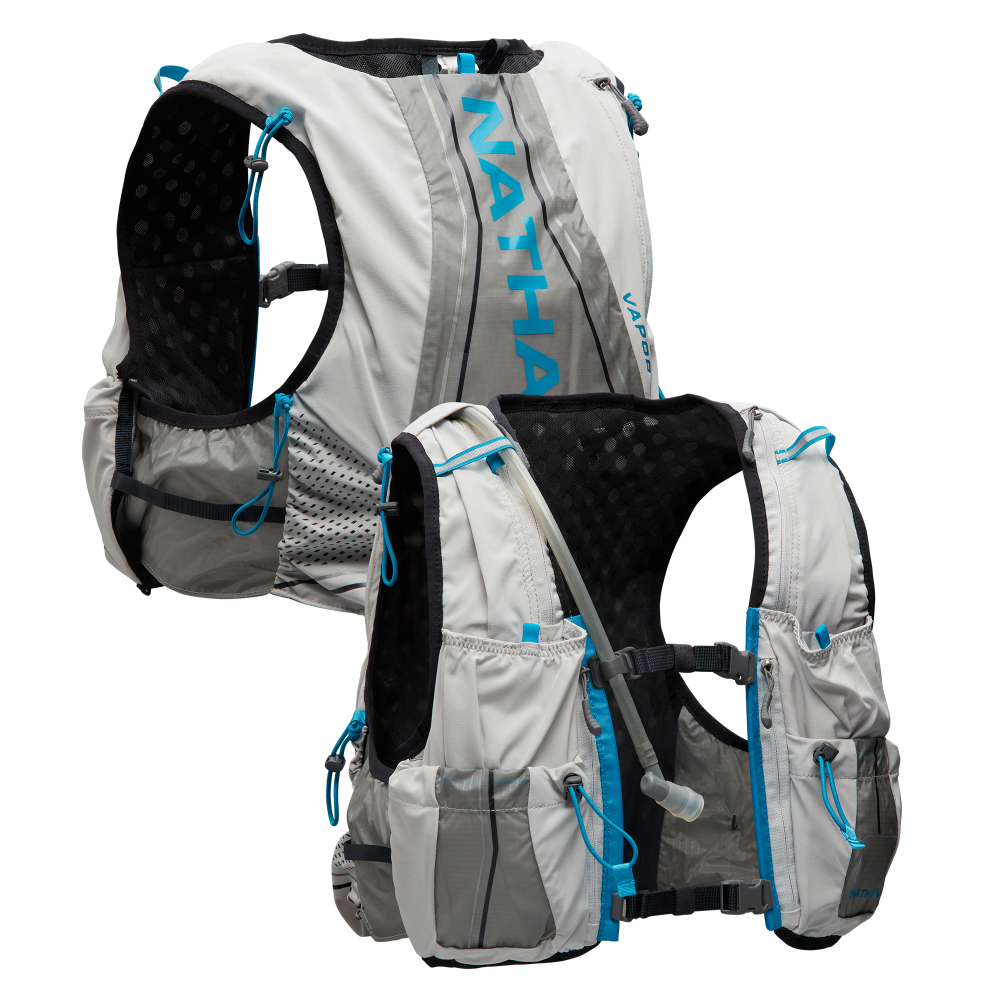
A belt may cover cool, well-supported weekends. Heat waves and park loops without taps push toward handhelds or vests.
Rehearse the exact bottles, mixes and access pattern you will use on race day.
2Why this decision matters
Match carry to long-run support — belts for city loops, vests when heat and duration stack up.
Carry systems fail through bounce, slow access or capacity that does not match unsupported stretches. Test loaded on a normal long run before race week.
3Marathon hydration filters
Route support
- What it is
- Fountains, shops, crew, race aid.
- How it changes the choice
- More support shrinks required carry.
- What you may notice
- Lighter kits on familiar city loops.
Heat and duration
- What it is
- Temperature and time on feet.
- How it changes the choice
- Hot long runs raise fluid and electrolyte needs.
- What you may notice
- You may need a larger system mid-summer.
Gut tolerance
- What it is
- What mixes and volumes you absorb.
- How it changes the choice
- Aggressive new plans cause GI issues.
- What you may notice
- Steady intake you have already rehearsed.
4What to look for in each factor
Verify carbohydrate, fluid and caffeine numbers on the label against your tested race plan — gut tolerance beats theory.
Look for
Route support
- Fountains, shops, crew, race aid.
- Watch for: Lighter kits on familiar city loops.
- Decision tip: More support shrinks required carry.
Look for
Heat and duration
- Temperature and time on feet.
- Watch for: You may need a larger system mid-summer.
- Decision tip: Hot long runs raise fluid and electrolyte needs.
Look for
Gut tolerance
- What mixes and volumes you absorb.
- Watch for: Steady intake you have already rehearsed.
- Decision tip: Aggressive new plans cause GI issues.
5Compare approaches at a glance
| Light belt long run | Handheld long run | Vest for heat / longer gaps | |
|---|---|---|---|
| Best for | Cool weather, City support | Moderate gaps, Road loops | Hot blocks, Unsupported parks |
| Main trade-off | Limited water volume. | One hand busy for 90–180 minutes. | More coverage than some road racers want. |
Examples illustrate approaches — not a universal ranking.
Look for
Light belt long run
- Best for: Cool weather, City support
- Main trade-off: Limited water volume.
Look for
Handheld long run
- Best for: Moderate gaps, Road loops
- Main trade-off: One hand busy for 90–180 minutes.
6What you gain and give up
What you may gain
- · Light belt long run: useful when Cool weather
- · Handheld long run: useful when Moderate gaps
- · Vest for heat / longer gaps: useful when Hot blocks
What you may give up
- · Limited water volume.
- · One hand busy for 90–180 minutes.
- · More coverage than some road racers want.
Trade-offs are model- and runner-dependent — verify fit and use case.
7Next step after you shortlist
Load the shortlist for a normal long run. Note bounce, flask/bladder access at pace and how refill or cleaning will fit your week.
If access is slow or bounce annoys you by kilometre ten, change carry format — capacity alone is not the win.
8Training kit patterns
Personal sweat rate and medical advice still come first.
Light belt long run
8.5 Kitletics Score
FlipBelt Classic
Why it illustrates the category: Works when fountains and short gaps cover fluid.
Best for
- · Cool weather
- · City support
- · Phone + gels
Trade-off
Limited water volume.
Read review →From € 32Handheld long run
7.9 Kitletics Score
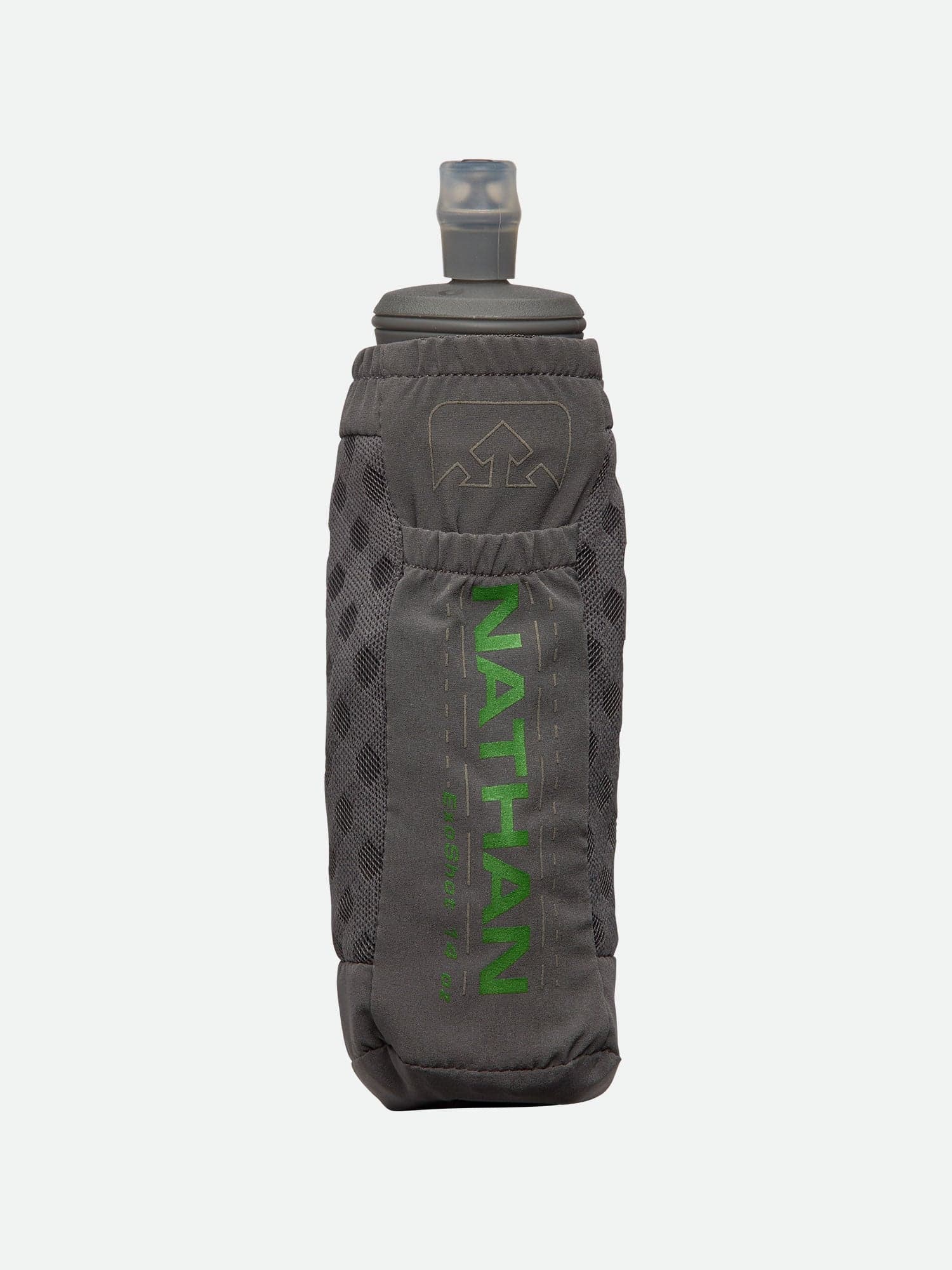
Nathan ExoShot 2
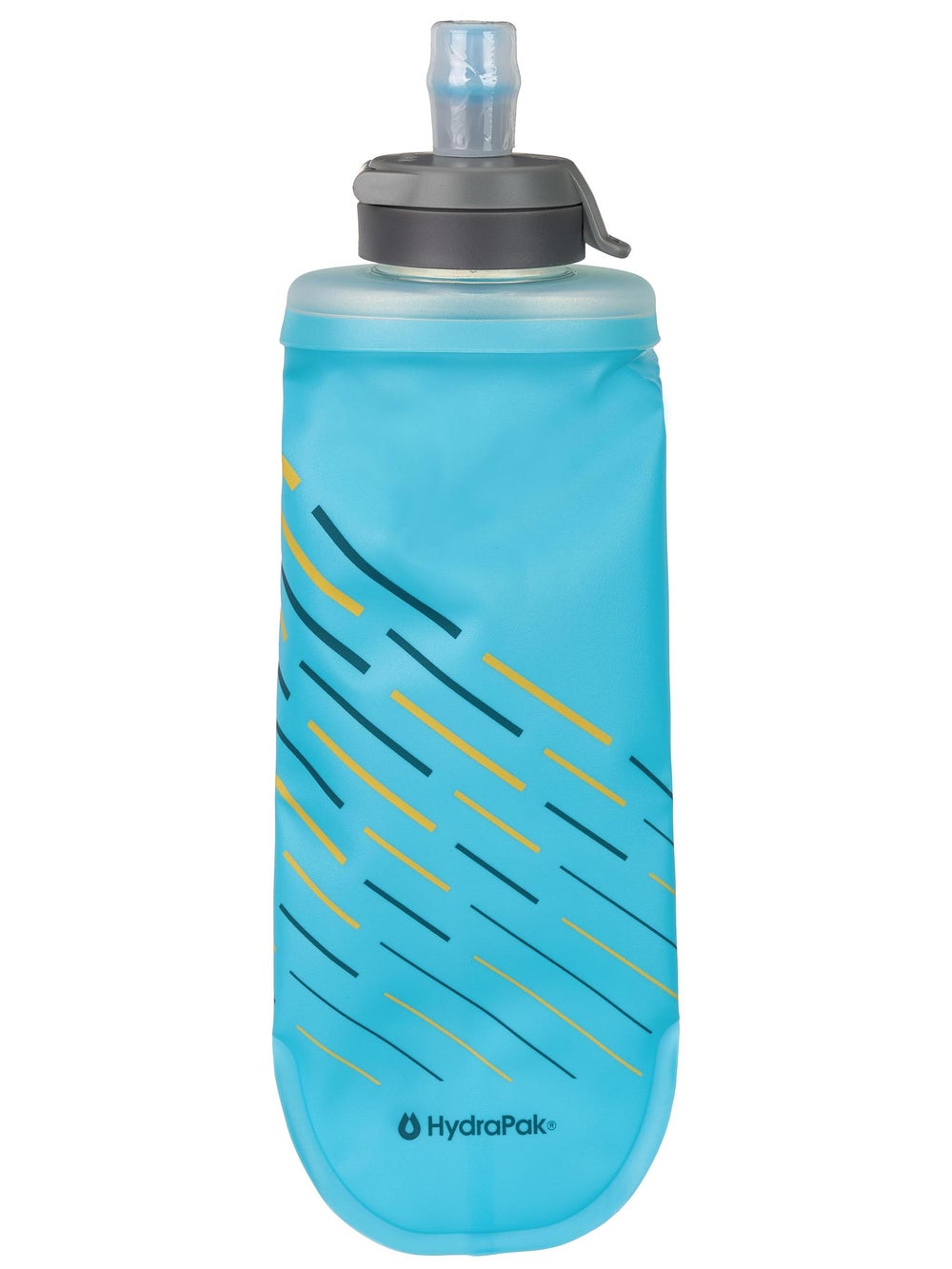
Why it illustrates the category: Simple fluid without a full vest.
Best for
- · Moderate gaps
- · Road loops
Trade-off
One hand busy for 90–180 minutes.
Read review →From € 25Vest for heat / longer gaps
9.0 Kitletics Score
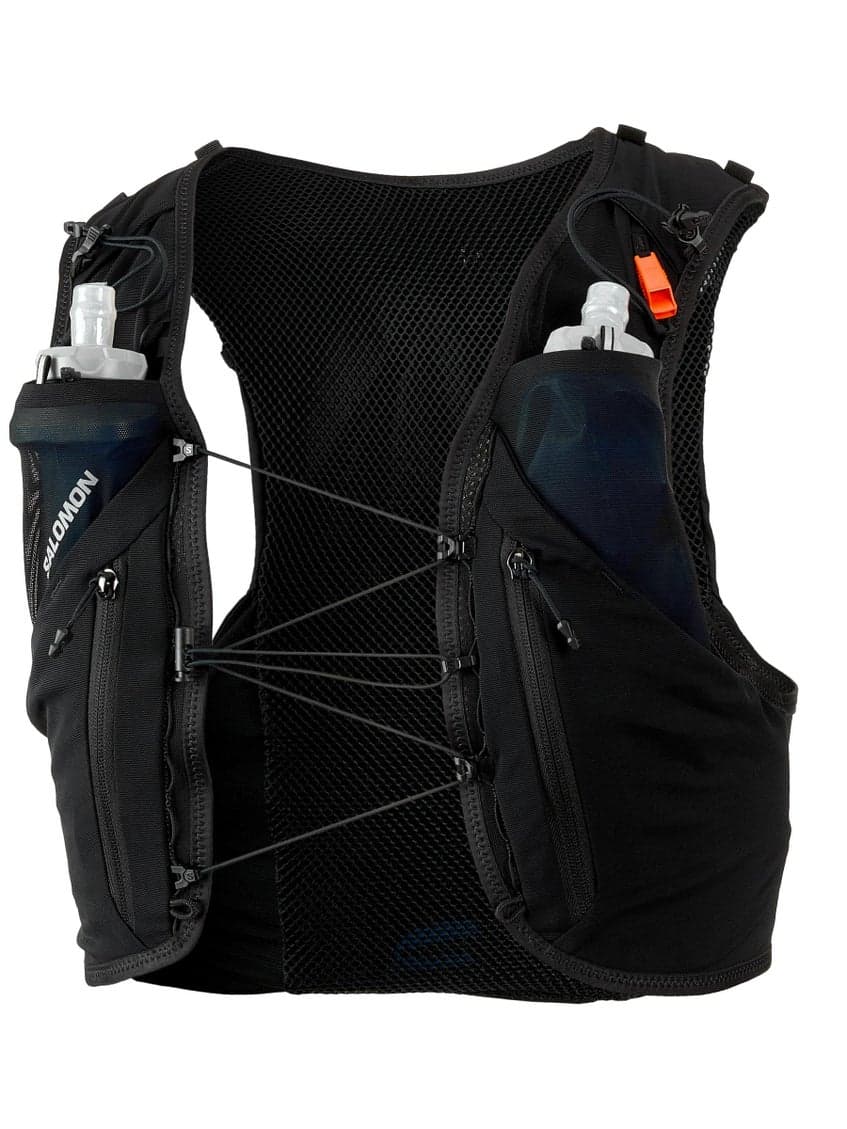
Salomon ADV Skin 12
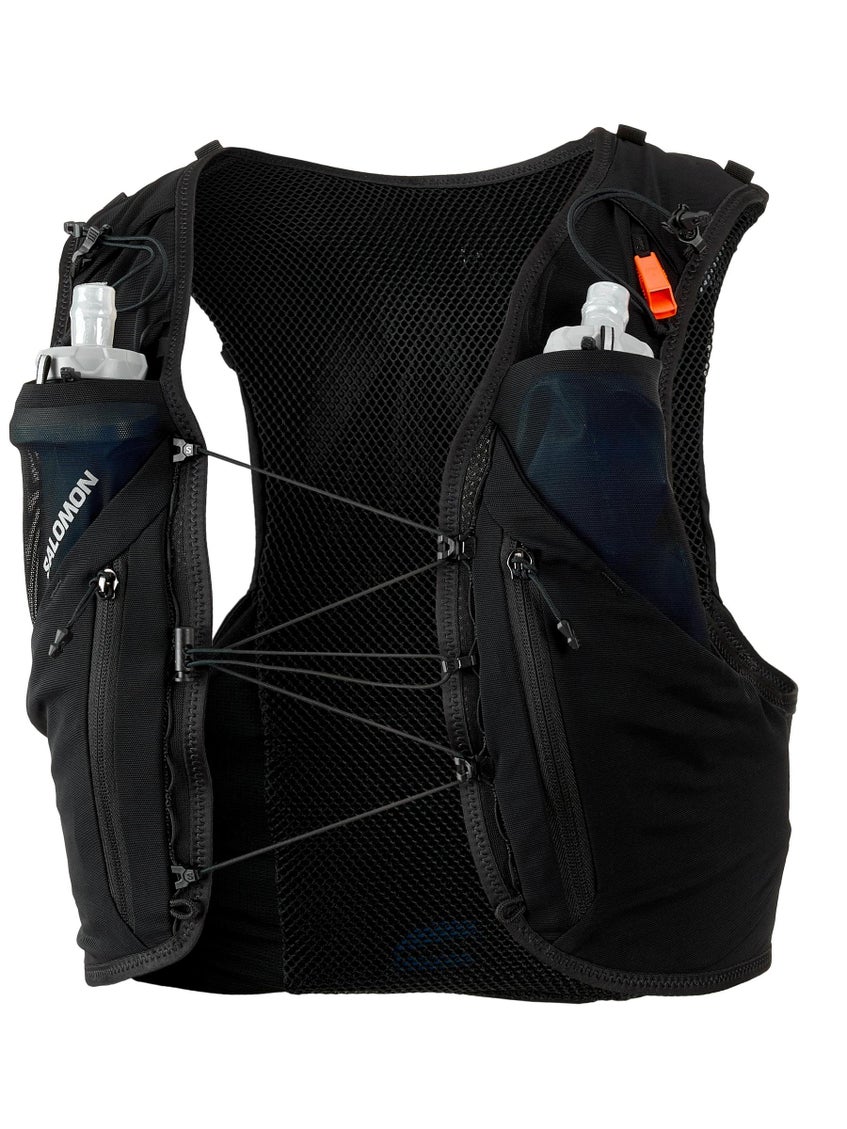
Why it illustrates the category: Carries fluid, fuel and a light layer together.
Best for
- · Hot blocks
- · Unsupported parks
- · Longer efforts
Trade-off
More coverage than some road racers want.
Read review →From € 160
9How current options differ
| Product | Support approach | Cushion | Drop | Widths | Best use | Key trade-off |
|---|---|---|---|---|---|---|
| — | — | — | — | Light belt | Sweat can reach phone without a case | |
| — | — | — | — | Handheld | One-handed volume limit | |
| — | — | — | — | Training vest | Overkill for road 10K |
10How to decide
- 1
Route support
Fountains, shops, crew, race aid. More support shrinks required carry. You will notice: Lighter kits on familiar city loops.
- 2
Heat and duration
Temperature and time on feet. Hot long runs raise fluid and electrolyte needs. You will notice: You may need a larger system mid-summer.
- 3
Gut tolerance
What mixes and volumes you absorb. Aggressive new plans cause GI issues. You will notice: Steady intake you have already rehearsed.
11Common mistakes
Debuting carry on race morning
Anything that touches fluid or fuel should appear in training first.
Buying features you will not use
Extra modes and marketing claims only help when they change a real session outcome.
Skipping a training test
Race-week surprises usually come from untested fuel, fit or battery profiles.
Forcing one product to do every job
Specialist tools exist because weekly volume and intensity ask for different compromises.
12Frequently asked questions
- What is the quick takeaway on this topic?
- Practice race-day fluid access on training long runs. Supported city routes often need less carry than hot unsupported loops.
- How should I weigh route support?
- Fountains, shops, crew, race aid. More support shrinks required carry. In practice: Lighter kits on familiar city loops.
- What mistake should I avoid?
- Debuting carry on race morning: Anything that touches fluid or fuel should appear in training first.
- How do product examples help?
- Light belt long run illustrates this topic because Works when fountains and short gaps cover fluid. Trade-off: Limited water volume.
Compare marathon carry options
FlipBelt
Classic
Light belt
8.5 Very GoodFrom € 32
View review →Nathan
ExoShot 2
Handheld
7.9 SolidFrom € 25
View review →Salomon
ADV Skin 12
Training vest
9.0 ExcellentFrom € 160
View review →
Head-to-head comparisons
Continue the decision with focused head-to-heads — who should choose which, and the trade-offs that matter.
How we research
This guide combines manufacturer specifications, catalog product data and independent specialist coverage. Product examples render from live catalog data and illustrate approaches — not medical or ranking claims.