The short version
- Expect fresh cans (HEAD Pro S and Kuikma PB Speed) to play their best early. Many club pairs rotate a match can and demote it to warm-ups within a few sessions. There is no
- Dead balls change smash height and glass behaviour. Players often blame rackets for a ball that has quietly gone flat.
- Match day → freshest can. Training → demoted cans. Extreme heat/humidity → expect faster fade. Abrasion courts → felt dies before pressure sometimes.
- Catalog examples stay role-based — verify current generation and offers.
Approaches in this guide
What padel ball lifespan decisions are really about
Pressurized cans lose bounce across sessions faster than many tennis habits suggest — plan can life from match feel, not the print date alone.
Pressurized balls lose internal pressure through the core and valve over time once opened (and slowly even sealed). Felt wear changes aerodynamics and bounce character.
Match day → freshest can. Training → demoted cans. Extreme heat/humidity → expect faster fade. Abrasion courts → felt dies before pressure sometimes.
Treat every product example as a role illustration from the Kitletics padel catalog. Confirm model year, published specs and return/demo options before you buy.
Fresh pressurized can
Match bounce and speed when the seal is new — expect fade after a few hard sessions.
Tired training balls
Lower bounce and softer feel — fine for drilling, misleading for match timing.
Why lifespan matters
Dead balls change smash height and glass behaviour. Players often blame rackets for a ball that has quietly gone flat.
Use evidence from normalized catalog fields and manufacturer specs; treat unverified claims as hypotheses.
Round
Larger centred sweet spot — forgiveness first.
Teardrop
Hybrid sweet zone — balanced attack and control.
Diamond
Higher sweet spot — more finishing reward, less mishit room.
Factors that should drive the choice
Use these as connected filters for this guide’s job — not a generic equipment checklist.
Low / handle-biased
Easier preparation and defence — tip feels lighter through the swing.
High / head-biased
More mass through the ball — tip feels heavier late in long sessions.
Pressure loss
- What it is
- How pressure loss shows up in padel ball lifespan.
- How it changes the choice
- Your level, courts and session length change how much pressure loss should weigh.
- What you may notice
- Whether pressure loss still helps late in a match or long session.
Felt wear
- What it is
- How felt wear shows up in padel ball lifespan.
- How it changes the choice
- Your level, courts and session length change how much felt wear should weigh.
- What you may notice
- Whether felt wear still helps late in a match or long session.
Court abrasion
- What it is
- How court abrasion shows up in padel ball lifespan.
- How it changes the choice
- Your level, courts and session length change how much court abrasion should weigh.
- What you may notice
- Whether court abrasion still helps late in a match or long session.
Temperature/humidity
- What it is
- How temperature/humidity shows up in padel ball lifespan.
- How it changes the choice
- Your level, courts and session length change how much temperature/humidity should weigh.
- What you may notice
- Whether temperature/humidity still helps late in a match or long session.
Match vs training use
- What it is
- How match vs training use shows up in padel ball lifespan.
- How it changes the choice
- Your level, courts and session length change how much match vs training use should weigh.
- What you may notice
- Whether match vs training use still helps late in a match or long session.
What to look for in each factor
Check each factor against your level, court surface and what fails in your current kit — not against pro silhouettes or weave marketing alone.
Look for
Pressure loss
- How pressure loss shows up in padel ball lifespan.
- Watch for: Whether pressure loss still helps late in a match or long session.
- Decision tip: Your level, courts and session length change how much pressure loss should weigh.
Look for
Felt wear
- How felt wear shows up in padel ball lifespan.
- Watch for: Whether felt wear still helps late in a match or long session.
- Decision tip: Your level, courts and session length change how much felt wear should weigh.
Look for
Court abrasion
- How court abrasion shows up in padel ball lifespan.
- Watch for: Whether court abrasion still helps late in a match or long session.
- Decision tip: Your level, courts and session length change how much court abrasion should weigh.
Look for
Temperature/humidity
- How temperature/humidity shows up in padel ball lifespan.
- Watch for: Whether temperature/humidity still helps late in a match or long session.
- Decision tip: Your level, courts and session length change how much temperature/humidity should weigh.
Fresh pressurized can vs Tired training ball
Tube / pump pressurizer
Holds balls under pressure between sessions — only useful if you will actually reseal cans.
Multi-ball chamber
Bigger chamber for several balls — same job as a tube, different form factor and desk footprint.
| Fresh pressurized can | Tired training ball | Choose based on | |
|---|---|---|---|
| Primary job | Fresh pressurized can | Tired training ball | Your recurring miss |
| Best when | Fresh pressurized can fits today’s constraint | Tired training ball fits today’s constraint | Which constraint is louder |
| Watch for | Over-forgiving / under-powered feel | Over-demanding / harsh feel | Honest self-assessment |
Category tendencies are starting points, not guarantees of individual feel.
Look for
Fresh pressurized can
- Primary job: Fresh pressurized can
- Best when: Fresh pressurized can fits today’s constraint
- Watch for: Over-forgiving / under-powered feel
Look for
Tired training ball
- Primary job: Tired training ball
- Best when: Tired training ball fits today’s constraint
- Watch for: Over-demanding / harsh feel
What you gain — and give up
Light
~345–365 g
Faster preparation; less plow-through on hard contact.
Mid
~365–375 g
Club default band for most intermediate frames.
Heavy
~375–390 g+
More stability and power bias; arm load rises over long matches.
What you may gain
- · Clearer role fit
- · Fewer gear-induced errors
- · Faster shortlisting
- · Catalog-backed examples
What you may give up
- · One-size prestige shopping
- · Copying pro bags blindly
- · Ignoring consumables
- · Shape/material stereotypes alone
Revisit the choice when your mishit pattern or courts change — not when an ad drops.
Approaches for this decision
These products demonstrate distinct roles rather than a ranking. Verify current specifications and availability.
Pro S fresh

8.0 Kitletics Score
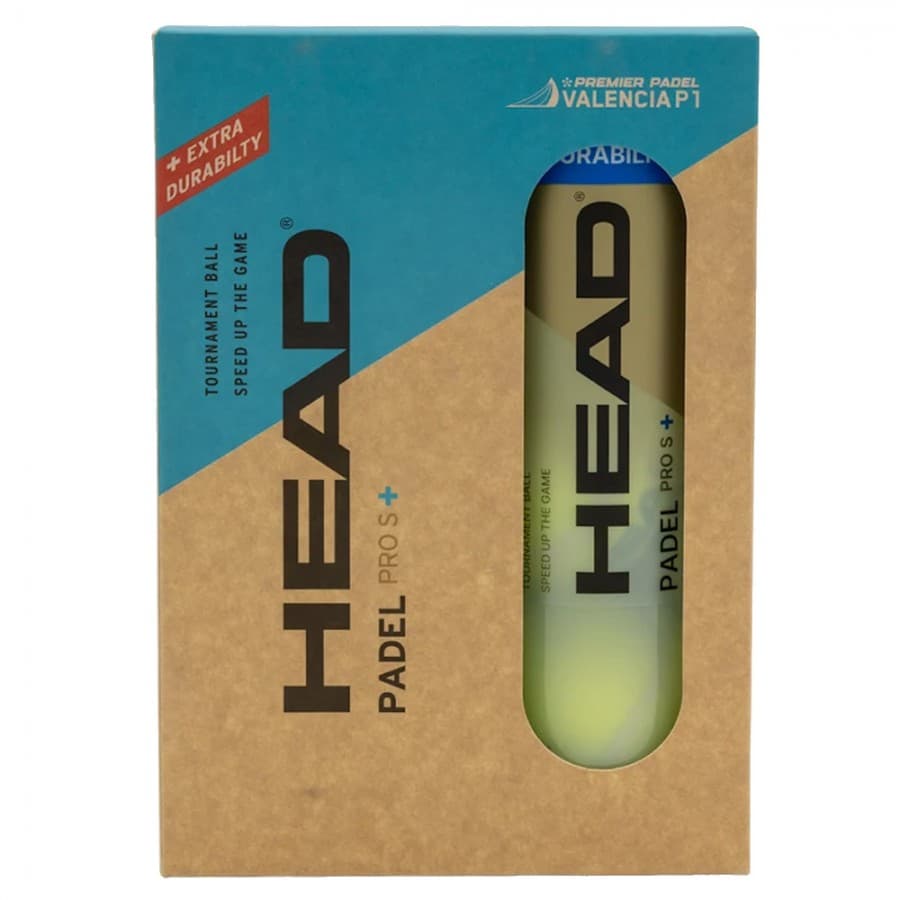
Head Padel Pro S+
Why this example works: HEAD Pro S is a pressurized competition can — shows match-speed bounce versus a tired practice ball.
Best for
- · Pressure loss
- · Fresh pressurized can
Trade-off
Role fit is not universal — verify specs, generation and feel against your constraint.
Read review →From € 5,79Kuikma Speed

Kuikma Padel Speed
Why this example works: Kuikma Speed is a value speed-oriented can — a practical training/match example when bounce freshness matters.
Best for
- · Felt wear
- · Tired training ball
Trade-off
Role fit is not universal — verify specs, generation and feel against your constraint.
Pro S training-tired

Head Padel Pro+
Why this example works: HEAD Pro S is a pressurized competition can — shows match-speed bounce versus a tired practice ball.
Best for
- · Court abrasion
- · Fresh pressurized can
Trade-off
Role fit is not universal — verify specs, generation and feel against your constraint.
View product →From € 5,79Approach 4

Wilson Premier Padel Speed
Why this example works: A concrete catalog example for this decision — check current generation and feel before you buy.
Best for
- · Temperature/humidity
- · Tired training ball
Trade-off
Verify fit and the complete setup.
View product →From € 6,19
How current options differ
| Product | Support approach | Cushion | Drop | Widths | Best use | Key trade-off |
|---|---|---|---|---|---|---|
| — | — | — | — | Pro S fresh | Too lively for some beginner sessions | |
| — | — | — | — | Kuikma Speed | Not the control can for heat/altitude | |
| — | — | — | — | Pro S training-tired | Not the fastest HEAD can | |
| — | — | — | — | Approach 4 | Too lively for already-fast summer outdoors |
Decision steps for this guide
Step 1
Lock the job
Level, surface, and what fails today.
Step 2
Filter geometry
Shape, balance, weight — then materials.
Step 3
Verify the pick
Compare two roles, not ten clones.
- 1
Name the job
State the outcome in one line: set realistic session expectations for pressurized cans instead of guessing from tennis habits alone.
- 2
Apply hard filters
Start with Pressure loss and Felt wear before optional features.
- 3
Compare Fresh pressurized can vs Tired training ball
Keep one option from each column only if your level supports both.
- 4
Check the example products
Open the example products to understand the concept — they are illustrations, not a forced ranking.
- 5
Take the next link
Continue to the related Best guide, Finder, or peer explainer.
- 6
Buy for today’s constraint
Prefer the option you can use twice a week over the one that looks like a final.
Which side of Fresh pressurized can vs Tired training ball matches your week?
Fresh pressurized can
Bias the shortlist toward fresh pressurized can examples and related Best guides.
Tired training ball
Bias the shortlist toward tired training ball examples and related Best guides.
Not sure yet
Stay on the more forgiving / essential side until your mishit pattern is clear.
Common mistakes
Centred / larger zone
More usable face when contact is late or off-centre — typical of round comfort moulds.
Higher / smaller zone
Rewards clean tip contact for finishing — typical of diamond attack moulds.
Judging balls only by felt colour
Judging balls only by felt colour
storing opened cans in hot cars
storing opened cans in hot cars
comparing unopened shelf life to opened match li
comparing unopened shelf life to opened match life.
Frequently asked questions
- What is the quick answer on padel ball lifespan?
- Pressurized padel balls typically feel match-worthy for a small number of hard sessions, then become training balls as pressure and felt drop. Exact life varies by court abrasion, heat and how hard you hit — open a new can when bounce and “pop” feel muted.
- How should I decide between Fresh pressurized can and Tired training ball?
- Match the column to your recurring constraint, then confirm with catalog examples and a Best guide or Finder where available.
- Which products illustrate this guide?
- The examples on this page (HEAD Padel Pro S, Kuikma PB Speed) are role illustrations for the decision — not a universal ranking. Check current generation and offers.
- What should I read next?
- Use the related guides cluster and Best links on this page — especially peers covering adjacent decisions for padel ball lifespan.
Examples for this padel ball lifespan decision
Browse current options →Head
Padel Pro S+
Pro S fresh
8.0 GoodFrom € 5,79
View review →Kuikma
Padel Speed
Kuikma Speed
Check prices
View product →Head
Padel Pro+
Pro S training-tired
From € 5,79
View product →Wilson
Premier Padel Speed
Approach 4
From € 6,19
View product →
Head-to-head comparisons
Continue the decision with focused head-to-heads — who should choose which, and the trade-offs that matter.
How we research
Needs-research guide: manufacturer specifications and normalized catalog fields establish the comparison. Unverified marketing claims are treated as claims rather than measured performance. Catalog examples are roles, not affiliate rankings.