A pressurizer only makes sense if you stretch opened cans across multiple sessions and notice bounce fade. It maintains chamber pressure — it does not rebuild shredded felt. Casual players who open a fresh can every match can skip it.
Approaches in this guide
1Clear answer
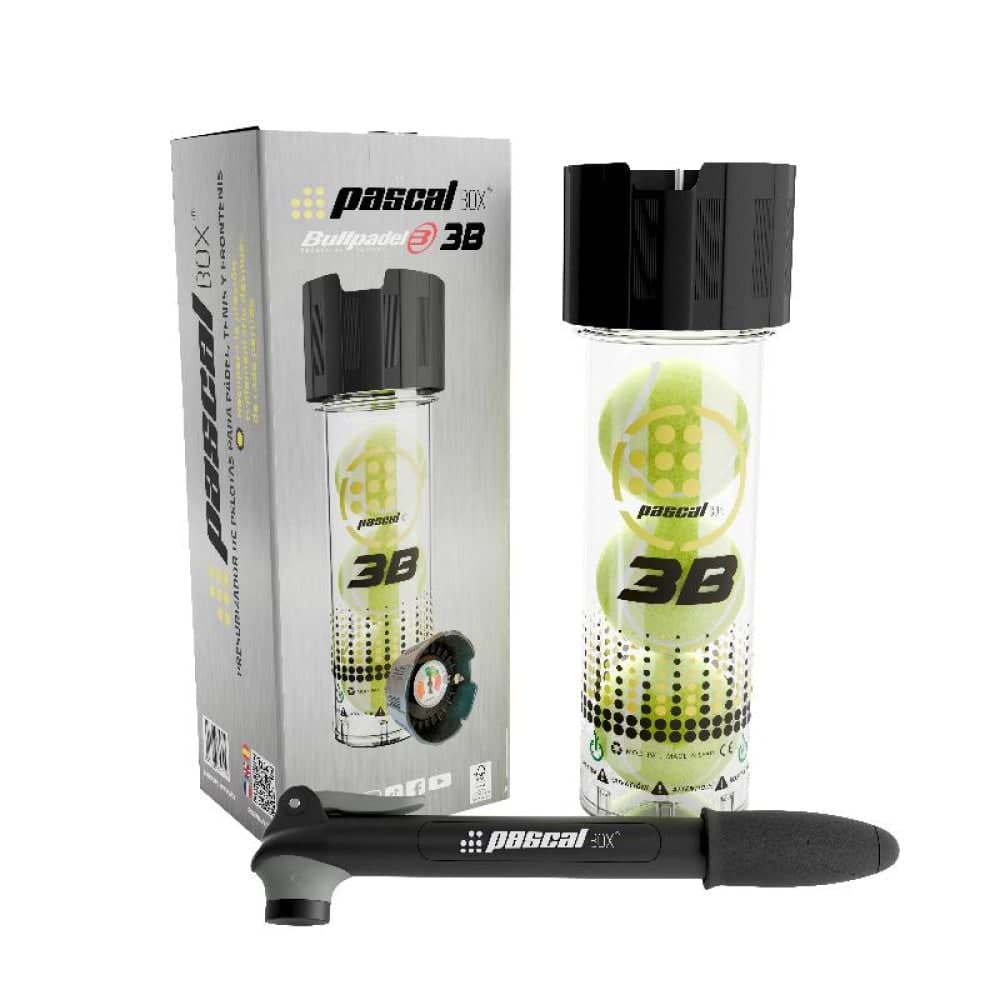
Buy a pressurizer when you regularly finish a can over several days and hate second-week flat balls. Pascal Box suits home manometer control; HEAD X3 suits travel. If every match starts with a new can, spend the money on cans instead.
2Why pressurizers exist
Opened balls slowly lose internal pressure. A sealed chamber slows that fade between sessions. Felt wear from glass and mesh is a separate failure mode a pump cannot fix.
3Decision framework
Sessions per opened can → do you notice bounce drop? → home vs travel form → compare cost to simply buying more competition cans.
4Technical explanation
Manual 3-ball canisters hold balls near playing pressure with a pump and seal. Manometer models make target pressure clearer; compact canisters trade gauge precision for packability.
5Catalog examples
Bullpadel Pascal Box 3B for regulated home use; HEAD X3 for a lighter travel canister. Pair either with competition cans from Best Padel Balls — not as a substitute for fresh match cans on tournament day.
6Trade-offs
Pressurizers add kit bulk and only pay off for frequent multi-session can use. Fresh cans play truest and cost more per hour if you open them constantly.
7Common mistakes
Expecting a pressurizer to revive bald felt; buying one before you play often enough to stretch cans; packing a home Pascal Box for a bike commute.
8Related
How Long Do Balls Last?, Fast vs Standard, and Pascal Box vs HEAD X3.
Example products
Bullpadel
Pascal Box 3B
From € 58,49
View review →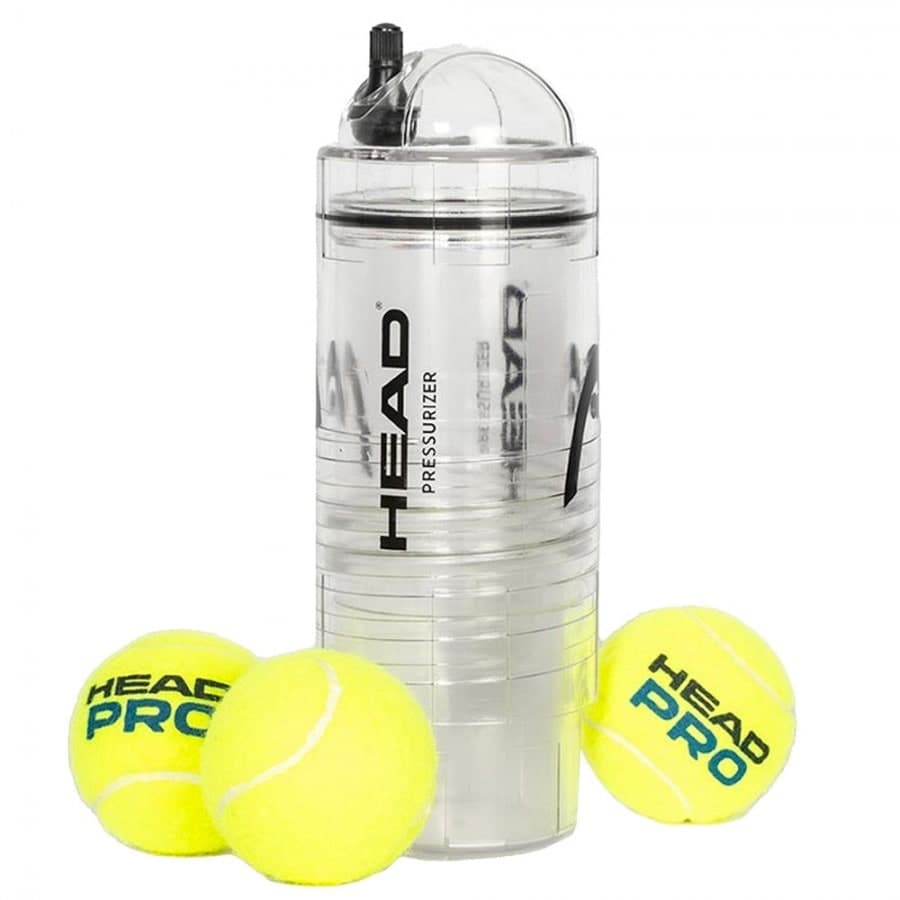
Head
X3 Pressurizer
Check prices
View product →
Head
Padel Pro S+
8.0 GoodFrom € 5,79
View review →
Head-to-head comparisons
Continue the decision with focused head-to-heads — who should choose which, and the trade-offs that matter.