The short version
- Stability shoes are designed to create a more guided or secure platform than typical neutral trainers.
- Modern models increasingly use geometry, sidewalls and broader platforms — not only aggressive medial posts.
- More stability is not automatically better; preference and comfort matter.
- Fit, cushioning and intended use matter as much as the stability label.
- Kitletics does not diagnose gait or prescribe stability footwear as medical treatment.
Kitletics explains product design. We do not diagnose overpronation, treat injury, or prescribe medical footwear. Seek qualified clinical advice when you have pain or injury concerns.
Approaches in this guide
1What is a stability running shoe?
Stability is a design category — not a medical diagnosis.
A stability running shoe is built to create a more guided or secure platform than a typical neutral trainer. Brands achieve that through geometry, midsole shaping, sidewalls, guidance structures, heel design, or denser medial materials — often in combination.
The category exists because some runners prefer a more controlled feel underfoot, especially on easy and daily mileage. Preference, comfort and fit matter. A stability label does not mean the shoe “fixes” gait, prevents injury, or is required for anyone with a particular foot shape.
Definitions have also changed. Older stability shoes often relied on obvious medial posts and firmness differences. Many current models use broader platforms, sidewalls and guidance systems that influence movement more subtly. A modern stability shoe can feel supportive without feeling highly corrective.
Kitletics treats stability as a product characteristic you can compare — alongside cushioning, fit, weight and intended use — not as a prescription.
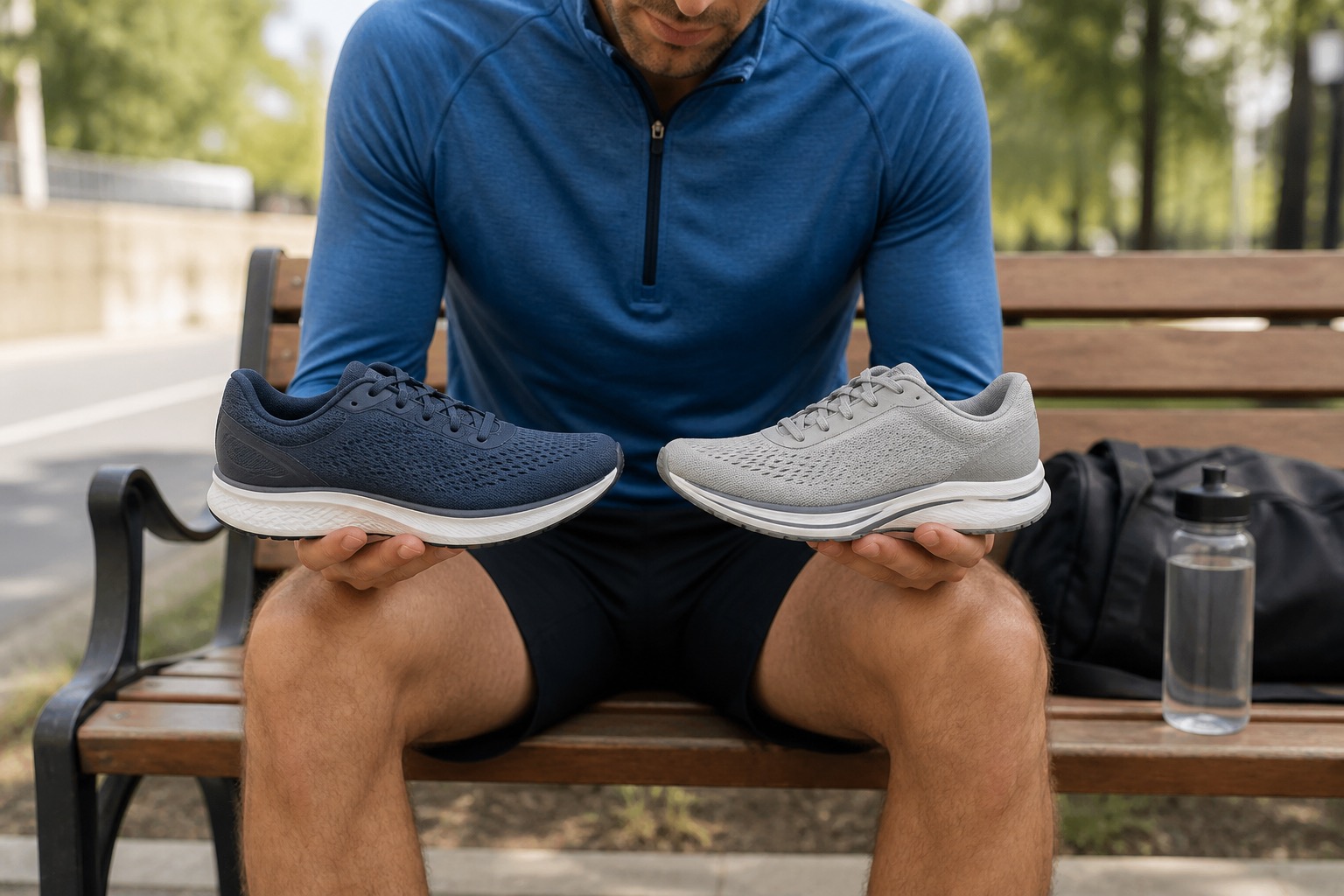
2Neutral vs guided platform
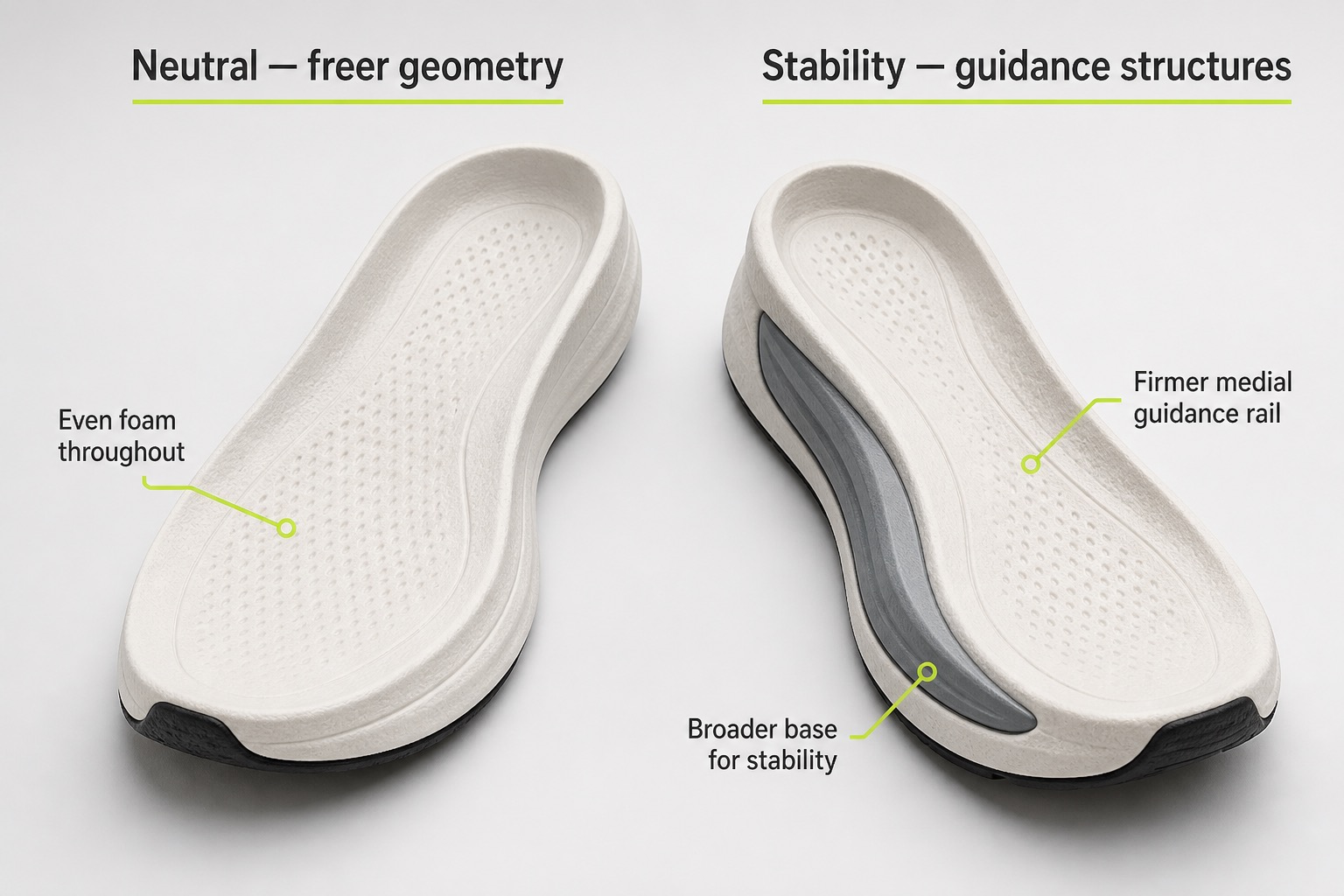
3Stability shoes vs neutral shoes
Neutral shoes prioritise a freer platform with minimal dedicated guidance structures. Stability shoes add design elements intended to make the ride feel more controlled or secure. Neither is universally better.
Many runners are comfortable in neutral shoes. Others prefer the locked-in feel of a guided platform. Some alternate: neutral for faster sessions, stability for easy volume — when that combination feels better.
Marketing language can blur the line. “Stable-neutral” or “mild support” shoes sit between extremes. Always read the actual geometry and support approach on the product page rather than relying on the category name alone.
4Neutral and stability at a glance
| Neutral | Stability | |
|---|---|---|
| Platform intent | Freer, less guided | More guided / secure |
| Base geometry | Varies by model | Often broader or more shaped |
| Support features | Minimal dedicated guidance | Geometry, rails, posts, sidewalls |
| Ride character | Often freer | Often more controlled |
| Weight tendency | Often lower for similar stack | Sometimes higher |
| Commonly considered by | Runners wanting a freer daily ride | Runners preferring guided platforms |
Illustrative tendencies — individual models vary widely within each category.
Look for
Neutral
- Platform intent: Freer, less guided
- Base geometry: Varies by model
- Support features: Minimal dedicated guidance
- Ride character: Often freer
Look for
Stability
- Platform intent: More guided / secure
- Base geometry: Often broader or more shaped
- Support features: Geometry, rails, posts, sidewalls
- Ride character: Often more controlled
5How stability shoes actually work
Modern stability is usually a system, not a single part. Foam shape, base width, upper lockdown and outsole geometry all affect how secure the shoe feels. Understanding the building blocks helps you compare products without treating brand names as magic.
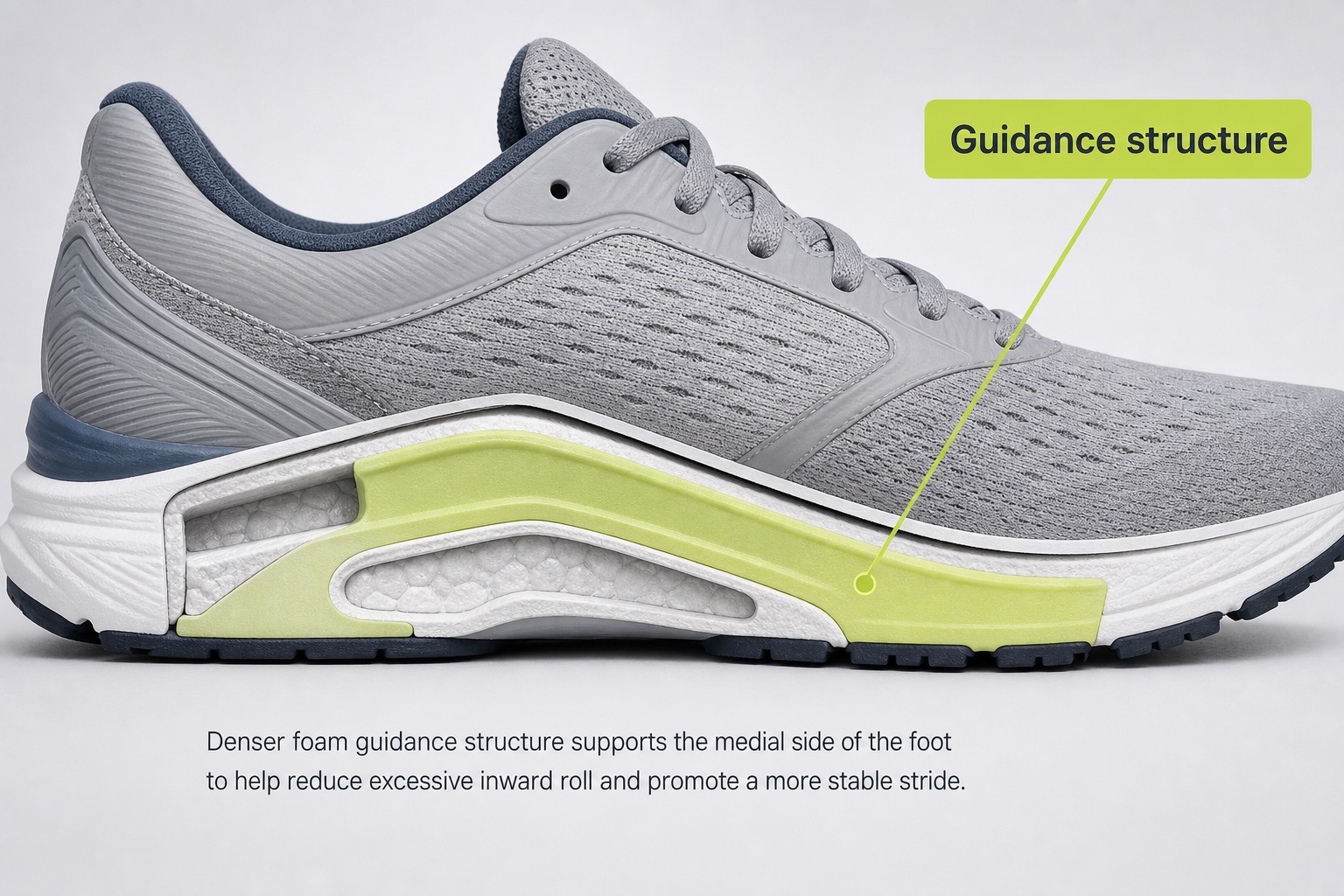
6Stability design elements
Each element changes the shoe differently. Products rarely use only one.
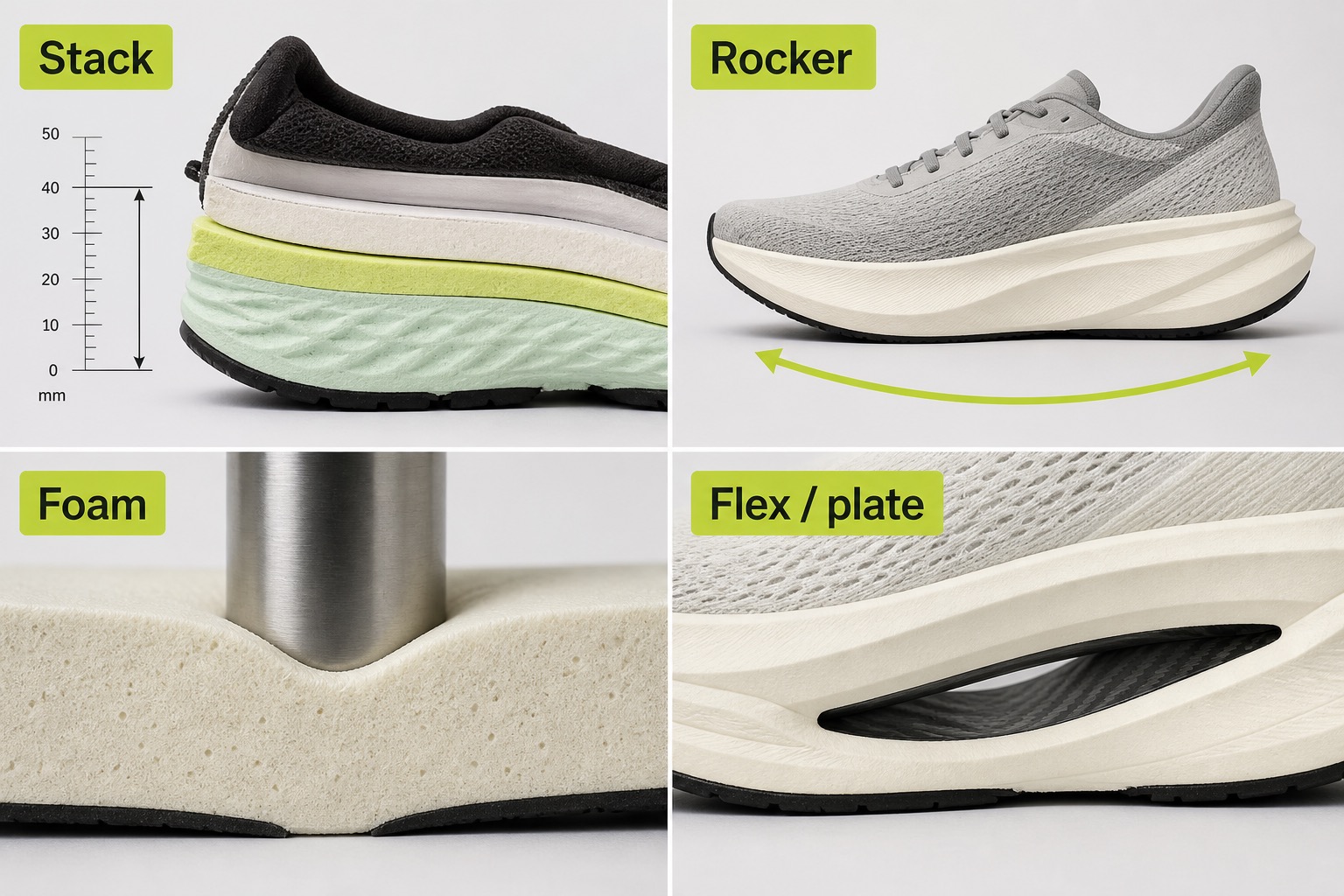
Wider platform
- What it is
- More surface area under the foot, especially through midfoot or heel.
- How it changes the choice
- Increases geometric stability and can reduce the feeling of tipping on soft foam.
- What you may notice
- A more planted stance; sometimes a slightly less agile turn-in feel.
Sidewalls
- What it is
- Foam or structure that rises around the sides of the footbed.
- How it changes the choice
- Cradles the foot and limits excessive side-to-side motion on the platform.
- What you may notice
- A more “held” midfoot without necessarily feeling like a hard post.
Guidance rails / systems
- What it is
- Structures designed to influence motion without a classic dense medial post.
- How it changes the choice
- Guides the foot along a preferred path; brand implementations differ (e.g. GuideRails, 4D GUIDANCE).
- What you may notice
- A directed, secure ride that may still feel relatively smooth.
Medial support
- What it is
- Firmer or denser material on the medial (inner) side of the midsole.
- How it changes the choice
- Creates a firmer medial pathway — closer to traditional stability approaches.
- What you may notice
- A more obvious support sensation on the inside of the shoe.
Heel geometry
- What it is
- Shape of the rear platform, bevels and heel counter stiffness.
- How it changes the choice
- Affects how the foot lands and transitions off the rearfoot.
- What you may notice
- More or less secure heel strike; can change early-stance feel.
Rocker & foam geometry
- What it is
- Curved rocker profiles and sculpted midsole shaping.
- How it changes the choice
- Can smooth transitions and reduce the need for aggressive posting.
- What you may notice
- A rolling, guided forward path — sometimes with less “push” feel.
7What to look for in each factor
Use these checks on fit, ride and job match — verify on a short shakeout, not only on a shelf comparison.
Look for
Wider platform
- More surface area under the foot, especially through midfoot or heel.
- Watch for: A more planted stance; sometimes a slightly less agile turn-in feel.
- Decision tip: Increases geometric stability and can reduce the feeling of tipping on soft foam.
Look for
Sidewalls
- Foam or structure that rises around the sides of the footbed.
- Watch for: A more “held” midfoot without necessarily feeling like a hard post.
- Decision tip: Cradles the foot and limits excessive side-to-side motion on the platform.
Look for
Guidance rails / systems
- Structures designed to influence motion without a classic dense medial post.
- Watch for: A directed, secure ride that may still feel relatively smooth.
- Decision tip: Guides the foot along a preferred path; brand implementations differ (e.g. GuideRails, 4D GUIDANCE).
Look for
Medial support
- Firmer or denser material on the medial (inner) side of the midsole.
- Watch for: A more obvious support sensation on the inside of the shoe.
- Decision tip: Creates a firmer medial pathway — closer to traditional stability approaches.
8Traditional medial posts vs modern guidance
Traditional stability often meant a visible medial post: denser foam on the inner midsole that you could sometimes see as a different colour. That approach still appears, but it is no longer the only toolkit.
Modern stability frequently emphasises broad bases, sidewalls, rockers and guidance systems that feel less intrusive. Transitional designs mix both eras — a guidance system plus supportive geometry, for example.
Do not assume every new shoe abandoned posts, or that every older approach is obsolete. Compare the specific model’s midsole description and stability classification rather than the decade it launched.
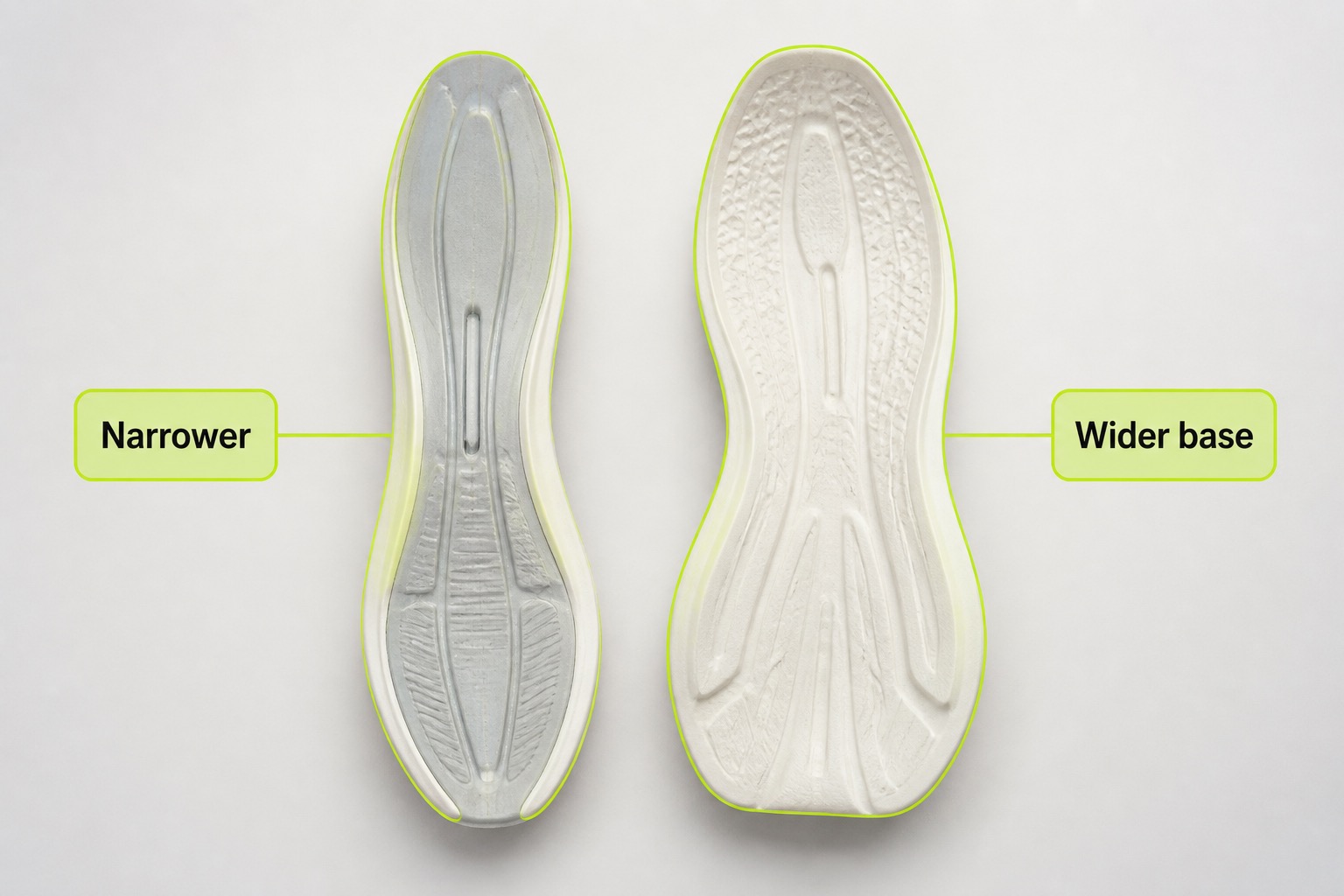
9How stability design has shifted
Educational stages — not a precise history of every brand.
1. Traditional
Clear medial posting and firmness differences were common primary tools.
- · Medial posts
- · Firmer medial foam
- · Obvious guidance feel
2. Transitional
Brands mixed posts with wider bases, rockers and early guidance frames.
- · Mixed tools
- · Broader platforms
- · Softer overall foams
3. Modern geometry-led
Many current shoes lean on geometry, sidewalls and guidance systems.
- · Sidewalls
- · Guidance rails
- · Rocker shaping
- · Less intrusive posts
10How much stability do you need?
Stability is a spectrum. Some shoes offer subtle guidance; others are clearly support-focused. More stability is not automatically better — unnecessary control can feel restrictive if you prefer a freer ride.
Kitletics product specs use controlled stability values (for example neutral, mild-stability, stability). Those labels describe design intent from catalog data — they are not a clinical grading of your gait.
Start from comfort. If a guided shoe feels natural and secure for your easy miles, that is useful signal. If it feels forced or awkward, a milder or neutral option may suit you better — regardless of what a category page suggests.
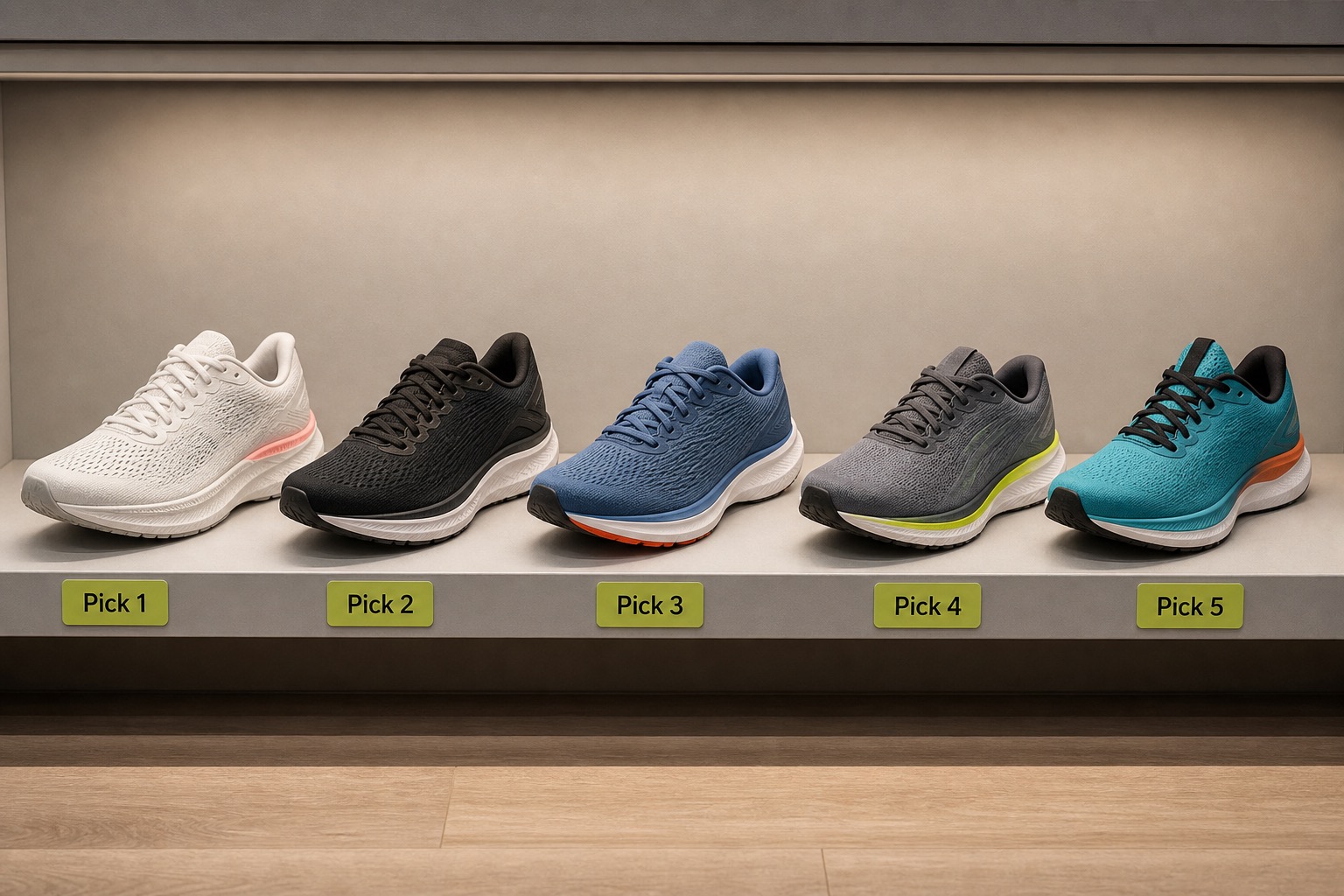
11Stability spectrum (catalog examples)

- GT-2000 14 · mild-stability
- Adrenaline GTS 25 · stability
- Structure Plus · stability
- GEL-Kayano 32 · stability
Positions reflect catalog stability classification and relative support positioning among current examples — not a clinical scale.
12Cushioning and stability
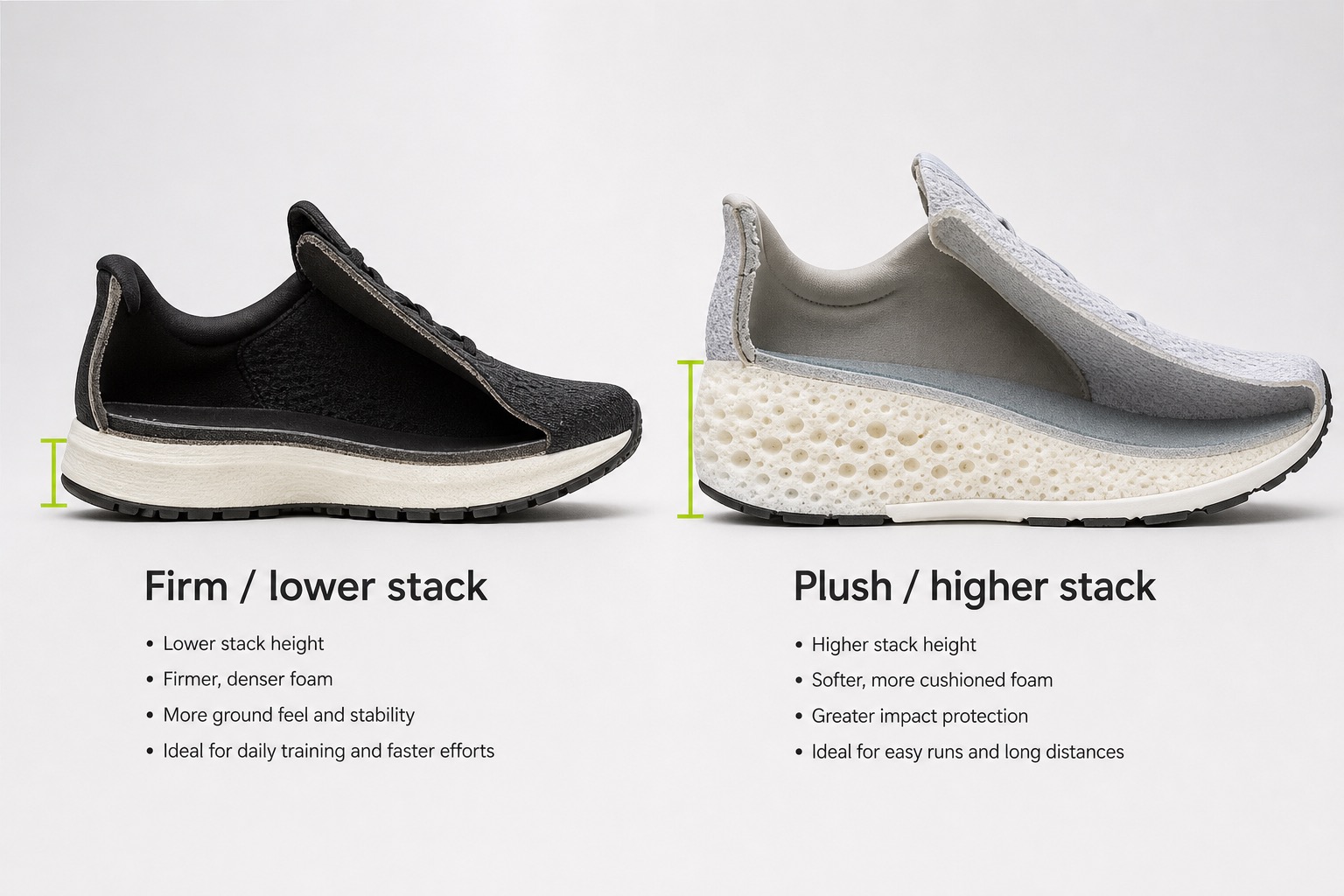
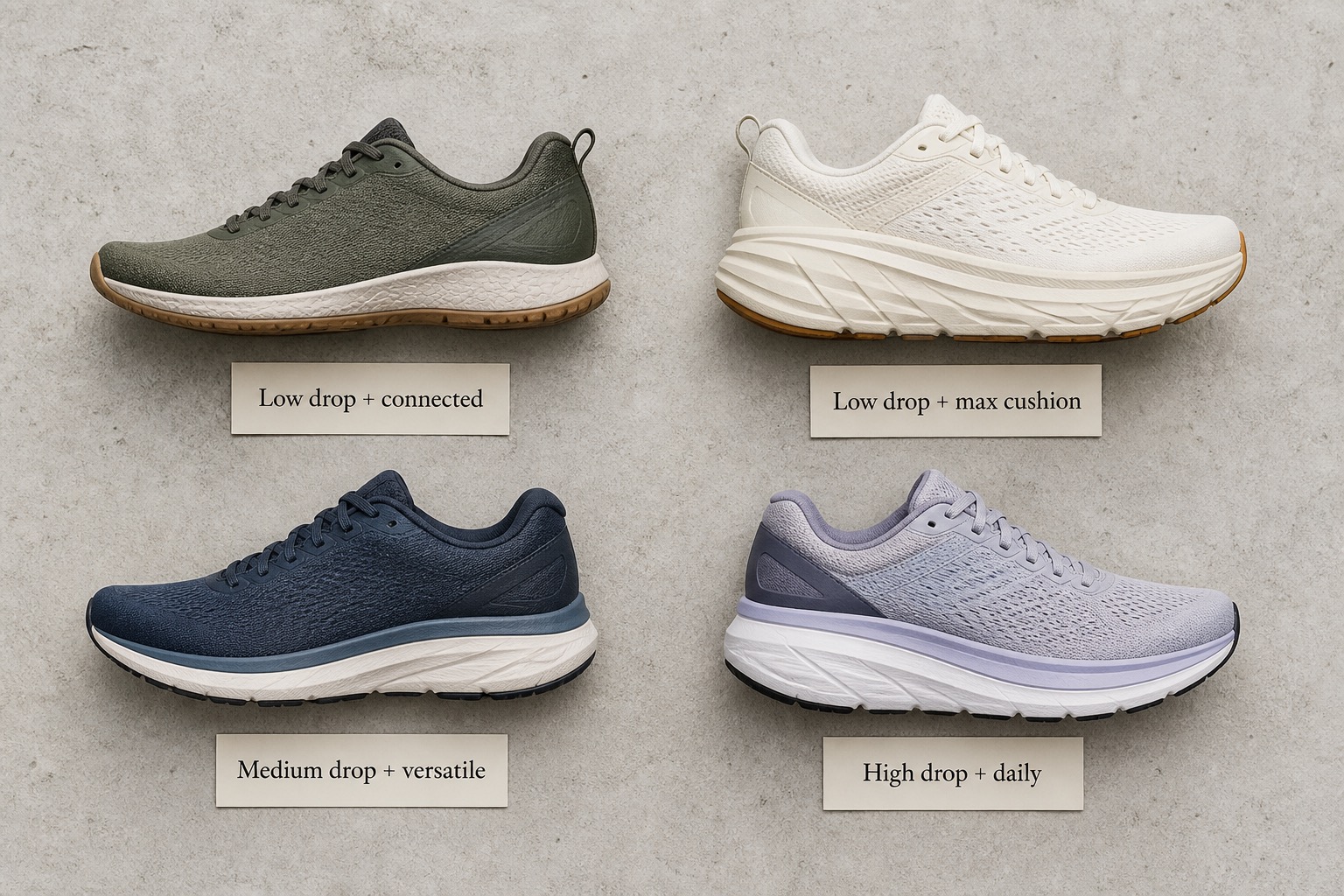
Cushioning and stability are separate dimensions. Soft foam is not automatically unstable; firm foam is not automatically stable. Geometry — base width, sidewalls, guidance structures — often determines how secure a soft shoe feels.
You will find max-cushion stability shoes (protective and guided), moderate-cushion daily stability trainers, and firmer guided platforms. Match both axes to how you train: long easy miles may favour plush + guided; mixed daily training may favour moderate cushion with approachable support.
13Cushion × guidance (illustrative)
Higher guidance ↑ · Lower cushion → Higher cushion
GT-2000 14
Medium cushion · mild-stability daily
View product →Adrenaline GTS 25
High cushion · GuideRails stability
View product →GEL-Kayano 32
Maximum cushion · support-focused
View product →Structure Plus
High cushion · stability chassis
View product →
Cell placement uses catalog cushioning and stability fields. Soft ≠ unstable; firm ≠ stable.
14Fit, width and platform geometry
Fit and stability interact. A guided midsole still fails if the upper pinches, the heel slips, or the toe box is wrong. Start with length, width and lockdown — then evaluate how the platform feels.
Official width options (narrow, wide, extra-wide) are about upper volume and last. They are not the same as a wide midsole platform. A shoe can offer a 2E upper while still having a relatively narrow foam base — or the reverse.
When comparing, check both: available width SKUs on the product page, and descriptions of base geometry or stability approach. Runners with wider feet often benefit from brands with a full width ladder (many ASICS and Brooks stability models do), but always confirm the specific generation.

15Stability shoes for different types of running
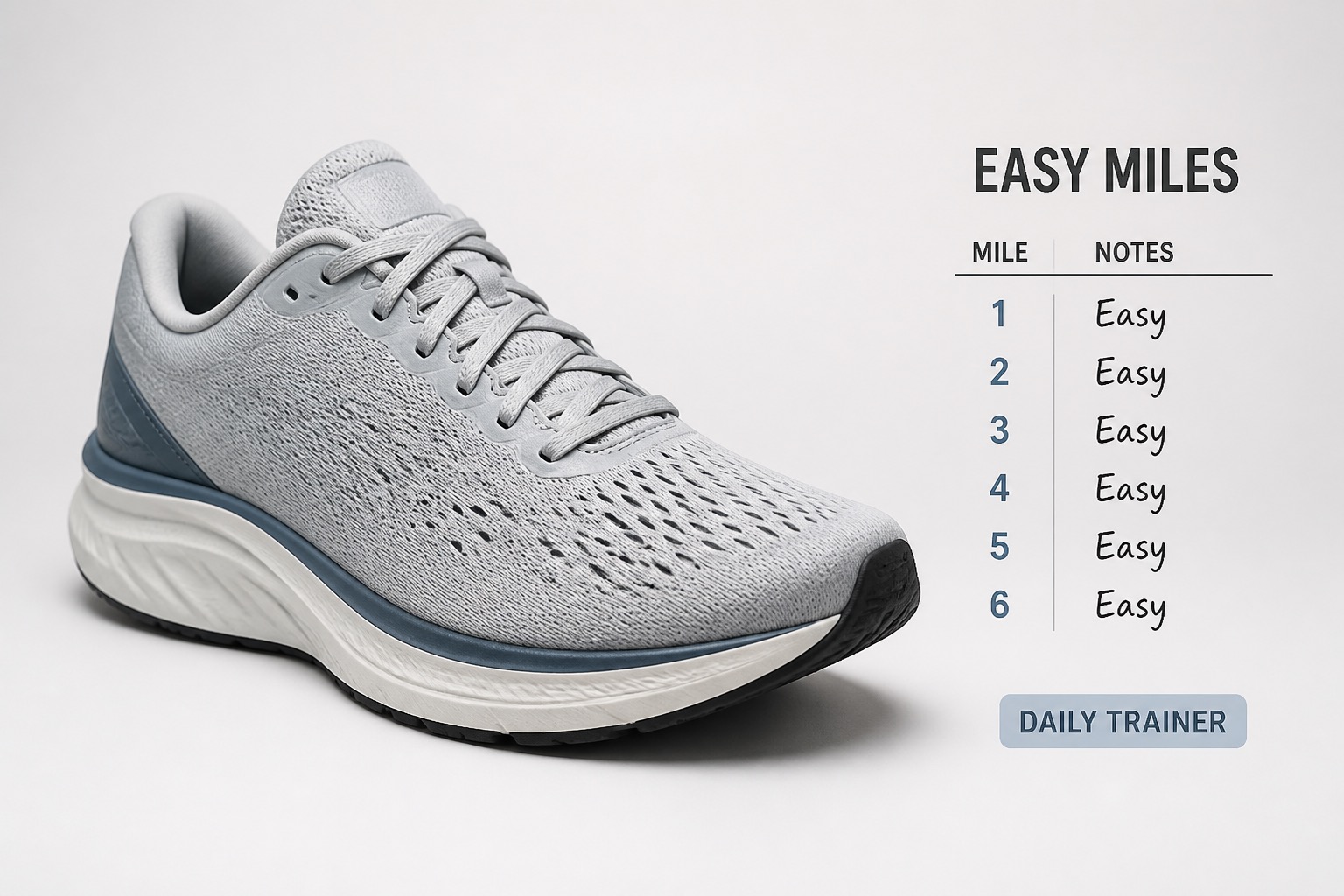
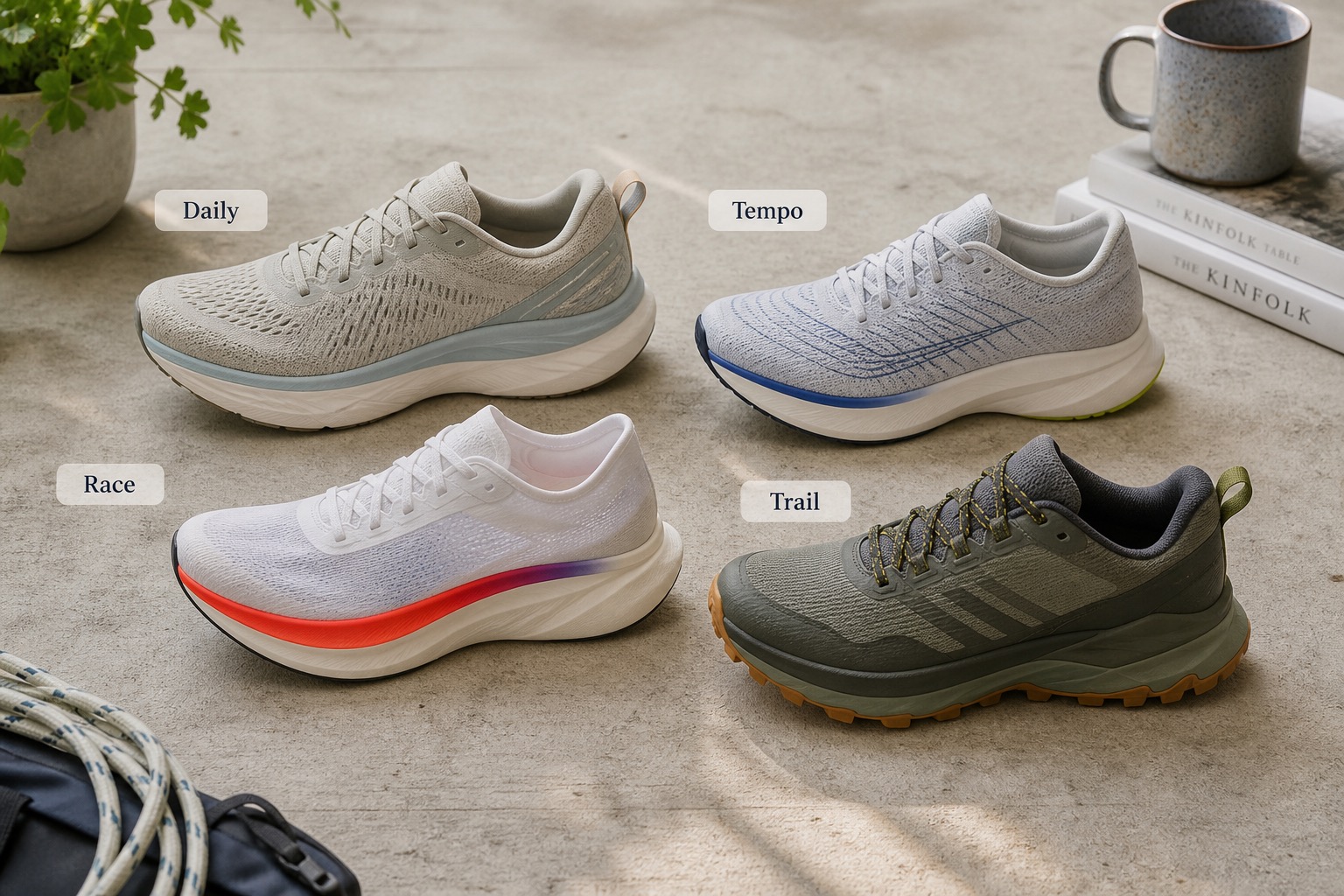
Stability designs are most commonly used for daily training, easy runs and longer easy volume — sessions where comfort and a secure platform matter more than minimal weight. That does not mean every easy run requires stability.
For tempo and race efforts, dedicated support-oriented race tools are less common. Some runners still prefer a mild stability daily for controlled faster work; others switch to a neutral tempo or race shoe. Match the shoe to the session and how the platform feels at that pace.
16Session context
- 1
Daily training
A natural fit for many support-oriented trainers — regular mileage where guided comfort matters.
Explore → - 2
Easy & recovery
Secure platforms and protective cushion often pair well with easy-day volume.
Explore → - 3
Long runs
Comfort, platform stability and fit become especially important as time on feet increases.
Explore → - 4
Tempo / faster work
Lighter, less intrusive guidance can matter more; many runners use a separate speed shoe.
Explore → - 5
Racing
Dedicated stability race options are uncommon. Selection depends on catalog models and personal preference.
Explore → - 6
Treadmill
Road stability dailies generally transfer well indoors; prioritise fit and breathability.
17Trade-offs of stability shoes
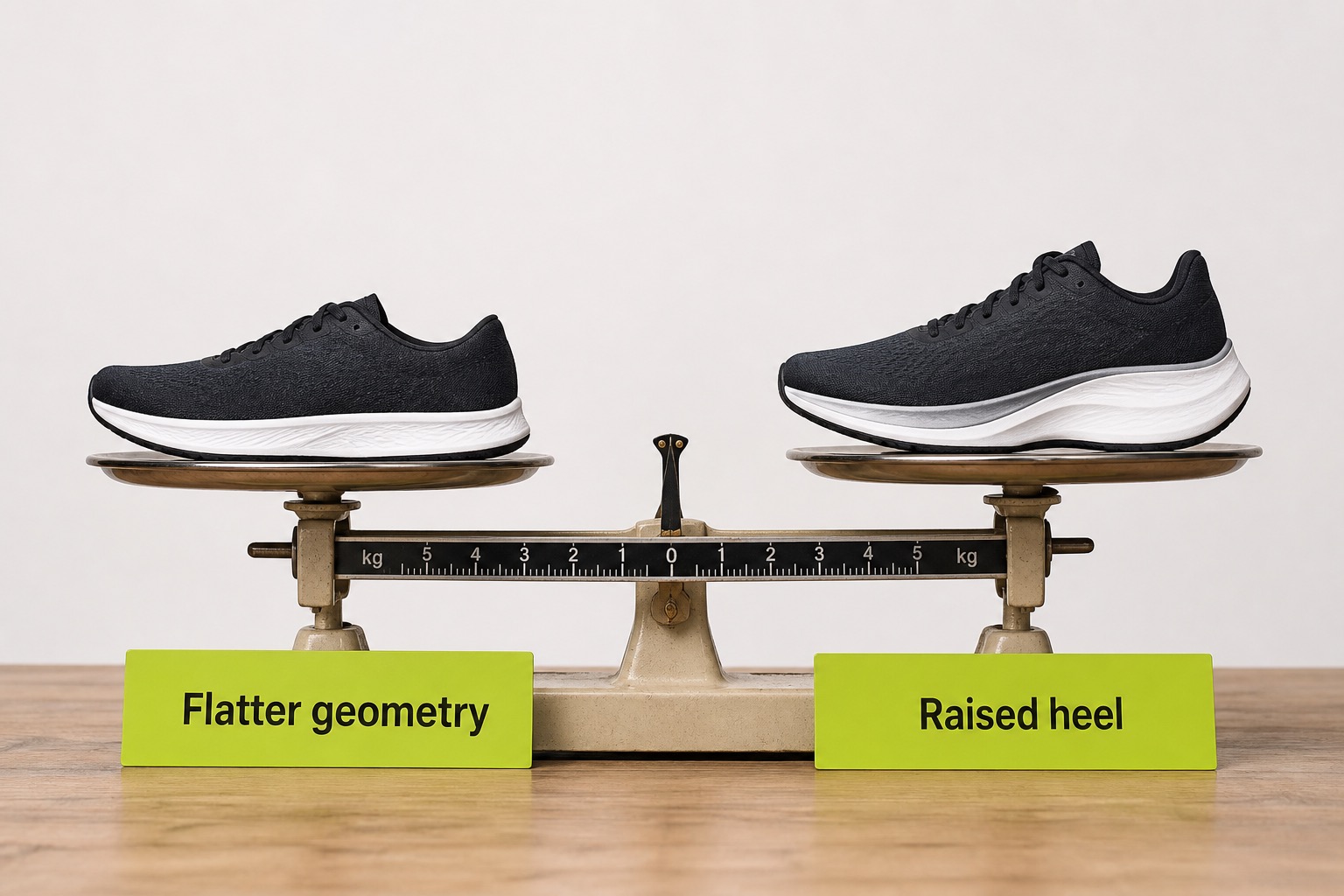
Choosing a guided platform can mean giving something up. Extra structure may add weight. The ride can feel less free or less flexible. Some runners find high-support shoes less enjoyable for faster efforts.
These trade-offs are contextual. A max-cushion stability shoe that feels perfect for Sunday long runs may be the wrong tool for Tuesday intervals — and that is fine. Rotation exists for a reason.
18What you may gain — and give up
What you may gain
- · A more guided or secure platform feel
- · Geometry that feels planted on soft foam
- · Support-oriented options with strong width ladders (model-dependent)
- · Clear daily/easy-run role in a multi-shoe rotation
What you may give up
- · Some freedom of motion vs a freer neutral ride
- · Potentially higher weight for similar stack
- · Less ideal feel for pure speed preference (often)
- · Unnecessary control if you prefer neutral platforms
Not universal — compare specific models. Preference and fit outweigh category stereotypes.
19How to choose a stability shoe
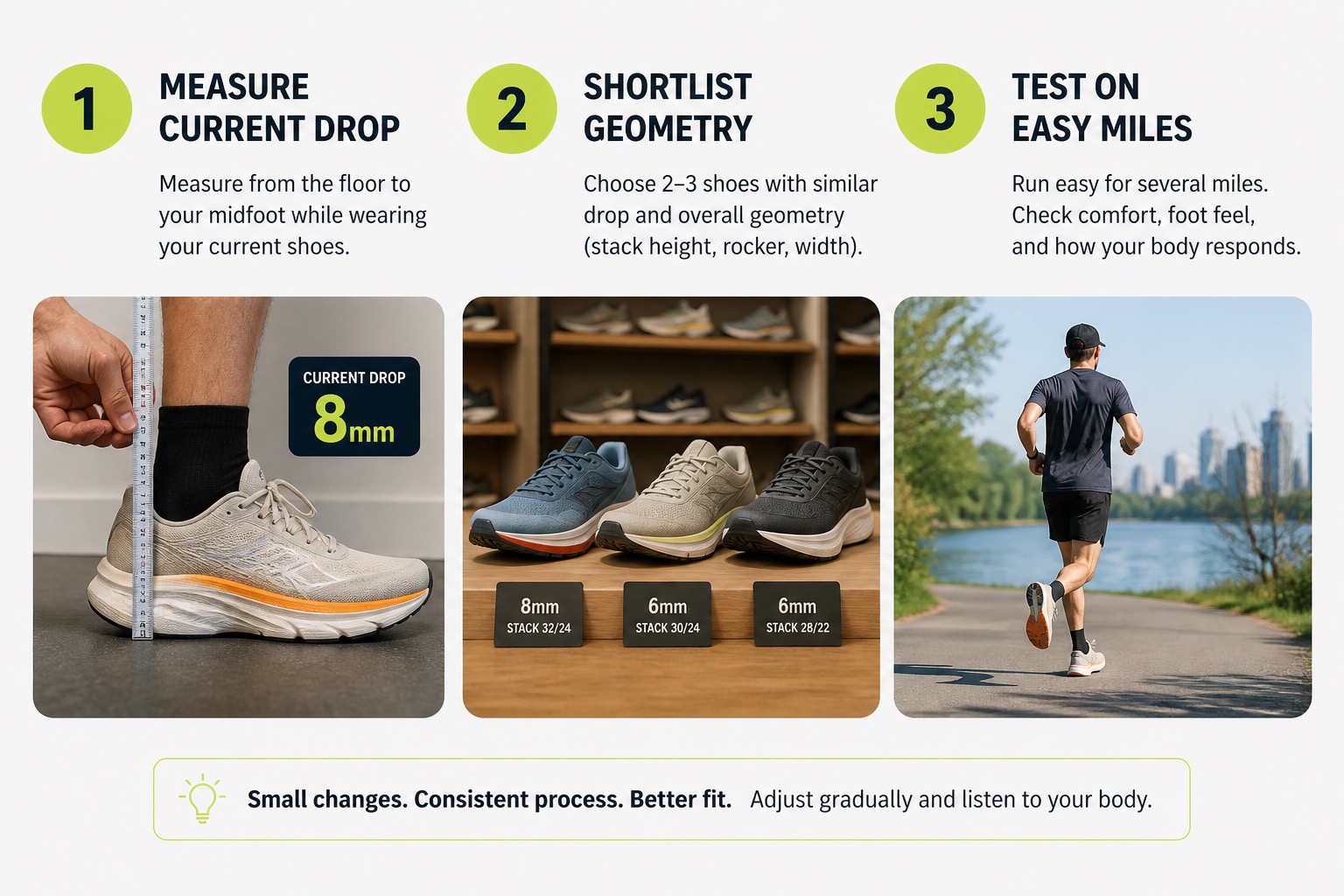
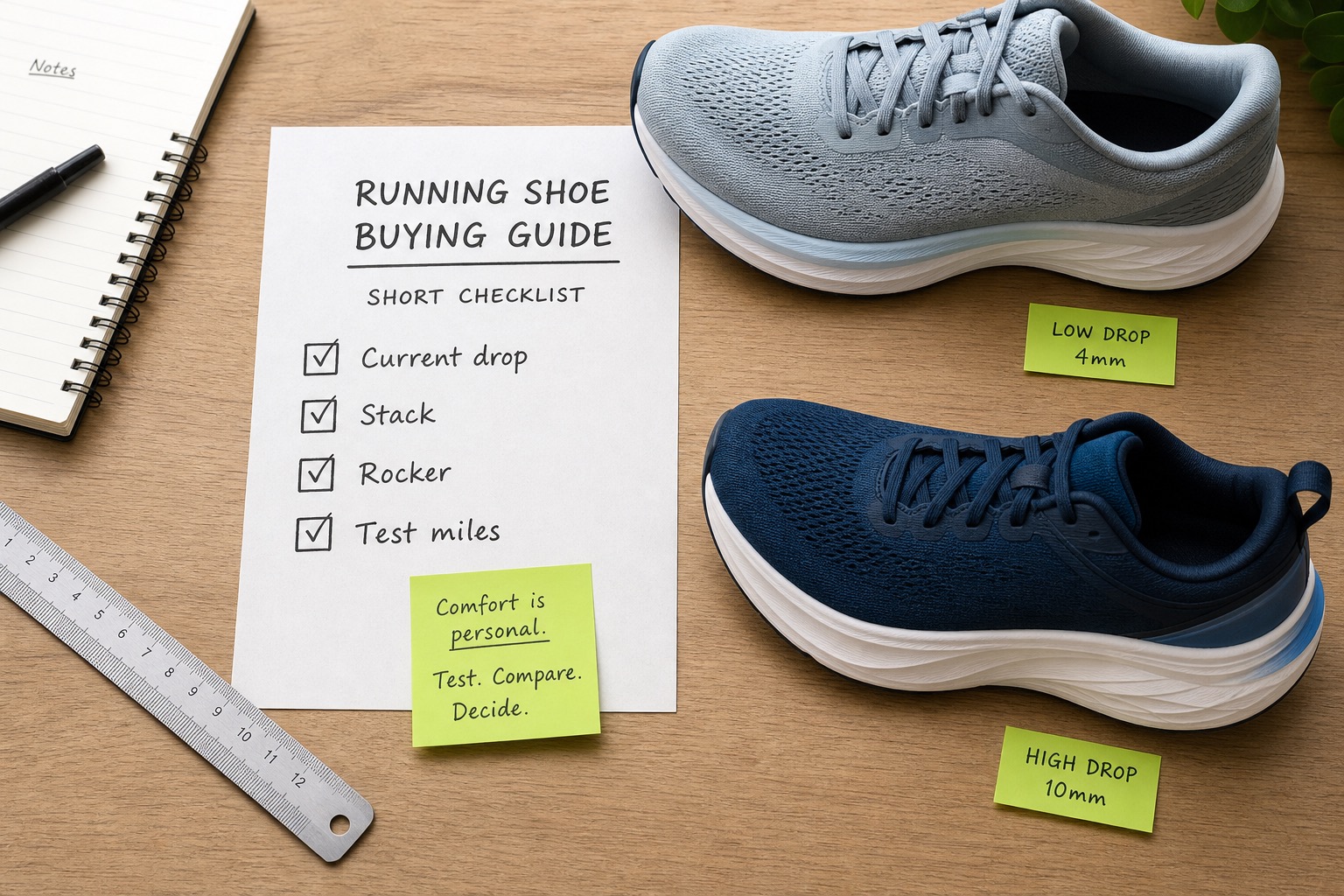
Treat selection as a decision process, not a label hunt. Comfort and fit come first. Stability preference comes second. Training use, cushioning, width and pace character follow. Then compare shortlisted models on specs and ride descriptions — and use the Finder if you want a structured shortlist.
20A practical decision process
- 1
Start with comfort and fit
Length, width and heel lockdown beat any support marketing claim.
- 2
Decide guided vs freer preference
Do you want a more secure platform, or a freer neutral feel? If unsure, compare one of each.
- 3
Match the shoe to your training
Daily/easy/long volume favour comfort-oriented stability; speed work may need a different tool.
- 4
Choose cushioning level
Maximum, high or medium cushion — independent of how much guidance you want.
- 5
Check width and platform
Confirm official widths and remember: upper width ≠ midsole platform width.
- 6
Consider weight and pace
Heavier guided shoes can be excellent for easy miles and less ideal for workouts.
- 7
Compare closest options
Use side-by-side specs: stability classification, cushion, drop, widths, midsole approach.
- 8
Use the Finder if unsure
The Running Shoe Finder considers use, terrain, fit, cushion and support preference — not a medical gait exam.
Do you already know you prefer extra support?
Yes
Evaluate stability shoes that match your cushion and width needs.
Not sure
Prioritise fit/comfort and compare a neutral option alongside a mild or moderate stability shoe.
Mostly easy / long
Emphasise cushioning, platform security and fit for time on feet.
Includes faster work
Consider milder guidance or a separate speed shoe rather than forcing max support into every session.
21Examples of different stability approaches
These are current catalog examples that illustrate different approaches — not an automatic “best of” ranking. For curated awards, see Best Stability Running Shoes.
Higher-support / max-cushion example
8.7 Kitletics Score
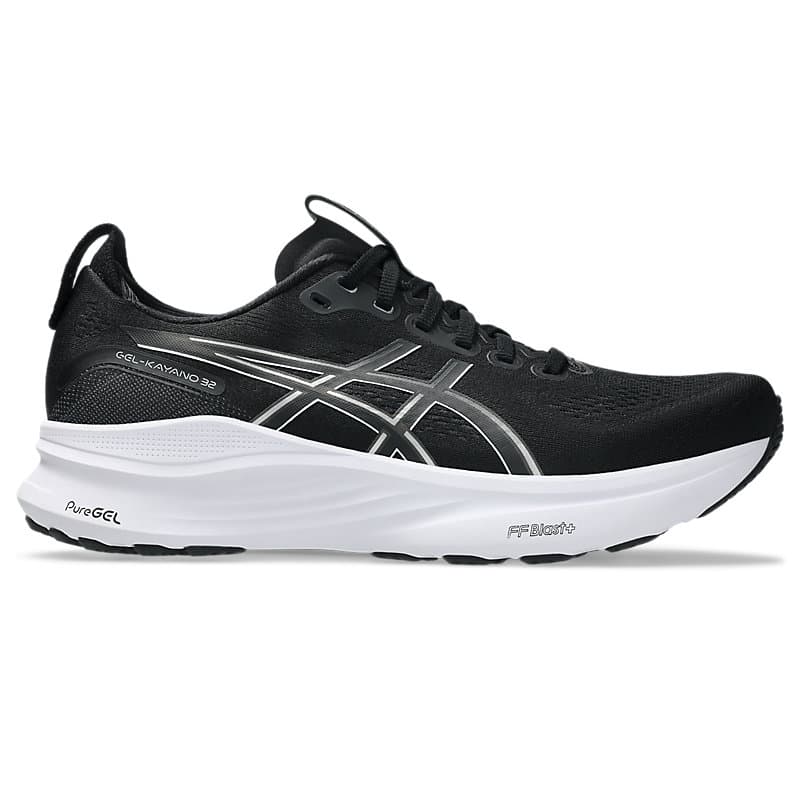
ASICS GEL-Kayano 32
Why it illustrates the category: Pairs maximum cushioning with ASICS 4D GUIDANCE SYSTEM for a clearly support-oriented daily and long-run platform, plus a wide width ladder.
Best for
- · Easy and long volume
- · Runners wanting plush + guided
- · Width-sensitive fit
Trade-off
Heavier and less lively than neutral dailies or milder stability shoes — not built for fast intervals.
Read review →From € 190GuideRails daily stability example
8.4 Kitletics Score
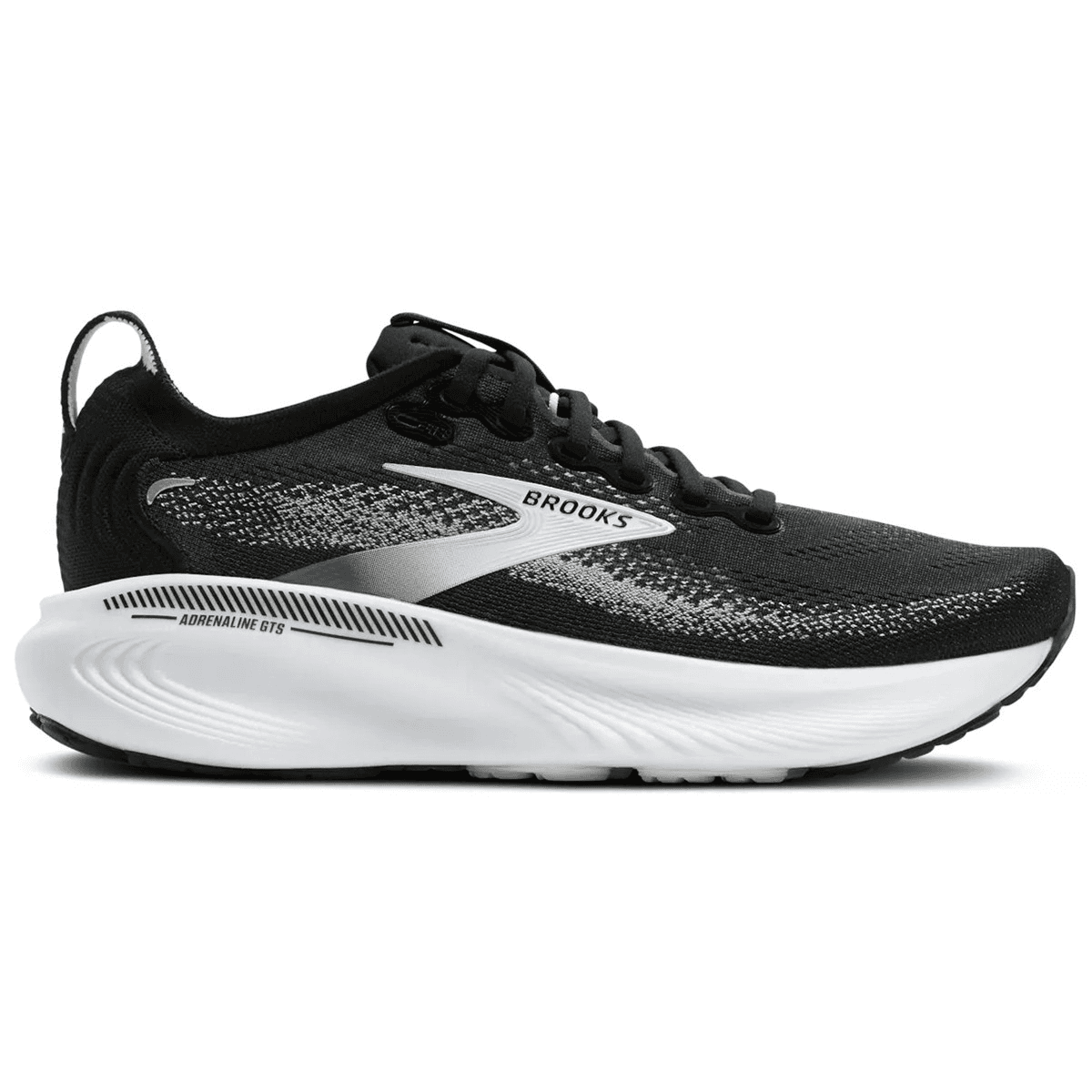
Brooks Adrenaline GTS 25
Why it illustrates the category: Brooks GuideRails approach with high cushion and an extensive width range — a classic daily stability trainer role.
Best for
- · Daily training
- · Runners who like GuideRails feel
- · Wide / extra-wide needs
Trade-off
Higher drop and a controlled ride that may feel less free for speed-focused preferences.
Read review →From € 150Milder / approachable stability example
7.9 Kitletics Score
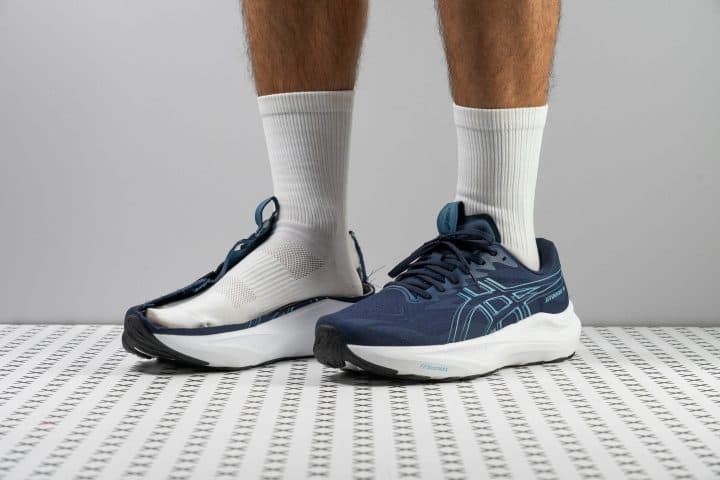
ASICS GT-2000 14
Why it illustrates the category: Catalog mild-stability classification with medium cushion — useful when you want guidance without a max-support package.
Best for
- · Everyday stability at moderate cushion
- · Value-focused stability shopping
- · Milder guidance preference
Trade-off
Less plush protection than Kayano-class max-cushion stability.
Read review →From € 160Higher-spec stability chassis example
8.2 Kitletics Score
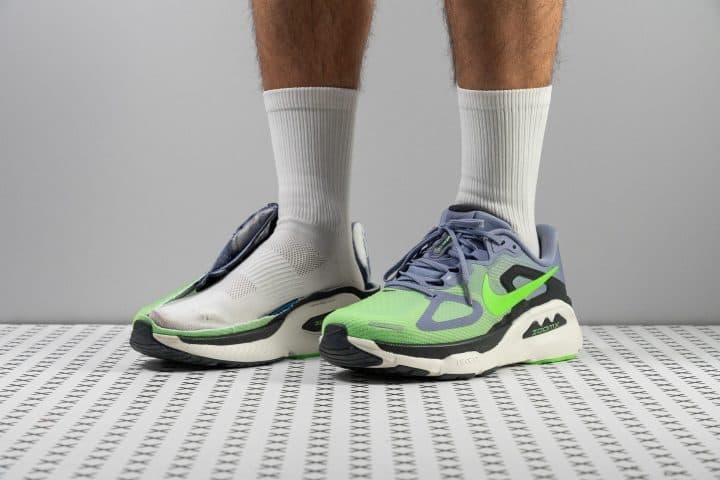
Nike Structure Plus
Why it illustrates the category: Nike Structure Plus pairs support geometry with more responsive high cushioning for runners who want guided miles with a livelier foam story.
Best for
- · Daily and longer guided miles
- · Runners wanting responsive + support
Trade-off
Narrower official width story than Brooks/ASICS ladders in this set; confirm fit carefully.
Read review →From € 150
22How current stability shoes differ
| Product | Support approach | Cushion | Drop | Widths | Best use | Key trade-off |
|---|---|---|---|---|---|---|
ASICS GEL-Kayano 32 stability | FF BLAST PLUS ECO + PureGEL + 4D GUIDANCE SYSTEM | maximum | 10 mm | narrow, standard, wide, extra-wide | Max-cushion stability | Heavier than neutral daily trainers |
Brooks Adrenaline GTS 25 stability | DNA LOFT v3 + GuideRails | high | 12 mm | narrow, standard, wide, extra-wide | GuideRails daily | Higher drop |
ASICS GT-2000 14 mild-stability | FF BLAST PLUS ECO + 3D GUIDANCE SYSTEM | medium | 8 mm | standard, wide, extra-wide | Milder stability | Less plush than Kayano |
Nike Structure Plus stability | ZoomX / ReactX with support chassis | high | 10 mm | standard | Responsive stability | Higher price than Structure 26 |
23Common mistakes
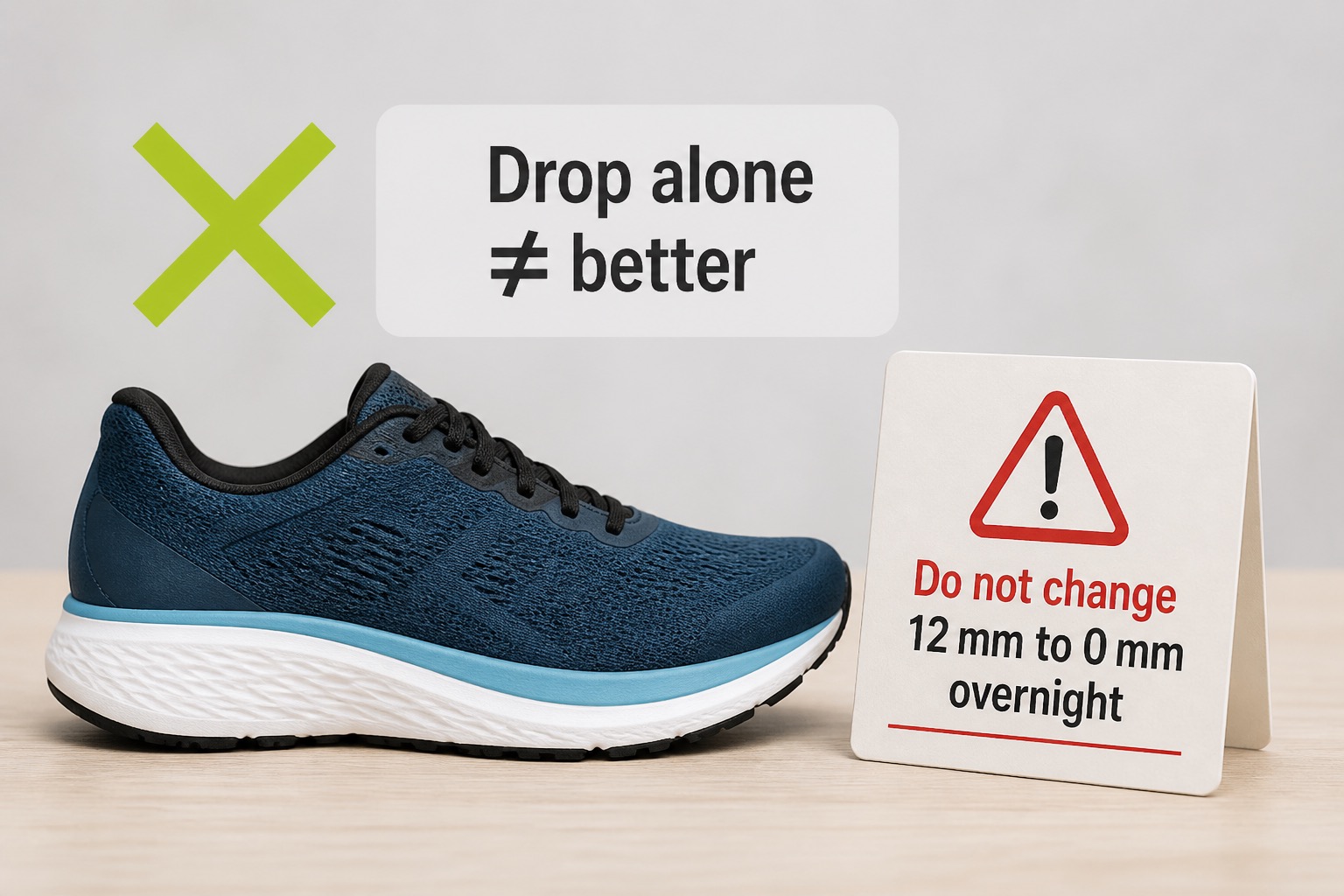
Choosing only from the word “stability”
Category labels hide big differences in cushion, weight and guidance style. Compare the actual model.
Ignoring fit
Support cannot rescue a poor length, width or heel lock. Fit first.
Assuming more support is always better
Unnecessary guidance can feel restrictive. Preference and comfort matter.
Using product marketing as a diagnosis
Brand copy is not a gait analysis. Seek clinical advice for pain or injury concerns.
Ignoring cushioning and ride
Two stability shoes can feel completely different underfoot. Soft vs firm still matters.
Buying on Score alone
Kitletics Score is not a personal match and does not measure “how much stability.”
Ignoring what runs you do
Easy-volume stability tools are often poor substitutes for speed shoes — and vice versa.
24Frequently asked questions
- Do stability shoes fix overpronation?
- Stability shoes provide guided platforms for runners who prefer support-oriented designs. They are not a diagnosis or guaranteed injury fix — seek clinical advice when needed.
- What is a stability running shoe?
- A stability running shoe is designed to create a more guided or secure platform than a typical neutral trainer. Brands use geometry, sidewalls, guidance systems, medial structures or heel design — often combined. The label describes product design, not a medical requirement.
- Are stability shoes only for overpronators?
- No. Some runners simply prefer a more secure platform. Kitletics does not diagnose overpronation. If you have pain or injury concerns, a qualified clinician can help; do not treat brand marketing as a gait analysis.
- Can neutral runners wear stability shoes?
- Often yes, if the shoe feels comfortable and the guided ride is preferred. Some runners find high-support shoes restrictive. Comfort and fit matter more than the category name. Compare a mild-stability option if you want to try guidance without a max-support package.
- Do stability shoes prevent injury?
- No footwear category can promise injury prevention. Stability shoes change platform feel and guidance; they are not medical devices. Training load, recovery, surface and individual history matter more than a stability label alone.
- What is a medial post vs a guide rail?
- A medial post is denser material on the inner midsole — a traditional support tool. Guide rails and modern guidance systems are structures designed to influence motion, often without a classic dense post. Brands implement these differently; read the midsole description on the product page.
- Are max-cushion shoes stable?
- Not automatically. Softness and stability are separate dimensions. Some max-cushion shoes are neutral; others add guidance, sidewalls or broader platforms. Soft foam can feel tippy without supportive geometry — and firm foam is not automatically stable.
- Can I race in stability shoes?
- You can race in whatever is comfortable and race-legal for your event. Dedicated support-oriented race tools are uncommon. Many runners use a stability daily for easy miles and a separate neutral tempo or race shoe for faster efforts.
Examples of different stability approaches
Browse stability shoes →ASICS
GEL-Kayano 32
Max-cushion stability
8.7 Very GoodFrom € 190
View review →Brooks
Adrenaline GTS 25
GuideRails daily
8.4 GoodFrom € 150
View review →ASICS
GT-2000 14
Milder stability
7.9 SolidFrom € 160
View review →Nike
Structure Plus
Responsive stability
8.2 GoodFrom € 150
View review →
Head-to-head comparisons
Continue the decision with focused head-to-heads — who should choose which, and the trade-offs that matter.
How we research
This guide combines manufacturer technical descriptions, catalog specifications (stability, cushioning, widths, midsole) and independent specialist coverage. Product examples and comparison values are rendered from live catalog data — not hardcoded prices.