Expert Research Review
Salomon Pulsar Trail 2 Review
Editorial desk · 1 February 2026
Review type
How we assessed this product
How we assessed this product: published specs, catalog comparisons, and editorial research — not hands-on testing unless the page says otherwise.

Review summary
Responsive Energy Foam trail shoe for faster efforts on rolling and technical trails. Here's a practical take on the Salomon Pulsar Trail 2 — what it's for, who it suits, and when to pick something else. I'd shortlist it if you want faster trail ride or good grip on varied terrain. Skip it if less max cushion than Speedgoat or precision fit may not suit wide feet is most of your week. Salomon Pulsar Trail 2 is a race-trail shoe.
Responsive Energy Foam trail shoe for faster efforts on rolling and technical trails. I'd shortlist it for faster trail ride. The trade-off is less max cushion than Speedgoat — HOKA Speedgoat 6 is the cleaner compare when that is most of your week. It fits buyers who actually need a race-trail shoe, not a one-product rotation.
The bottom line
Salomon Pulsar Trail 2 is a race-trail shoe. Responsive Energy Foam trail shoe for faster efforts on rolling and technical trails. I'd shortlist it for faster trail ride. The trade-off is less max cushion than Speedgoat — HOKA Speedgoat 6 is the cleaner compare when that is most of your week. It fits buyers who actually need a race-trail shoe, not a one-product rotation.
Fit / sizing. Sold in Men + Women sizing. This review is research-based, not a first-hand wear test of a specific Men’s or Women’s last — confirm fit on the product page. Catalog weights are usually a Men’s US 9 reference unless a Women’s weight is verified; we do not invent Women’s figures.
Who this review is for
Who it's not for
- Those looking for less max cushion than Speedgoat.
- Those looking for road daily, not trail geometry.
- Those looking for HOKA Speedgoat 6 when a race-trail shoe is not the weekly job.
- Those looking for Precision fit may not suit wide feet.
Pros
- Good grip on varied terrain
- medium cushioning for the sessions it was built for
Cons
- Less max cushion than Speedgoat
- Precision fit may not suit wide feet
How it scores
How we scoreScores are out of 10 for this product’s job — not a claim it wins every category. Each note below is about this product, not a generic glossary.
Cushioning
Ride
Comfort
Stability
Durability
Value
What these scores mean
Cushioning
8.1/10
Good
Softness and protection underfoot for the miles this shoe is built for.
Good here because medium cushioning for the sessions it was built for is the main job. Trade-off: less max cushion than Speedgoat — keep workouts in a snappier shoe.
Ride
8.2/10
Good
How it feels once you are moving — smooth, soft, lively, or firm.
Good ride for the sessions this shoe is meant to cover. Match it to easy miles; do not expect race-day pop.
Comfort
7.9/10
Good
Everyday fit comfort in the sessions this shoe is meant for.
Good everyday comfort if the last already suits you. Precision fit may not suit wide feet — wide feet should try a brand with a real width ladder.
Stability
8.0/10
Good
How planted it feels — neutral daily versus guidance/support.
Good stability for its category role.
Durability
8.2/10
Good
How the foam, upper and outsole are likely to hold up with real use.
Soft dailies usually fade in the foam before the upper looks worn — rotate when you can. Retire it when the ride goes dead, not when the colourway still looks fine.
Value
7.8/10
Good
Whether the strengths are worth the price for how often you will use them.
Good value if the shoe's main job matches your week. Check live street price; skip it if a cheaper peer covers the same sessions.
How we wrote this review
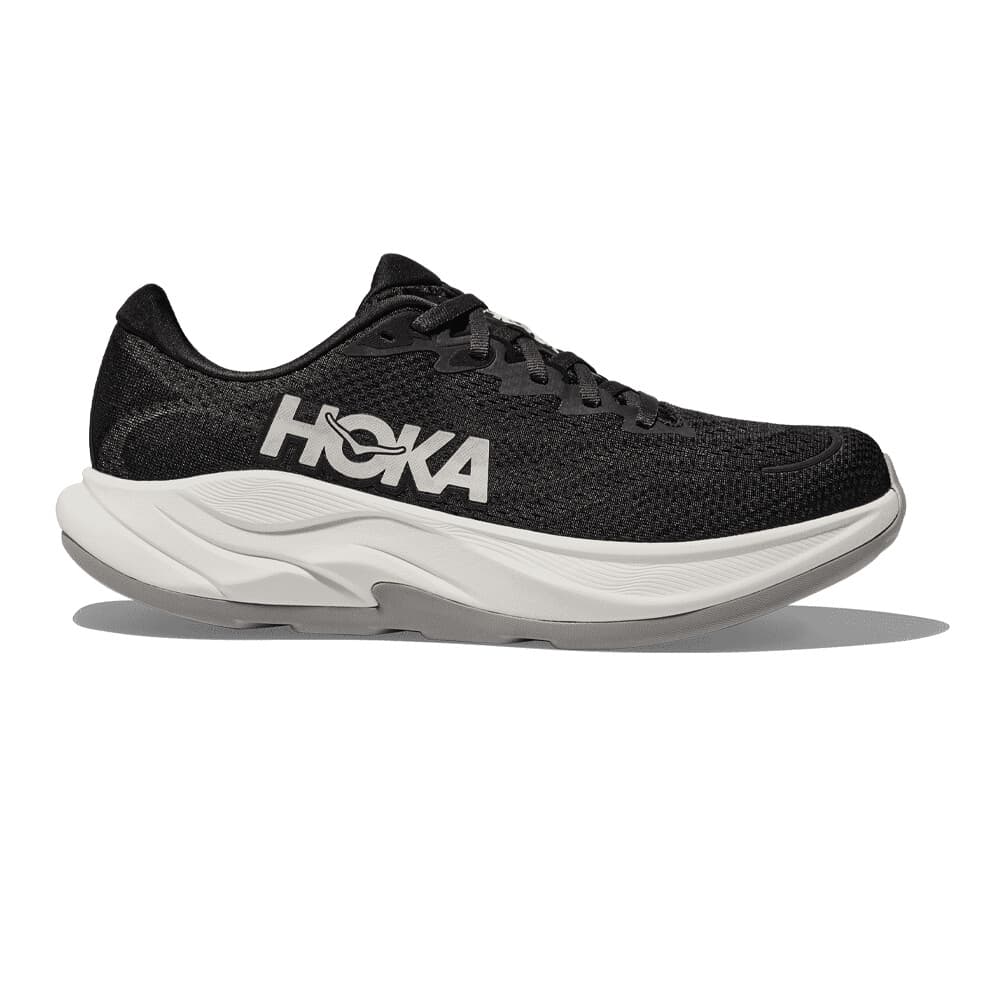
How we assessed the Salomon Pulsar Trail 2: Expert Research from published manufacturer specifications, the stated role, and similar products in the same job. We have not personally tested this product unless a first-hand section says otherwise. Scores help you decide; affiliate links do not change the verdict.
Fit / sizing. Sold in Men + Women sizing. This review is research-based, not a first-hand wear test of a specific Men’s or Women’s last — confirm fit on the product page. Catalog weights are usually a Men’s US 9 reference unless a Women’s weight is verified; we do not invent Women’s figures.
We start with the numbers that shape the buy — weight, stack, drop, surface intent, stability class and materials — then place the product against alternatives that solve a similar job. Feel claims only show up when the sources support them.
Sources used for this review
- Manufacturer specifications
- Editor comparison
What it is
Responsive Energy Foam trail shoe for faster efforts on rolling and technical trails. Salomon Pulsar Trail 2 is built for a specific job in the category — use that job as your first filter. I'd shortlist it when you want faster trail ride or good grip on varied terrain. Skip it if less max cushion than Speedgoat or precision fit may not suit wide feet is most of your week. Bottom line: Responsive Energy Foam trail shoe for faster efforts on rolling and technical trails. I'd shortlist it when you want faster trail ride. Skip it if less max cushion than Speedgoat is most of your week.
Key specs
Here are the numbers that matter for the Salomon Pulsar Trail 2: • Weight: 270 g • Drop: 6 mm • Heel Stack: 33 mm • Forefoot Stack: 27 mm • Cushion Level: medium • Stability: neutral • Terrain: trail • Width Options: standard • Grip: aggressive-trail • Plate: No • Plate Material: none • Upper: Matryx / engineered mesh Weight and stack shape how protective or lively a shoe feels; drop and geometry change the transition; stability and terrain labels tell you the intended job; width options change who can wear it. For watches and other gear, treat battery, sensors and materials the same way — as filters, not the whole story. Specs will not tell you blister risk, late-run foam feel or whether a guidance system suits your gait. Try before you commit when you can, or buy somewhere returns are easy.
Fit & Comfort
If you already run in Salomon dailies, start with your usual length in the Salomon Pulsar Trail 2 and judge width and volume on an easy jog — not standing still in the shop. Width is standard only. That suits average-to-narrow feet who already like this brand’s last. If you need wide or extra-wide, Brooks (Ghost/Glycerin/GTS) or other brands with a real width ladder are clearer picks than hoping this mesh stretches. Neutral last — no medial post. It suits runners who already like neutrals and want comfort for easy/long road miles, not race lockdown. The upper is matryx / engineered mesh. Expect familiar lockdown if you know this brand’s trainers; lace for easy miles first, then check heel slip and toe-box pressure. Best fit match: average-volume feet on easy and recovery days. Less ideal: wide forefeet needing 2E/4E, very high insteps that fight a snug midfoot, or anyone shopping one shoe for both easy miles and race-day snugness. Fit caveats to take seriously: precision fit may not suit wide feet. Wear the socks you train in. If heel slip or hot spots show up in the first easy session, change size/width or last — do not hope break-in will rewrite the shoe.
Cushioning
Cushioning on the Salomon Pulsar Trail 2 is tuned for its daily role first. Match that lane to your week before you buy on foam names alone. On the numbers: Energy Foam foam, 33 mm heel / 27 mm forefoot, 6 mm drop. If your week is mostly easy miles, prioritise protection. If your week is workouts and races, a firmer or plated shoe usually fits better. The flip side: less max cushion than Speedgoat. If you want pop for intervals, pick a different cushioning lane instead of forcing this foam to go fast. Heel strikers and runners who want soft landings on tired legs usually like this brief. Forefoot strikers who want ground feel, and anyone doing weekly speed work in one shoe, often will not. New to tall soft stacks? Use easy days first. The platform can feel tippier or less precise until your legs adapt — then decide if the plushness is worth it for your long runs.
Ride
How the Salomon Pulsar Trail 2 rides should match the sessions you will wear it for most weeks. Underfoot: character is responsive; noticeable bounce when you open the pace; moderate flexibility; 6 mm drop shaping the heel-to-toe transition; no plate. That lines up with its main job: faster trail ride. Match the ride to your week. Crossing lanes without a reason is how people end up with a closet of almost-right shoes. Where the ride frustrates people: less max cushion than Speedgoat or precision fit may not suit wide feet. 6 mm drop is familiar for many road runners — it will not feel like a zero-drop shoe, and it will not feel like an aggressive race geometry either.
Stability
The Salomon Pulsar Trail 2 is neutral — no guidance post or medial rail. It suits runners who already run happily in neutrals and want this shoe’s daily role. If a coach or clinician has you in guidance shoes, this is the wrong lane — look at Kayano, Adrenaline or Structure-class peers. Foot and style fit: average-volume neutral strikers on road easy days. Less ideal: runners who need medial support, wide feet in a standard-only width, or anyone who feels insecure on tall soft stacks at tired-end long-run pace. Only standard width. A wide foot on a tall soft stack often feels less secure than the “neutral” label suggests — try before you commit, or pick a brand with a real width ladder.
Upper & lockdown
The Salomon Pulsar Trail 2 uses matryx / engineered mesh. If you already like this brand’s dailies, lockdown should feel familiar once you lace for an easy run. Breathability is high — fine for most road weather; less of a winter boot, more of a training upper. Only standard width, so midfoot hold and toe-box volume matter more than the mesh marketing name. Wide forefeet should try on or look at a brand with 2E/4E options. Lockdown check: heel should stay put on strides, tongue should not dig, and the midfoot should feel secure without hot spots after 20–30 easy minutes. Race-snug is the wrong target for a soft daily. If heel slip or hot spots show up in the first easy session, size/width is wrong or this last is not for you — do not hope break-in will rewrite the upper.
Grip & outsole
The Salomon Pulsar Trail 2 is set up for trail. Buy it for those surfaces, not as a pure road daily. Outsole build: contagrip with a aggressive trail grip brief. On soft singletrack, lug bite and mud shedding matter more than smooth road pods. If most of your miles are asphalt, do not buy aggressive trail rubber you will never use. Where this outsole helps: good grip on varied terrain. For durability of grip, watch the heel and forefoot pods on abrasive city routes. Once the rubber is shiny and the shoe feels skittish on wet paint, it is time to retire or rotate — not when the upper still looks new.
Durability
I'd expect the Salomon Pulsar Trail 2 to hold up like a solid daily in its class if you stick to the surfaces it was built for. Trail rubber and lugs take the hit on rock and mud. Once the bite is gone or the foam feels dead underfoot, it is time. You are mostly watching contagrip contact zones and how protective the midsole still feels late in a long easy run. Practical plan: pair soft easy miles here with a firmer daily for mixed weeks. That is usually how you get good value and consistent feel from a plush shoe.
Where it is strongest
I'd buy the Salomon Pulsar Trail 2 when these outcomes match what you need most weeks: What it does well • Faster trail ride • Good grip on varied terrain The standout is faster trail ride. If that is your main weekly need, keep going. If not, check trade-offs and alternatives. Best for: You want faster trail ride as a weekly priority — that is the Pulsar Trail 2's main job; Most of your sessions line up with good grip on varied terrain more than an adjacent specialty role.
How it compares
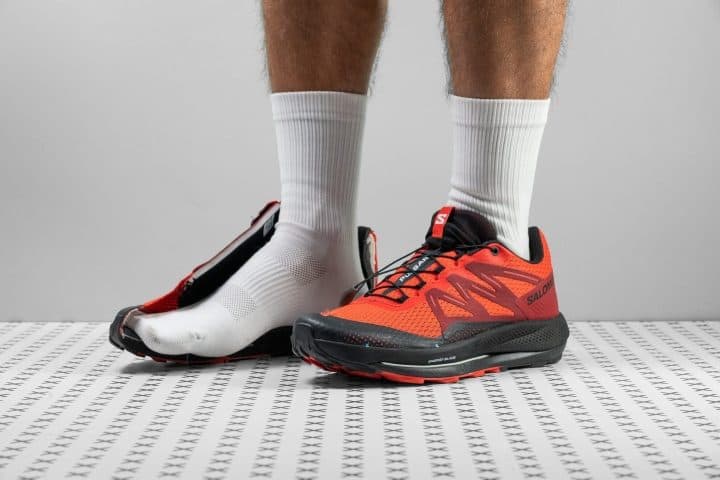 SalomonPulsar Trail 2
- Score
- 8.1
- Cushioning
- 8.1
- Ride
- 8.2
- Stability
- 8.0
- Weight
- 270 g
- Best for
- Faster trail ride
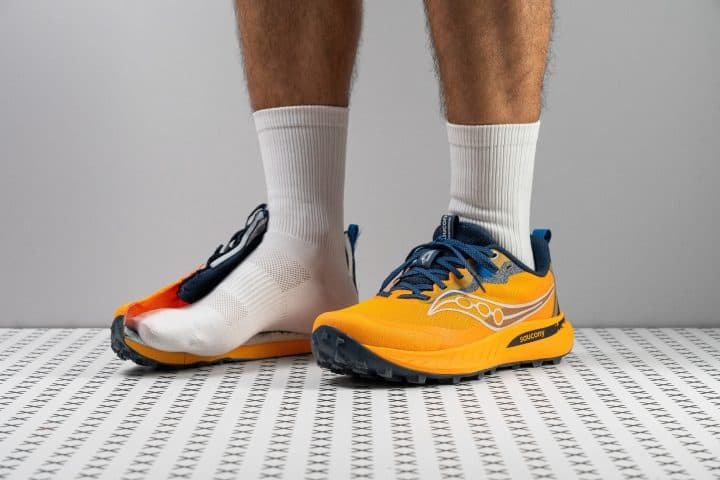 SauconyPeregrine 15
- Score
- 8.3
- Cushioning
- 7.8
- Ride
- 8.0
- Stability
- 8.2
- Weight
- 275 g
- Best for
- Confident muddy grip
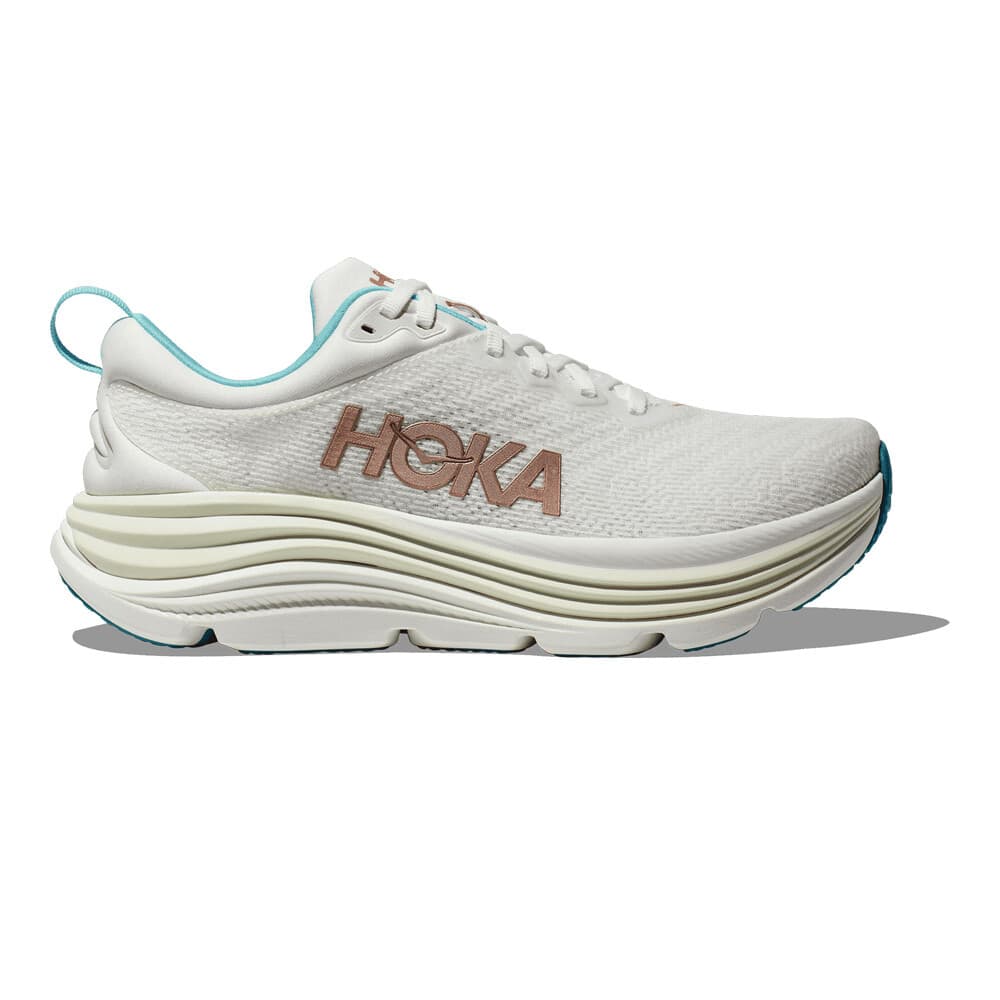 HOKASpeedgoat 6
- Score
- 8.7
- Cushioning
- 8.8
- Ride
- protective
- Stability
- mild-stability
- Weight
- 290 g
- Best for
- Excellent trail grip
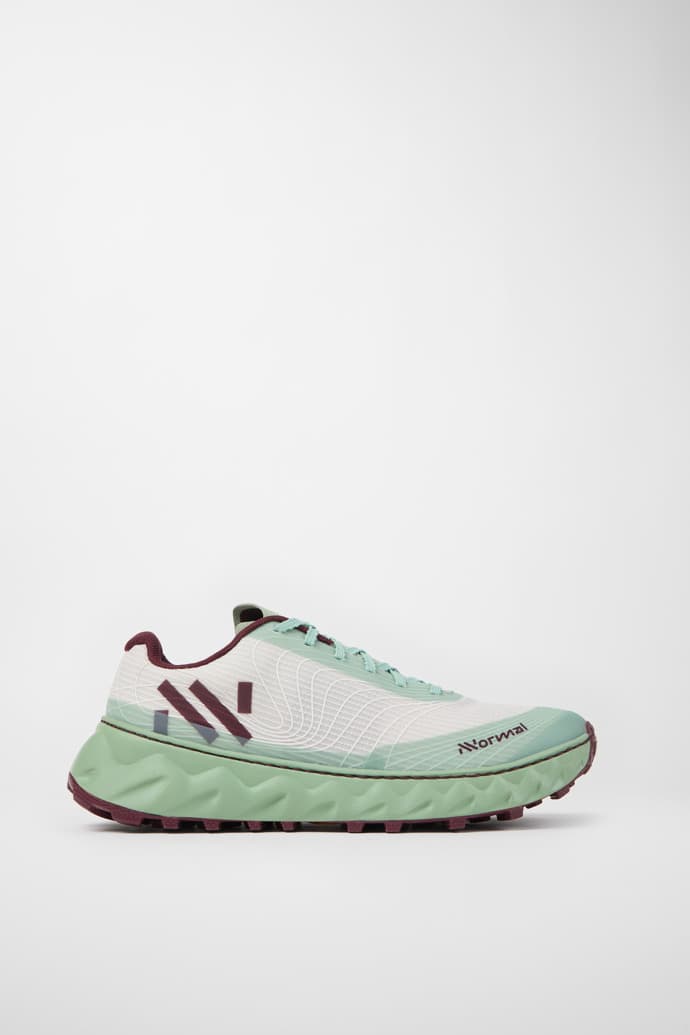 NNormalTomir 02
- Score
- 8.8
- Cushioning
- high
- Ride
- protective
- Stability
- mild-stability
- Weight
- 264 g
- Best for
- Protective 25/33 mm stack for long…
Keep reading
Specs and buy links live on the product page. Use the paths below when you want alternatives, head-to-heads, shortlists, or how-to choose frameworks.
Should you buy the Pulsar Trail 2?
Salomon Pulsar Trail 2 is a race-trail shoe. Responsive Energy Foam trail shoe for faster efforts on rolling and technical trails. I'd shortlist it for faster trail ride. The trade-off is less max cushion than Speedgoat — HOKA Speedgoat 6 is the cleaner compare when that is most of your week. It fits buyers who actually need a race-trail shoe, not a one-product rotation.
Buy if
Skip if
- You need to avoid less max cushion than Speedgoat.
- You're primarily looking for a road daily, not trail geometry.
- You prefer HOKA Speedgoat 6 when a race-trail shoe is not the weekly job.
About this review
- Type
- Expert Research Review
- Reviewer
- Kitletics Editorial
- Published
- 1 February 2026
- Updated
- 1 September 2026
- Verified
- 9 September 2026
No brand-supplied product or sponsored testing applied to this review unless stated. Affiliate availability does not affect scores or verdict.
Where to buy
Showing offers for Netherlands. Prices may change at the retailer.
Amazon.nl
in stockMarketplaceNLLast checked 12 September 2026€ 150View on Amazon
Kitletics may earn a commission when you buy through some retailer links. This does not affect our recommendations. Affiliate disclosure
Independent & Transparent
We don't sell gear. Guidance is independent, labelled honestly, and evidence-led.
Always Up to Date
Products, prices and new releases are continually reviewed.
Real Prices
Regional retailer offers with last-checked timestamps — not invented MSRP.
Find What Fits You
Smart tools match gear to your sport, goals and budget.