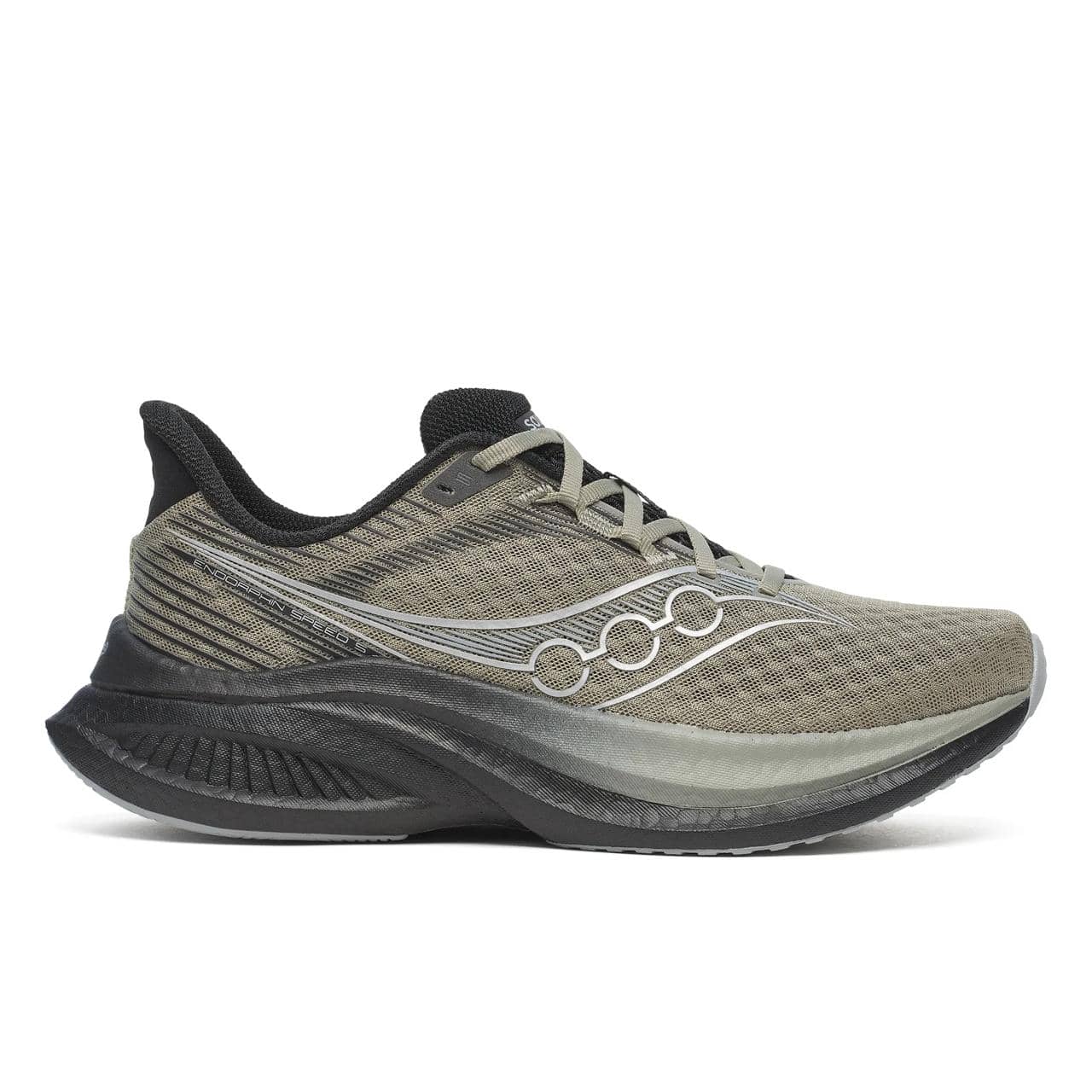
BEST TEMPO HYBRIDTempo
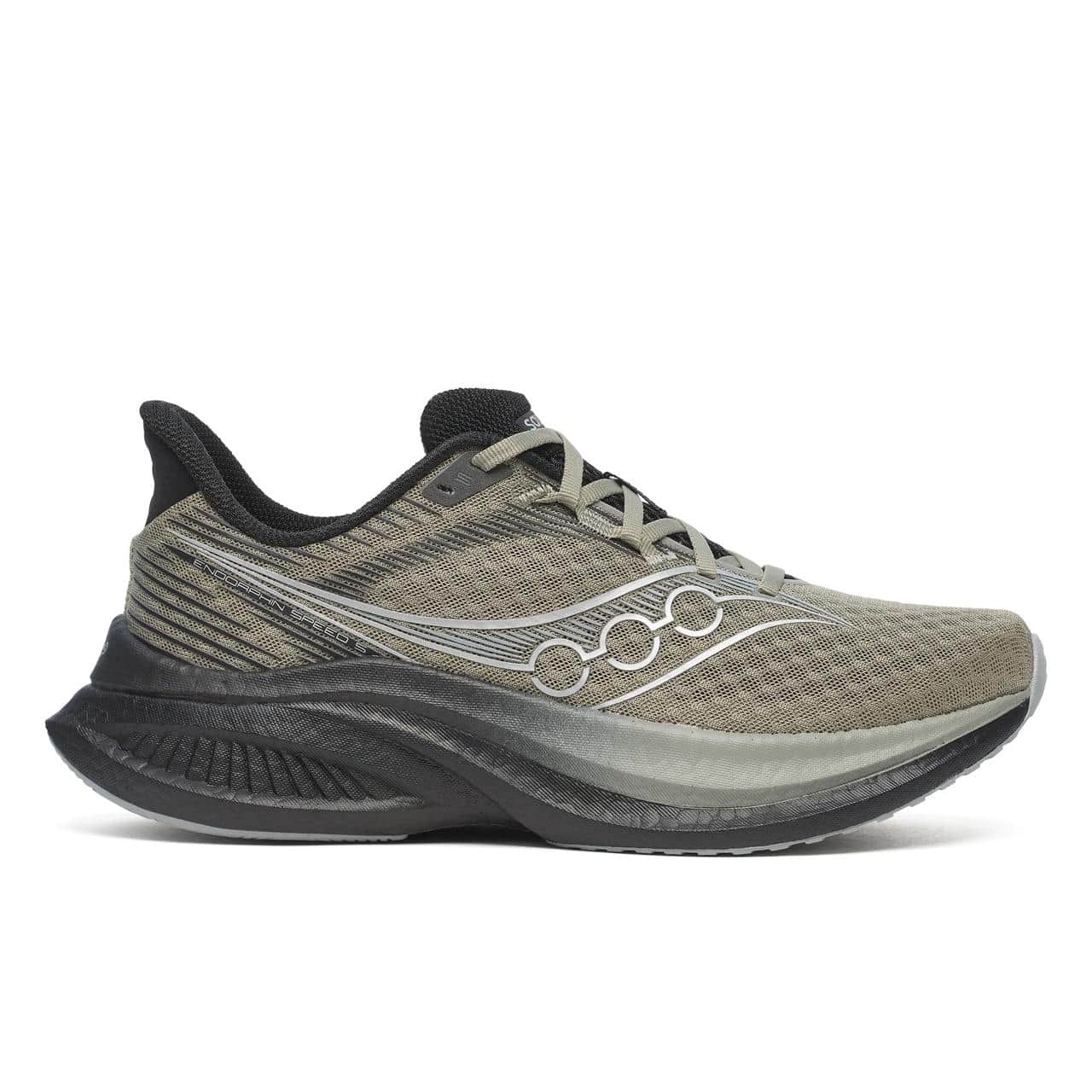
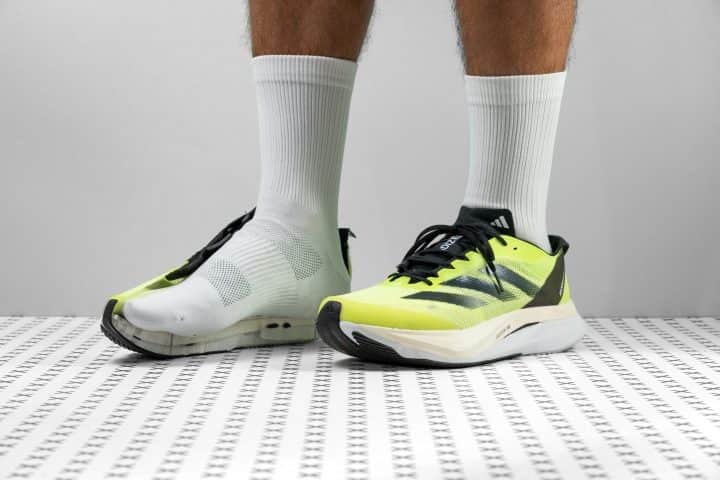
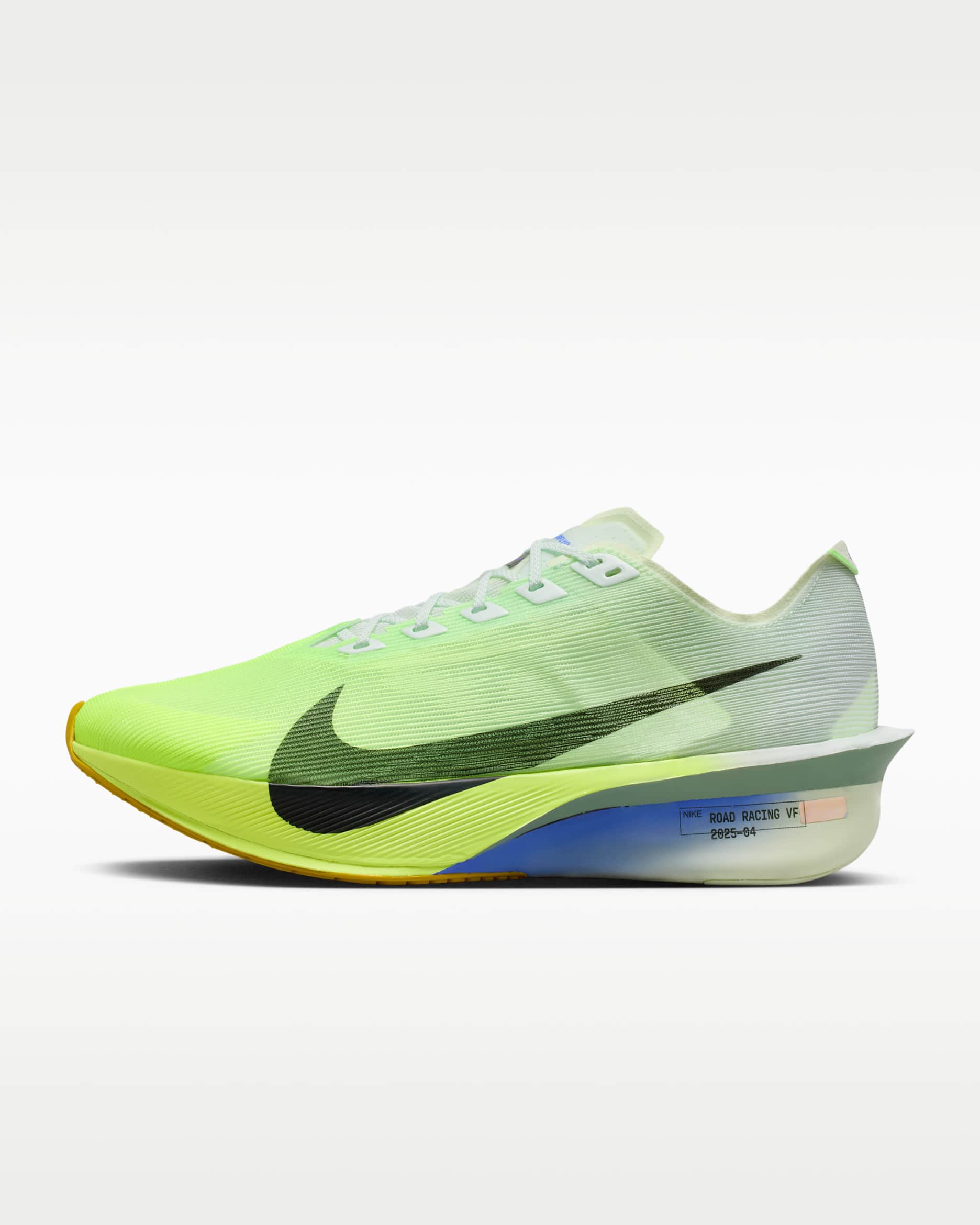
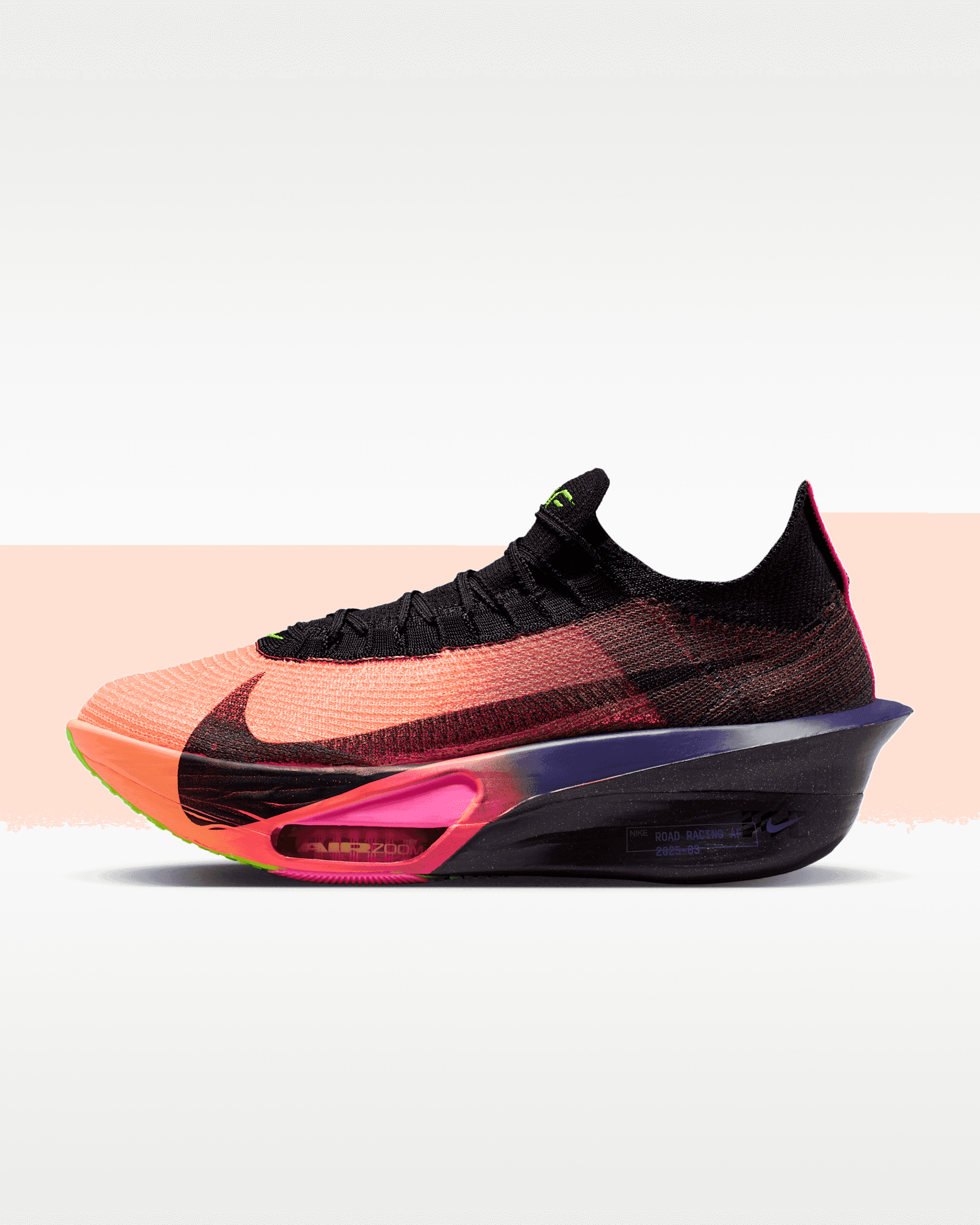
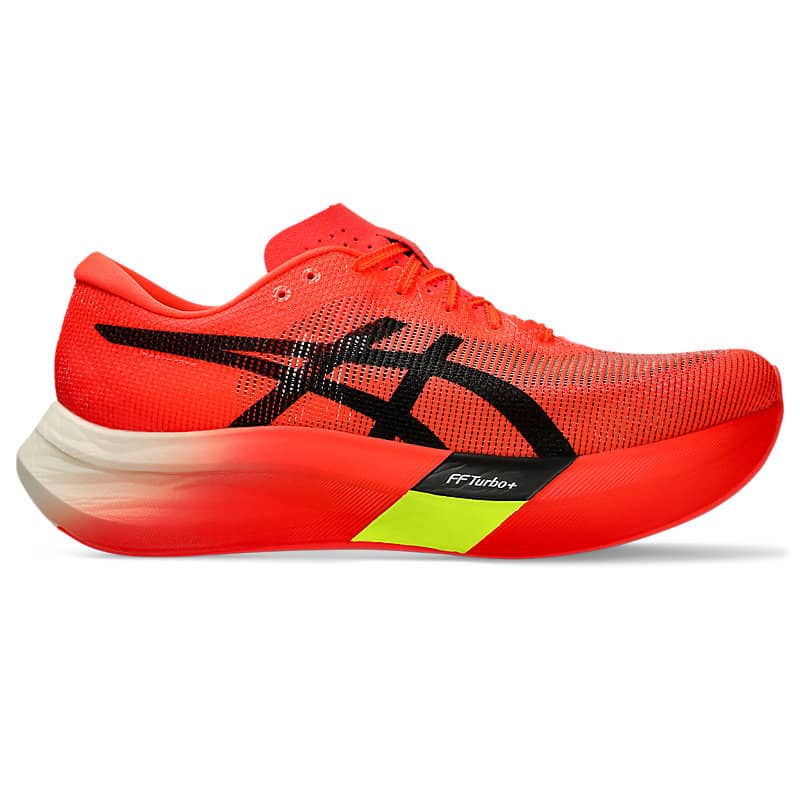
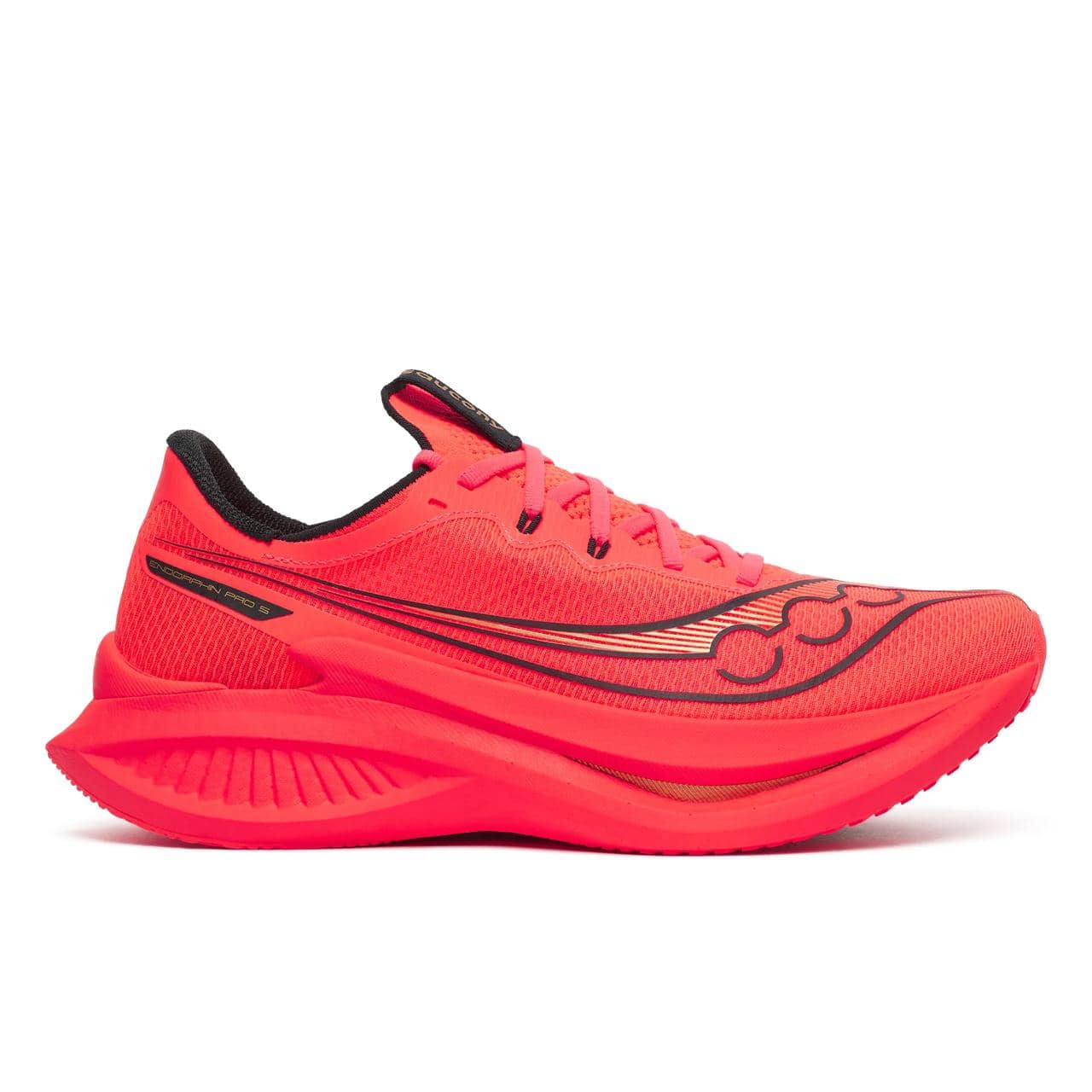
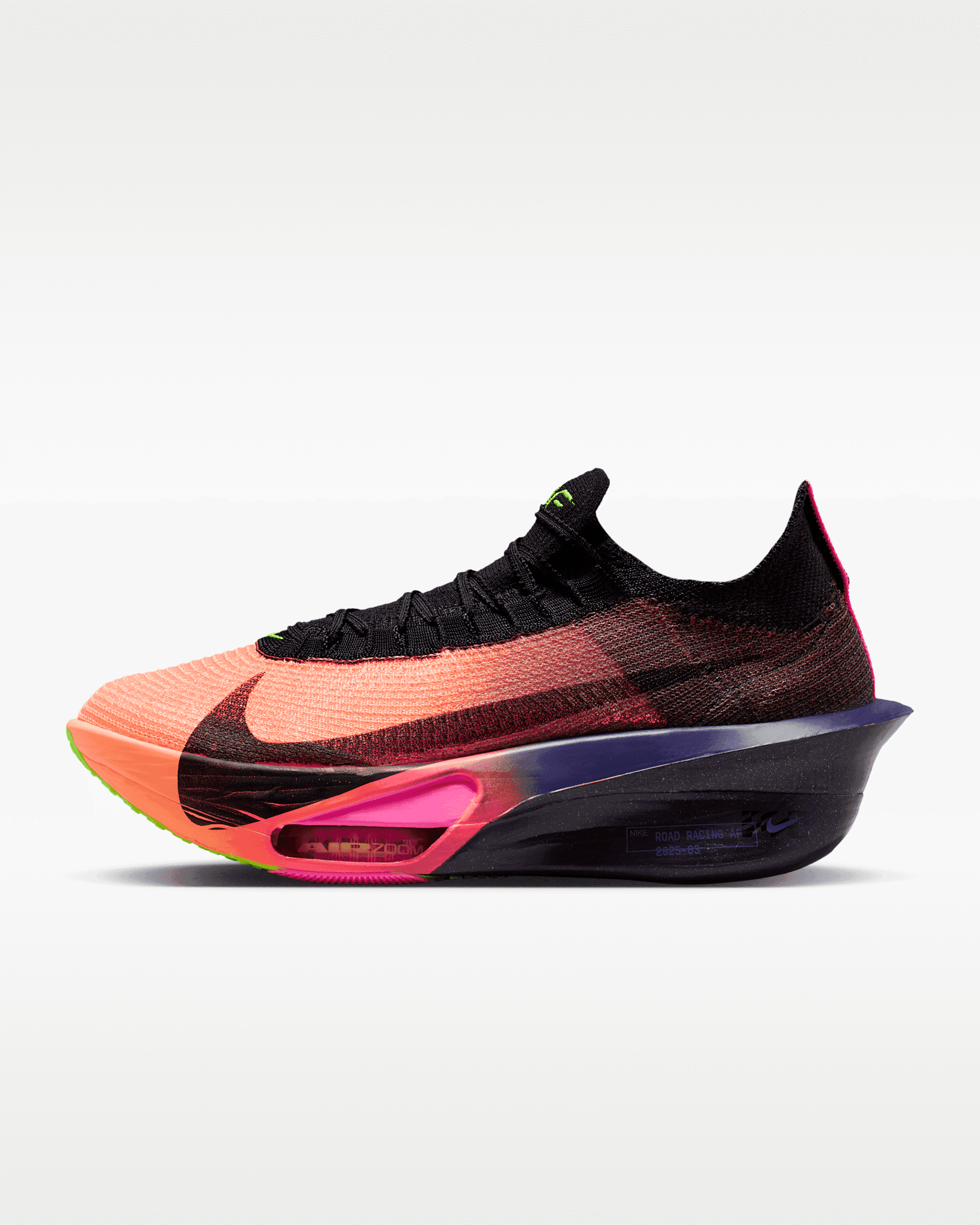
Lightweight running shoes built for faster efforts and race-day use from 5K to marathon.

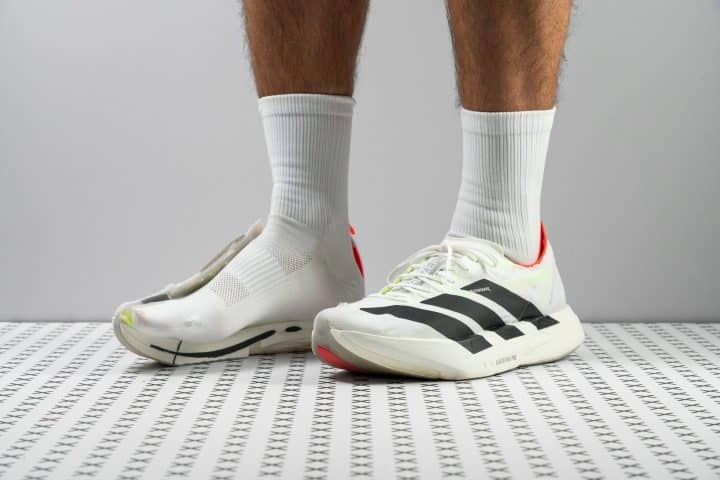
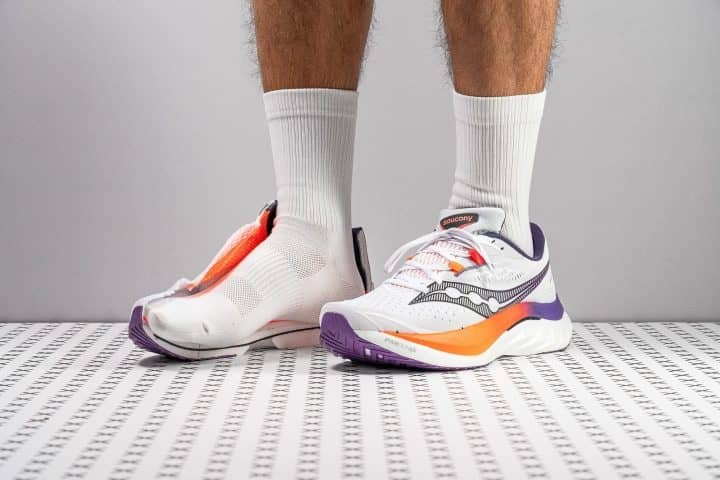
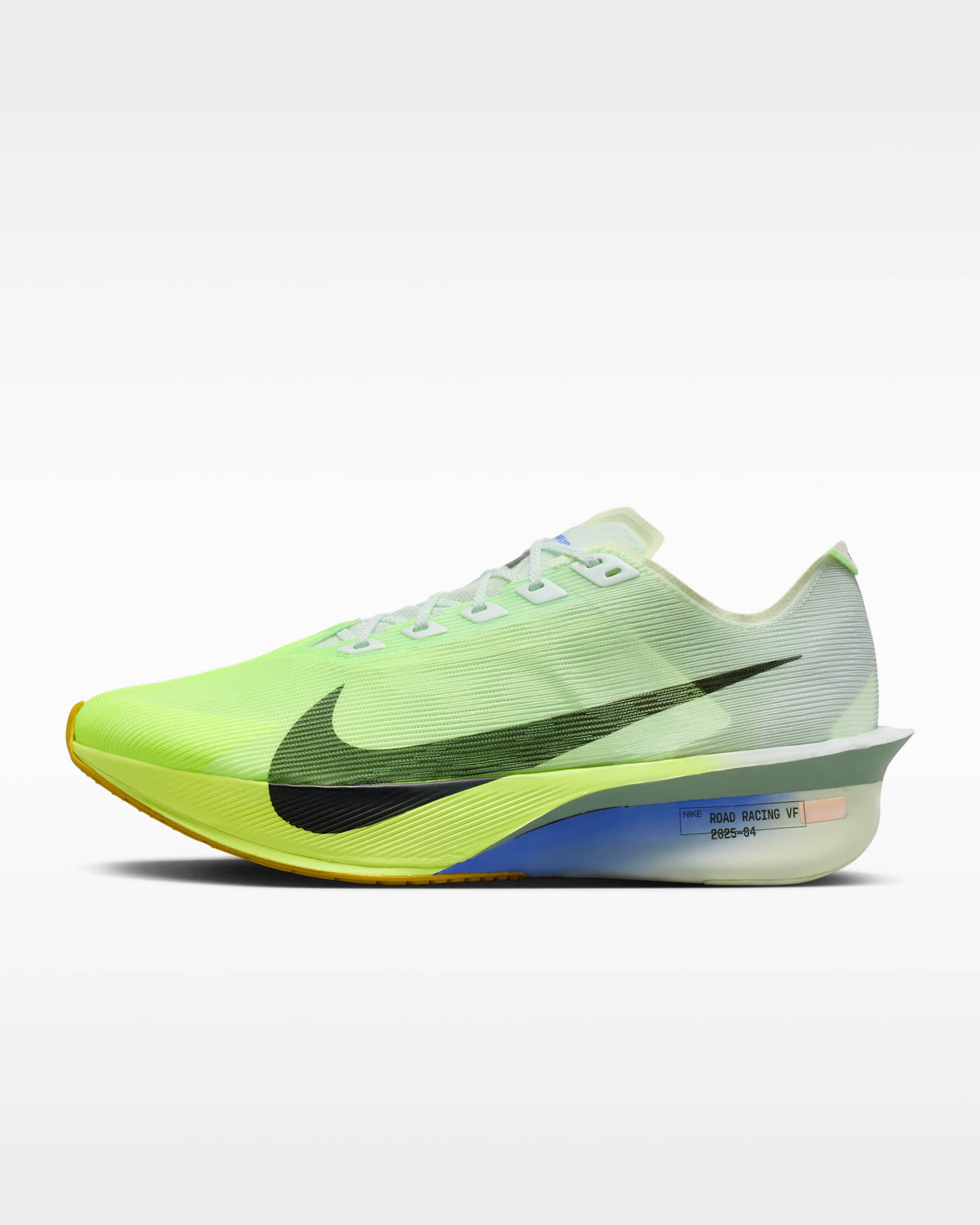
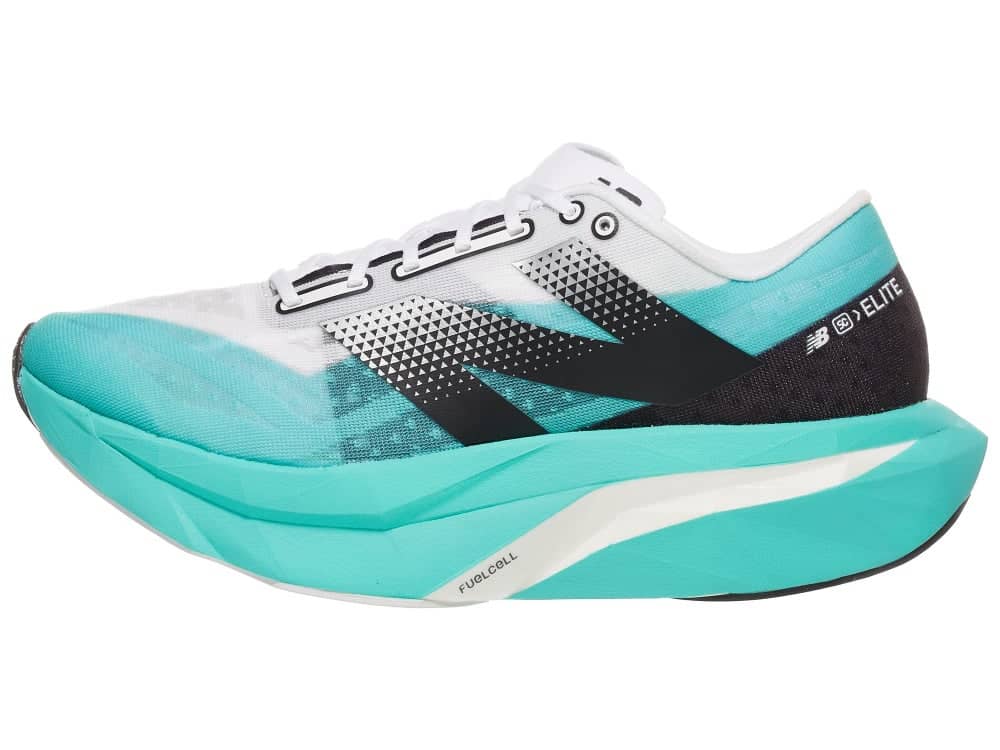
New Balance
Men + Women
198g (Men's · US 9) · 8mm drop
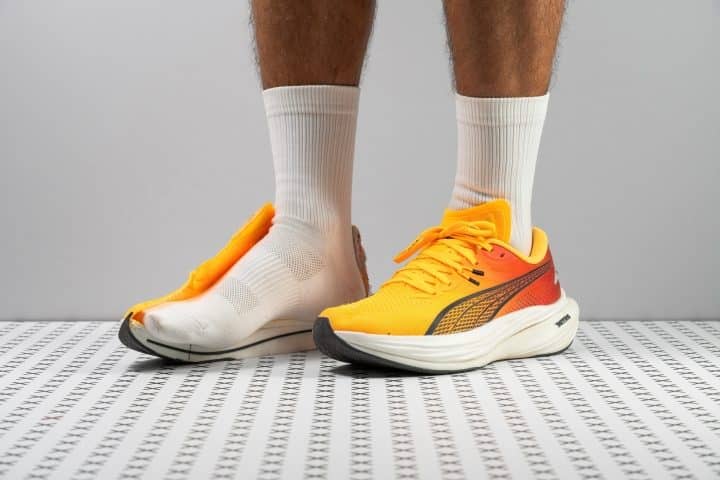
Race shoes are tools for goal efforts and hard sessions — lower weight, lively midsoles, race geometry. They are not daily trainers; foam and uppers usually wear faster under easy mileage.
Learn more in our Race Shoes Guide →Weight for race pace
Lower mass matters most when you’re holding goal pace — less critical on easy doubles.
Race-day foam
High-energy midsoles that feel lively at faster paces; often less durable than daily foams.
Plate & stiffness
Carbon/nylon plates change toe-off — compare within race shoes, not against daily trainers.
Distance fit
5K racers and marathon stacks pull different cushion and upper priorities — filter by distance.
Beginner start
Keep a durable daily trainer for most miles. Add a race shoe only when you have a goal race or structured speed block — start with half/marathon-capable stacks if you’re new to plates.
Trade-offs for this type
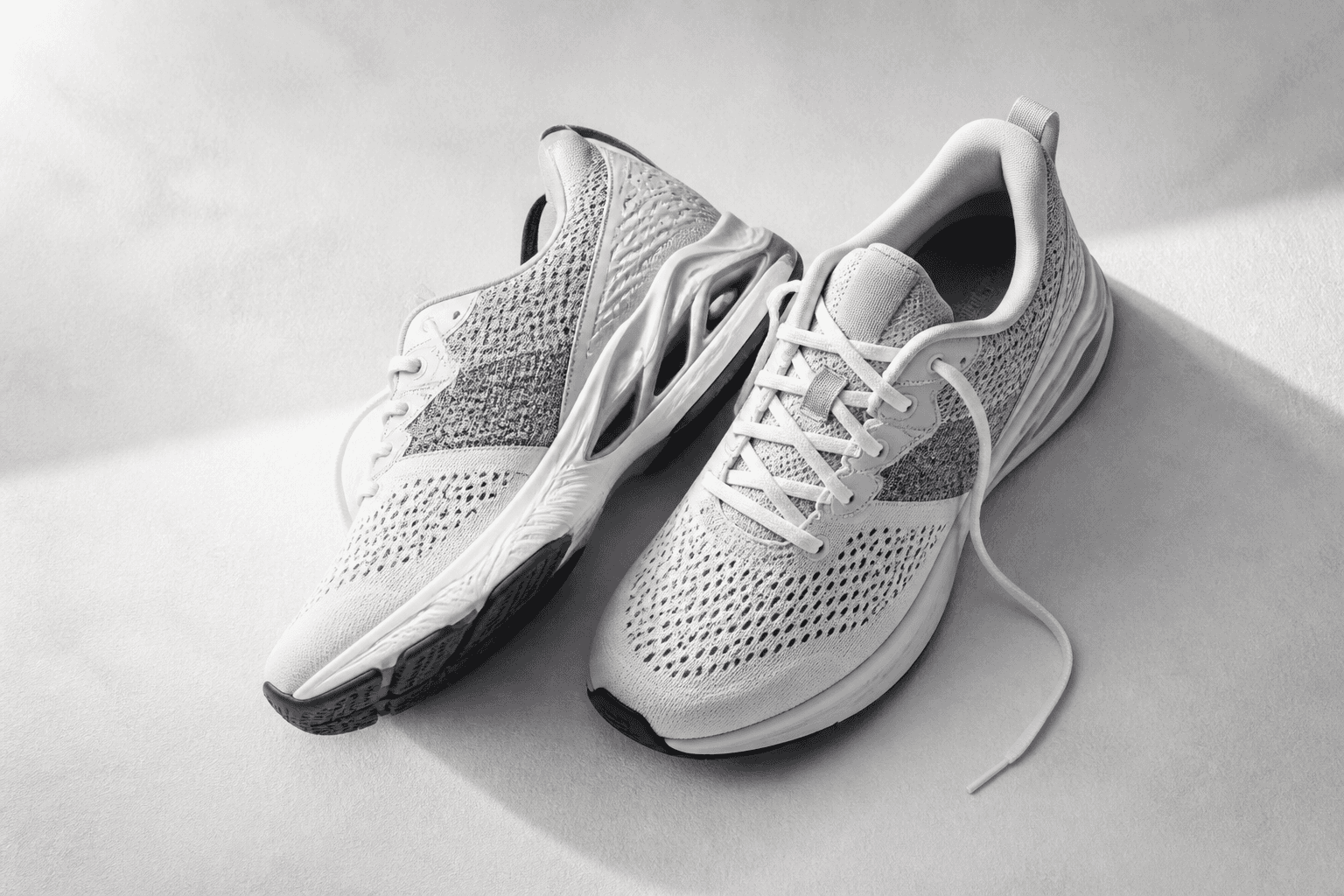 Carbon vs Nylon PlatesWhat plates do, carbon vs nylon/composite trade-offs, and race legality considerations.Running Shoe Rotation ExplainedWhat a shoe rotation is, example 1–3 shoe structures, and how the Shoe Rotation Planner personalises coverage.How to Choose Running ShoesTerrain, training type, cushion, stability, fit and budget — without marketing noise.