Trail
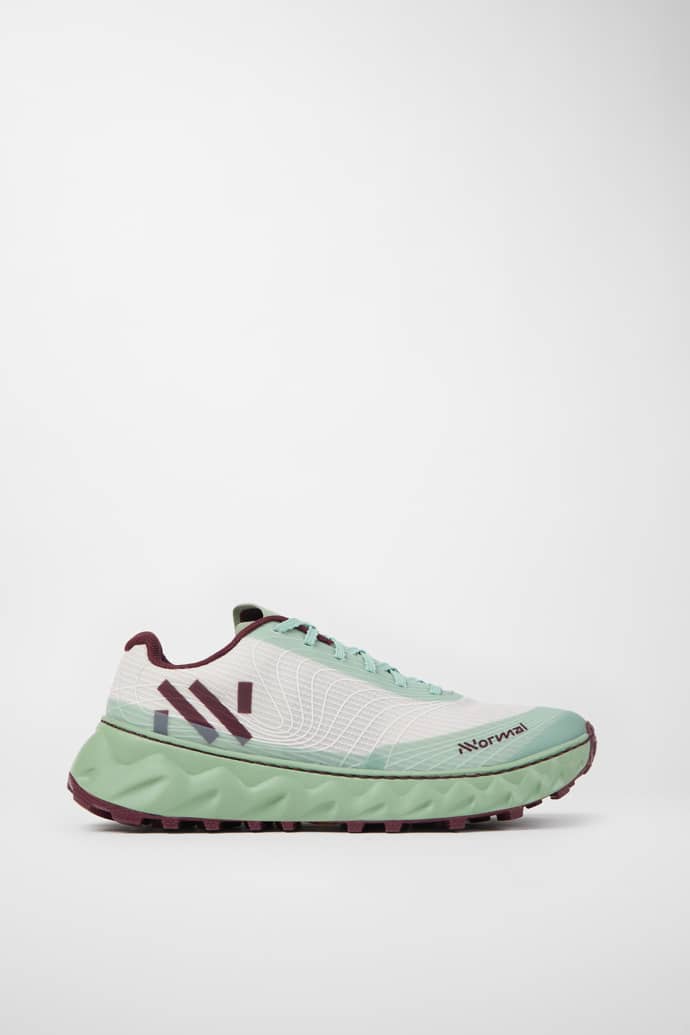
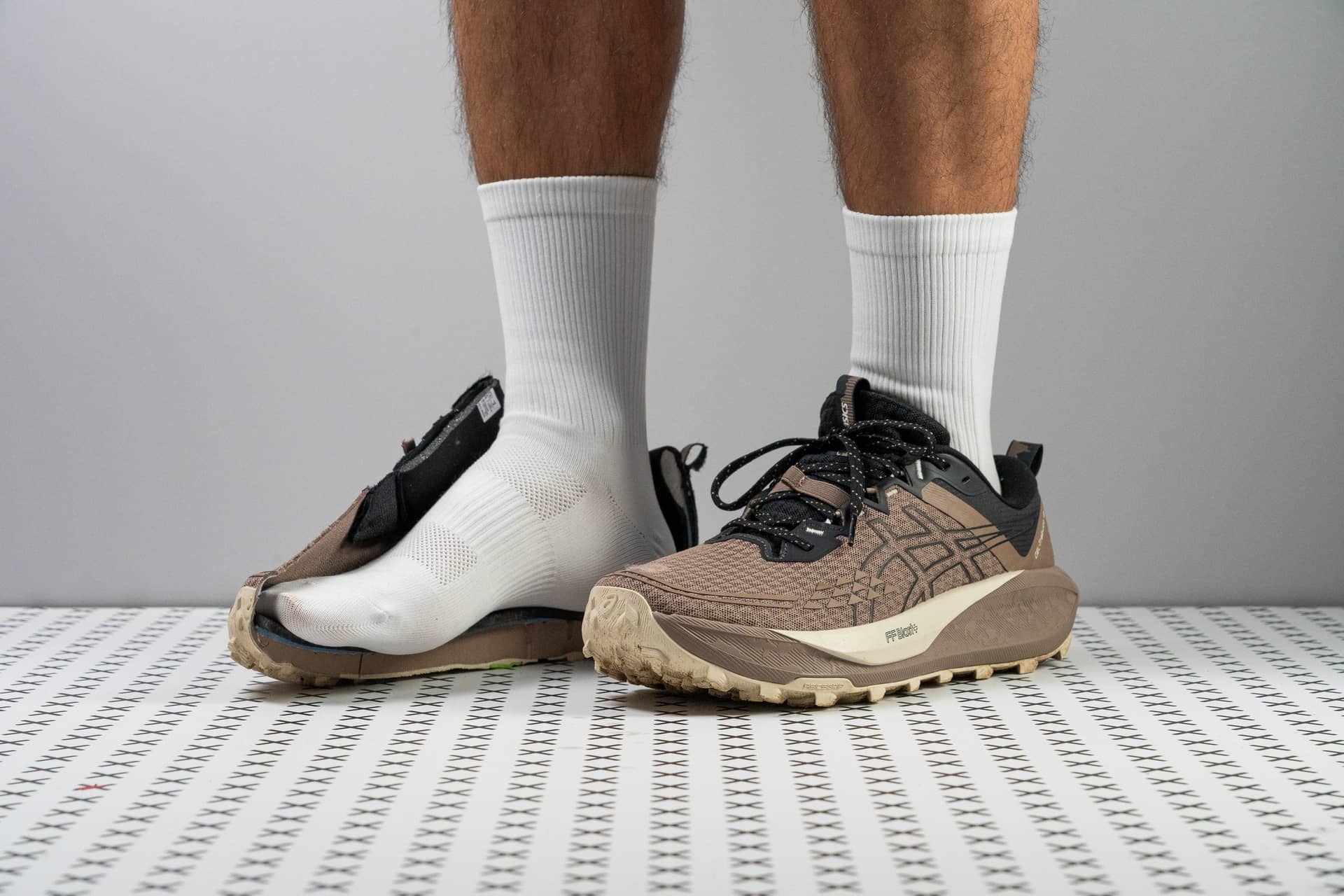
Off-road running shoes with grip and protection for dirt, rock and mixed terrain.
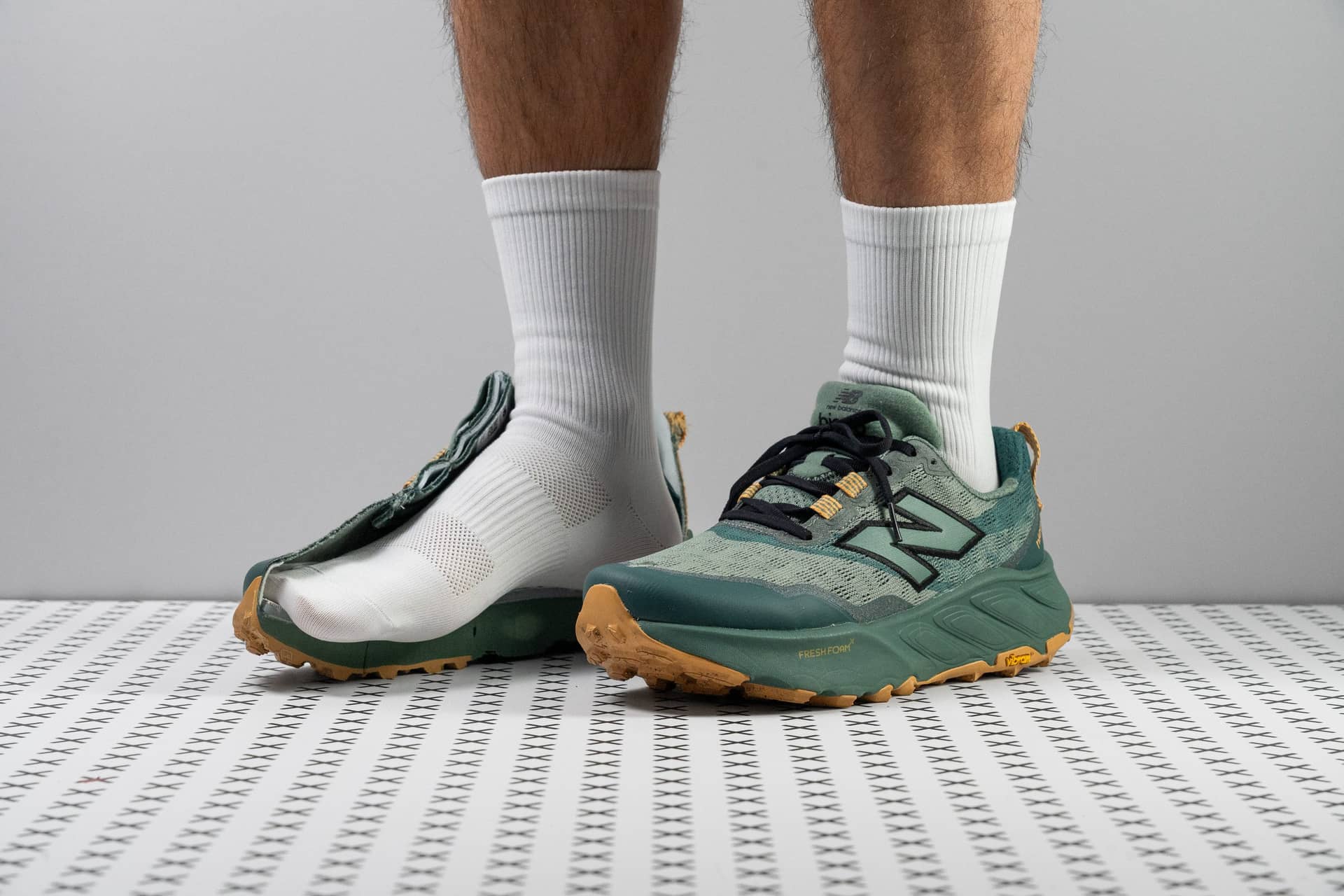
New Balance
Men + Women
315g (Men's · US 9) · 8mm drop
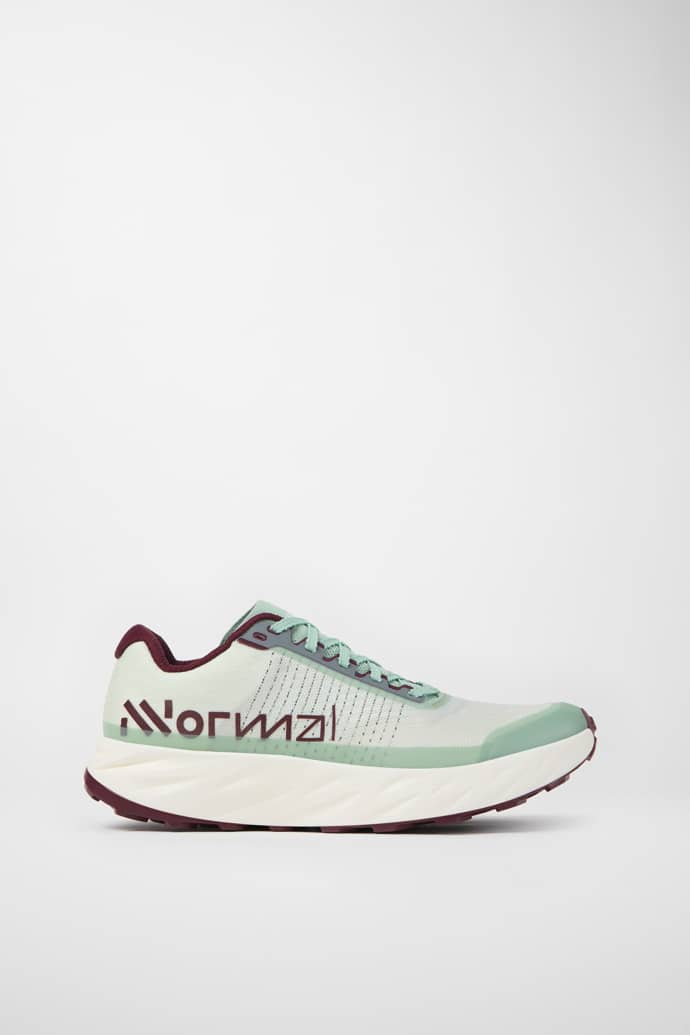
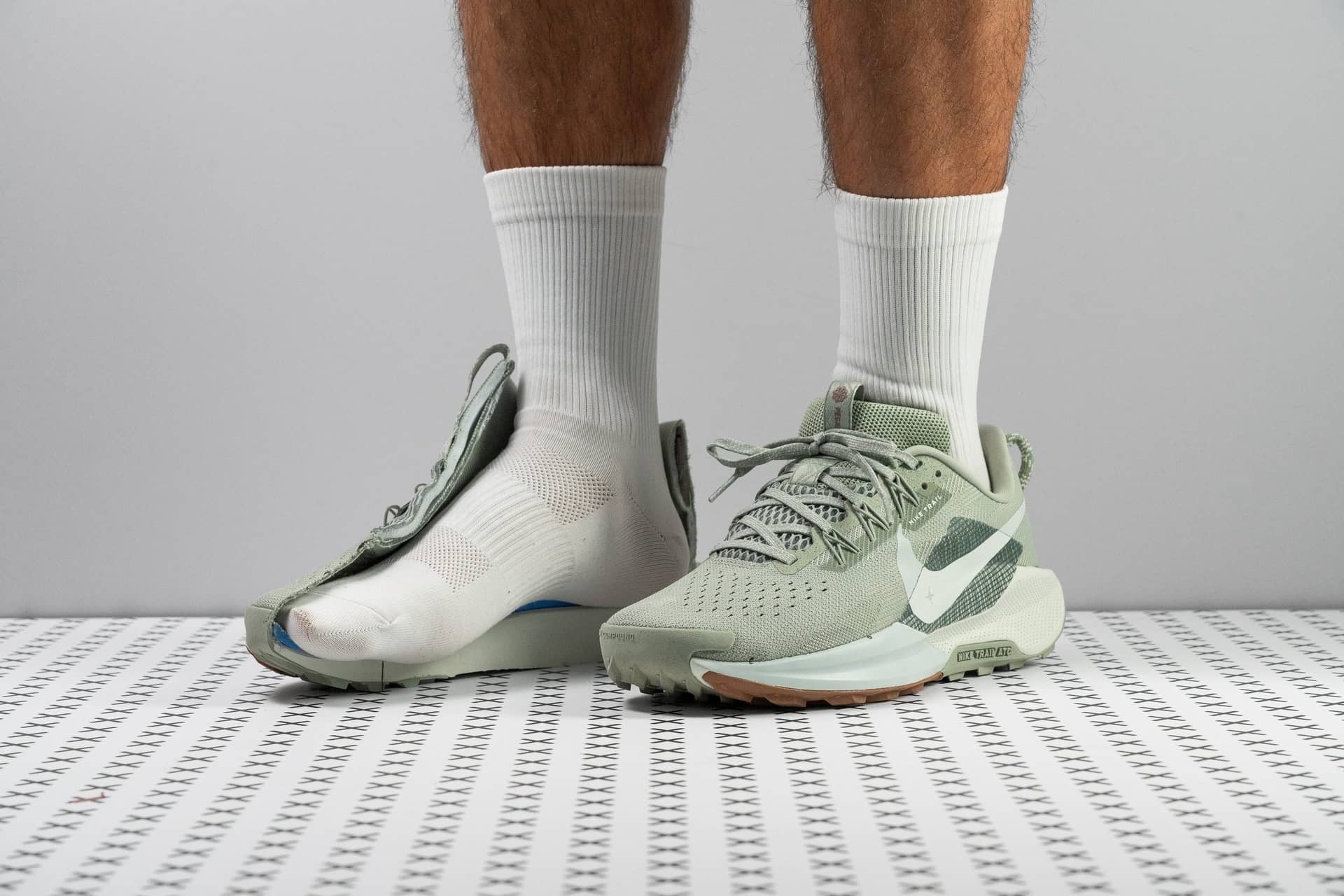
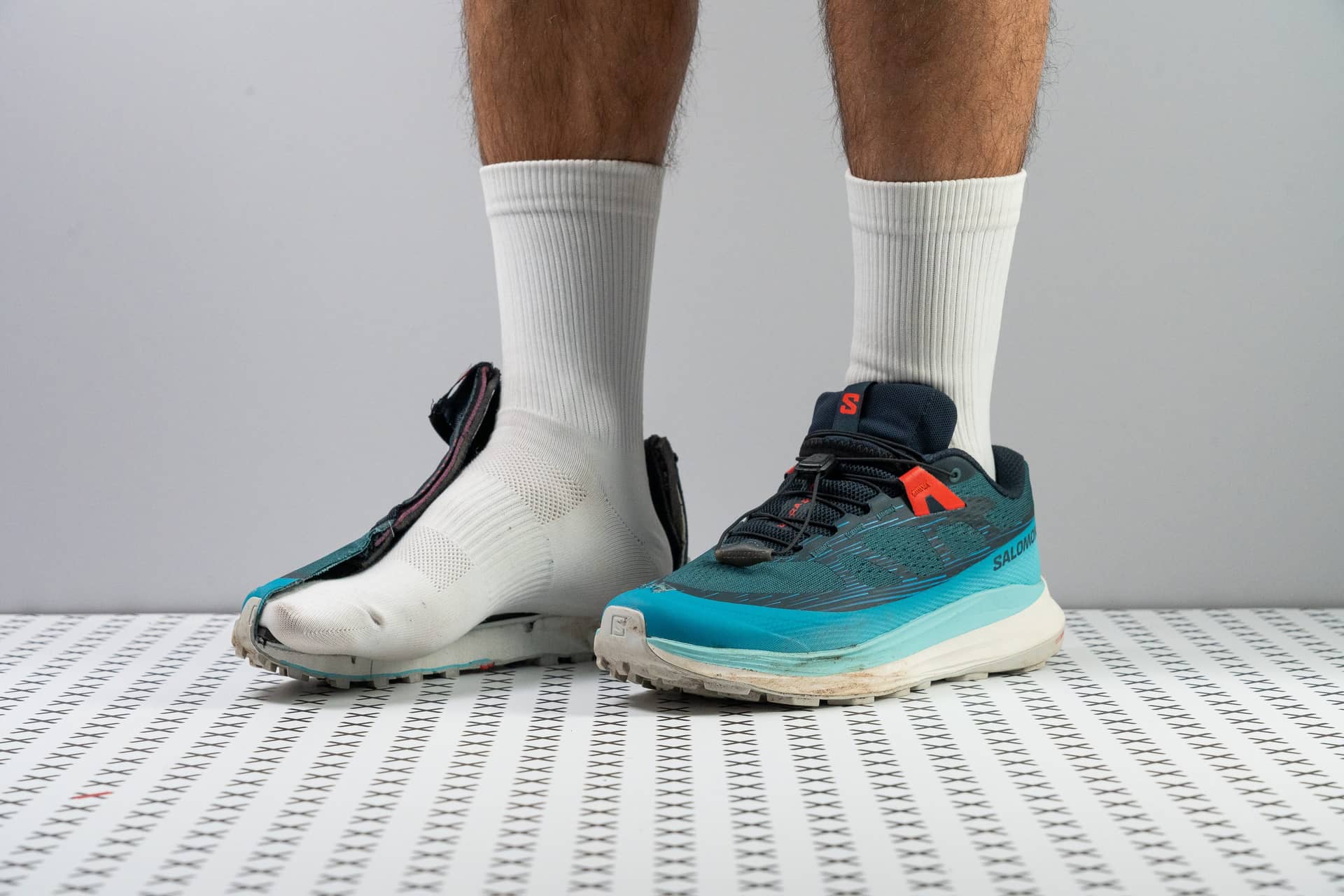
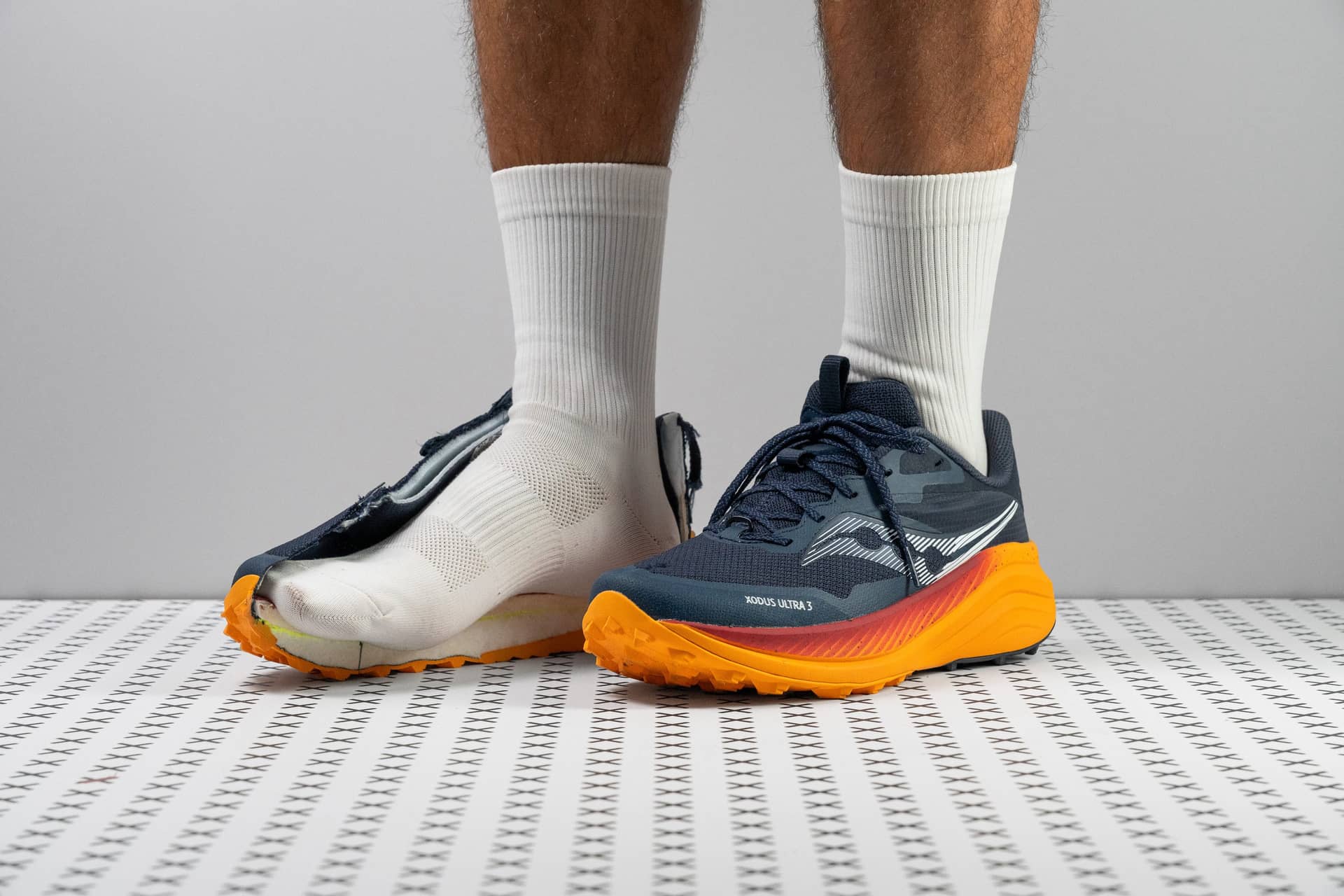
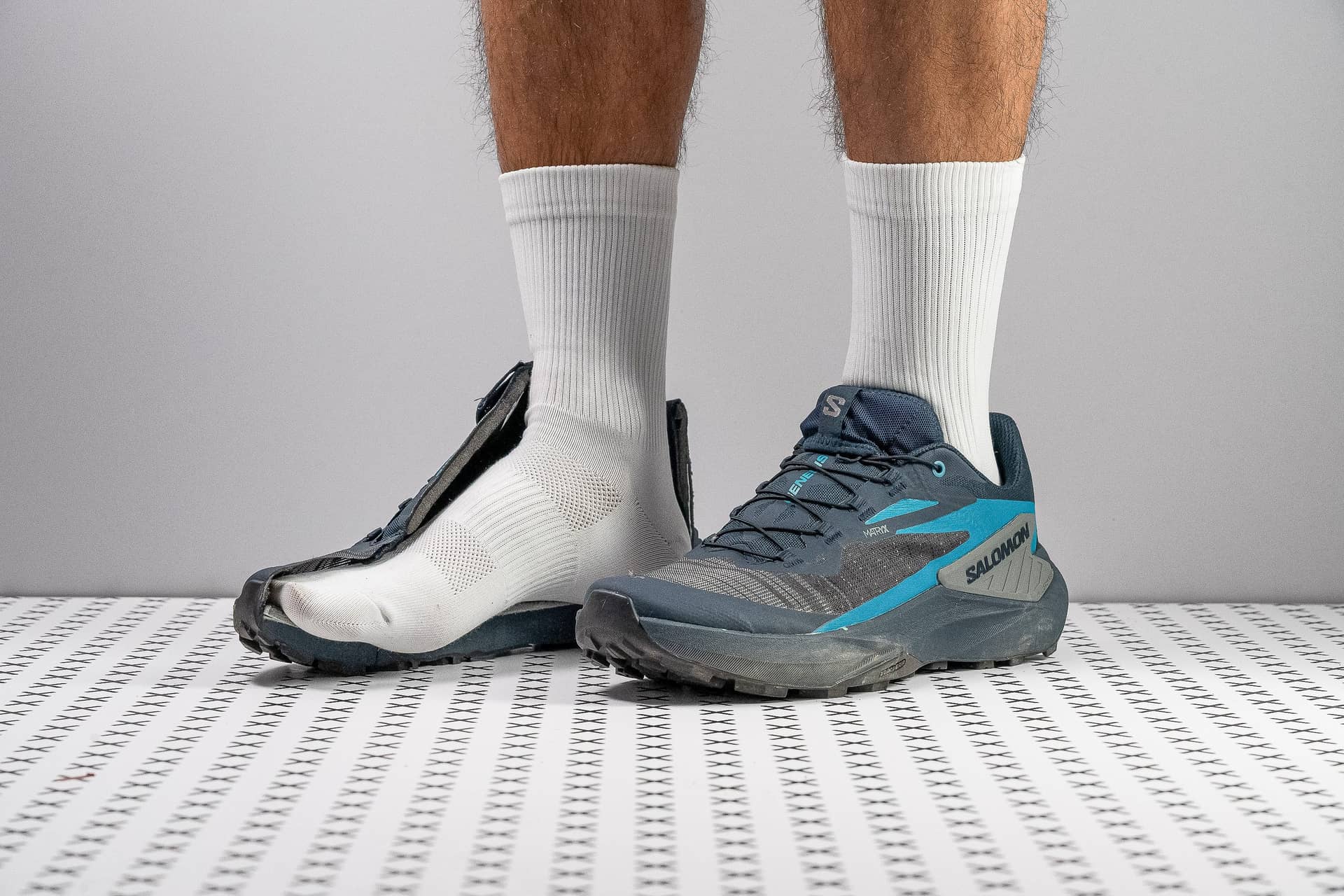
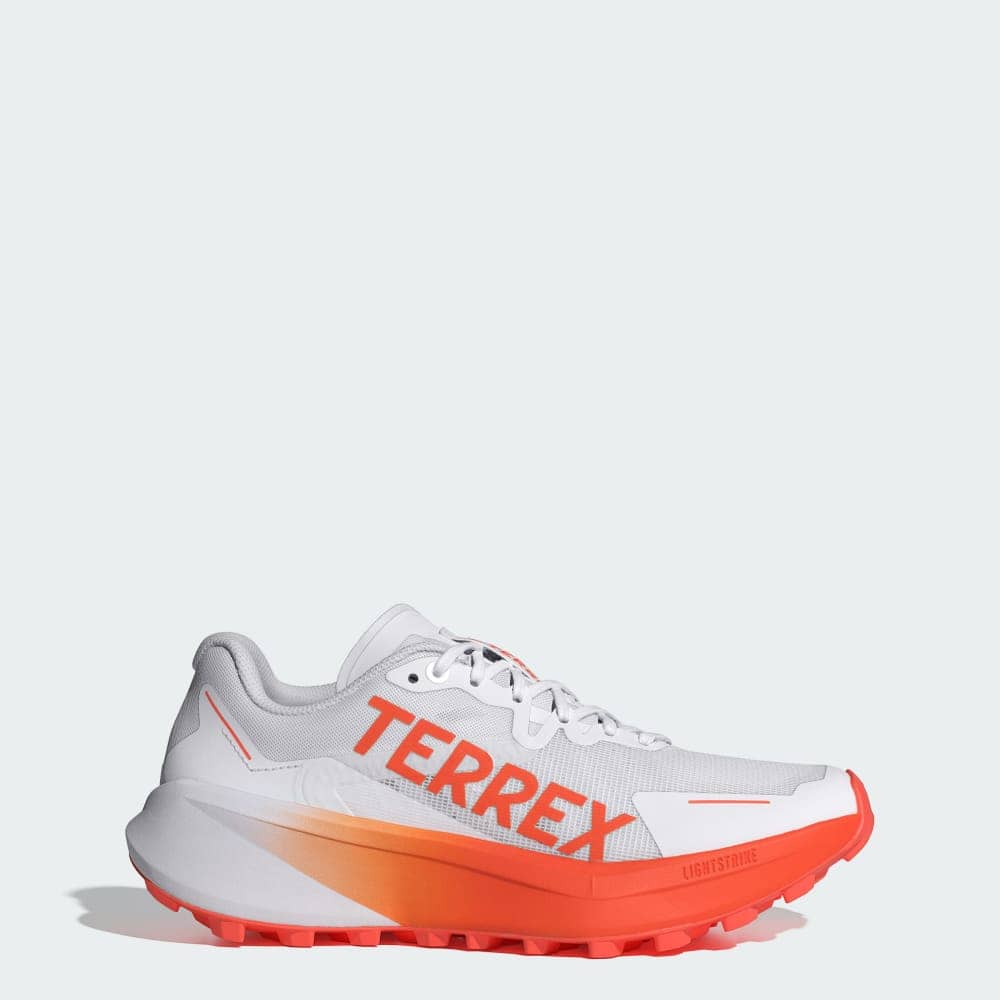
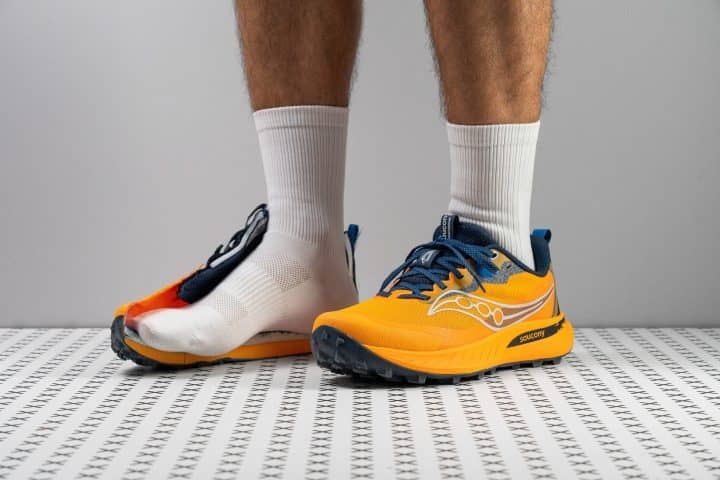
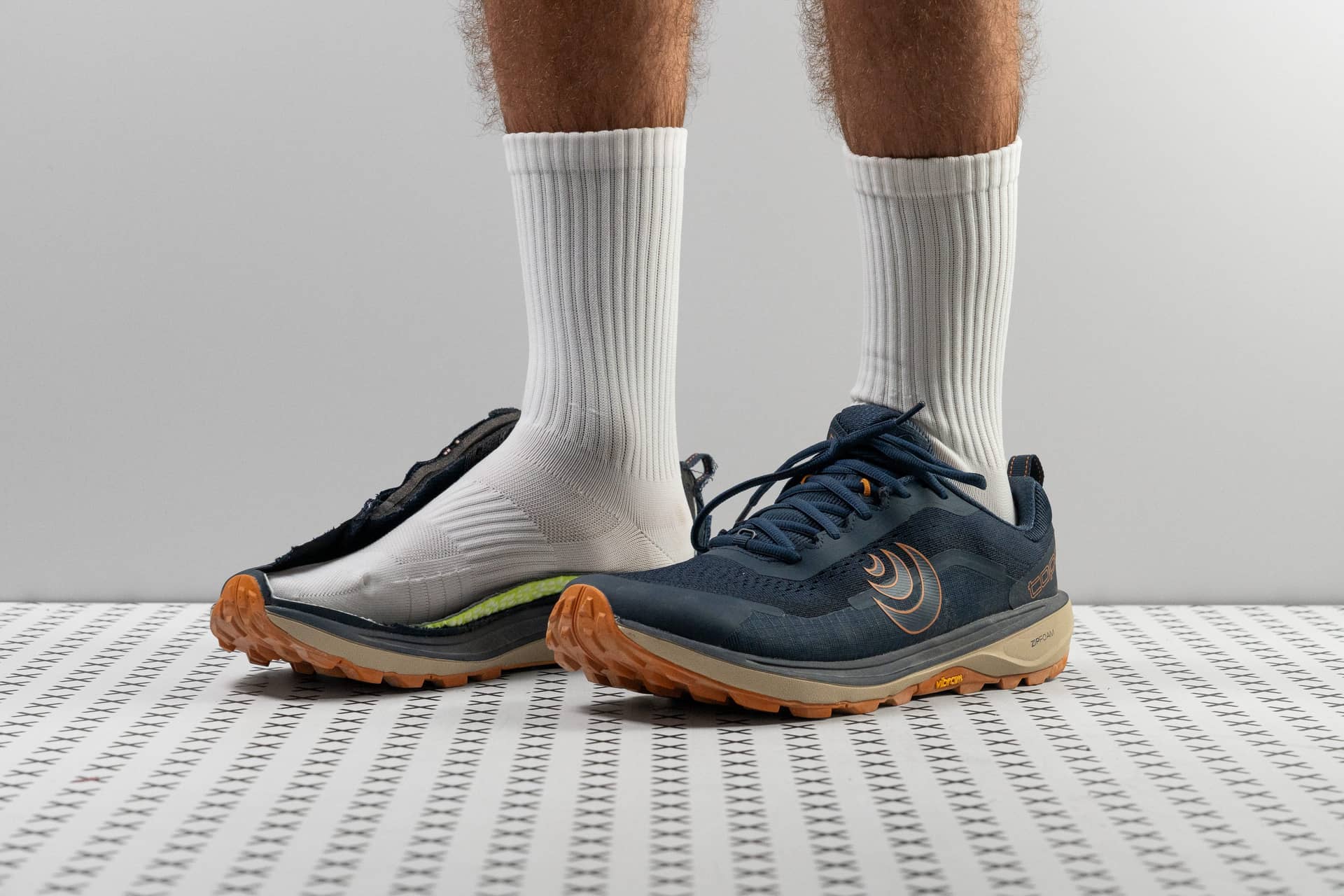
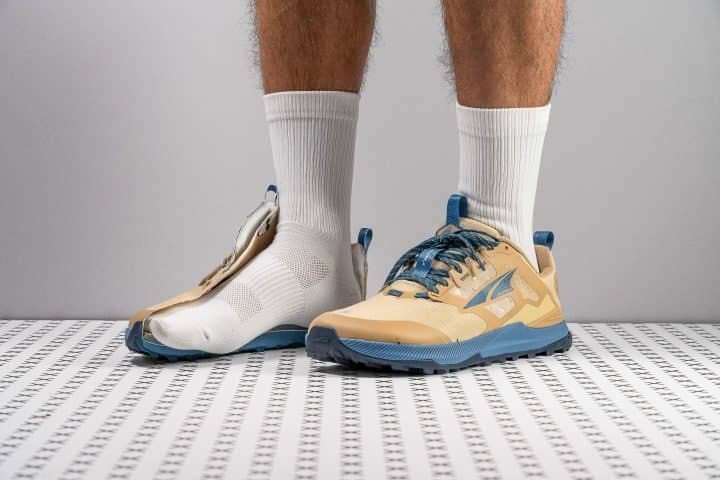
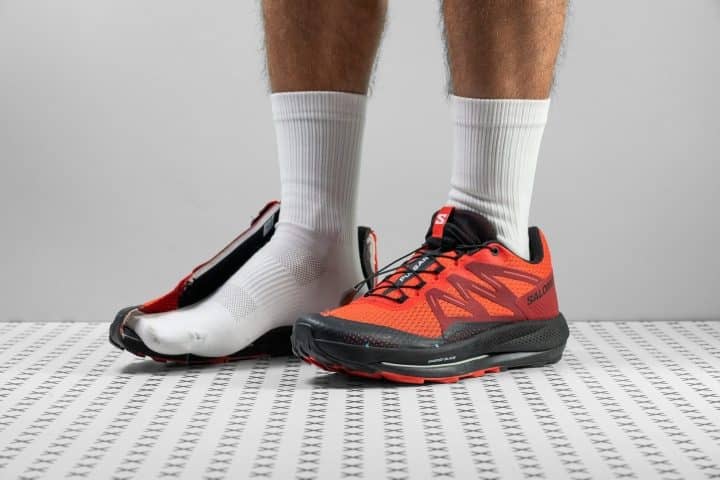
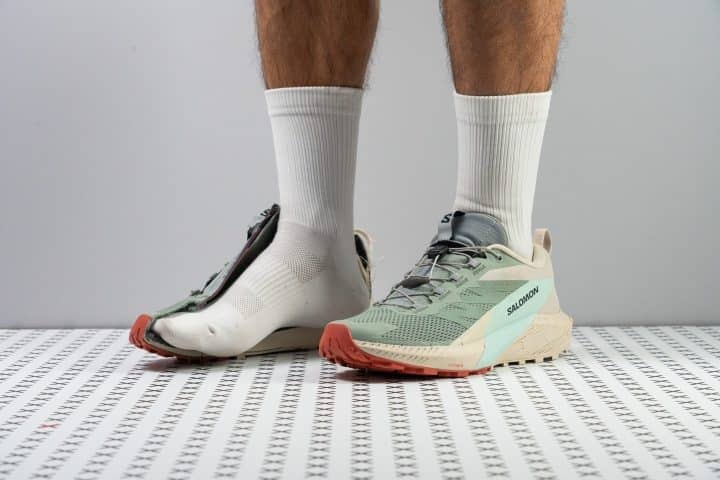
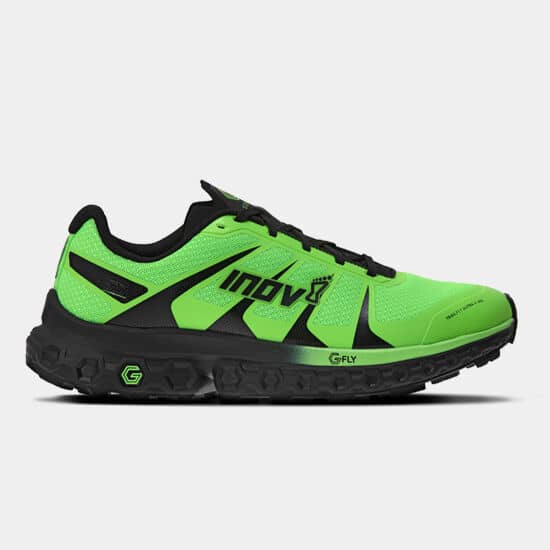
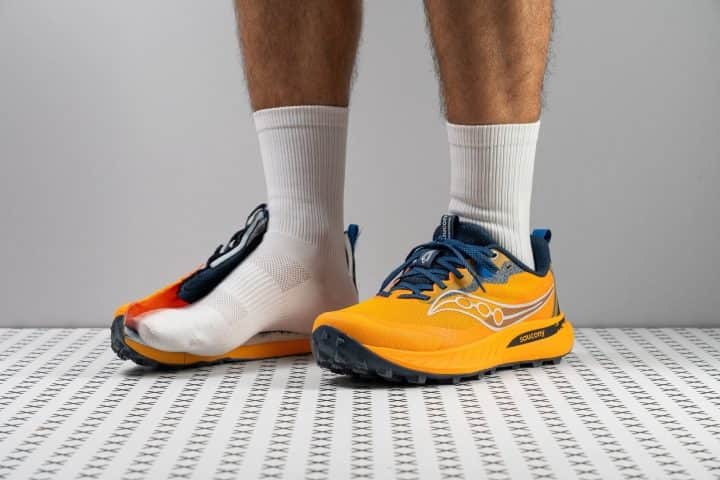
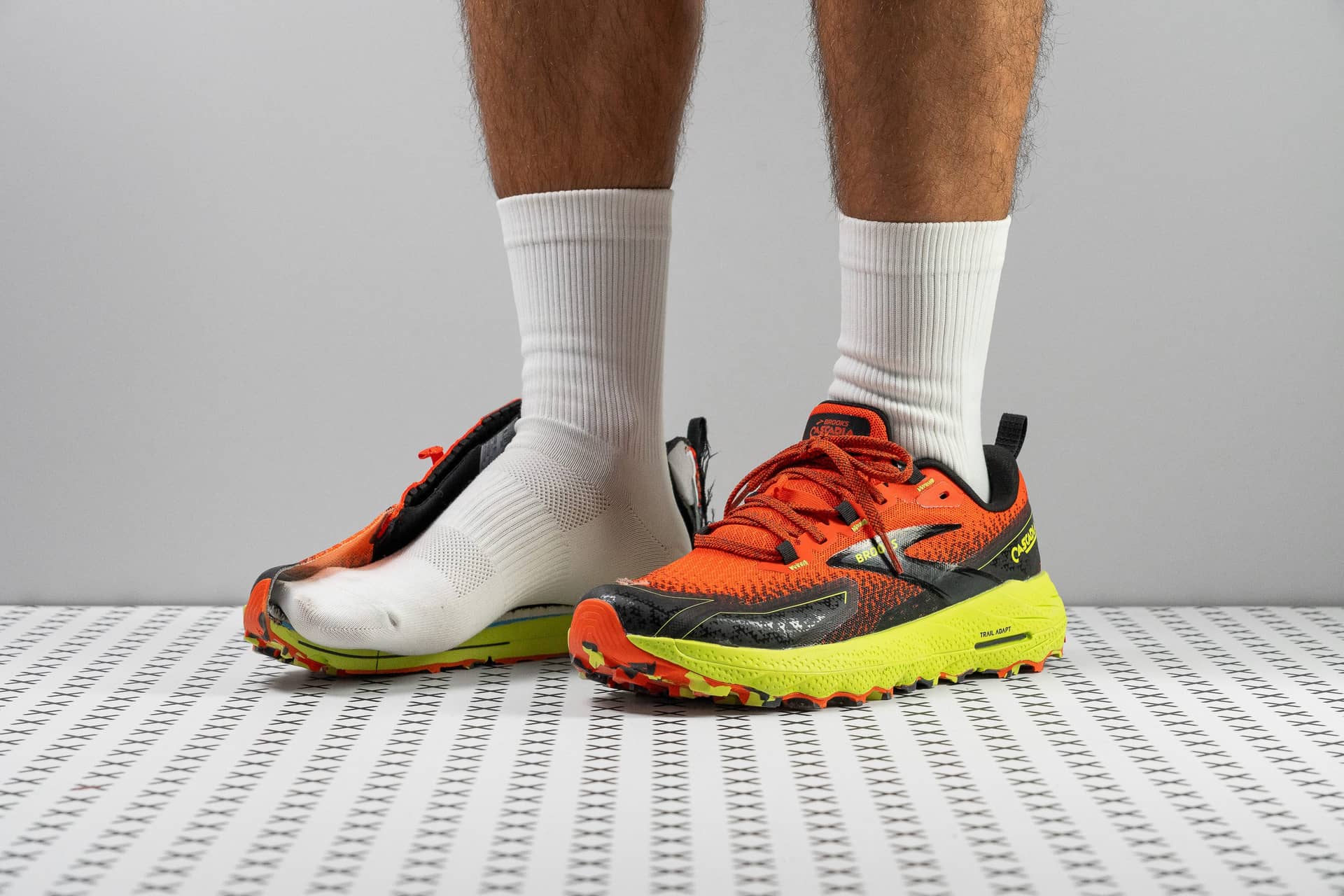
Trail shoes are for dirt, mud and rock — grip and protection first. They are not quieter road dailies with deeper lugs bolted on; expect slower pavement feel and different stack priorities than road race shoes.
Read Road vs Trail →Lug & rubber
Compound and lug pattern decide mud vs rock confidence — filter by terrain you run.
Underfoot protection
Rock plates and denser uppers help on technical ground; overkill on soft packed paths.
Terrain match
Road-to-trail hybrids exist — don’t buy ultra mud cups for gravel bike paths.
Distance & stack
Short trail races and ultras pull different cushion and weight priorities.
Beginner start
Match lug depth to your usual trails. Soft singletrack often needs less aggressive lugs than muddy winter hills. Keep a road shoe for pavement weeks.
Trade-offs for this type
 Road vs Trail Running ShoesWhy road and trail shoes are not interchangeable — grip, protection and intended terrain.How to Choose Running ShoesTerrain, training type, cushion, stability, fit and budget — without marketing noise.Running Shoe Cushioning ExplainedWhy stack height is not the same as softeness — and how Kitletics classifies cushion.